
Sensory
Why Some Coffees Taste Sweet
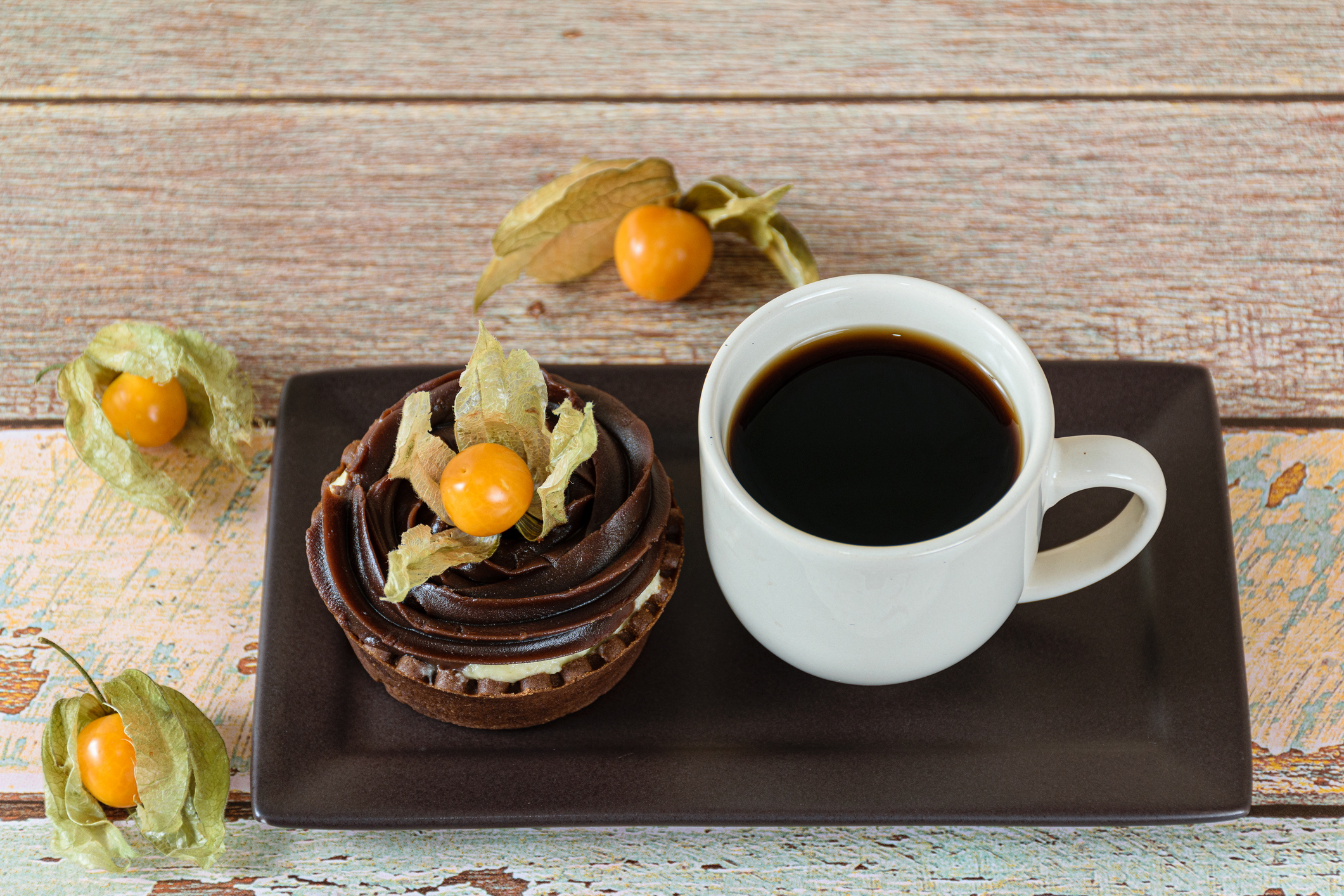
Some coffees taste sweet even when nothing has been added to the cup. That sweetness is one of the pleasures of specialty coffee: a black coffee can suggest honey, caramel, ripe fruit, brown sugar, chocolate, or cooked citrus without needing actual sugar stirred into it.
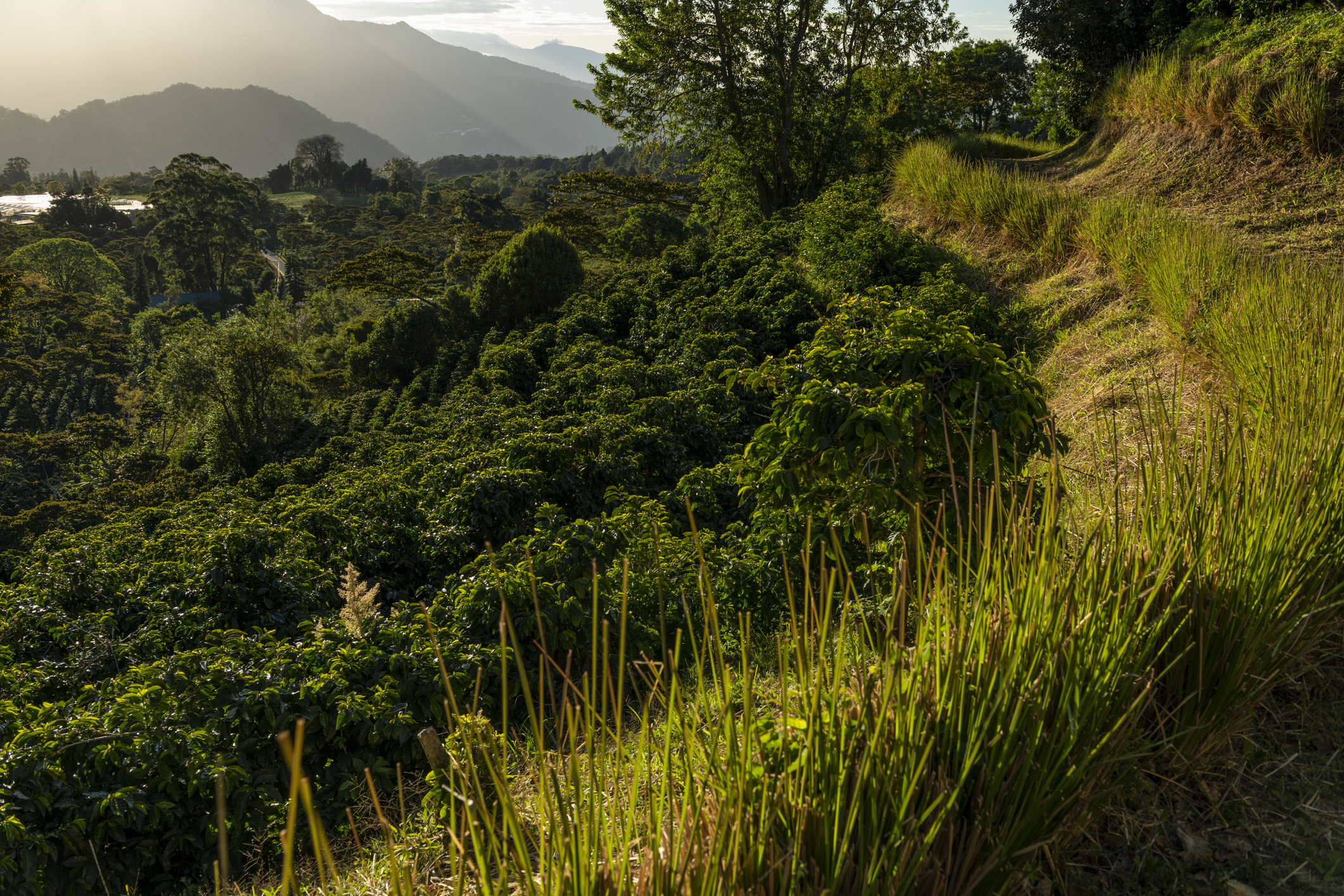
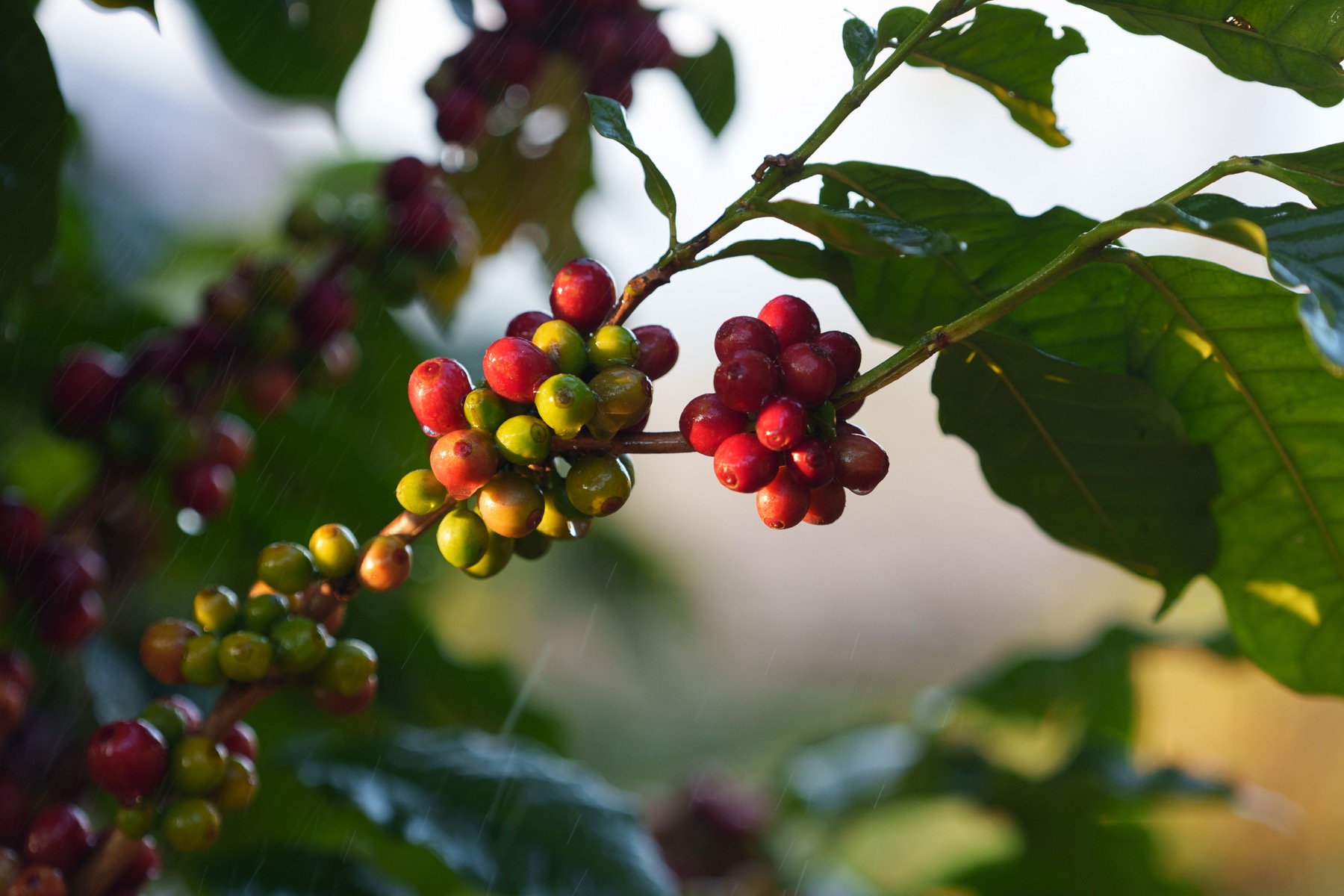
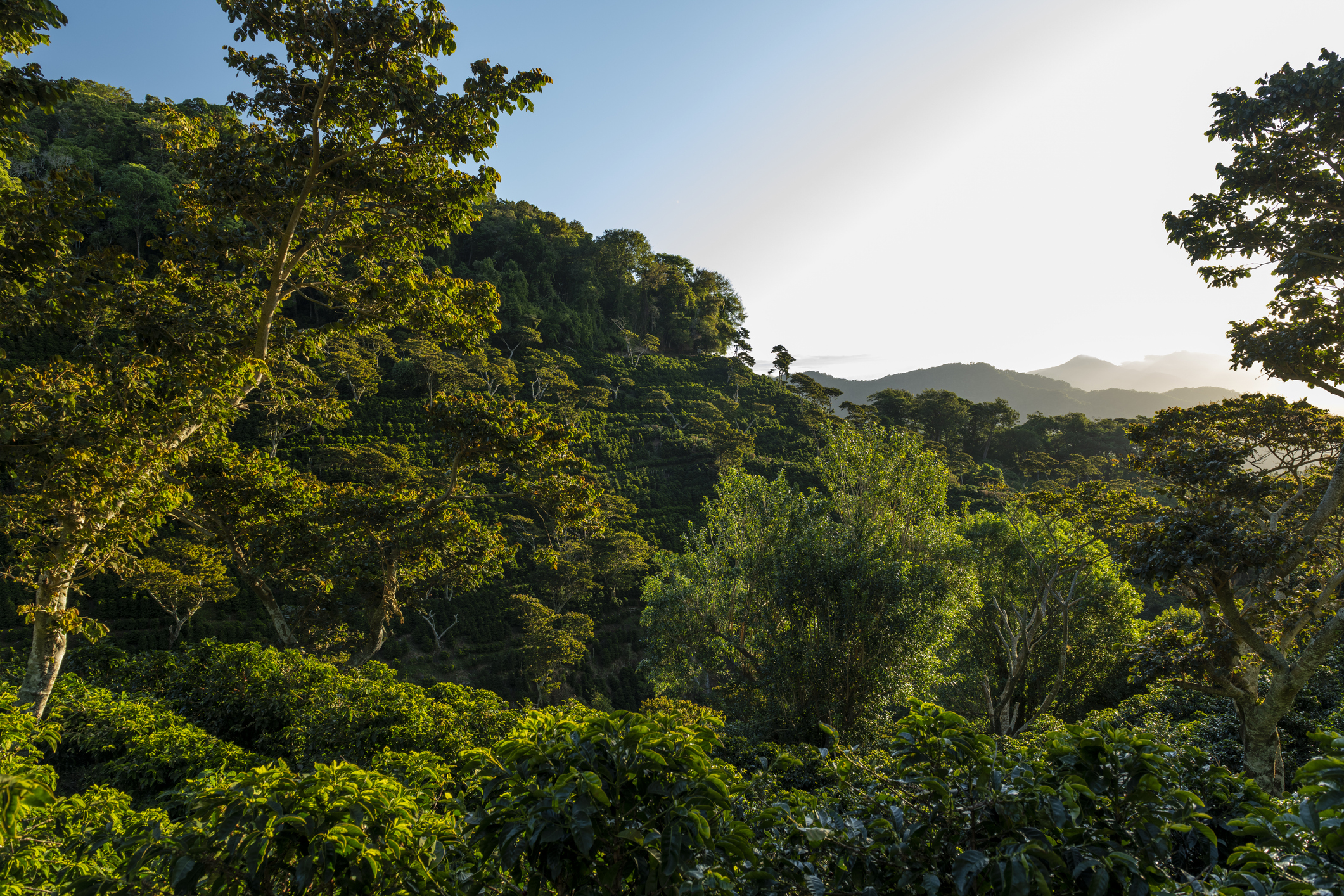
The chemistry begins in the coffee cherry. As the fruit ripens, the seed develops sugars, acids, and aromatic precursors that later shape flavor. In high-elevation regions, ripening often happens more slowly because cooler nights and mountain mist reduce heat stress. The new twist is that slow ripening is not only about "more time on the tree." It is also about rhythm: warm days support growth, cool nights slow respiration, and the cherry can preserve more of the compounds that later become sweetness, fragrance, and structure.
Roasting then transforms those compounds. Sucrose and other carbohydrates break down under heat, while amino acids and sugars participate in the Maillard reaction, creating aromas associated with caramel, toasted sugar, nuts, cocoa, and baked fruit. The coffee does not become sugary in the way a dessert is sugary, but the aroma and flavor chemistry can make the brain read the cup as sweet.
This is why certain specialty coffees are enjoyed without sugar. The sweetness is already present as part of the coffee's own expression. It can be quietly sweet: a little honeyed, a little fruit-like, a little rounded at the edges, with the body held together by something soft and complete.