

Climate
Why Cool Nights Matter For Coffee
Cool nights matter because coffee is fruit before it is a roasted bean. In warm lowland conditions, cherries can move through ripening quickly. In highland coffee regions, the rhythm is slower. Daytime warmth supports growth, while cooler nights let the plant rest, conserve energy, and mature the cherry with more patience.
In many high-elevation coffee areas, daytime temperatures may sit roughly around 18 to 24 C, or 64 to 75 F, while nights can fall closer to 10 to 16 C, or 50 to 61 F. The exact range depends on elevation, slope, cloud cover, wind, and season, but the pattern matters: warm enough for the tree to grow, cool enough to slow the fruit down.
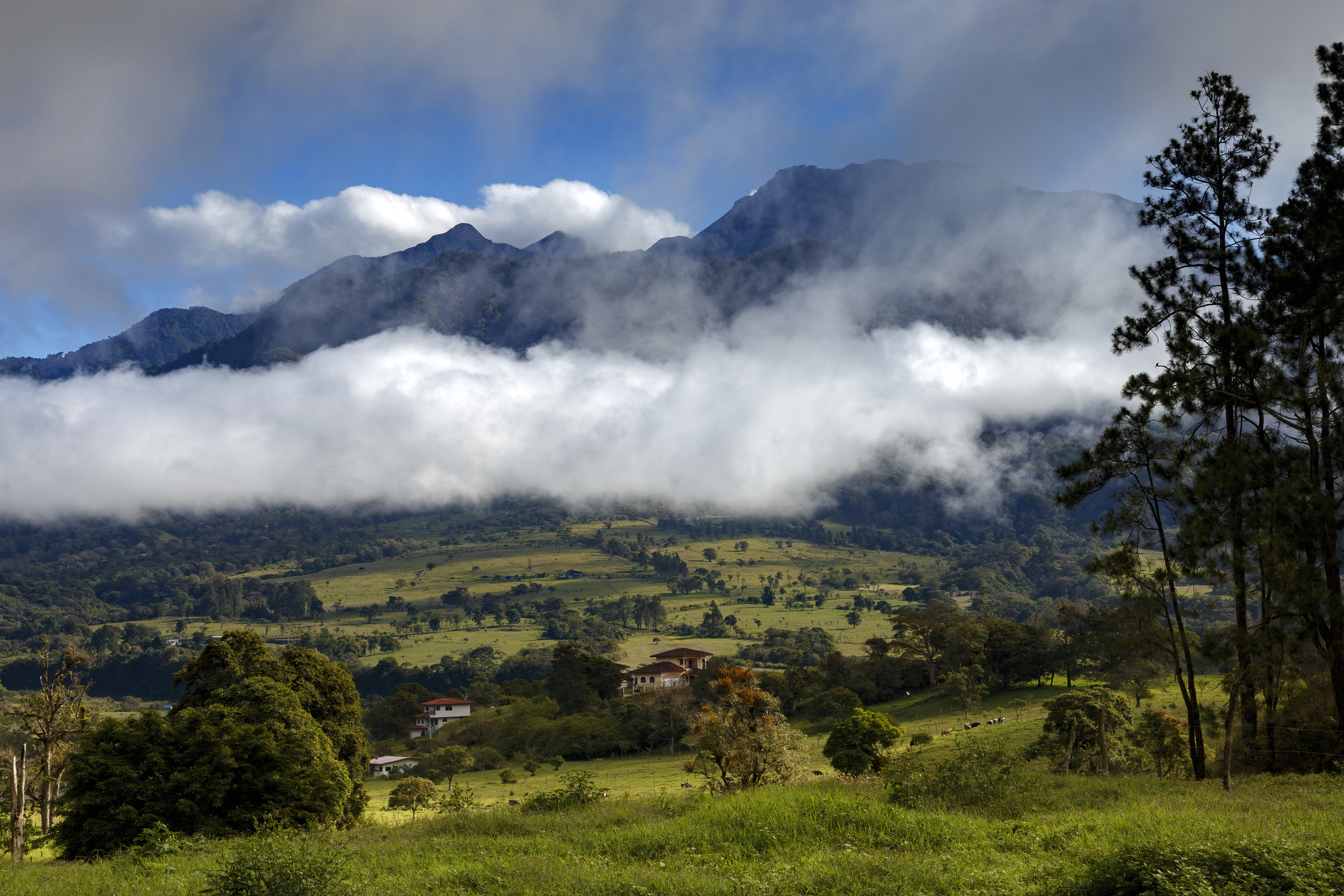
Mist adds another layer. In mountain regions, clouds can move through the farms like a soft cooling veil, reducing harsh sun, keeping moisture in the air, and softening the daily temperature swing. That mist does not simply make the landscape beautiful. It changes the way heat, light, and humidity reach the coffee trees.
That slower pace is one reason highland coffees can feel more composed in the cup. Sugars, acids, and aromatic compounds have more time to organize before harvest. Cool nights do not guarantee quality on their own, but when they combine with healthy soil, careful picking, precise processing, and thoughtful roasting, they can help produce coffee with brightness, sweetness, structure, and a long, clean finish.