
Panama
Panama Coffee Regions, Explained Simply
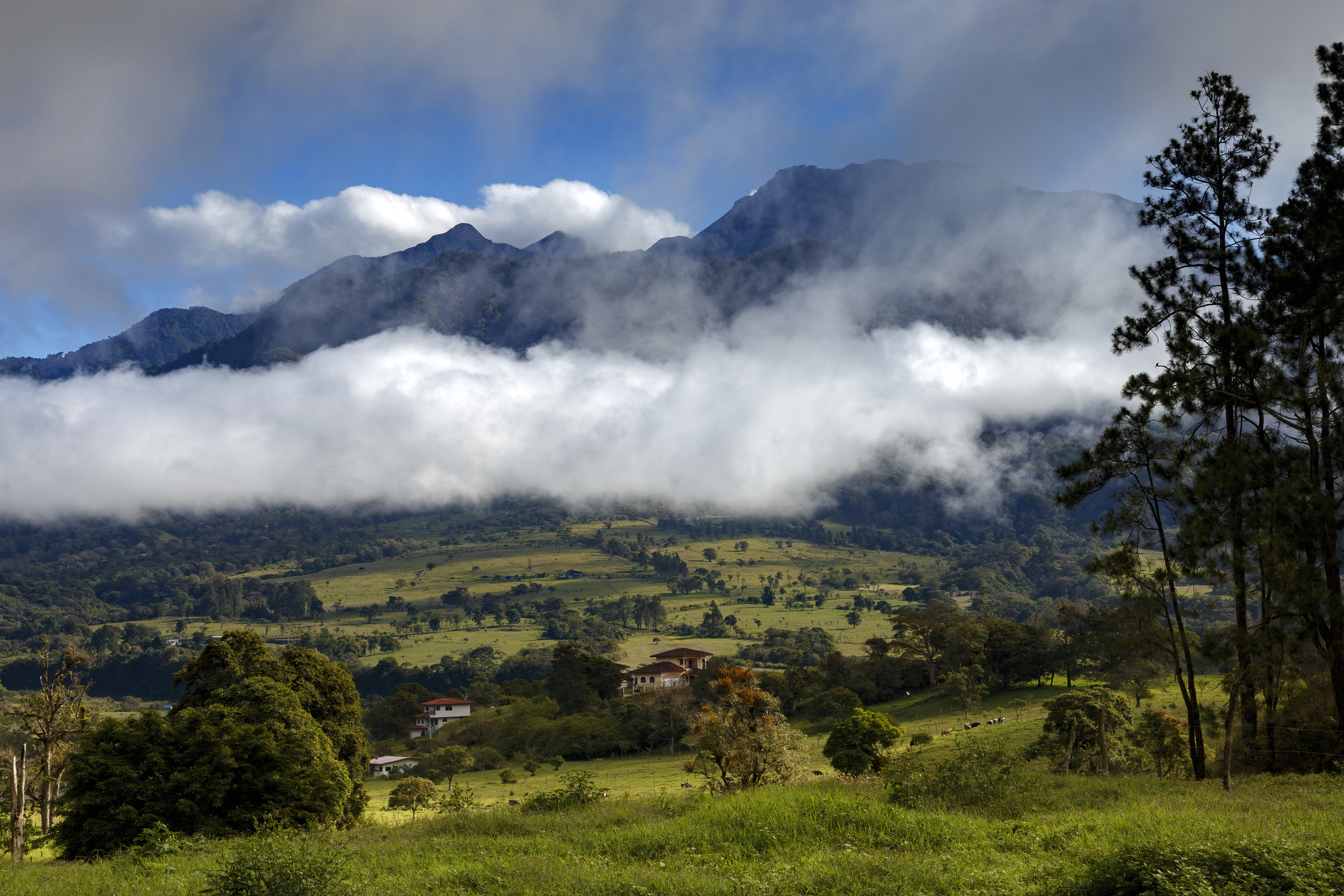
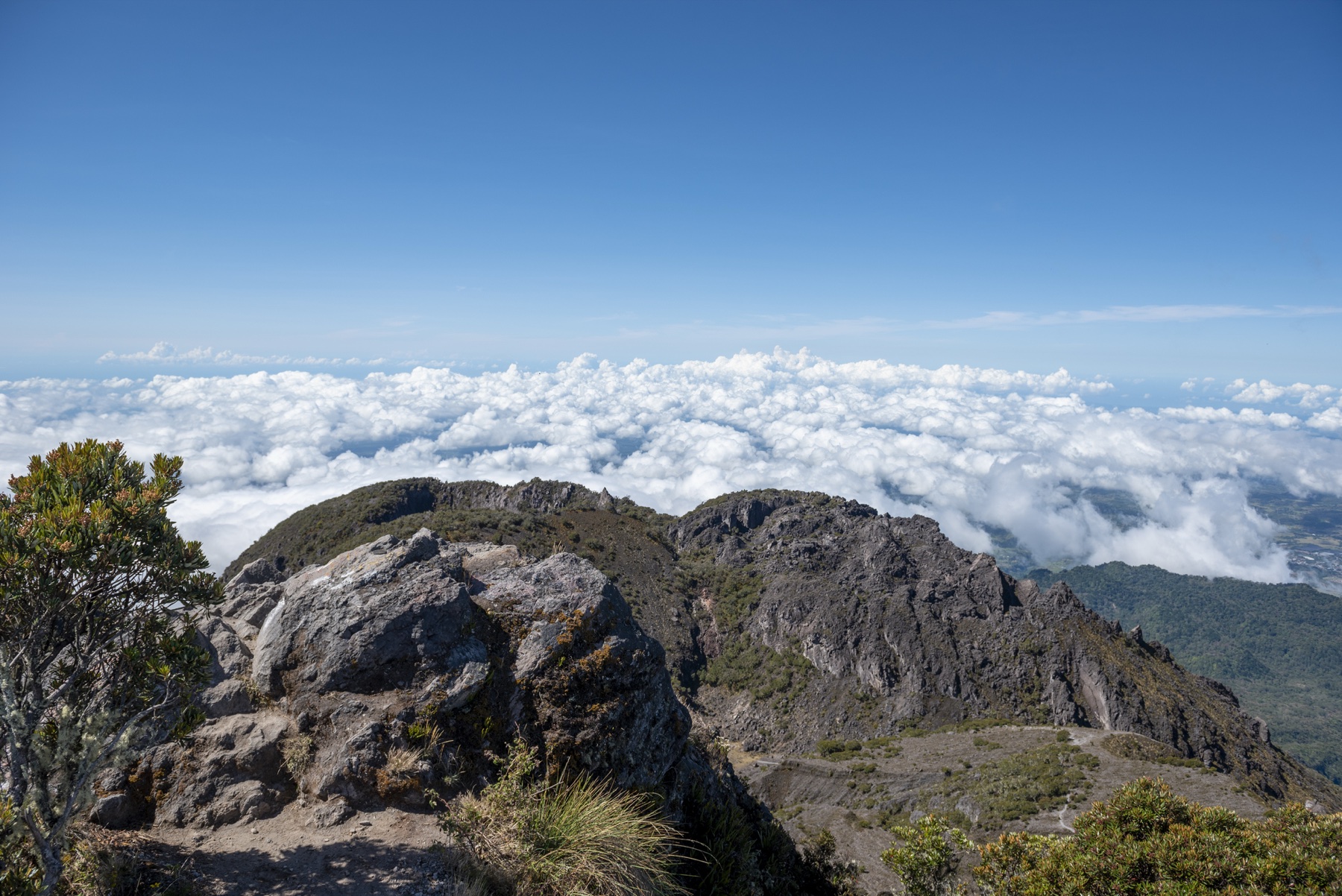
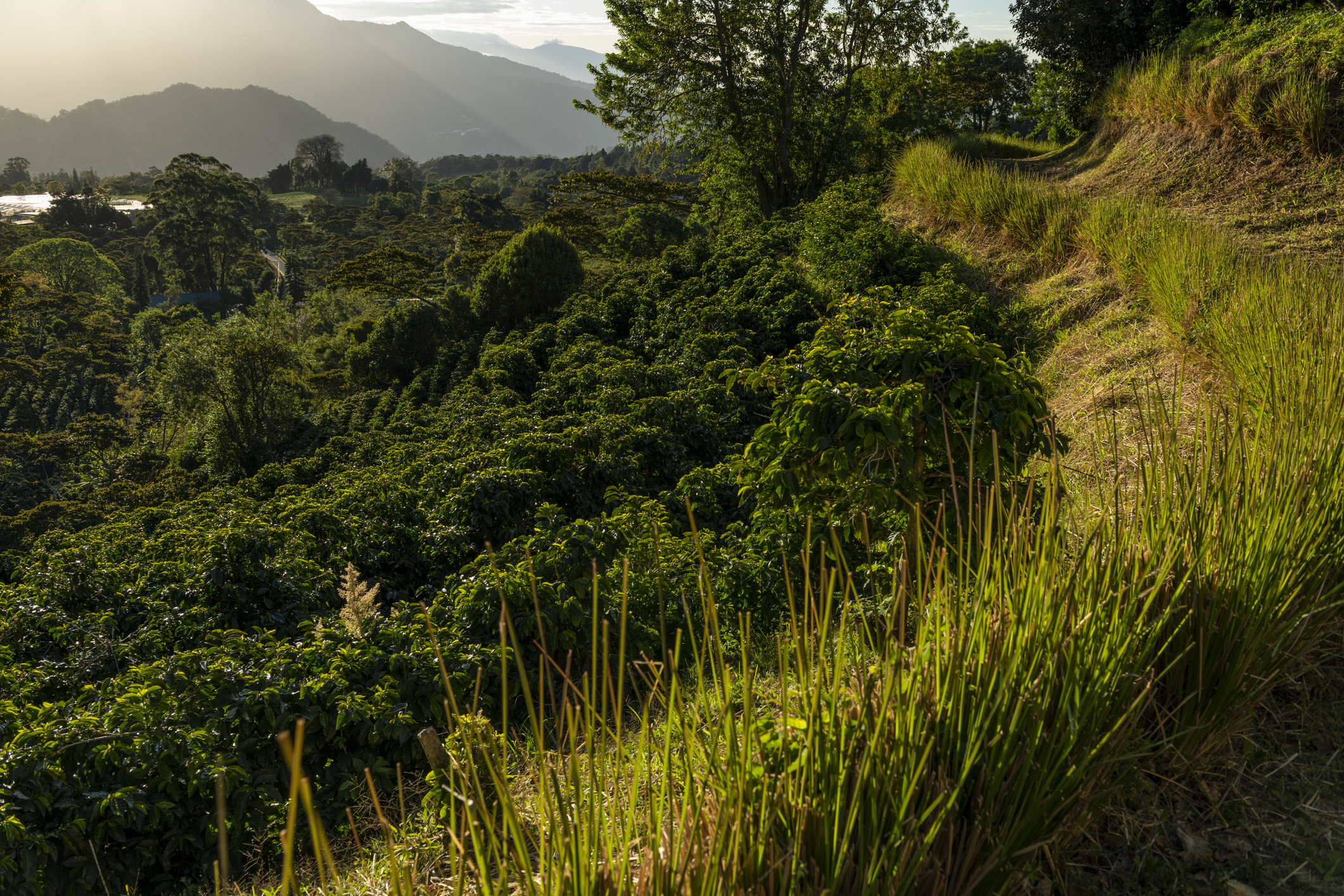
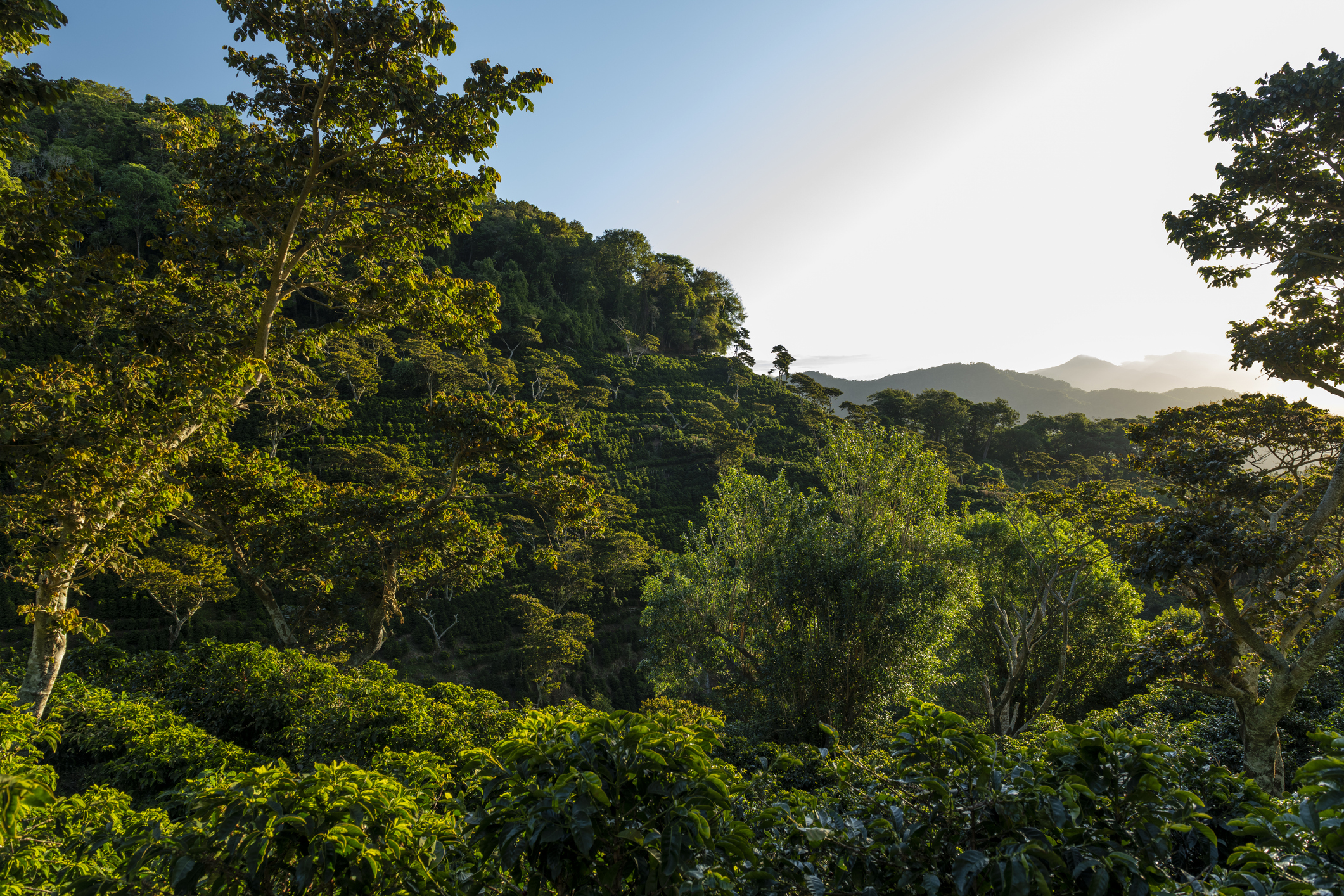
Panama coffee is often discussed as if it comes from one famous place, but the better way to read it is as a map of highland microregions. Most of the country’s specialty reputation is concentrated in western Chiriquí, around Volcán Barú and the borderlands near Costa Rica, where altitude, cloud cover, rainfall, wind, and volcanic soil shift quickly from valley to valley.
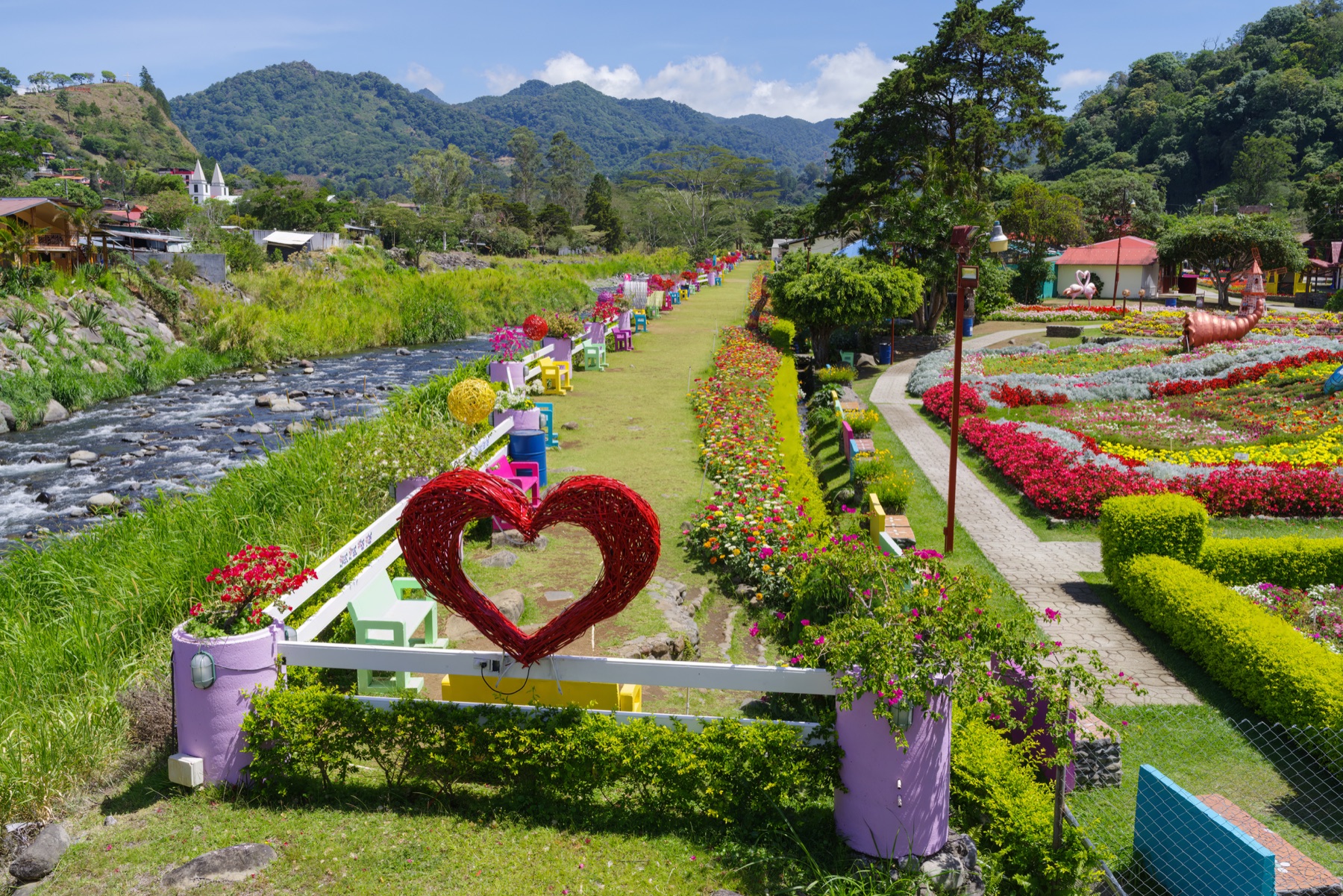
Boquete is the best-known name because it has the longest public coffee story. Its farms, tourism, tasting rooms, and competition history helped make Panama legible to the international specialty market. When Panama Geisha became globally famous, Boquete became the place many drinkers first associated with floral, tea-like, high-elevation coffee.
Volcán and the broader Tierras Altas side of Barú developed differently. The area has long been known as part of Panama’s agricultural breadbasket, with vegetables, flowers, dairy, and coffee sharing the cool highland climate. Over time, producers there have pushed deeper into specialty lots, Geisha selections, and careful processing, showing that the western side of the mountain can produce coffees with its own structure, sweetness, and aromatic lift.
Renacimiento, including areas such as Santa Clara and Río Sereno, sits closer to the Costa Rican border and often feels quieter in the public imagination. The region has become increasingly important for farms working with forest, altitude, biodiversity, and distinct small-lot profiles.
Paso Ancho and Cerro Punta add another layer to the map. These cooler highland areas are tied to the same agricultural world that makes Tierras Altas so productive, but their elevation, temperature, and proximity to Barú create different growing conditions. They are not always discussed with the same shorthand as Boquete, yet they help explain why Panama’s coffee identity is not a single valley story.