
Elevation
High-Altitude Coffee, Explained
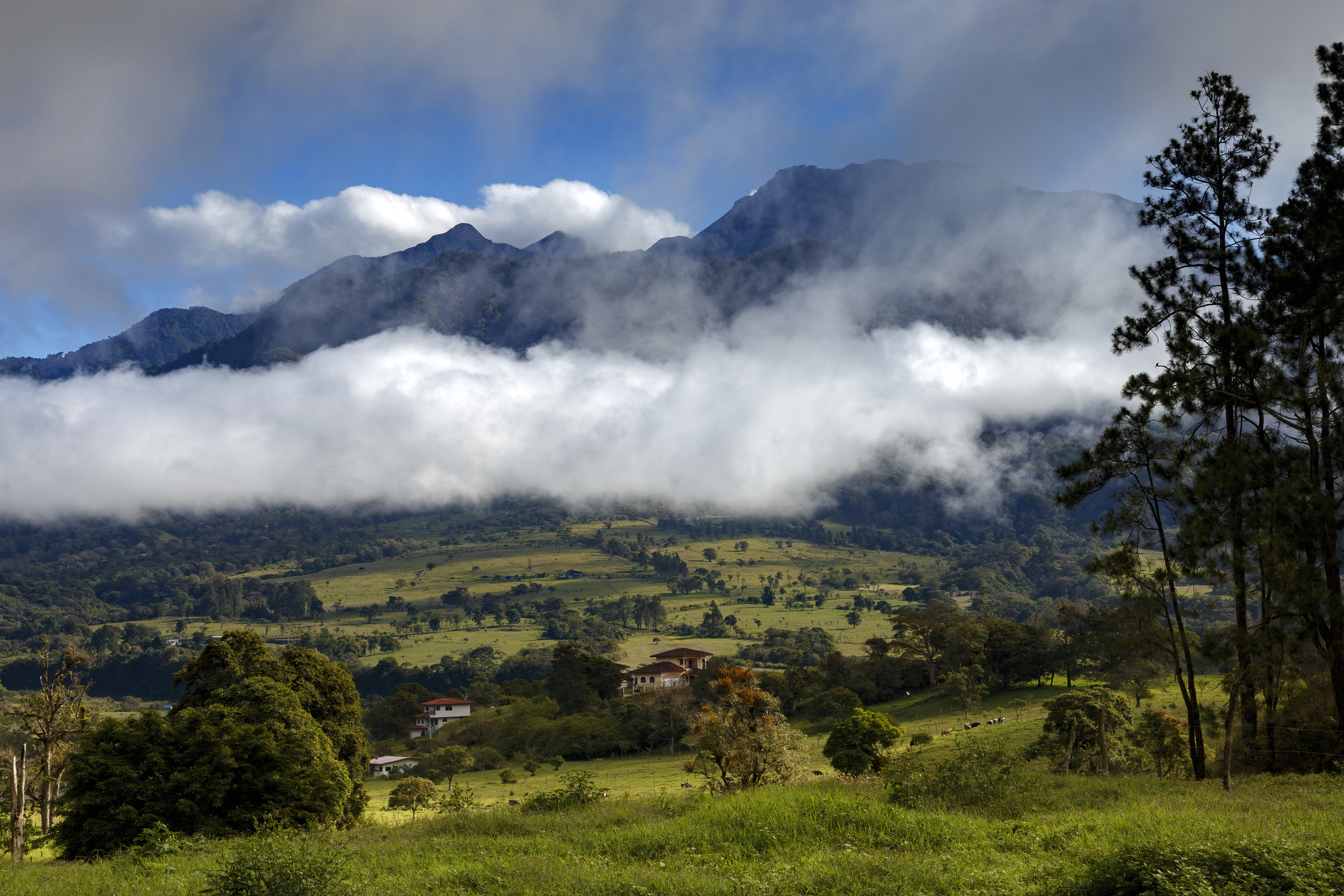
High-altitude coffee usually means coffee grown around 1,000 meters above sea level or higher. The number is useful, but it is not magic. Elevation matters because it changes the climate around the plant: cooler air, stronger day-night temperature shifts, slower ripening, and often more layered acidity and aroma.
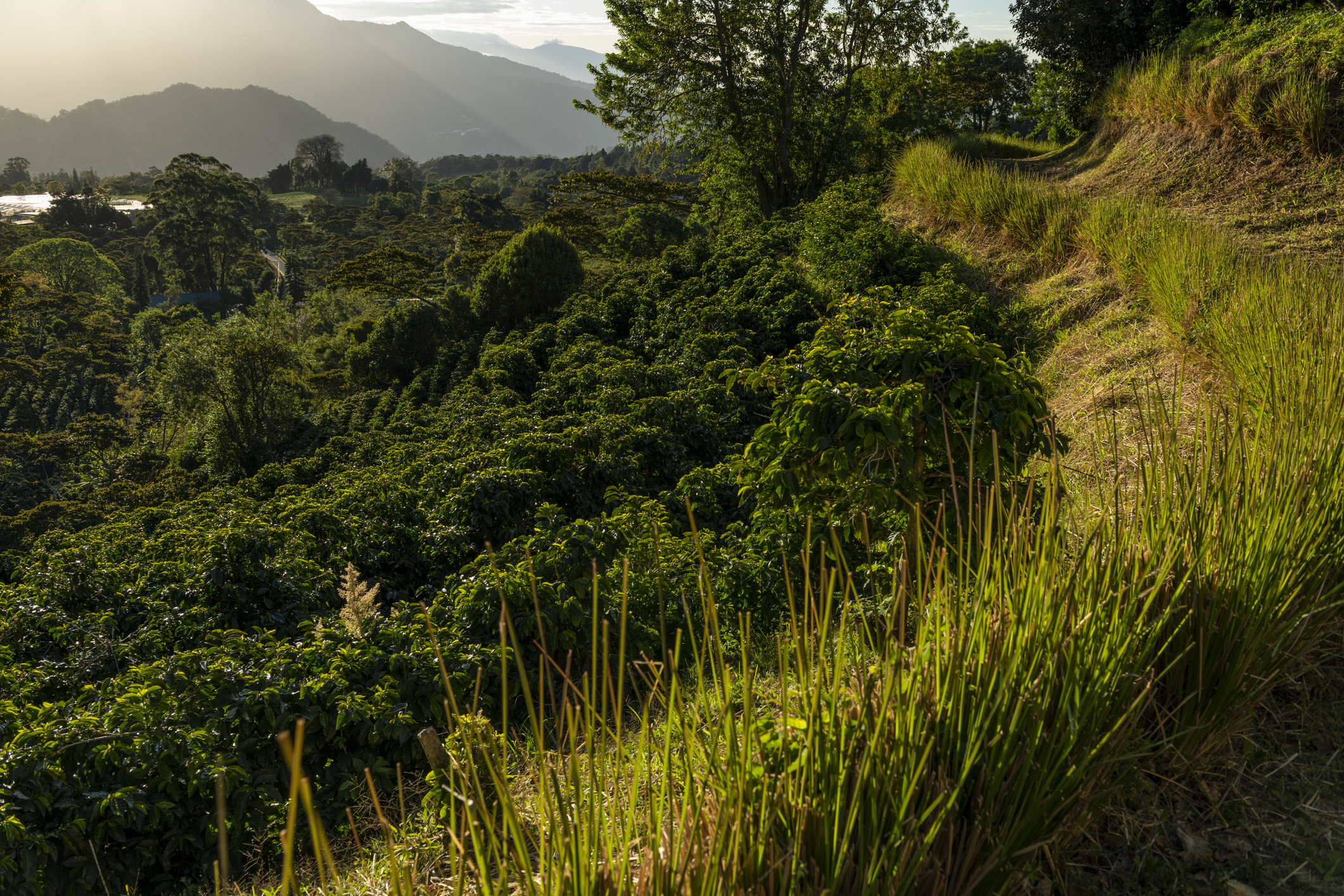
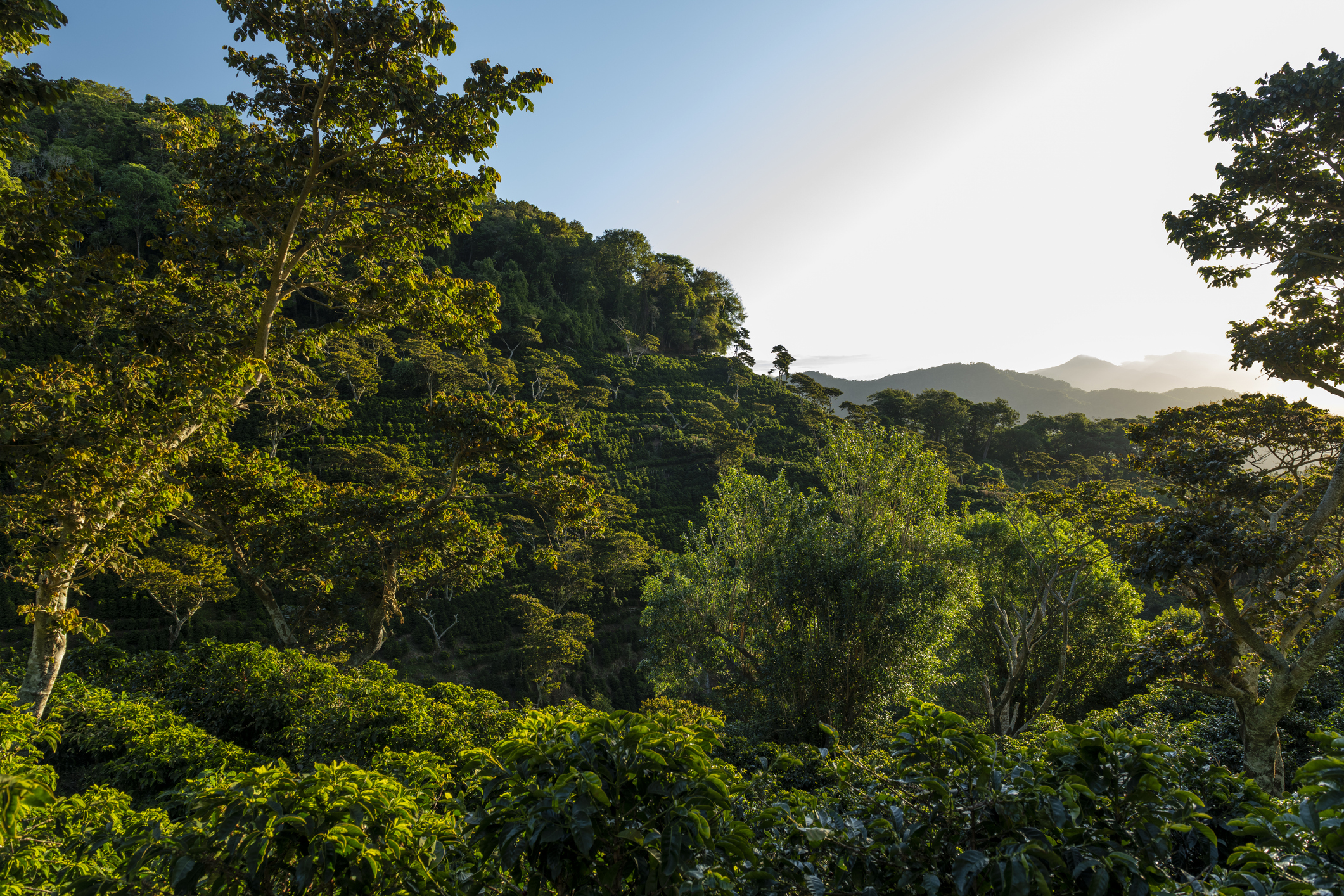
Coffee is a tropical plant, but high-elevation tropical coffee does not feel like lowland tropical farming. A lowland site may be hot, humid, and fast-growing. A highland site can be bright during the day, cool at night, windy, misty, and much slower in how the fruit matures. That slower pace gives cherries more time to build sweetness, structure, and aromatic complexity.
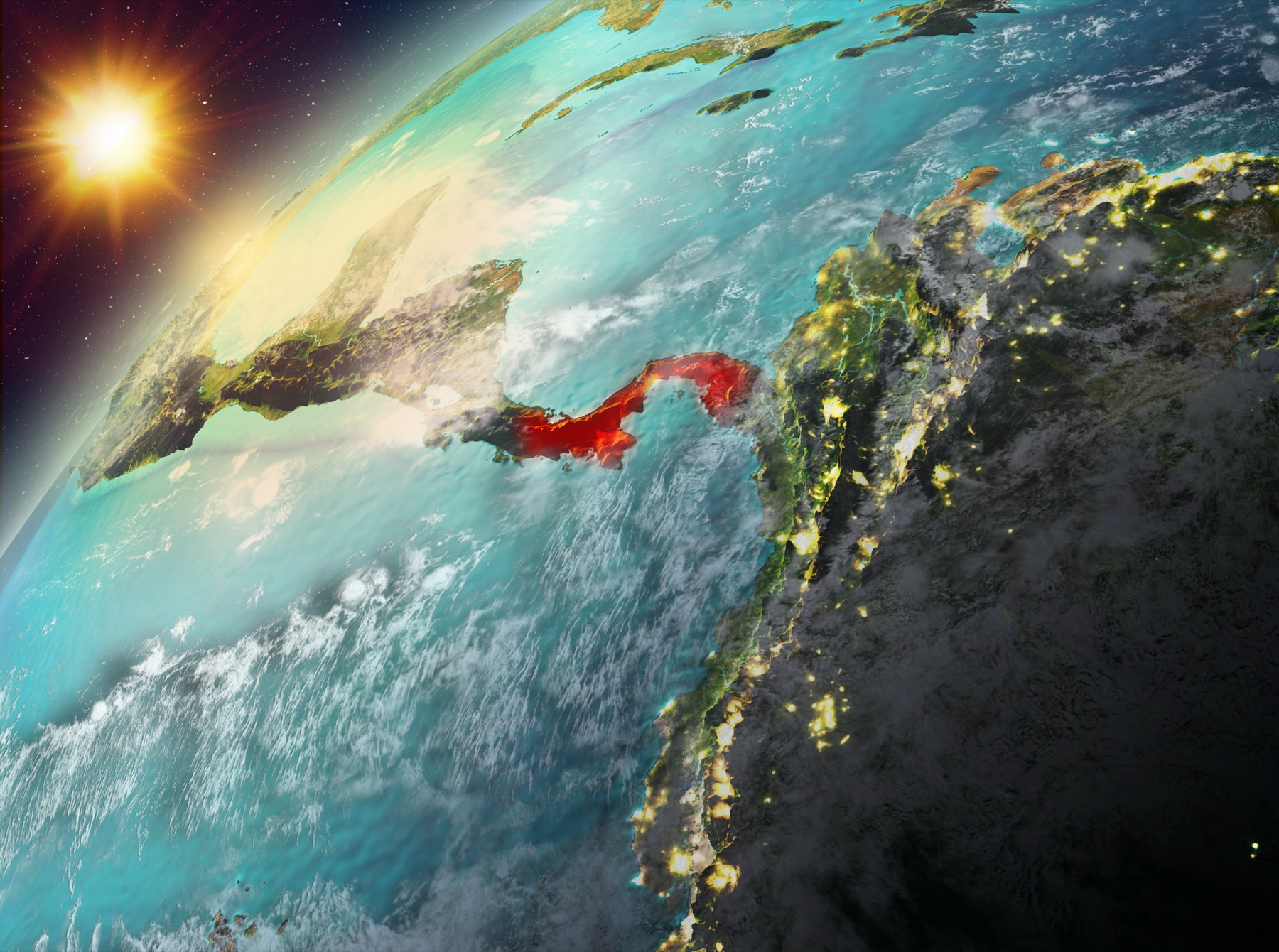
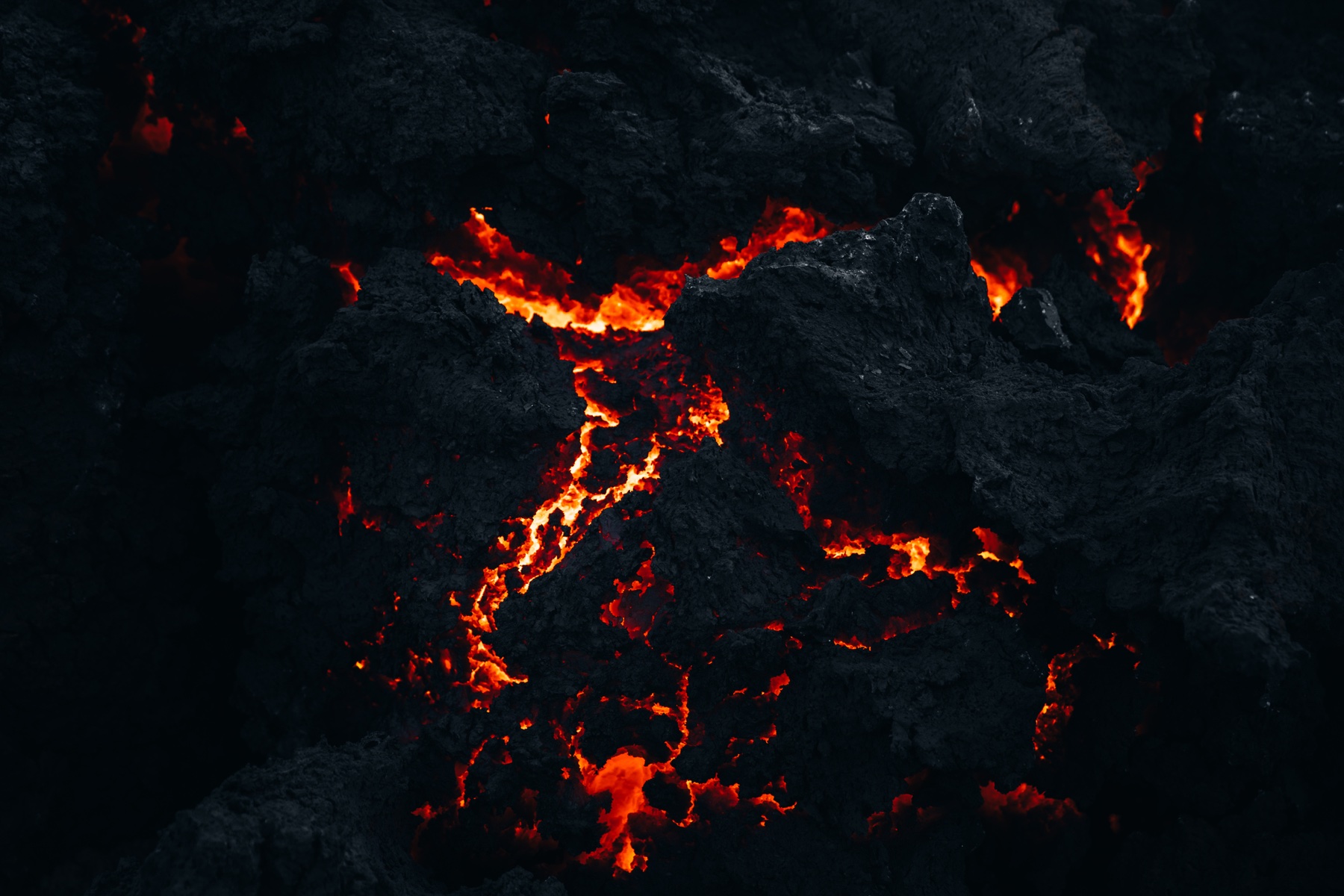
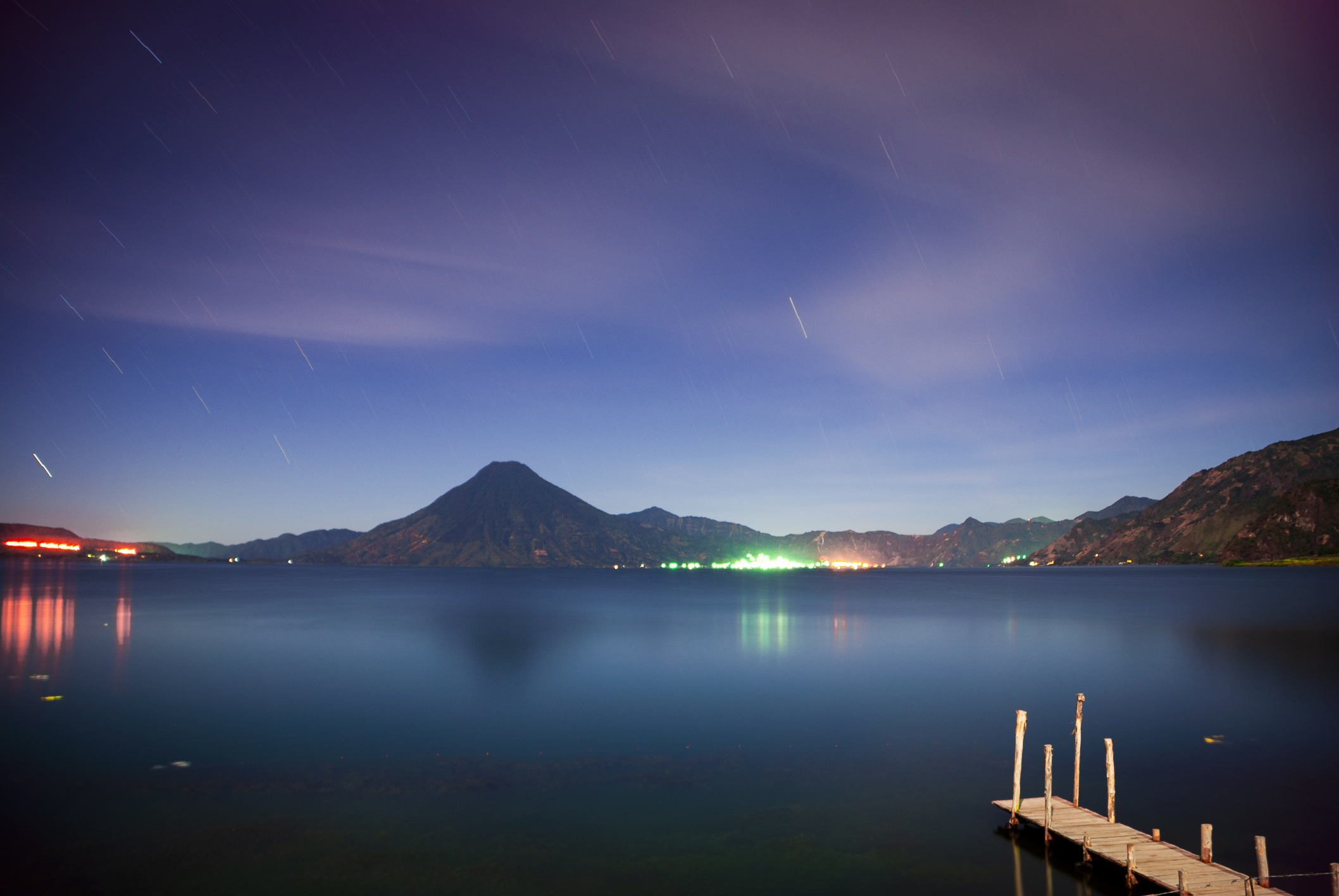
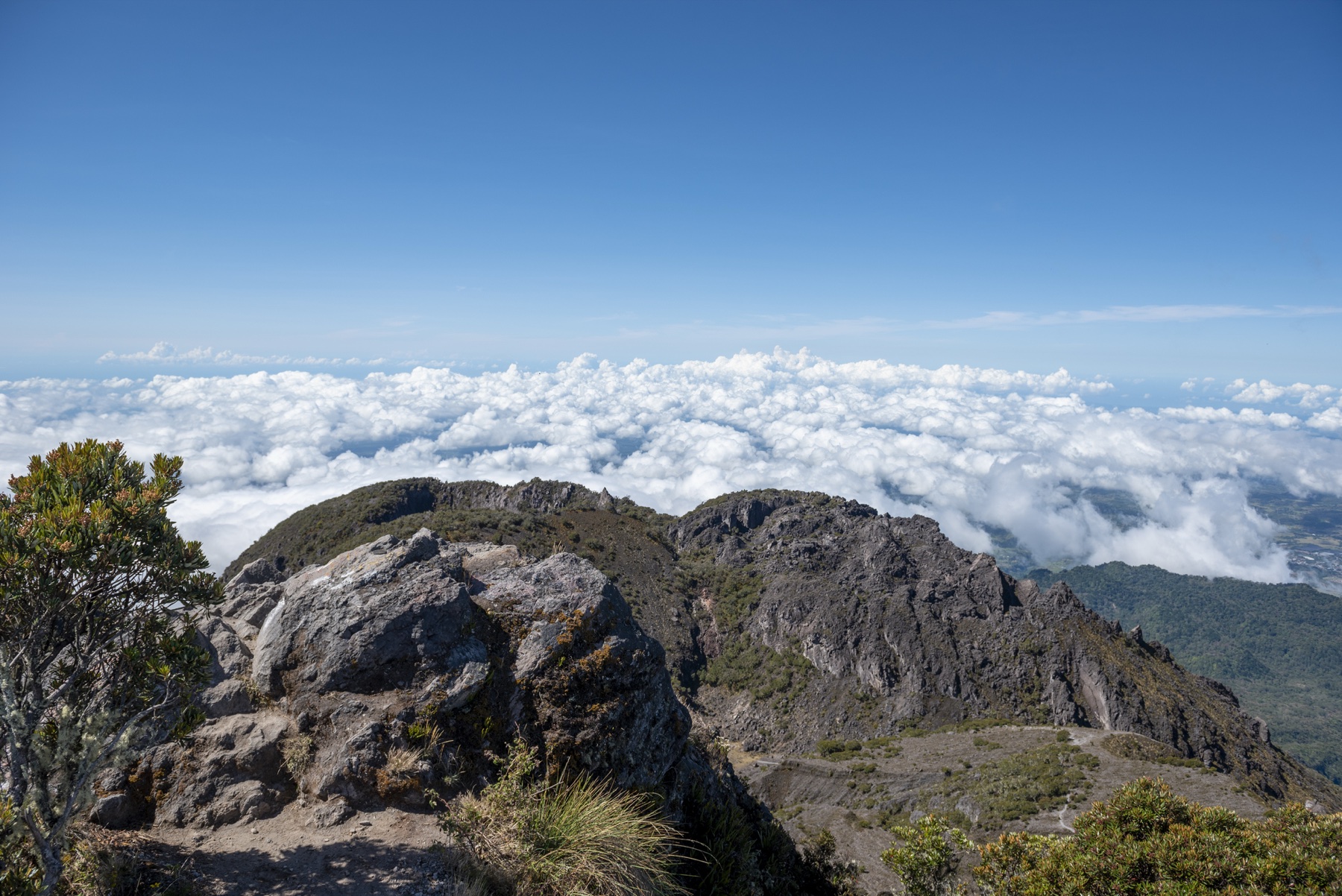
Many famous high-altitude coffee regions are volcanic because volcanoes and volcanic mountain chains create elevation inside the tropics. The volcano is not a guarantee of flavor, but volcanic landscapes often bring steep slopes, drainage, mineral-rich soils, and microclimates that can support expressive coffee when farming and processing are careful.
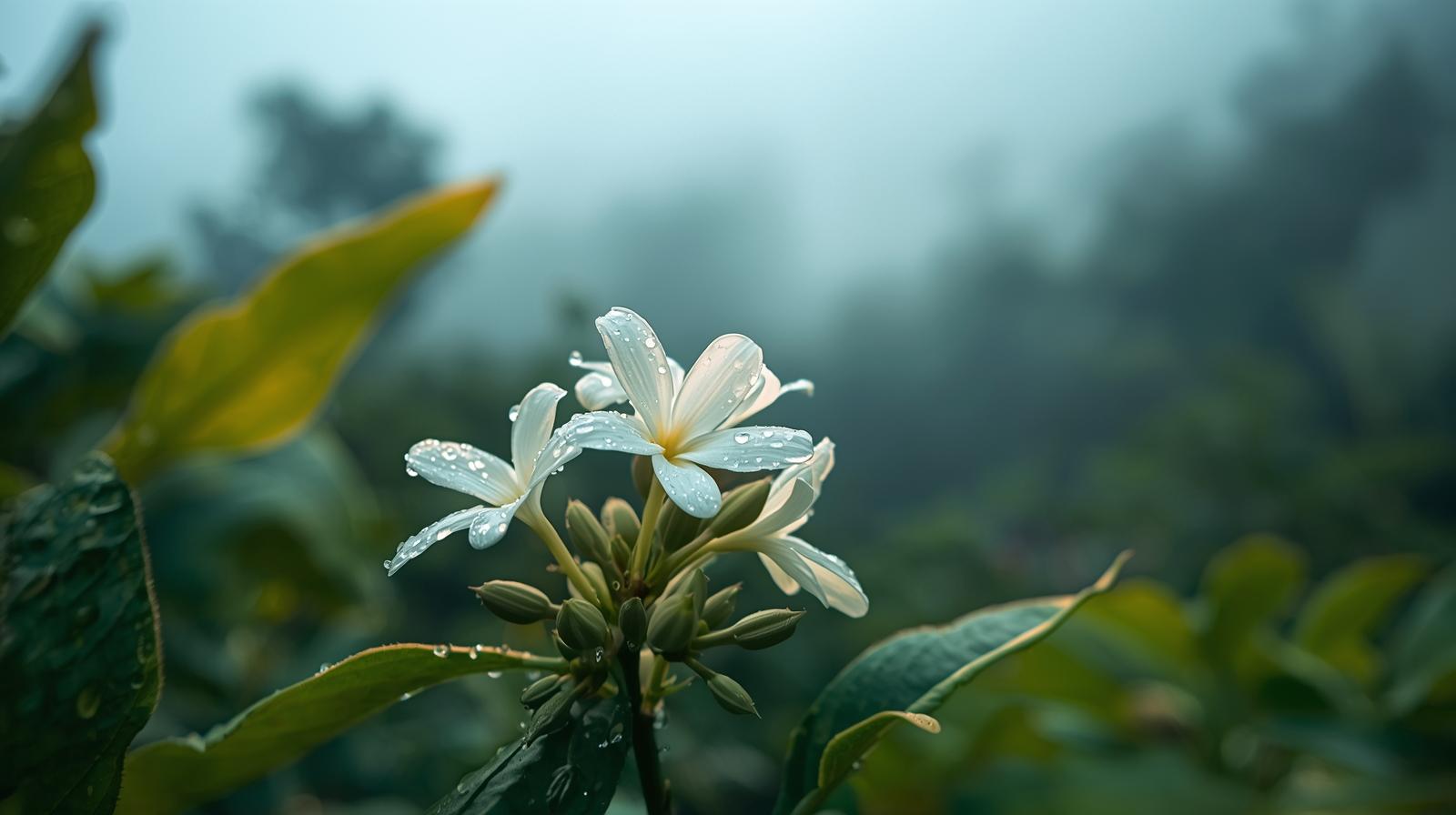
Variety also matters. Geisha often shows its most elegant, floral, tea-like side at higher elevations, commonly around 1,500 meters and above when the site is suitable. Other varieties can be excellent at lower highland elevations and can also perform beautifully higher up, depending on the farm, climate, and producer decisions.