
Climate
The Climate Behind Panama Specialty Coffee
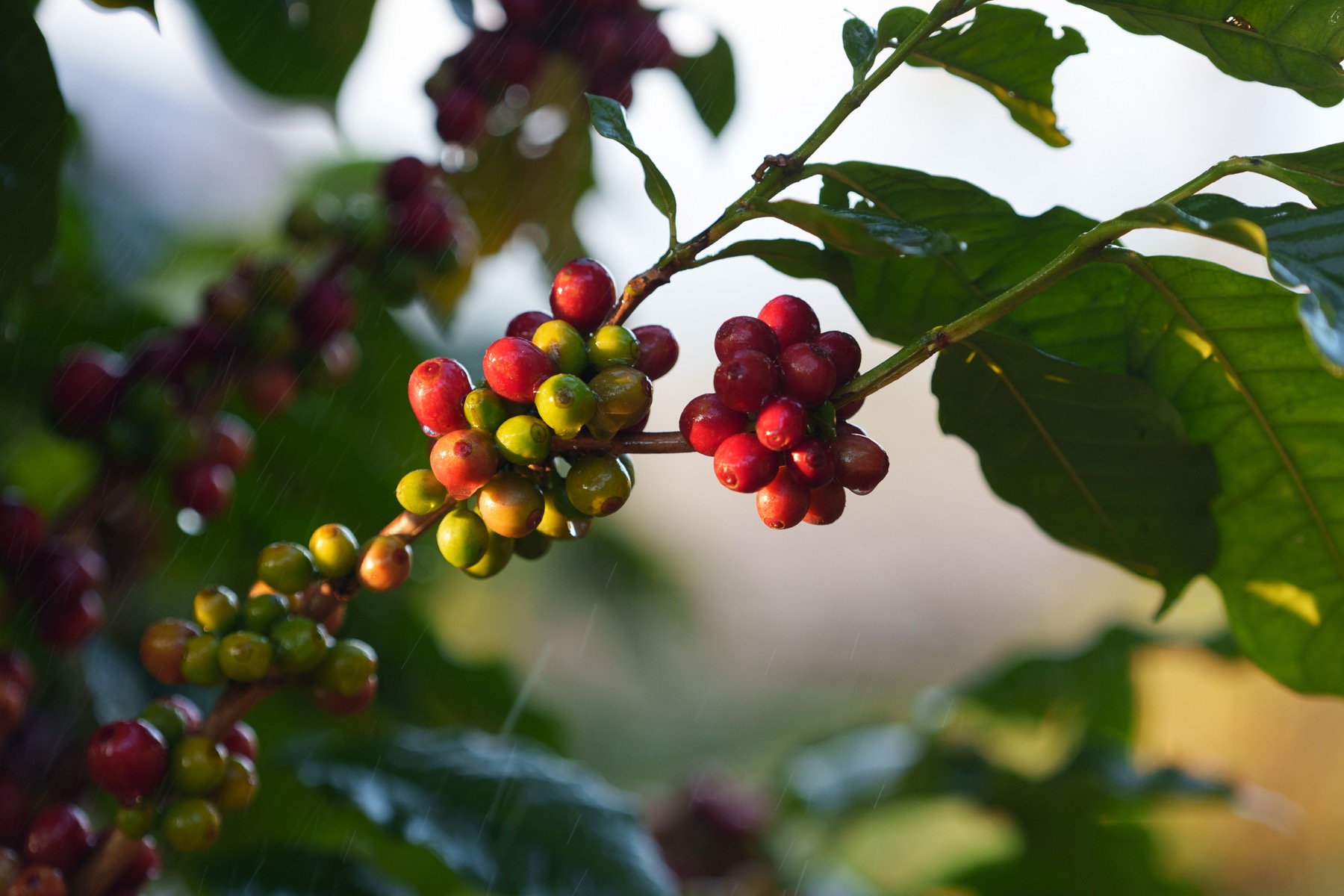
Coffee is agricultural, which means climate is never background. Rain decides growth rhythm, wind shapes stress, cloud cover changes light, and cool nights influence how slowly fruit matures.
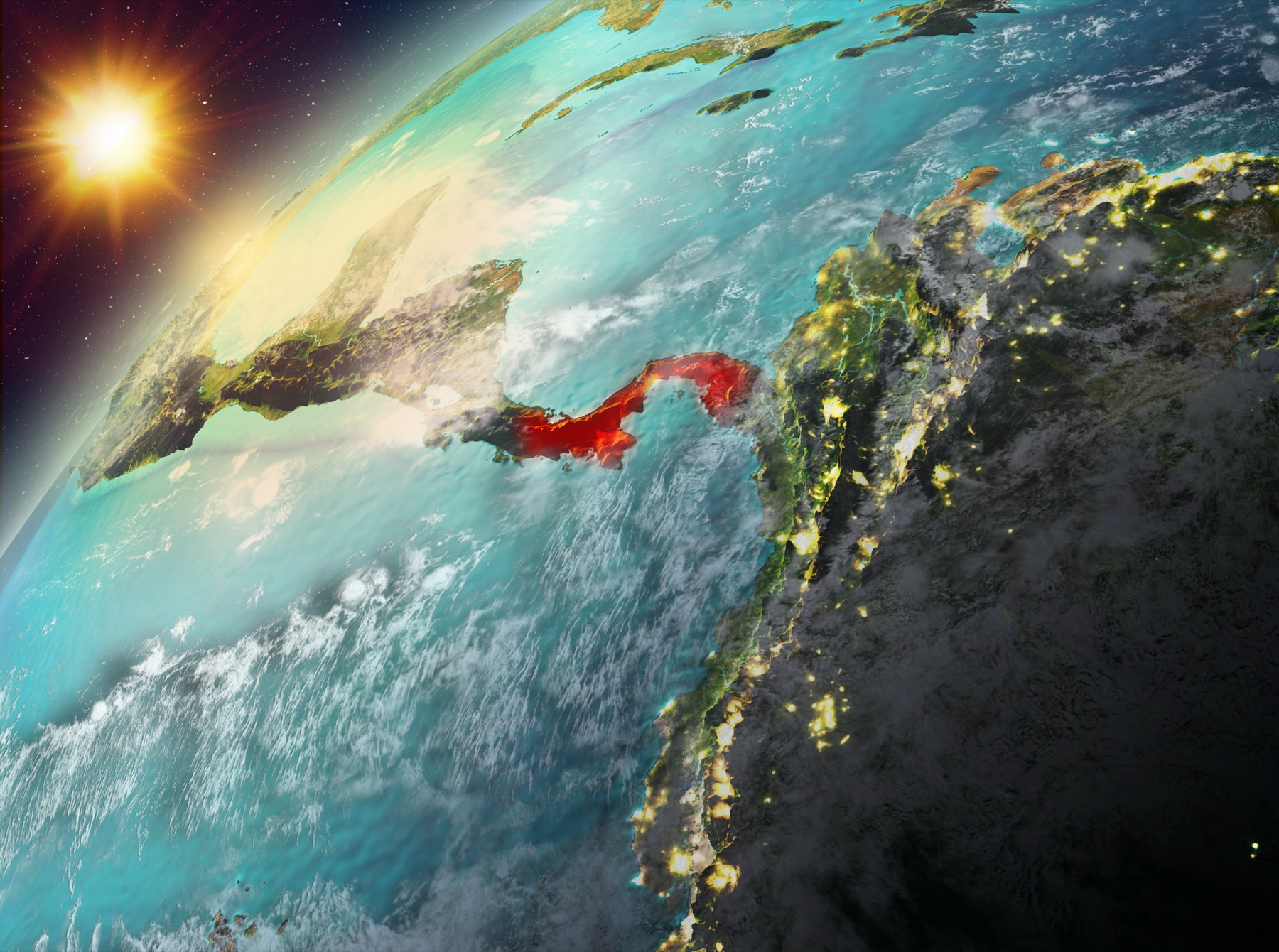
Panama has two seasons rather than four. The rainy season runs roughly May through November, and the dry season — called verano, meaning summer — runs December through April, even though technically these months fall in the calendar's winter. The naming reflects how Panamanians actually experience the year: verano is the bright, dry, windy stretch when schools release students for extended breaks so families can enjoy the weather. The Pacific side, where the major coffee-growing highlands sit, runs noticeably drier than the Caribbean side during verano, with clearer skies and more concentrated sun hours.
This seasonal rhythm shapes coffee directly. The rainy season drives flowering and cherry development. The dry verano concentrates sugars as cherries ripen and provides the conditions producers need for careful sun-drying on raised beds. Pacific-side highlands catch the trade winds that sweep across the continental divide, giving farms consistent afternoon breezes that moderate humidity and reduce disease pressure without stressing the plants.
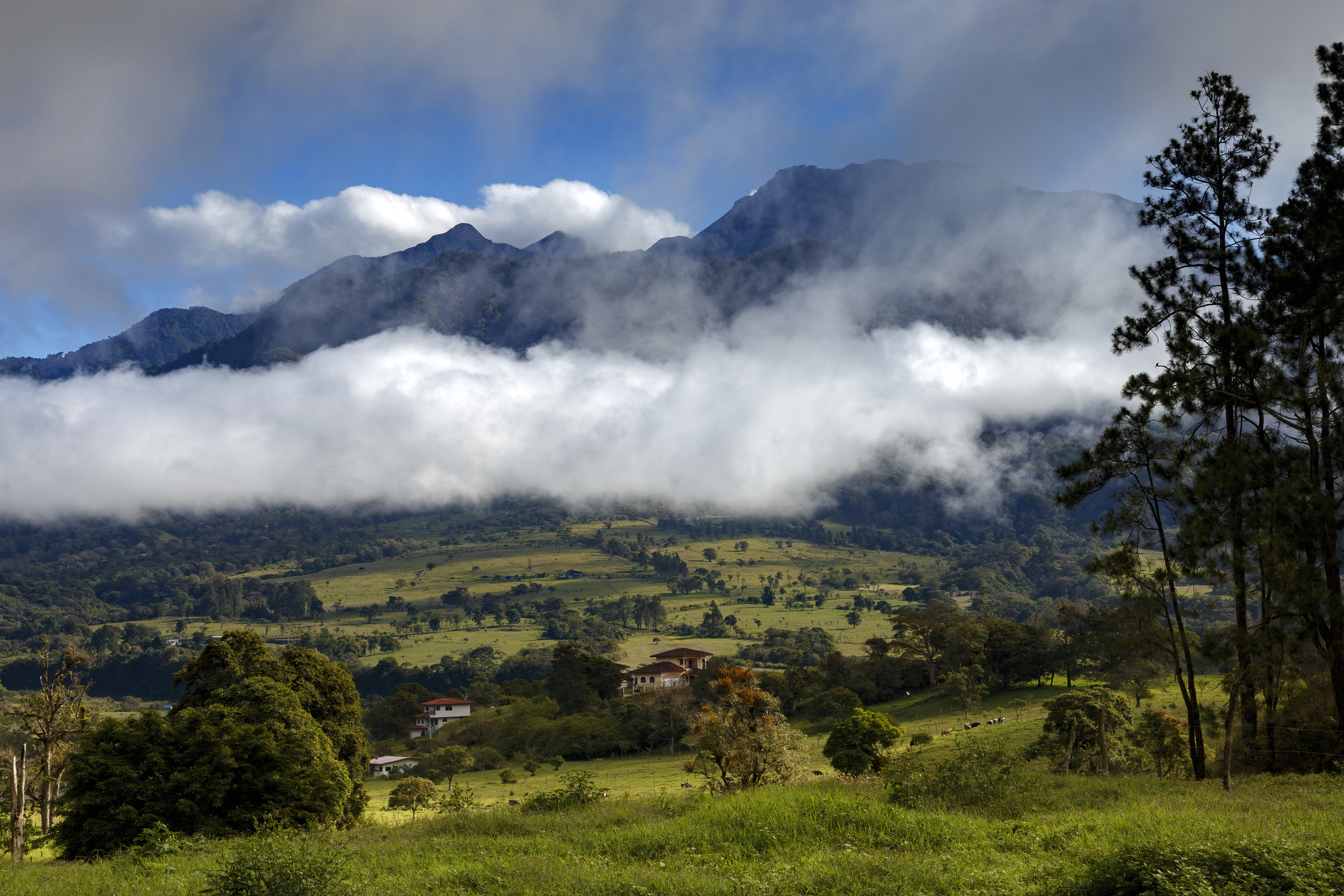
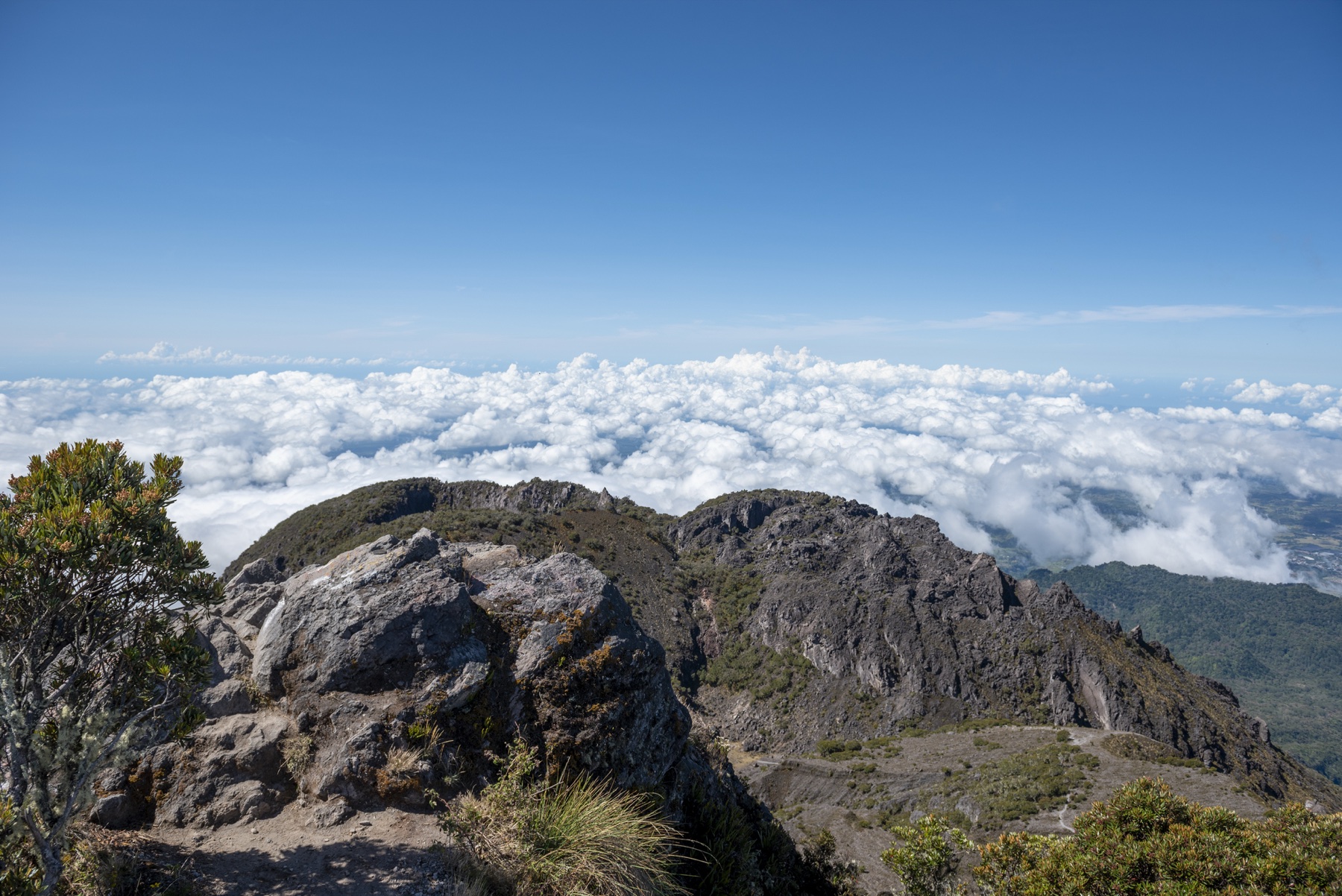
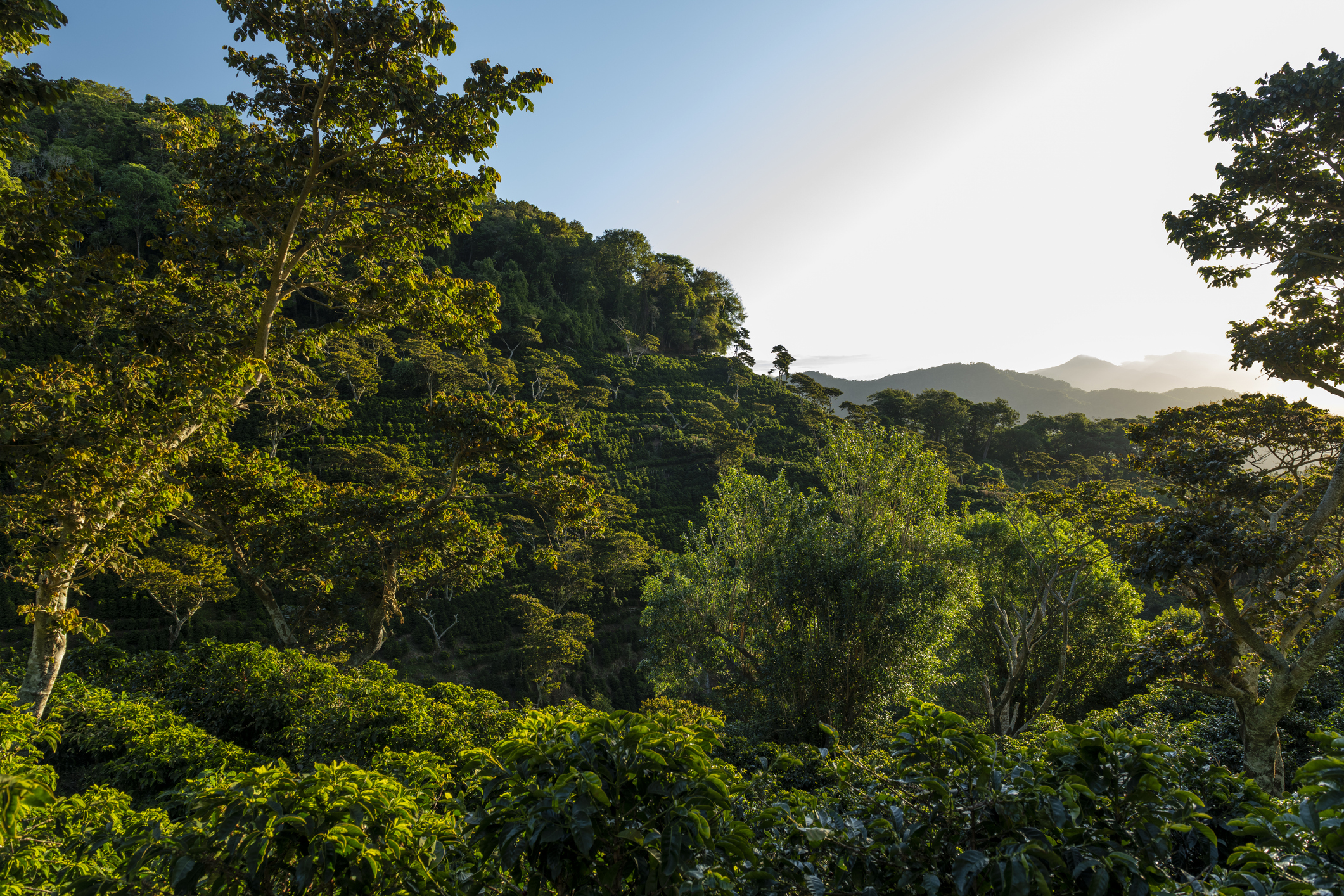
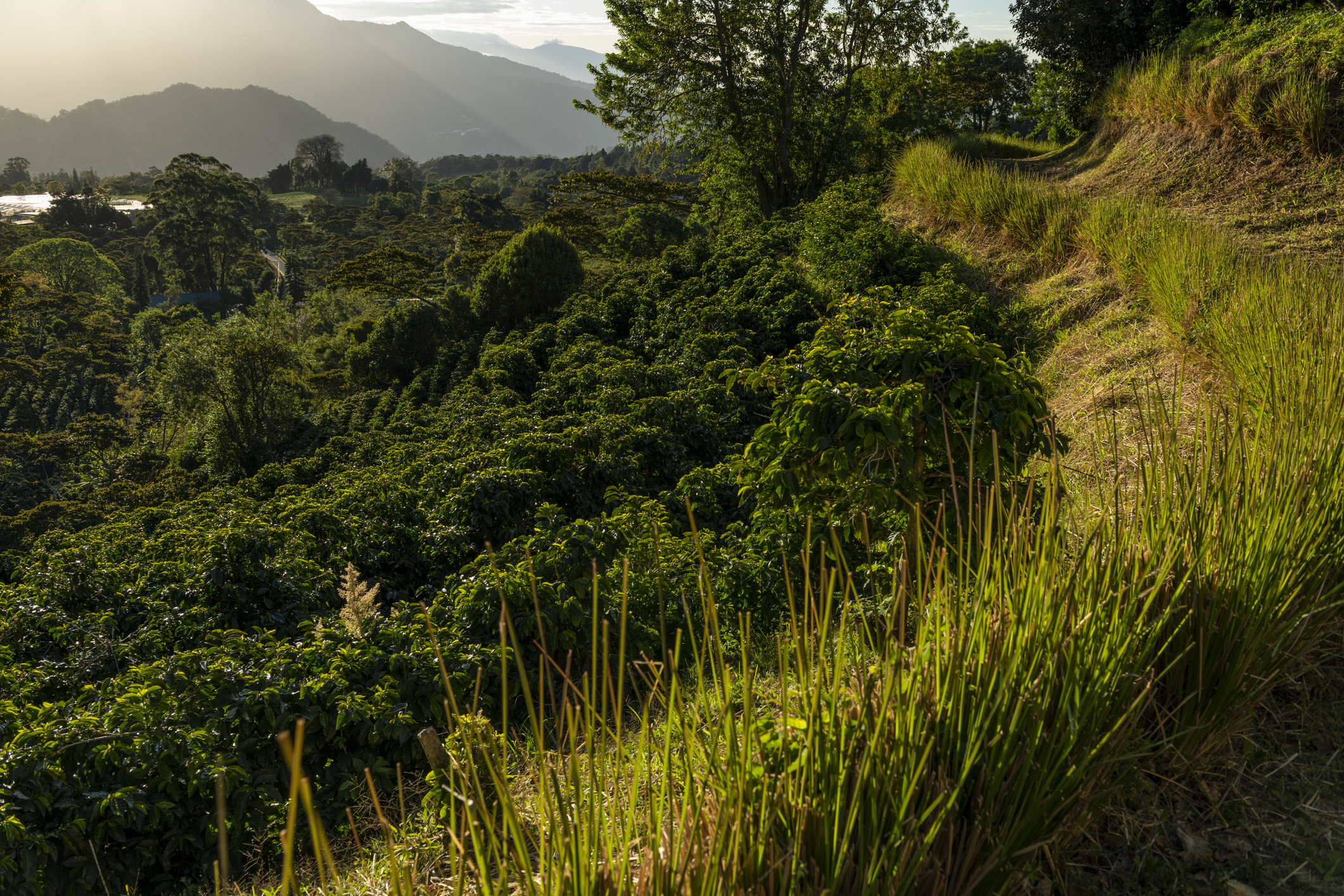
In Panama's highlands, these forces sit close together across a single day. A farm may experience bright morning sun, afternoon mist rolling up from the Pacific, and evening coolness dropping to around 10-15°C (50-59°F) at elevation. The plant responds to each shift, and the cherries that result carry the layered environment in their composition.
That complexity is part of why Panama specialty coffee can feel so dimensional. The climate does not simplify the cup; it gives the coffee more ways to speak.