
Panama Positioning
What Makes Panama Coffee Different?
Panama coffee is not one thing. It can be floral and tea-like, deep and structured, bright and citrusy, or quietly sweet, depending on where it is grown and how it is handled after harvest.
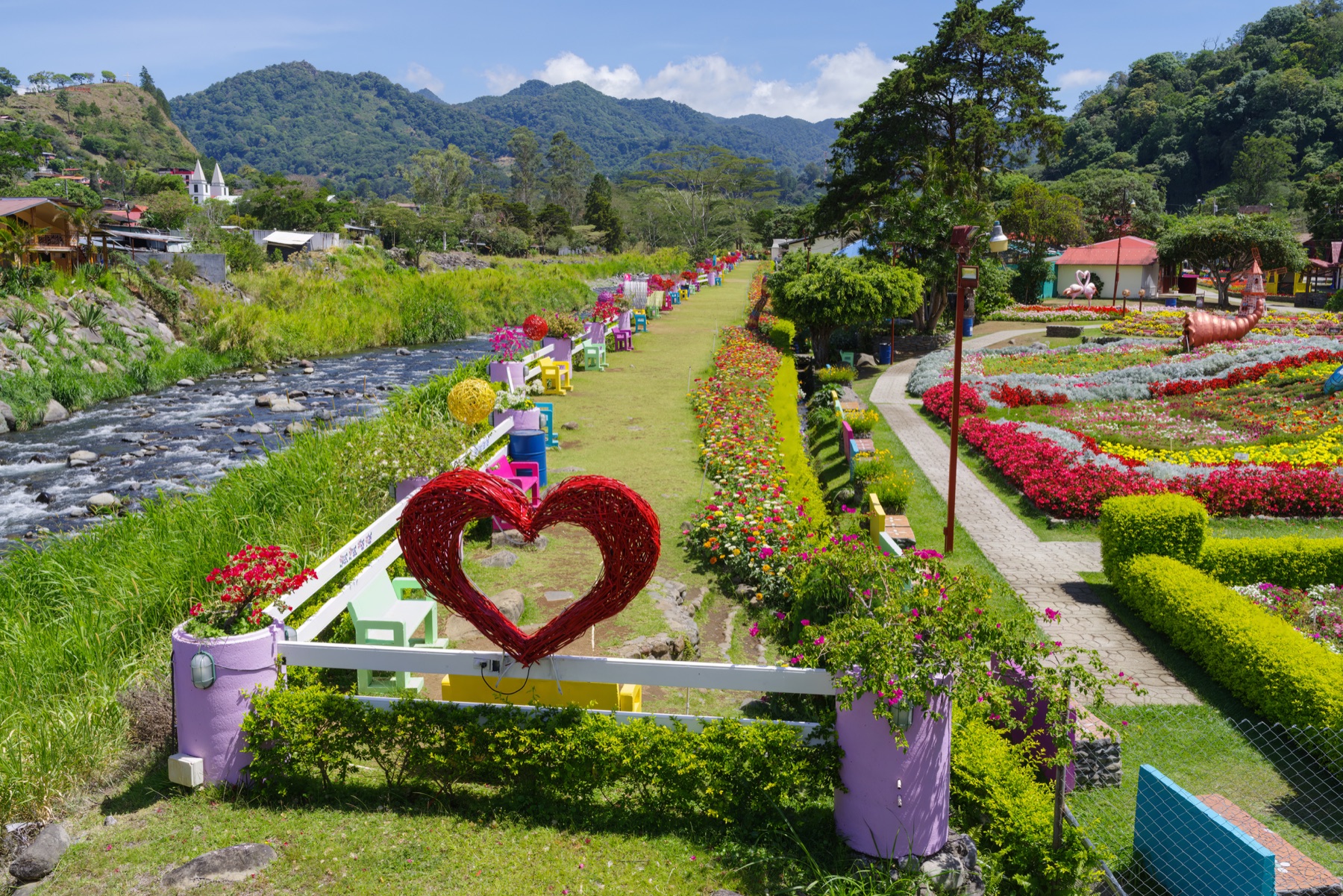
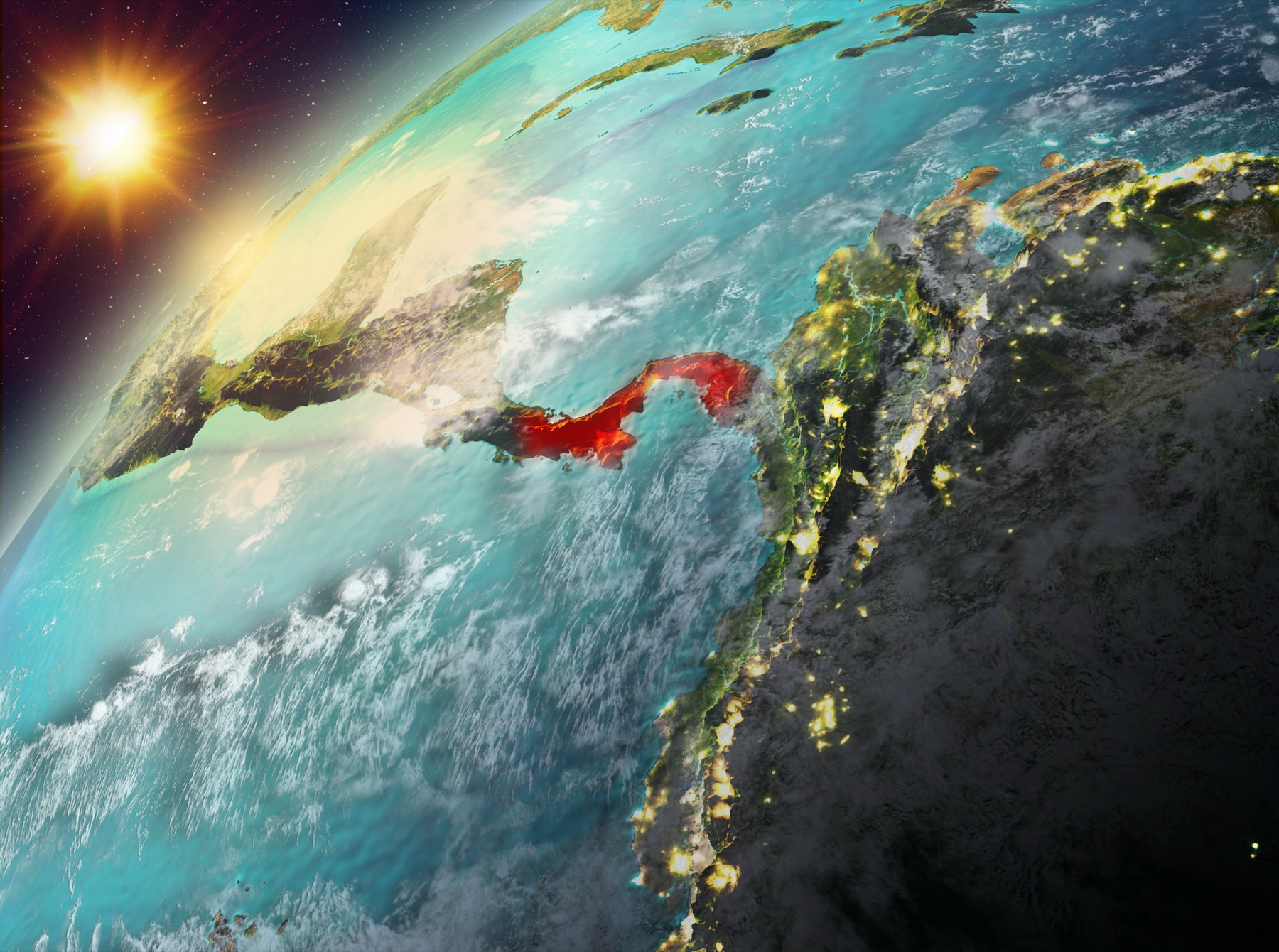
Part of the difference begins with the country itself. Panama is an isthmus: a narrow land bridge between North and South America, with the Caribbean Sea on one side and the Pacific Ocean on the other. Few coffee origins compress that much geography into such a small distance.
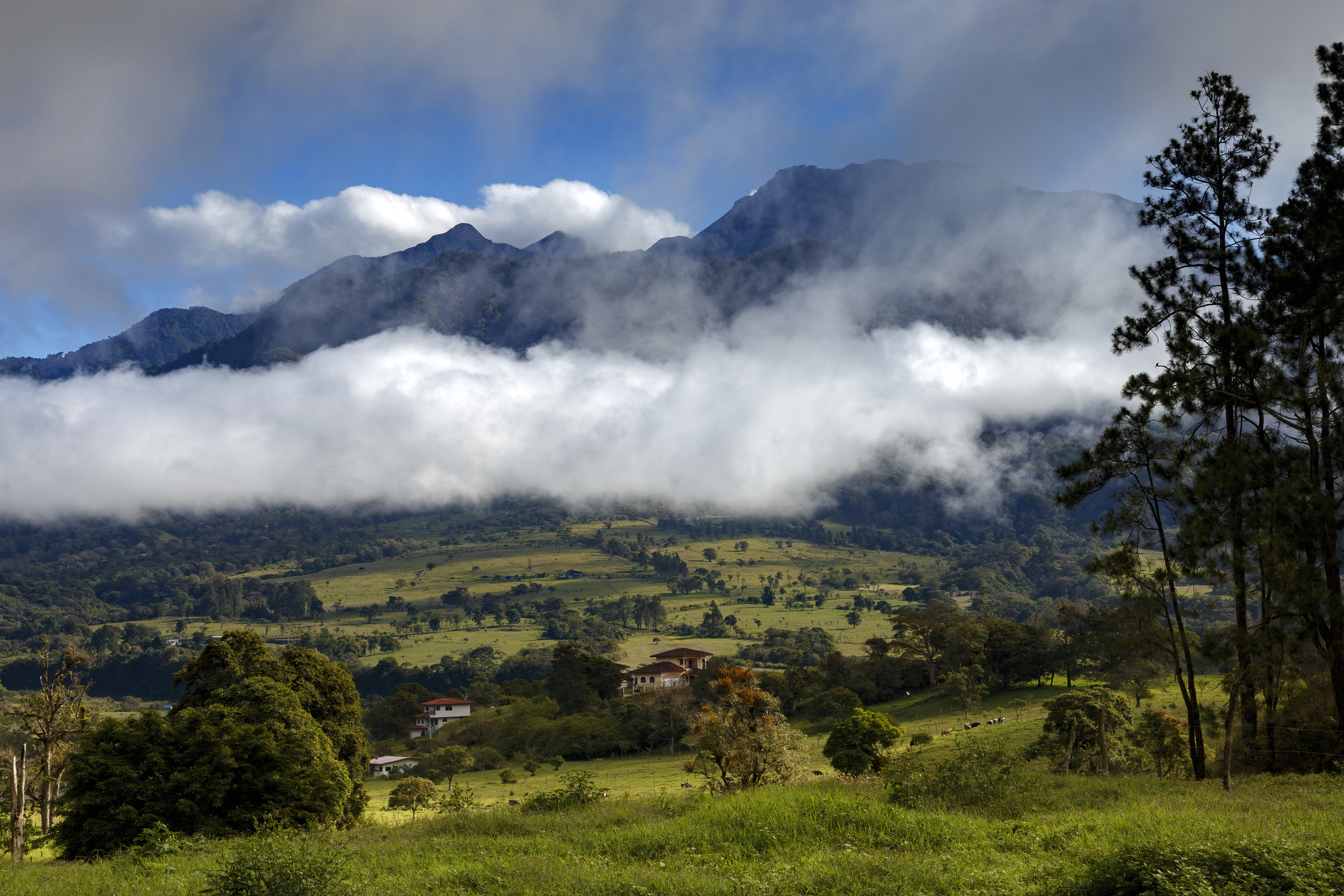
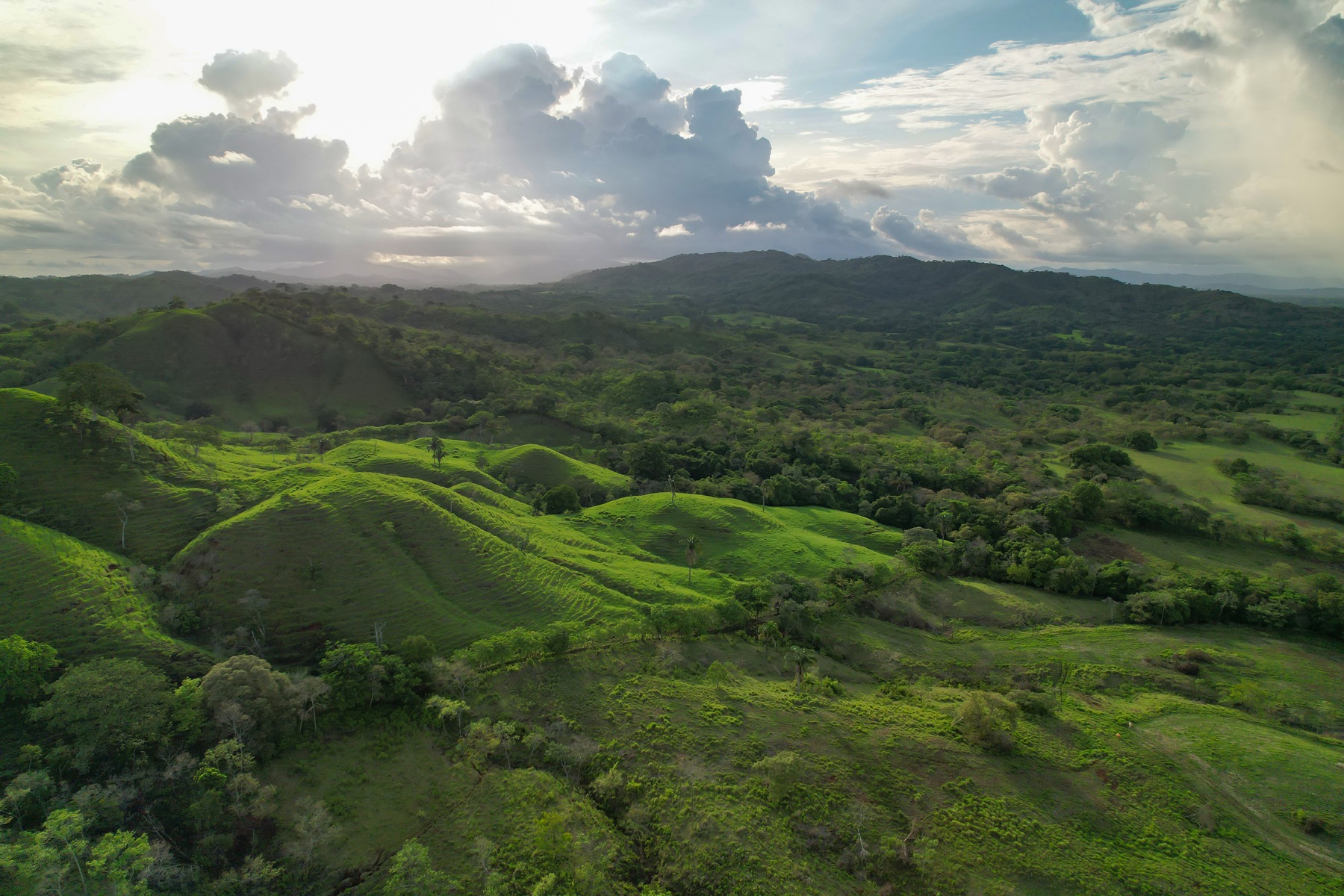
That shape matters. Two oceans influence rainfall, wind, humidity, cloud cover, and temperature. A central mountain spine interrupts those patterns, creating sharp changes from one valley or slope to the next. In coffee terms, that means microclimates can sit surprisingly close together while producing very different expressions in the cup.
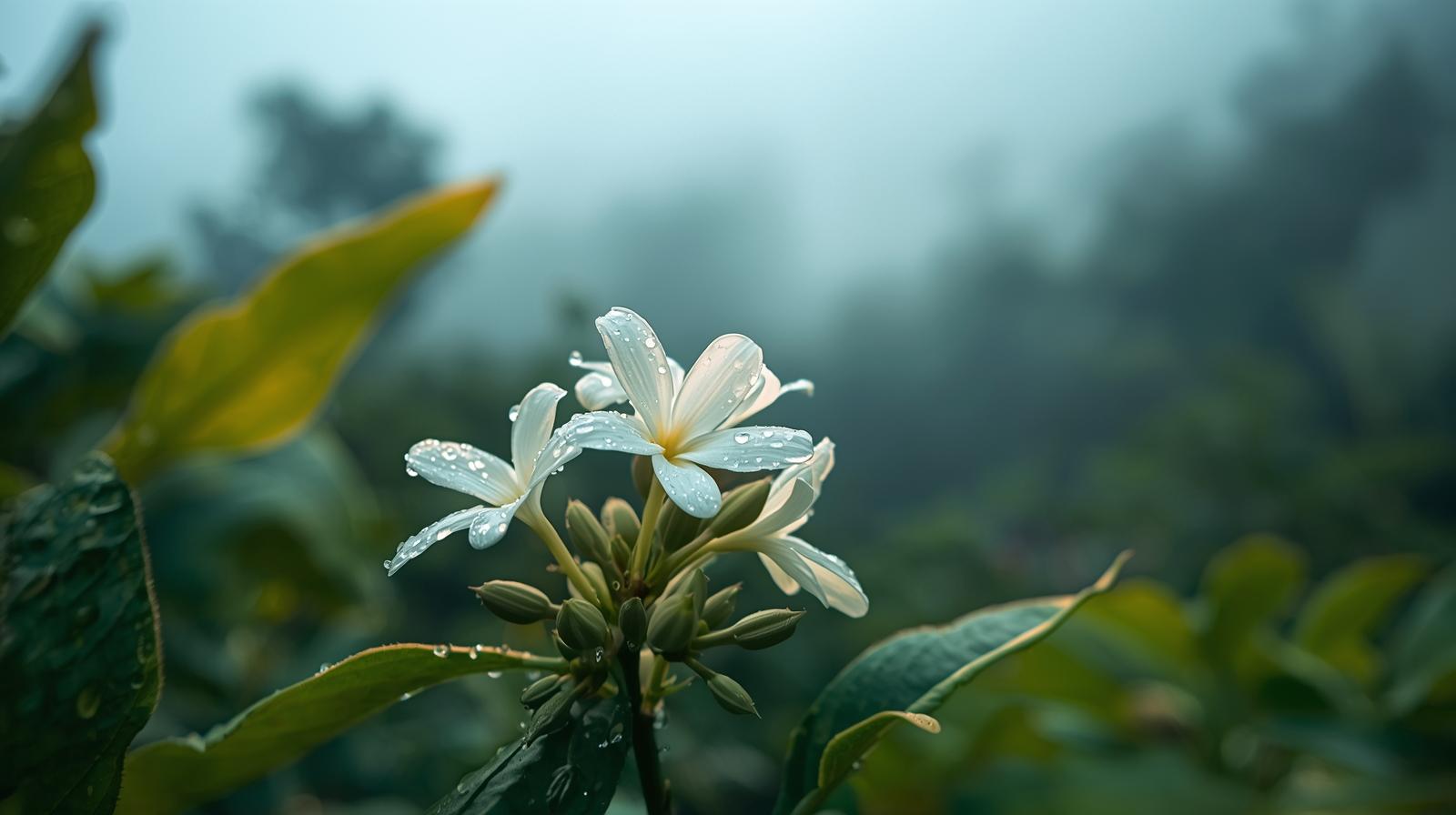
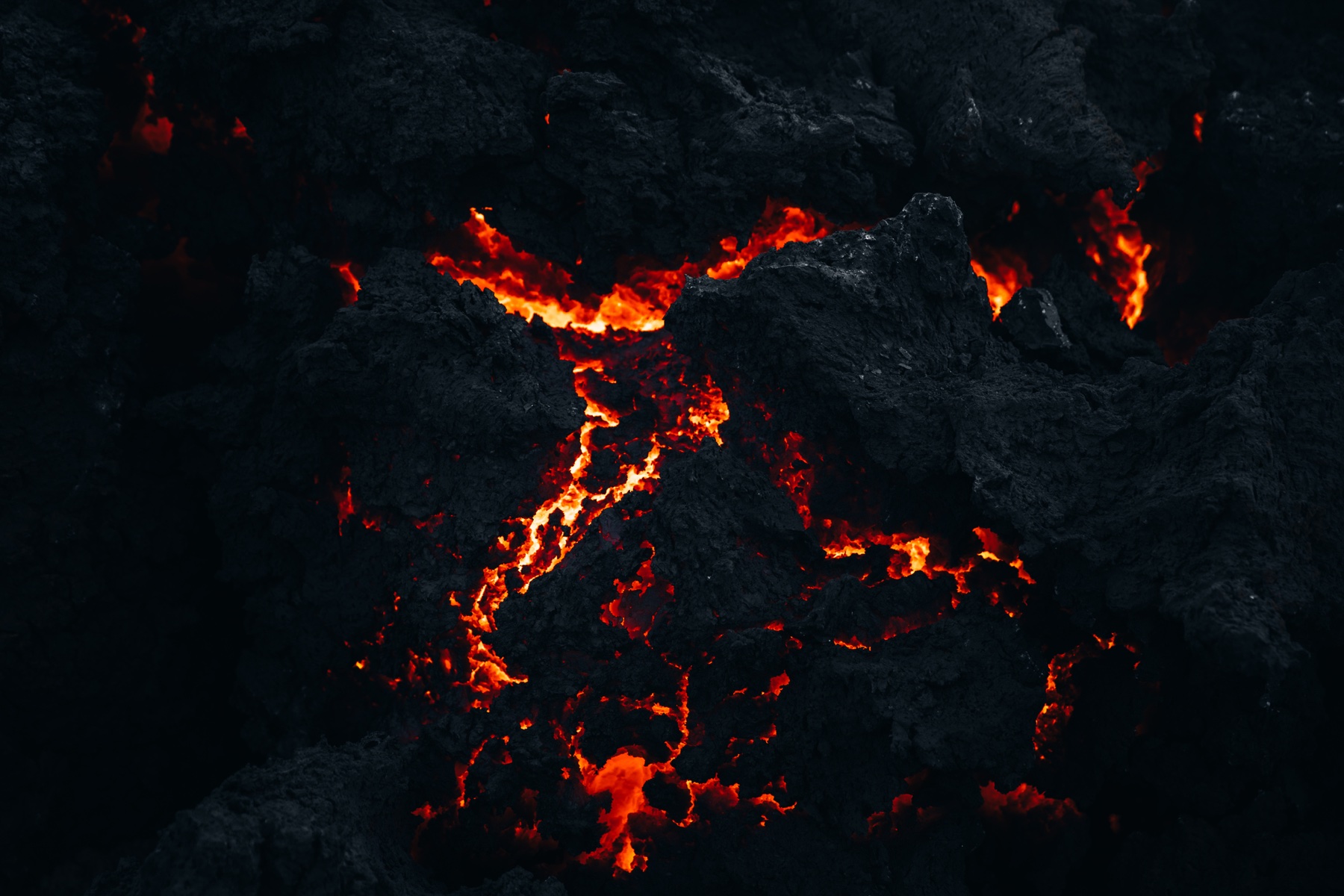
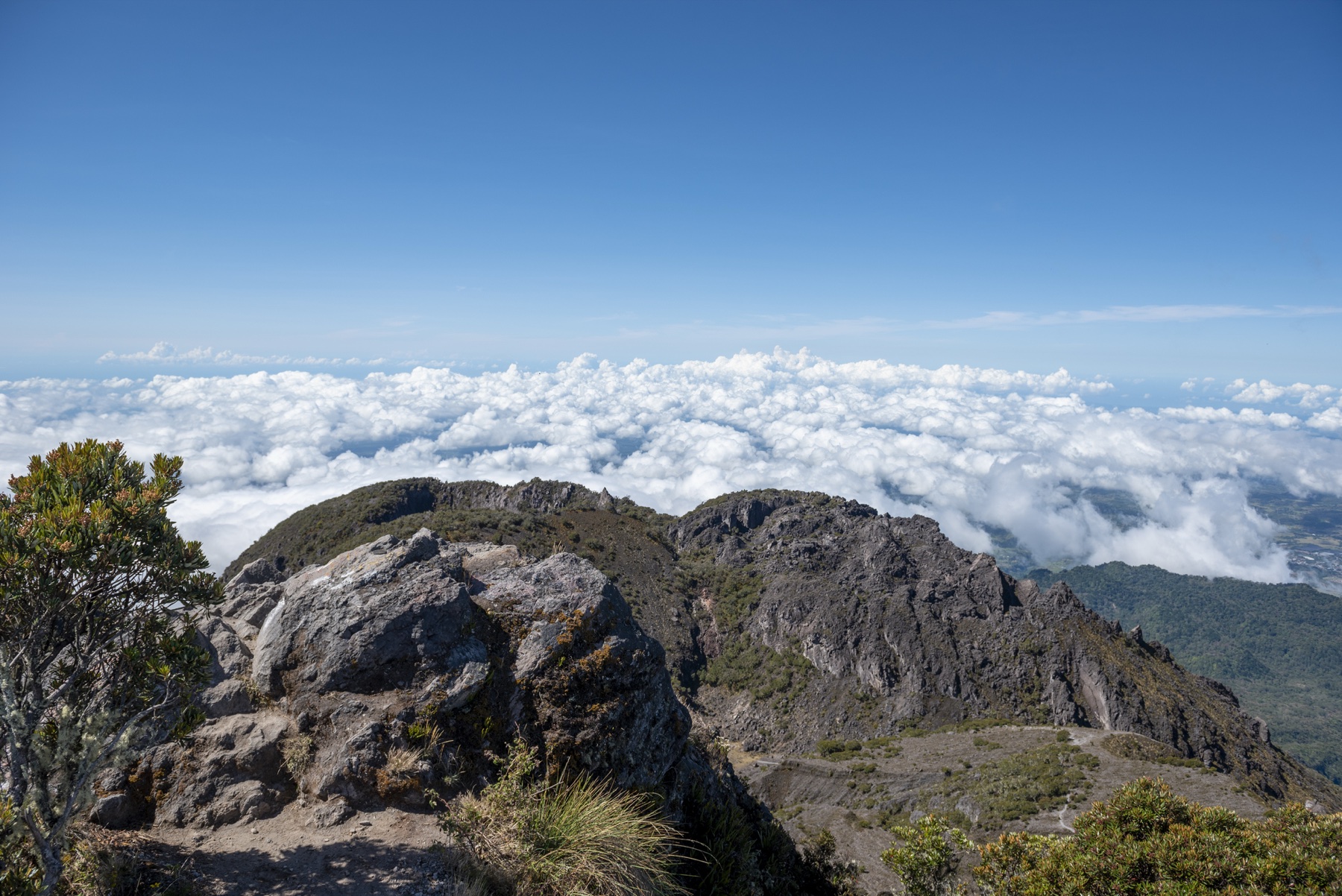
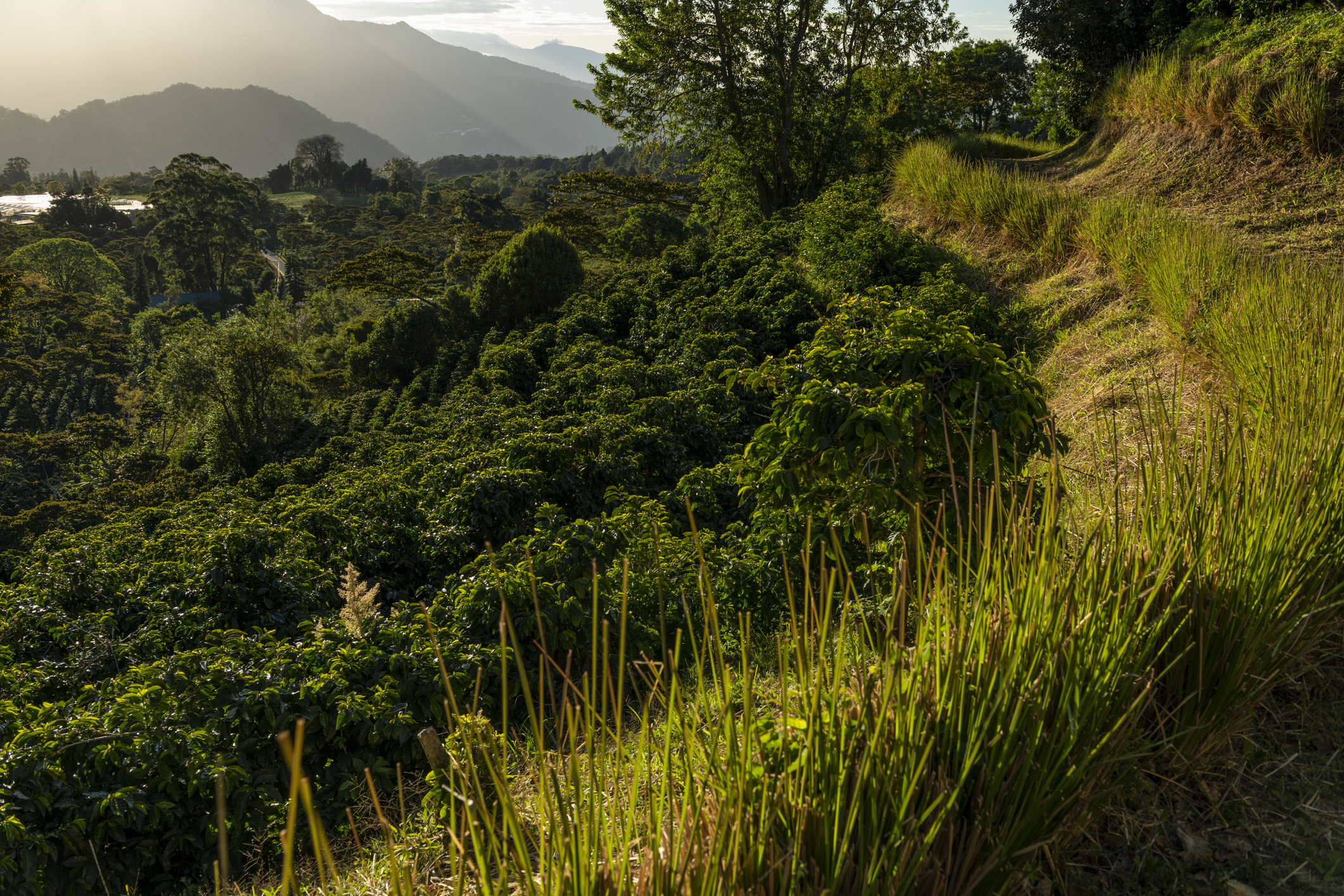
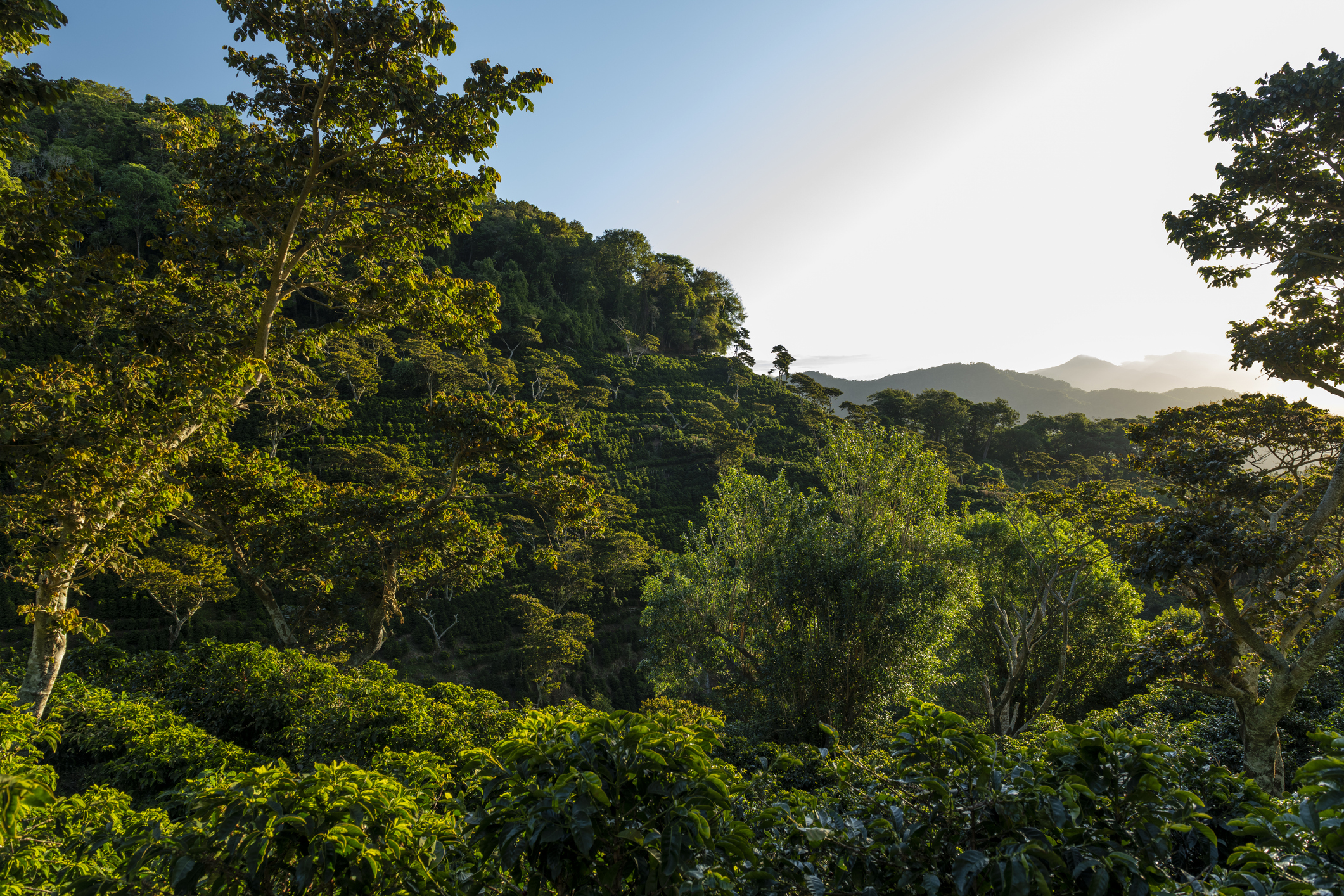
The highlands add another layer. Elevation, cool nights, volcanic soils, and moving mist can slow cherry maturation and preserve brightness. These conditions do not create quality by themselves, but they give careful producers a rare environmental vocabulary: acidity, florality, sweetness, clarity, and structure can all be shaped with unusual precision.
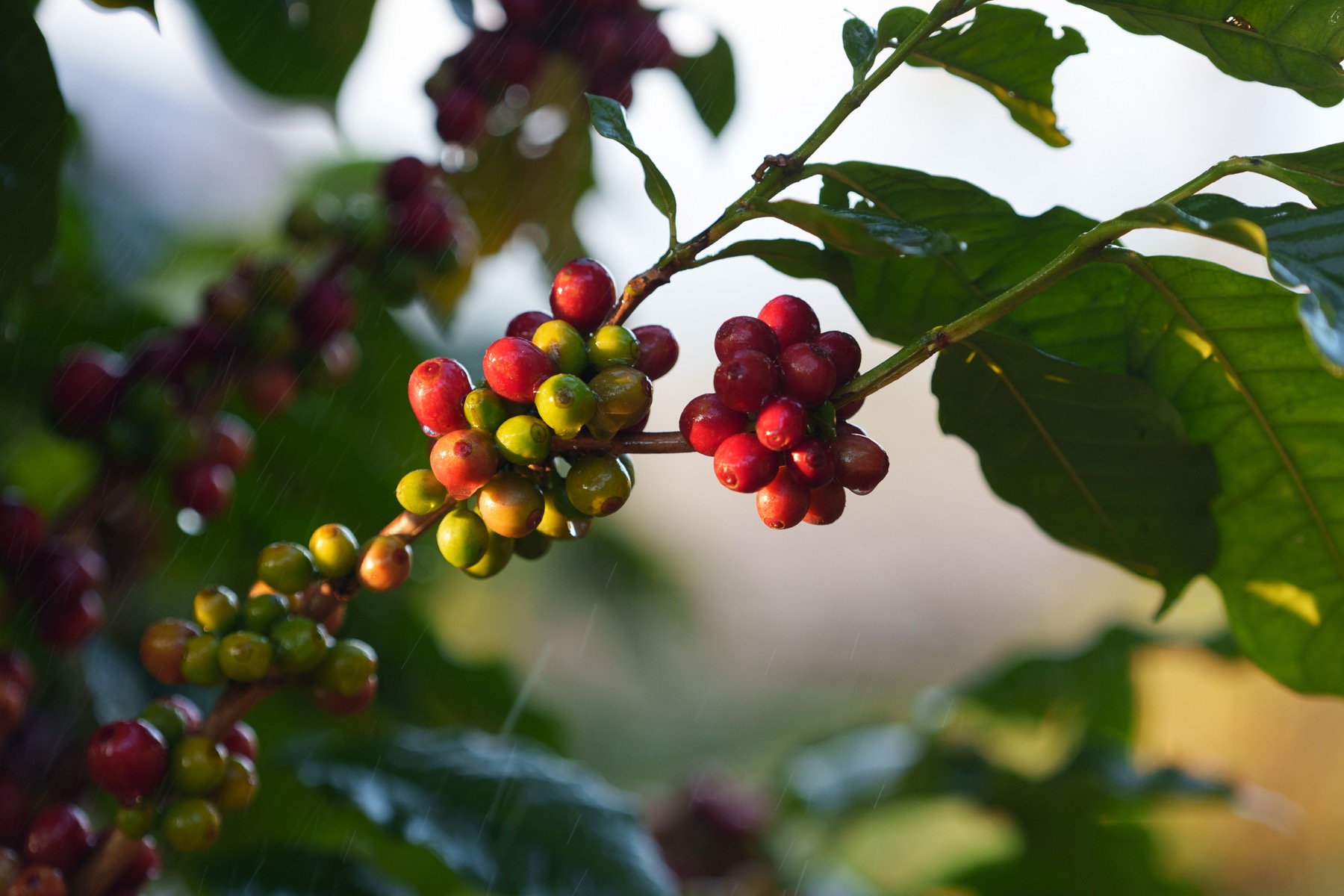
Panama's modern coffee reputation also comes from attention. Selective picking, careful processing, lot separation, and an understanding of varieties such as Geisha have allowed producers to show how much detail can live inside a small origin.
What makes Panama coffee different is the meeting point. It is geography plus care: a narrow isthmus between oceans, highlands lifted by volcanic ground, and people who have learned how to turn compressed place into remarkable flavor.