
Descriptors
Why Some Coffees Taste Like Tea
When a coffee is called tea-like, it does not mean it lacks coffee character. It means the cup feels delicate, transparent, and aromatic rather than dense, oily, or roast-heavy.
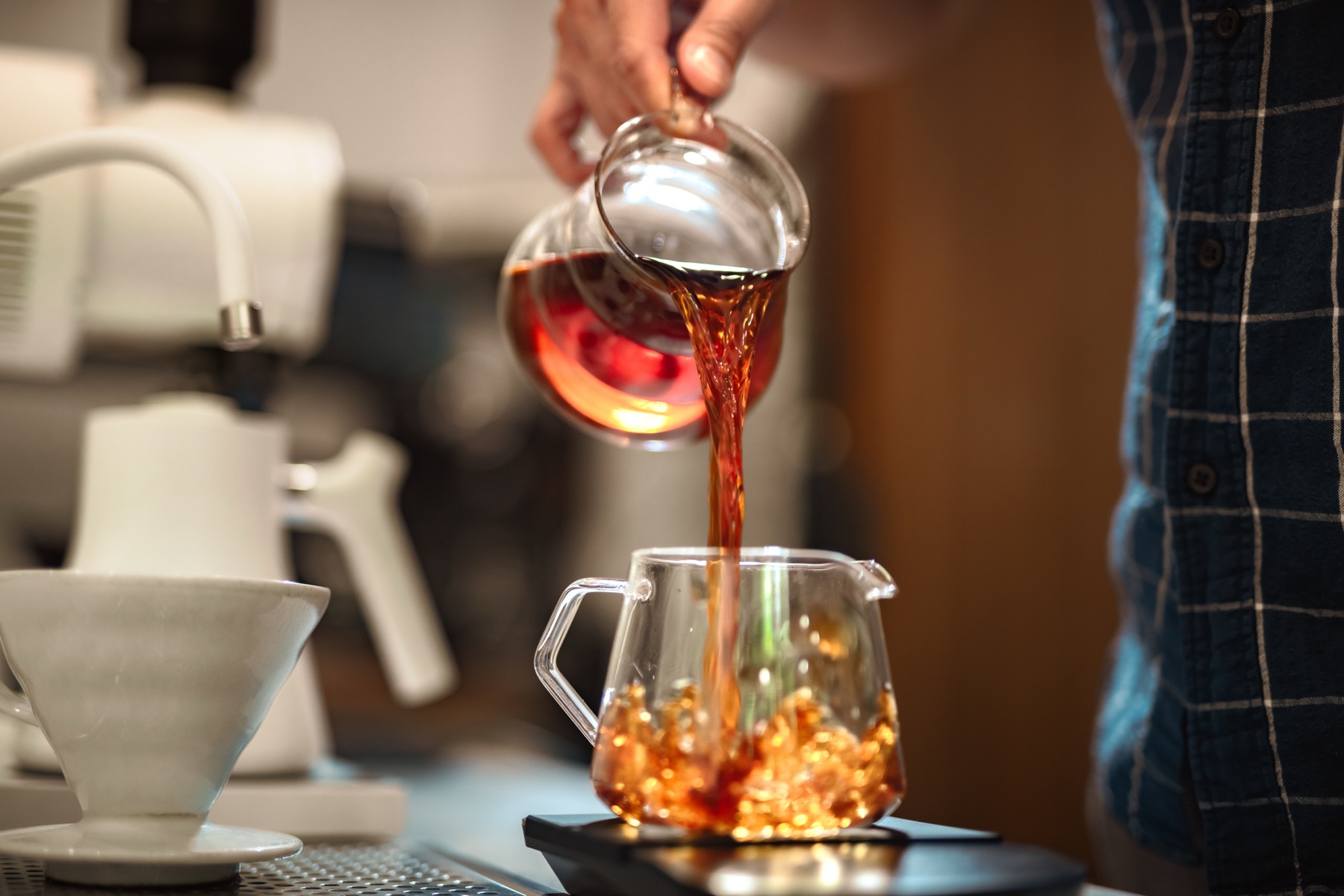
Part of that sensation comes from structure. Bright organic acids, including citric and malic impressions, can make the cup feel lifted and clean. Lower body, fewer suspended oils, and a precise extraction can make the texture feel closer to brewed tea than to a heavy coffee.
Aroma is the other half of the illusion. Floral and citrus-like volatile compounds, including terpenes such as linalool and geraniol, can suggest blossoms, bergamot, or fresh herbs. Other trace aromatics, including beta-damascenone-like notes, can add honeyed, dried-fruit, or rose-like depth.
Roast and brewing decide whether those details survive. A lighter, careful roast can preserve fragile aromatics, while a heavier roast can replace them with stronger roast tones such as toasted, nutty, smoky, or chocolate impressions.
Tea-like coffees reward slower attention. They unfold by fragrance, texture, and aftertaste rather than by force. The pleasure is not that they stop being coffee; it is that coffee becomes unusually quiet, precise, and transparent.