
Brewing Methods
Why Pour-Over Coffee Tastes Cleaner
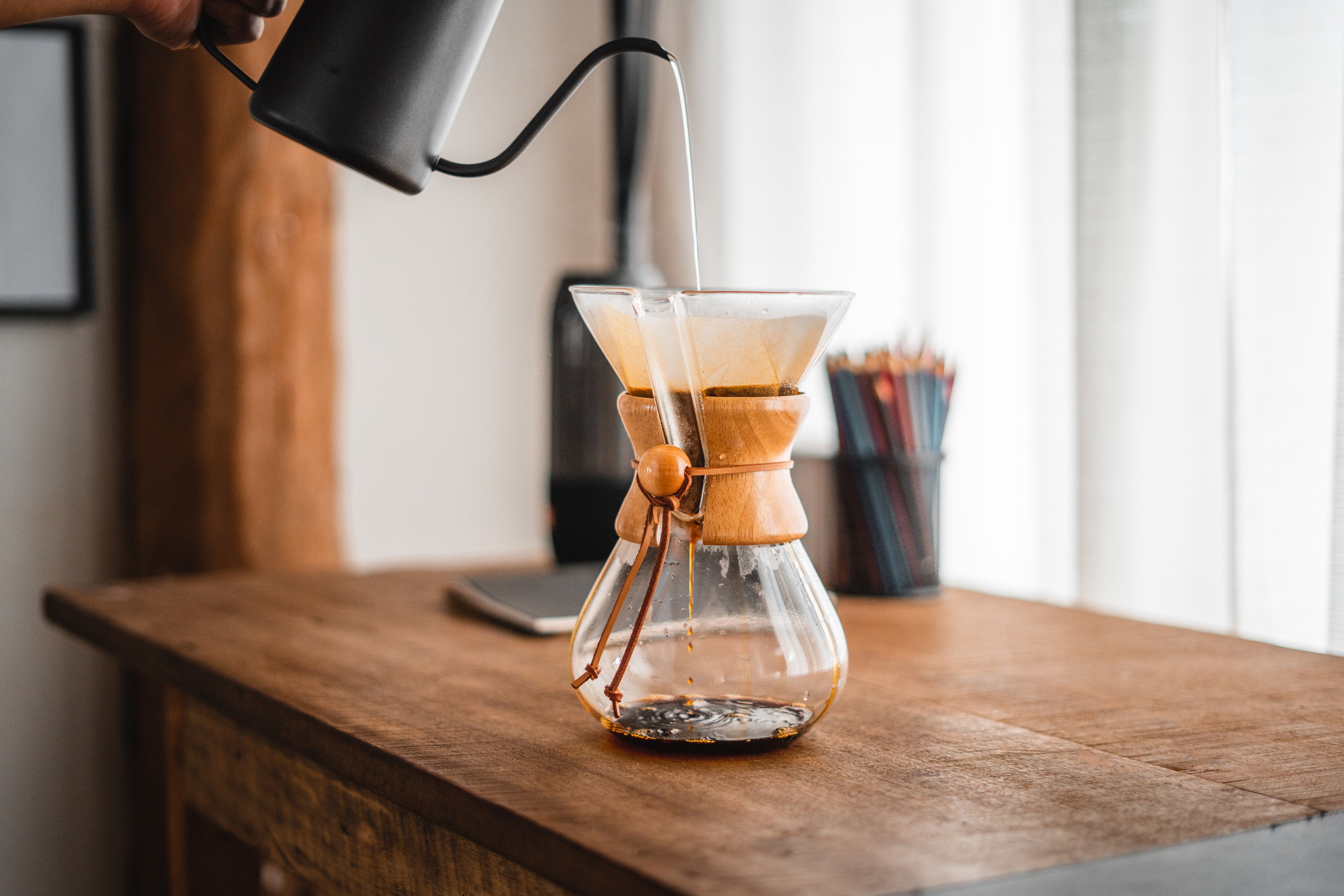
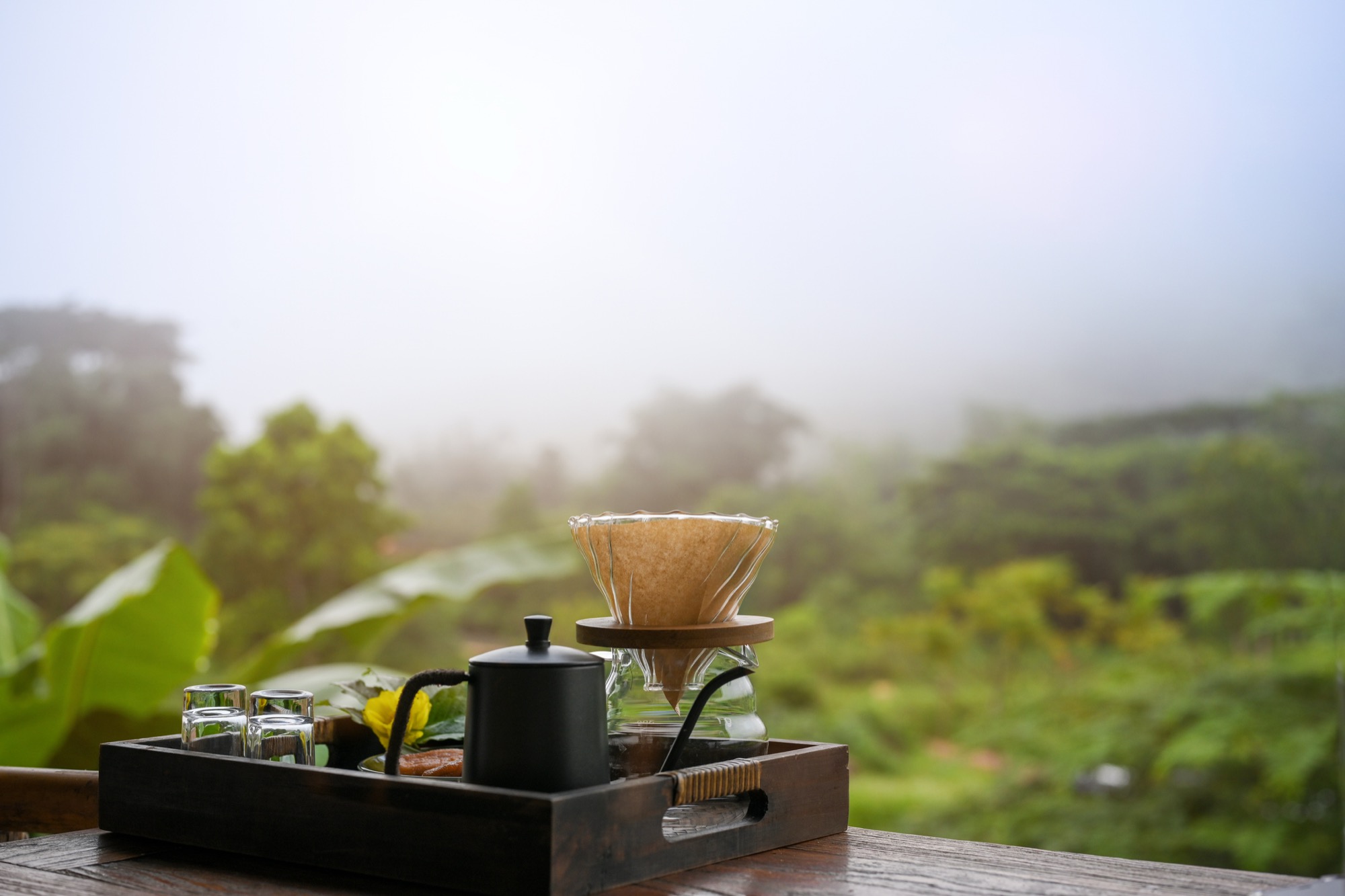
Pour-over coffee produces a cleaner cup than most other brewing methods for a simple reason: the paper filter. As water passes through the ground coffee, it carries the extracted flavor downward, but the filter captures nearly all of the coffee's oils and fine particles before the brew reaches the cup. What arrives in the carafe is liquid with its aromatic and flavor compounds intact, but without the heavier components that add weight to immersion methods.
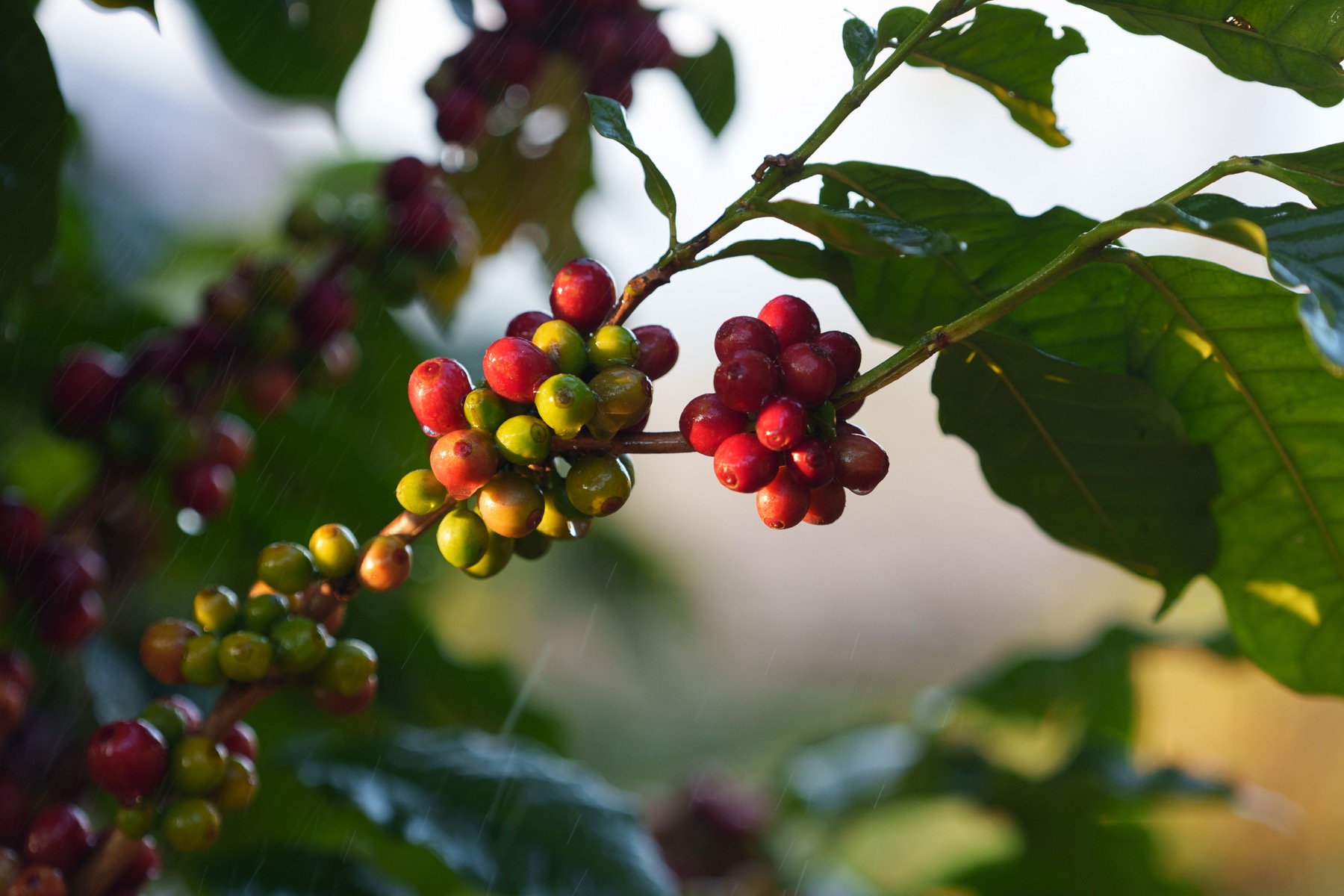
This filtration is what gives pour-over its characteristic clarity. Flavors arrive articulated rather than blurred. Acidity shines. Aromatic notes — florals, citrus, stone fruit, tea-like qualities — come through with precision. Coffees with delicate or complex profiles, especially those grown at high elevation in volcanic terroir, express their full character in a pour-over in ways they might not in heavier methods.
The trade-off is body. A pour-over cup has less weight on the palate than a French press or espresso, which some drinkers prefer and others find thin. This is a matter of preference, not quality.