
Panama
Why Panama Feels Like A Crossroads
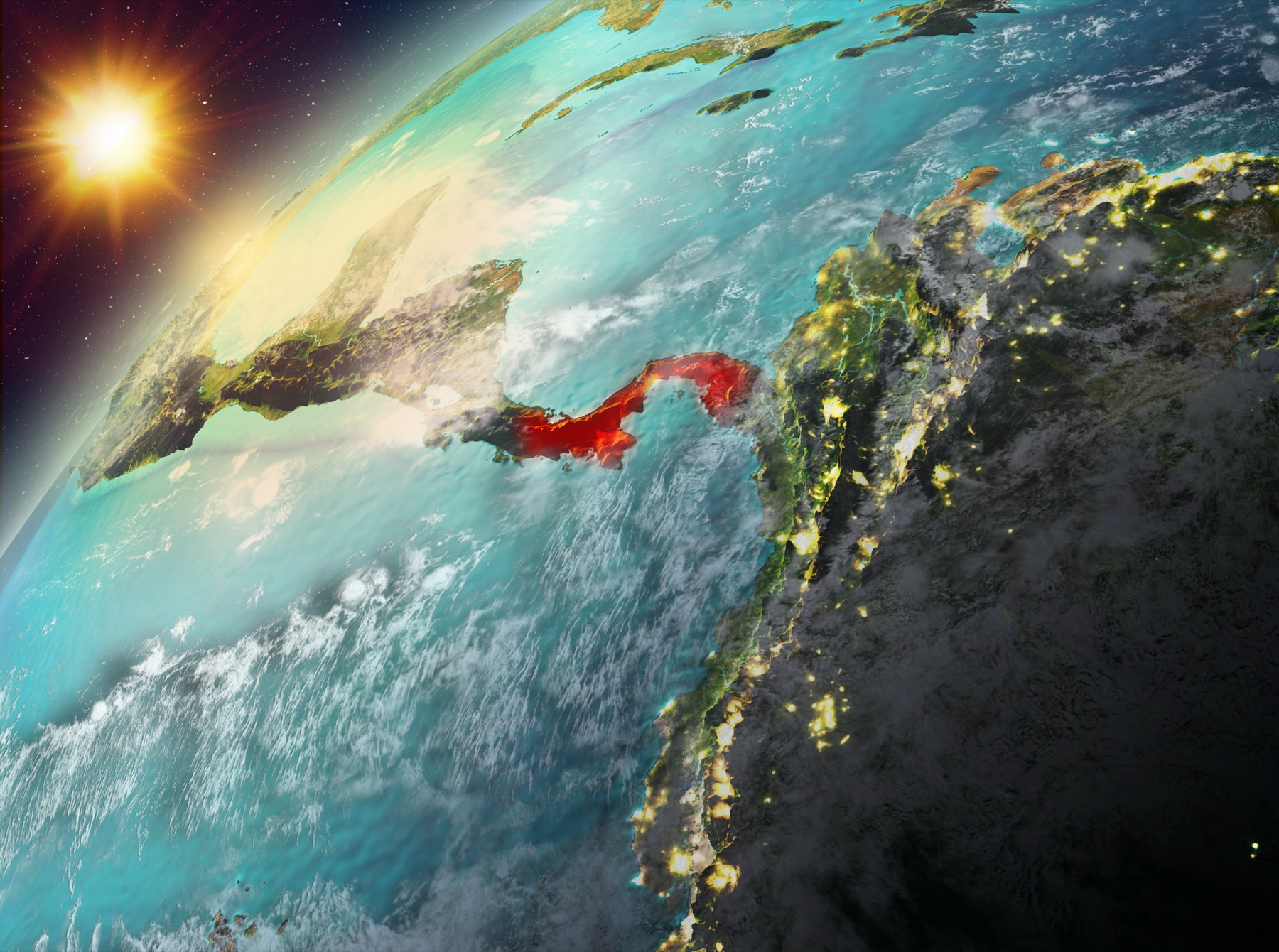
Panama feels like a crossroads because it has always been one. Long before the canal, long before modern shipping routes, the isthmus was already a narrow bridge between North and South America, between oceans, climates, animals, plants, and people.
Its geography made it important early. Indigenous communities lived, traded, traveled, and built culture across the land for centuries before Europeans arrived. The country's position was not empty space between larger places; it was already a meeting ground with its own knowledge, routes, foodways, and relationships to forest, coast, river, and mountain.
When the Spanish arrived, Panama became strategically valuable because of that same narrowness. Gold and silver from the Americas could move across the isthmus toward ships bound for Spain. Routes such as the Camino Real helped turn Panama into a colonial passage between the Pacific and the Caribbean, making the country central to empire, commerce, and conflict.
That history still echoes. Panama is shaped by movement, but it is not only a place people pass through. It is a place where arrivals leave traces: in language, architecture, music, food, neighborhoods, families, and the rhythm of daily life.
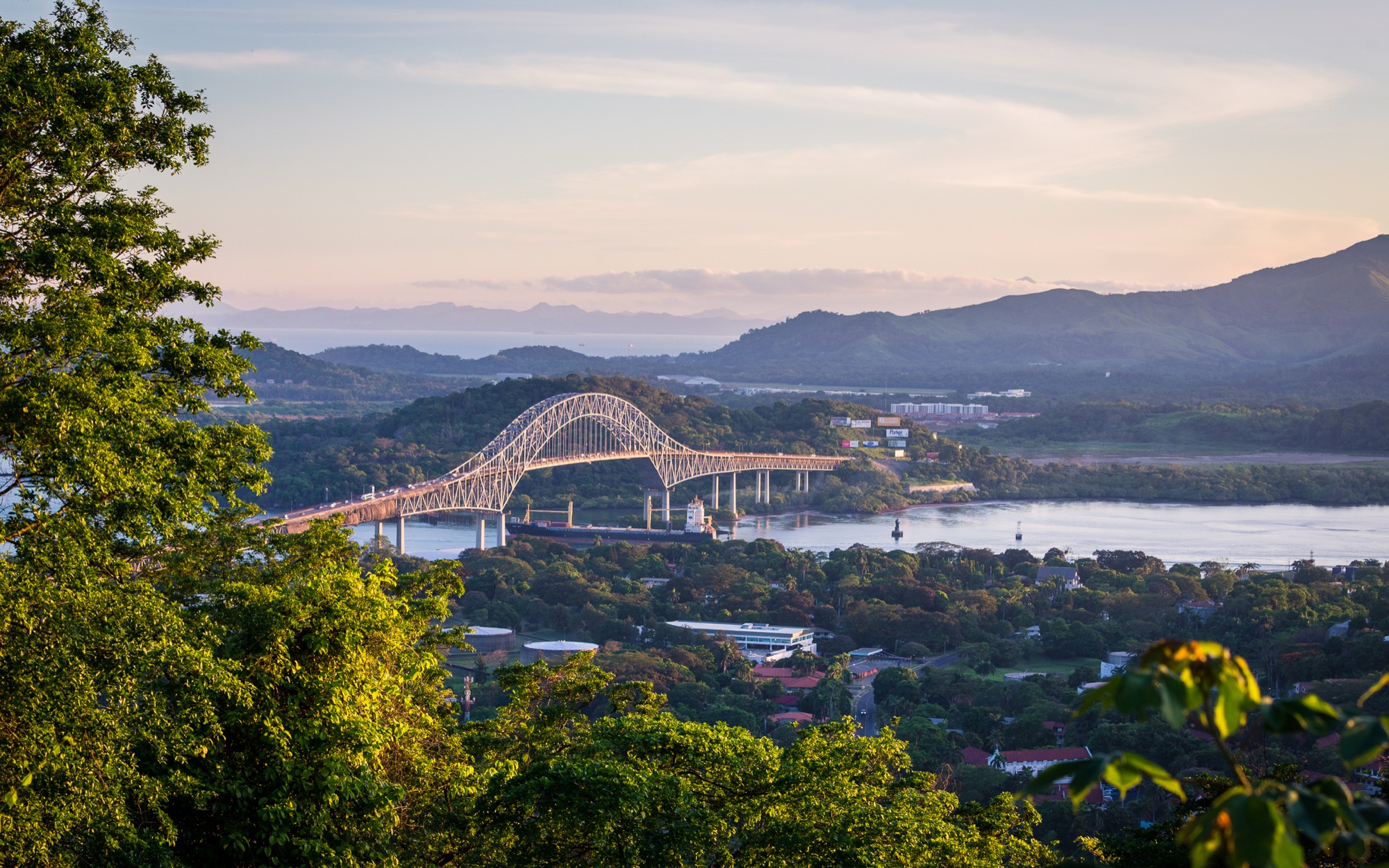
In Panama City, the feeling is immediate. Glass towers rise near old stone streets. Casco Viejo holds balconies, plazas, churches, cafes, and late-afternoon light, while the modern city moves with finance, shipping, hospitality, and travel. It is polished and restless at the same time.
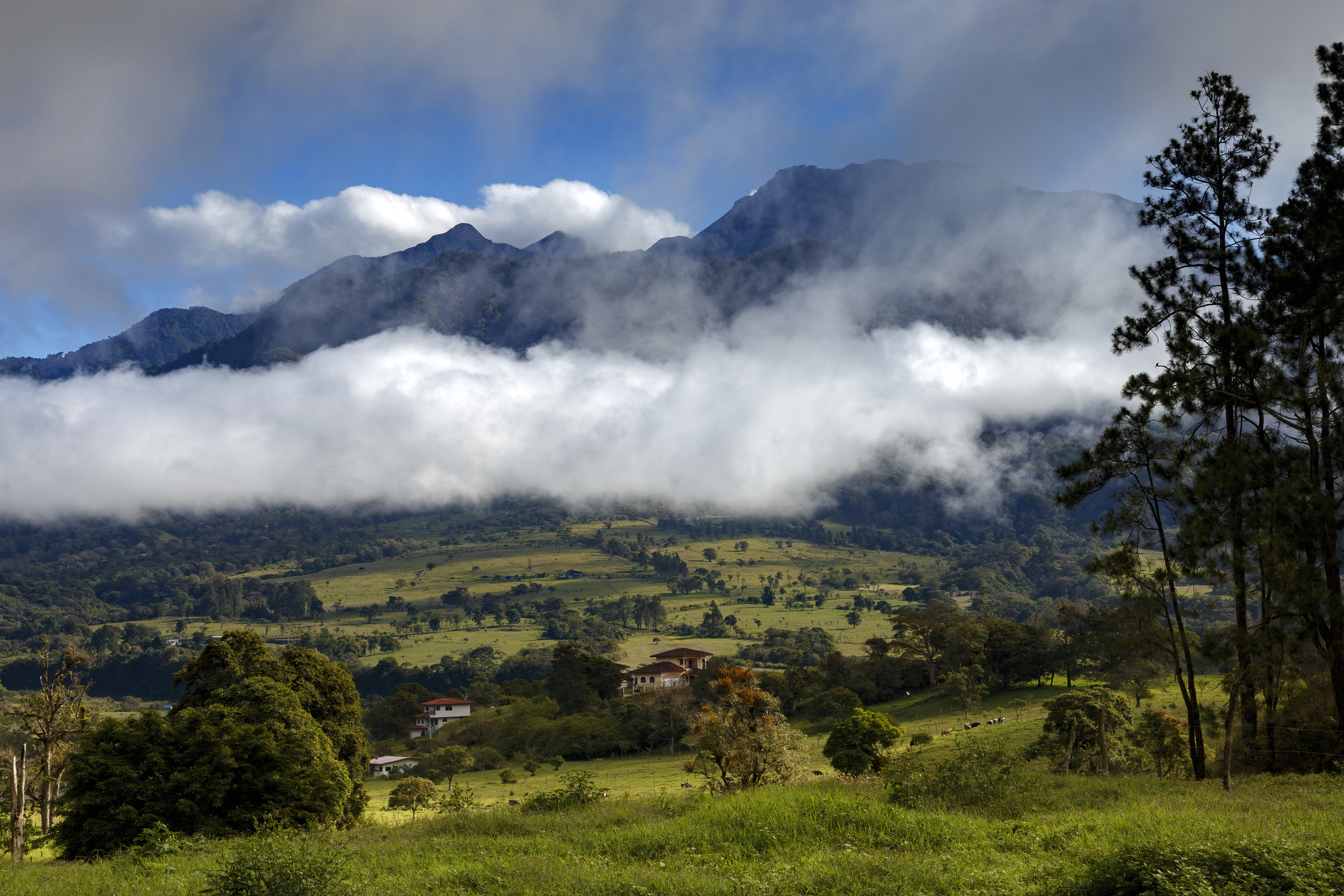
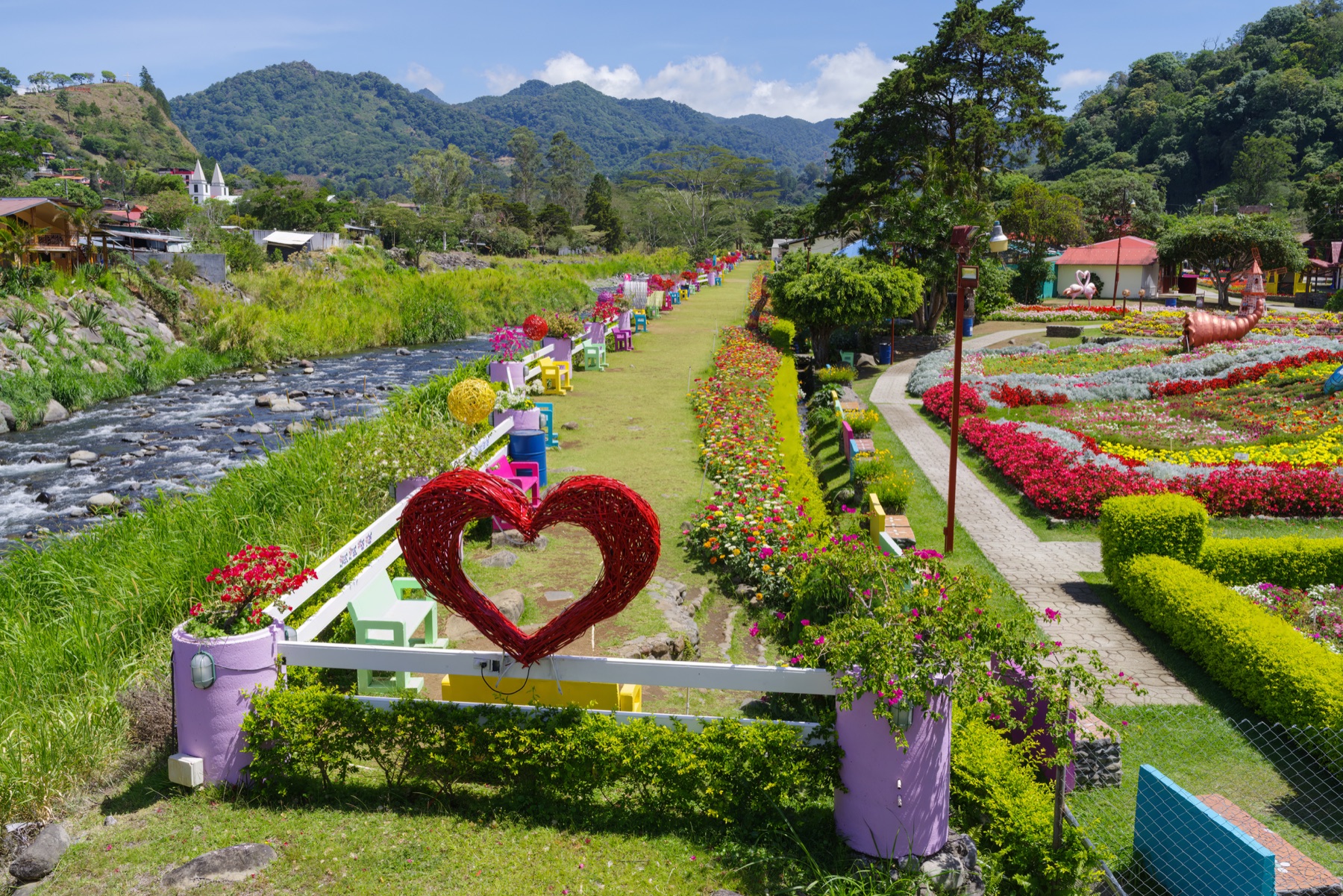
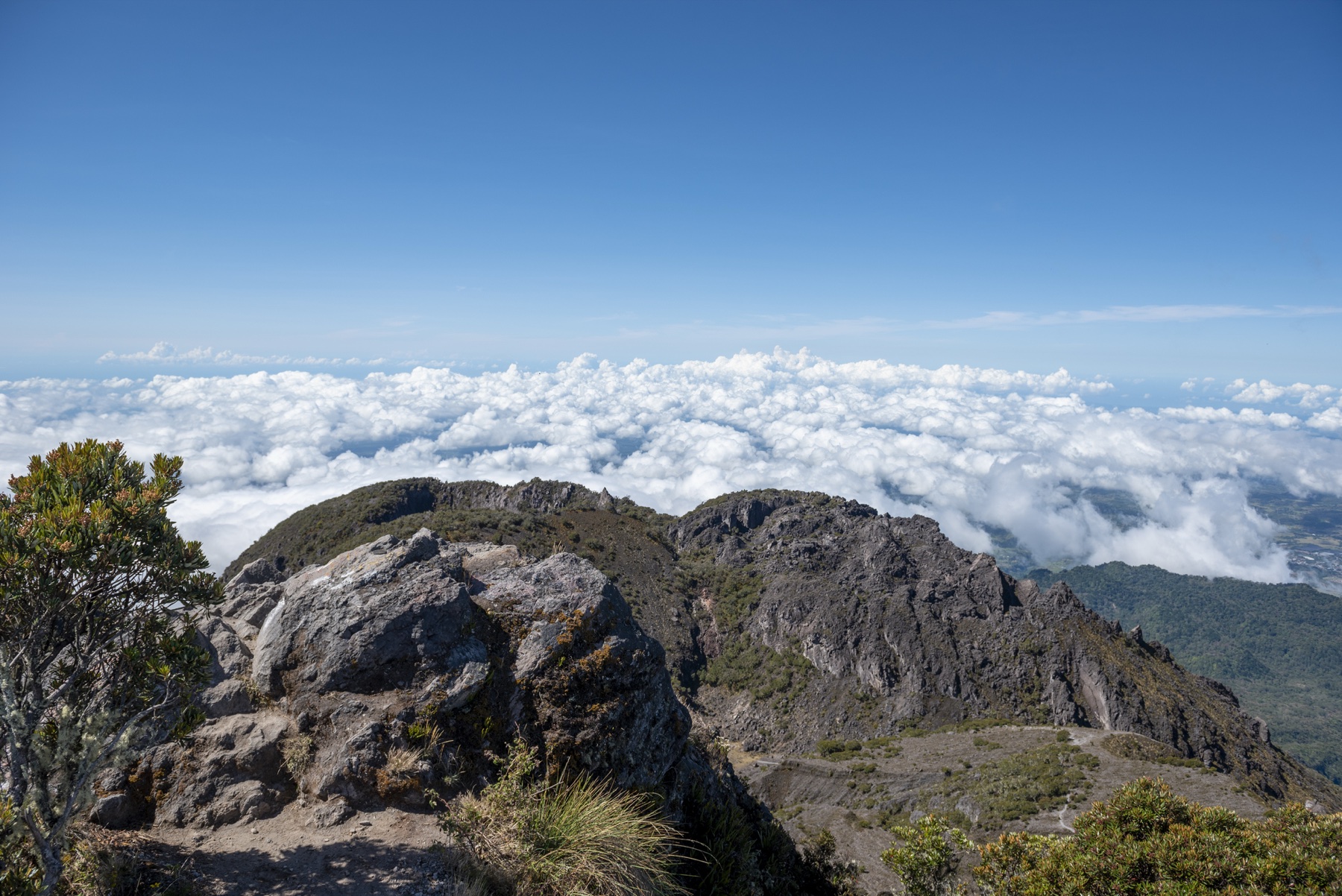
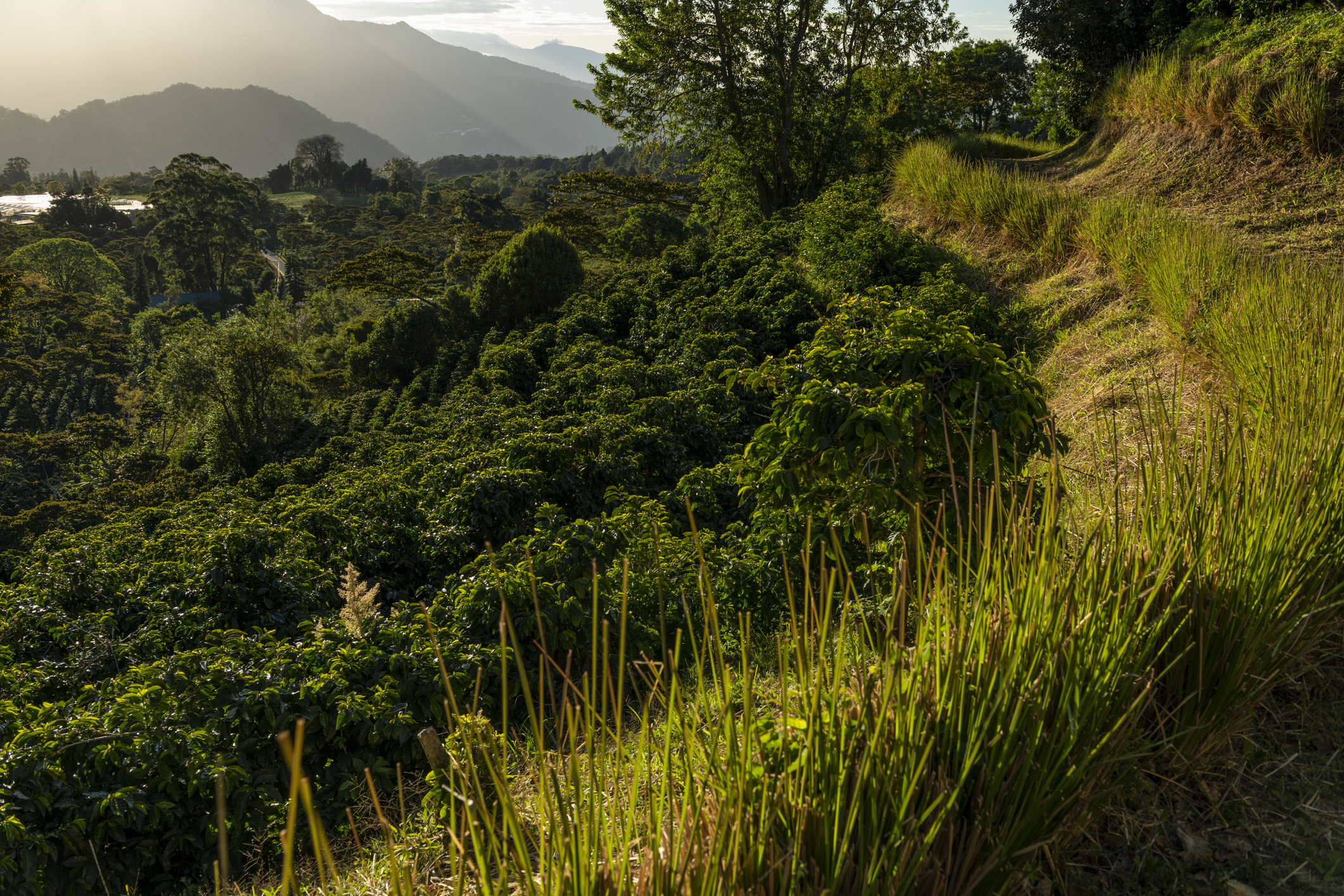
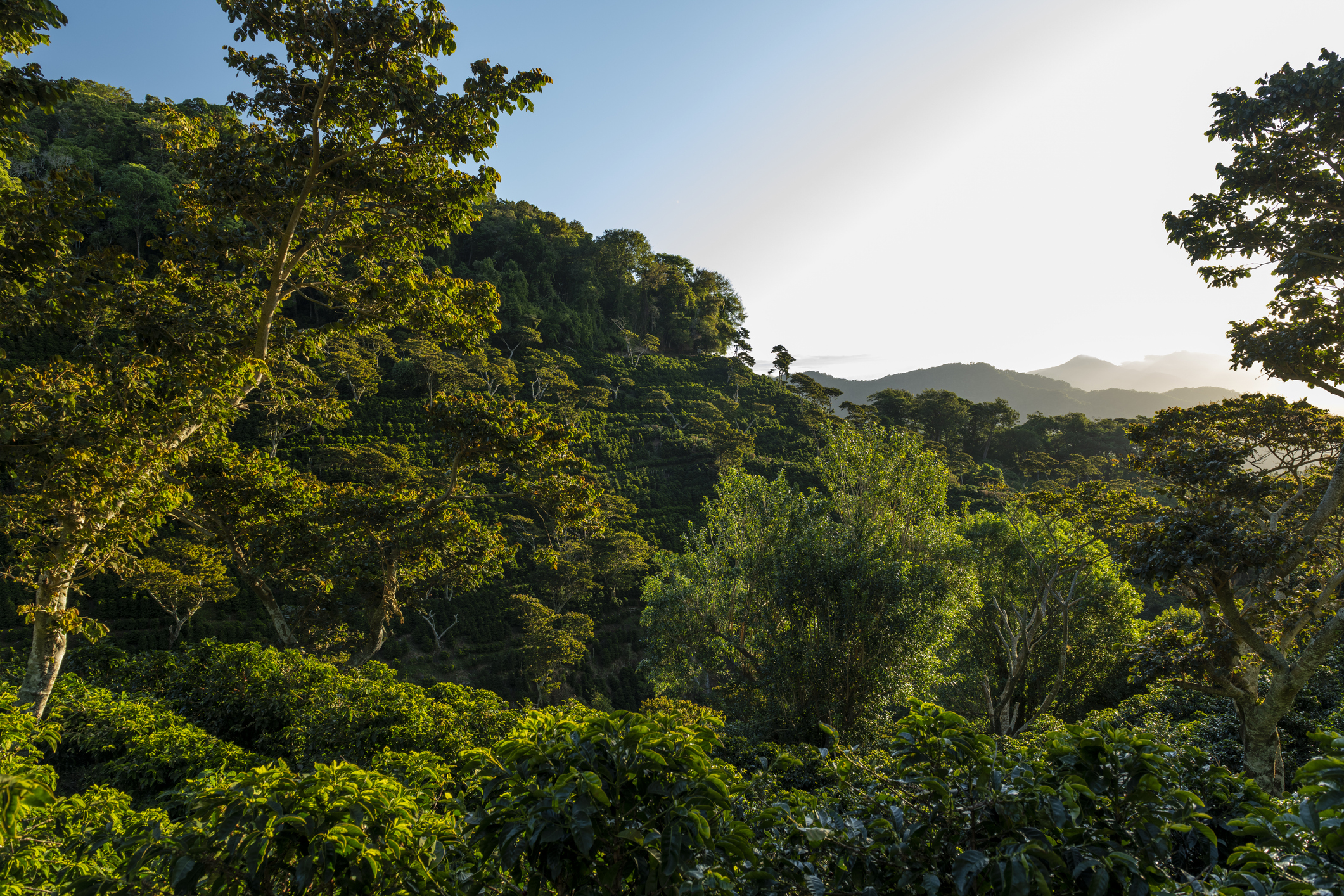
Then the country changes again. Roads climb toward cooler air, cloud forests, farms, waterfalls, and highland towns where the pace slows. The same country that feels global at the canal can feel intimate in the mountains.
That contrast is part of what makes Panama hard to flatten into one image. It is ocean and highland, city and farm, Indigenous memory and colonial route, old crossing and modern ambition. It is a small isthmus with an unusually large sense of connection.