
Grind & Equipment
Why Grind Size Matters More Than You Think
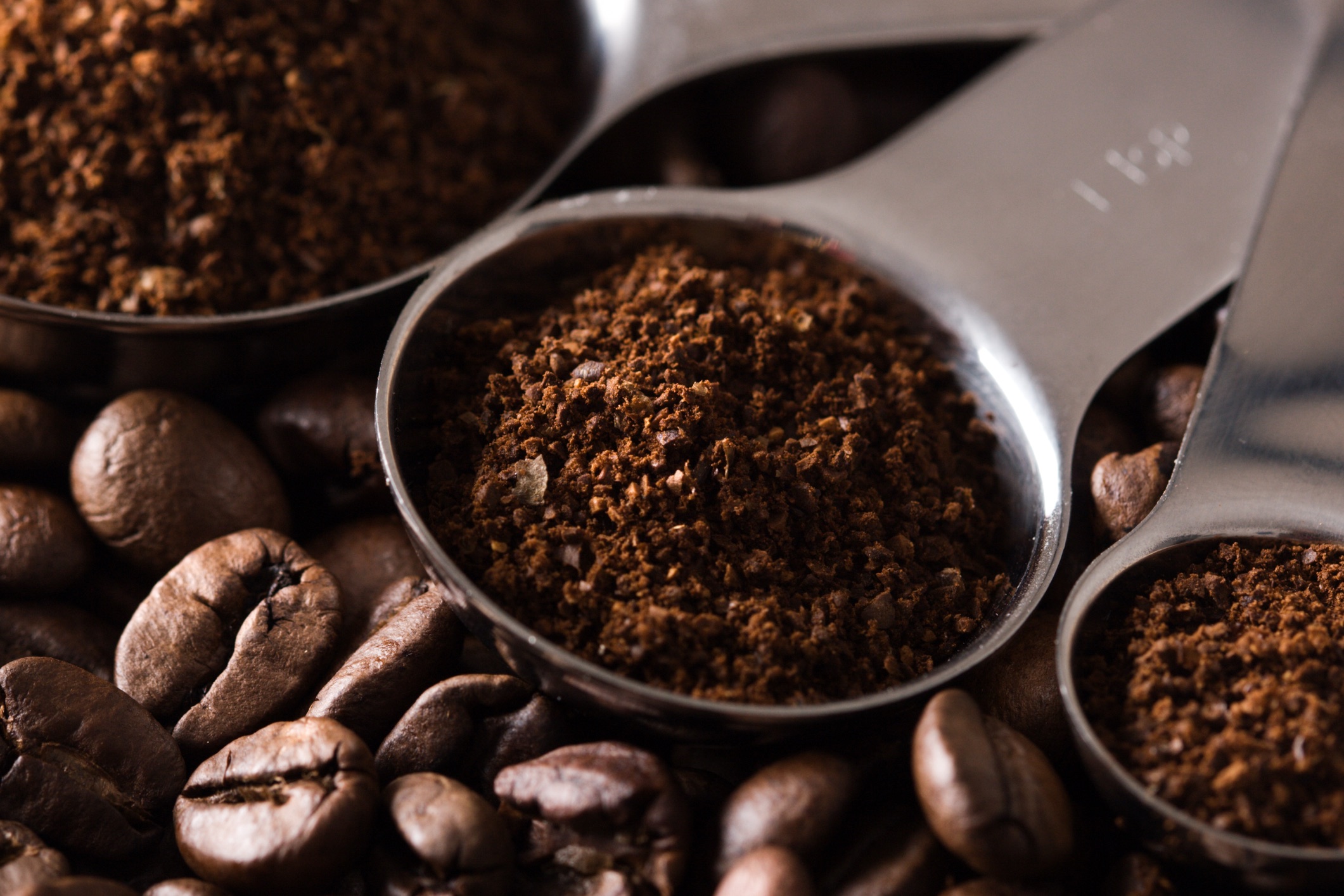
Grind size is the variable that shapes extraction more than any other choice the brewer makes. The finer the grind, the more surface area of coffee meets the water, and the faster and more fully the flavor releases. The coarser the grind, the less surface area, the slower the extraction, the softer the cup. A shift of a single notch on a grinder can change the cup noticeably.
The mathematics of this relationship is more dramatic than it appears intuitively. When coffee is ground finer, the surface area doesn't just increase proportionally — it increases inversely with the cube of particle size, because the same mass of coffee is divided into many more particles, and each particle contributes its own surface area. A whole coffee bean has roughly 1 to 2 square centimeters of total surface area. The same bean ground to medium-coarse French press size has approximately 100 to 200 square centimeters of total surface area. Ground to medium pour-over size, the same bean produces 1,000 to 2,000 square centimeters. Ground to espresso fineness, the surface area reaches 10,000 to 20,000 square centimeters — roughly the size of a large bath towel for a single 18-gram dose.
The surface area increase isn't just larger — it's exponentially larger. Halving the average particle diameter produces eight times the surface area, because surface area scales with the square of diameter while volume (which determines how many particles a given mass produces) scales with the cube. This is why small grind adjustments produce dramatic cup differences. A grinder setting that produces particles 20% finer doesn't increase extraction by 20% — it can increase available surface area by 50% or more, with corresponding effects on extraction rate and cup character.
The chemistry of extraction at the particle level matters too. Water doesn't extract from the bulk of a coffee particle uniformly — it extracts most aggressively at the particle surface, with extraction rate decreasing as water has to penetrate deeper into the particle's interior. The compounds at the very surface dissolve almost immediately. Compounds 100 micrometers into the particle take much longer to reach the water. Compounds at the center of a coarse particle may never fully extract during a typical brew. This is why coarser grinds produce milder cups even with extended brew times — the interior of the particles never fully releases its compounds because the diffusion path is too long.
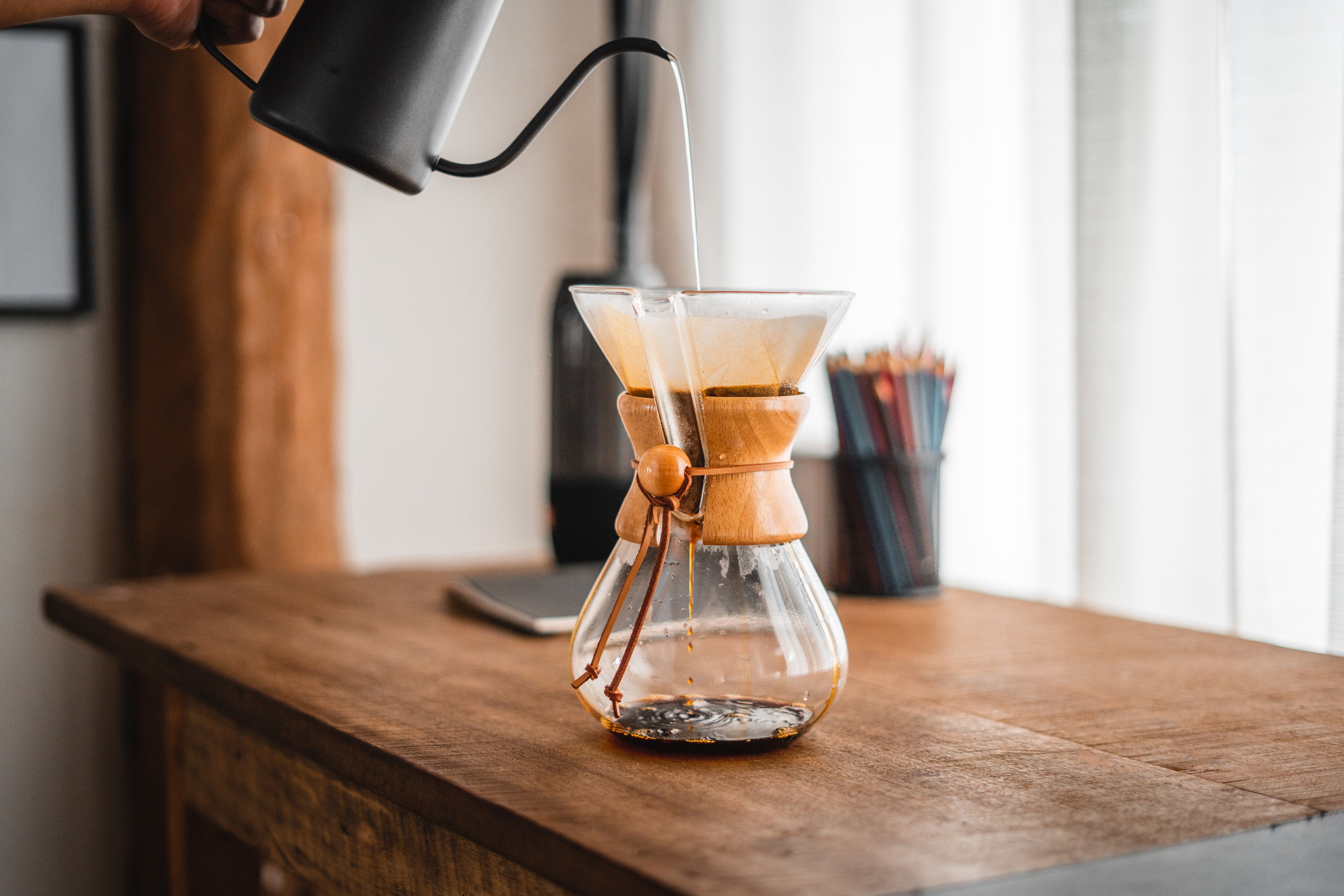
Different methods call for different grind sizes because each method manages contact time differently. Espresso needs very fine grind because contact is measured in seconds — only the increased surface area allows enough extraction in 25-30 seconds to produce a balanced shot. Pour-over uses a medium-fine grind because the method balances flow and retention, with 2-4 minute contact time matched to particle size that allows full extraction without over-extraction. French press and cold brew use coarse grind because contact is long, and finer particles would over-extract and cloud the cup. Matching grind to method is one of the first adjustments a brewer learns to make.
Within each method, small grind changes offer a clear path to adjust the cup. A finer setting draws out more body and sweetness. A coarser setting keeps the cup brighter and quicker.