

Variety
Why Geisha Coffee Tastes Floral
Geisha coffee tastes floral because of a rare alignment: genetics, elevation, climate stress, slow maturation, careful processing, and roasting that preserves delicate aromatics instead of covering them.
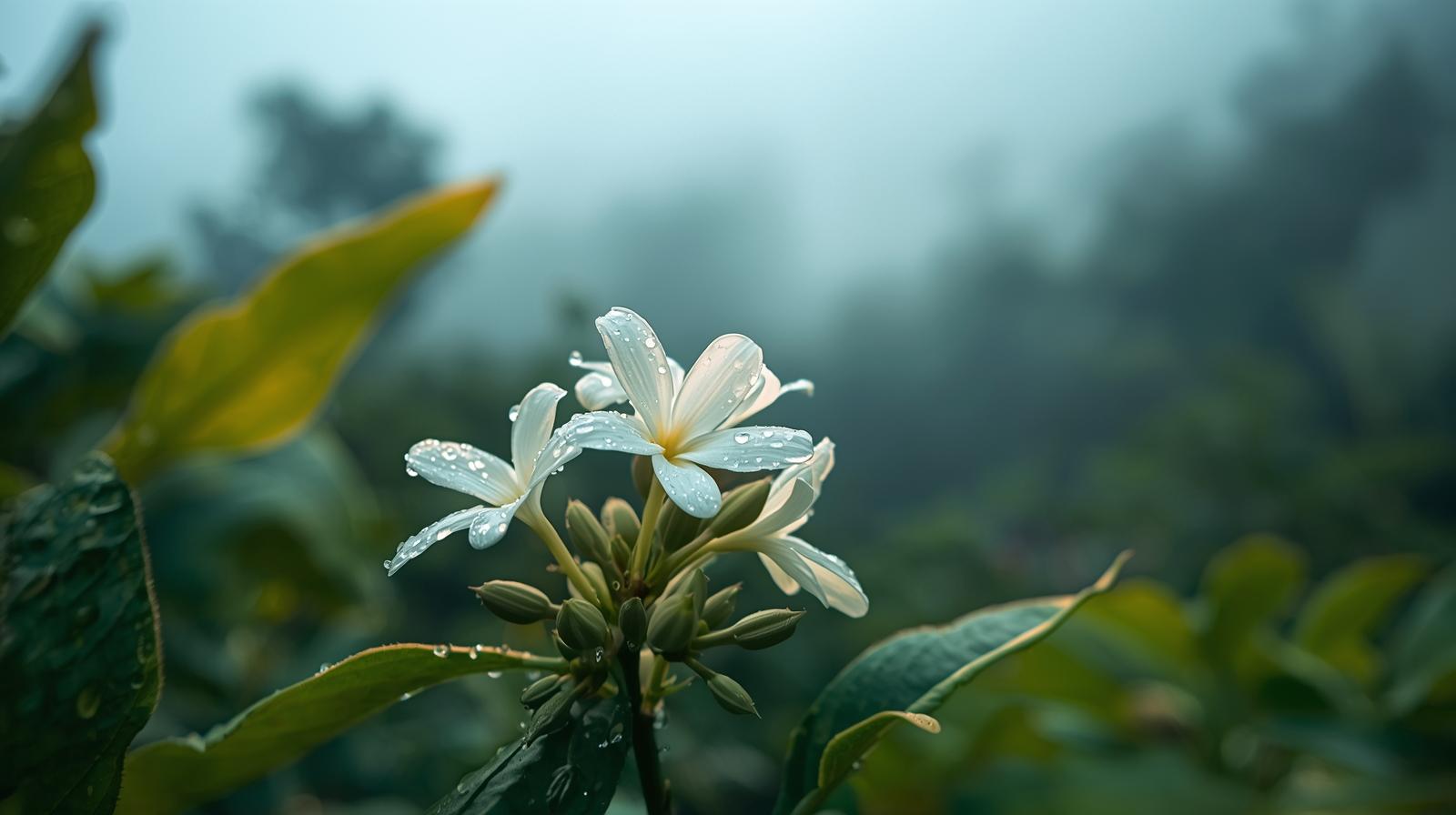
The first piece is genetic. Geisha has a different aromatic potential than many common coffee varieties. It is especially known for producing cups that can suggest jasmine, orange blossom, bergamot, rose, honey, tea, and tropical fruit. Those notes are not perfume added to the coffee. They come from volatile aroma compounds and their precursors inside the seed.
Some of the compounds associated with floral perception in coffee include linalool, geraniol, nerol, beta-damascenone, phenethyl alcohol, benzyl alcohol, and certain esters and aldehydes. These names sound technical, but our brains recognize them through familiar references. Linalool can feel citrusy and floral. Geraniol and nerol can suggest rose. Beta-damascenone can give honeyed fruit and floral depth. Phenethyl alcohol is one of the reasons “rose-like” is a recognizable aroma in nature.
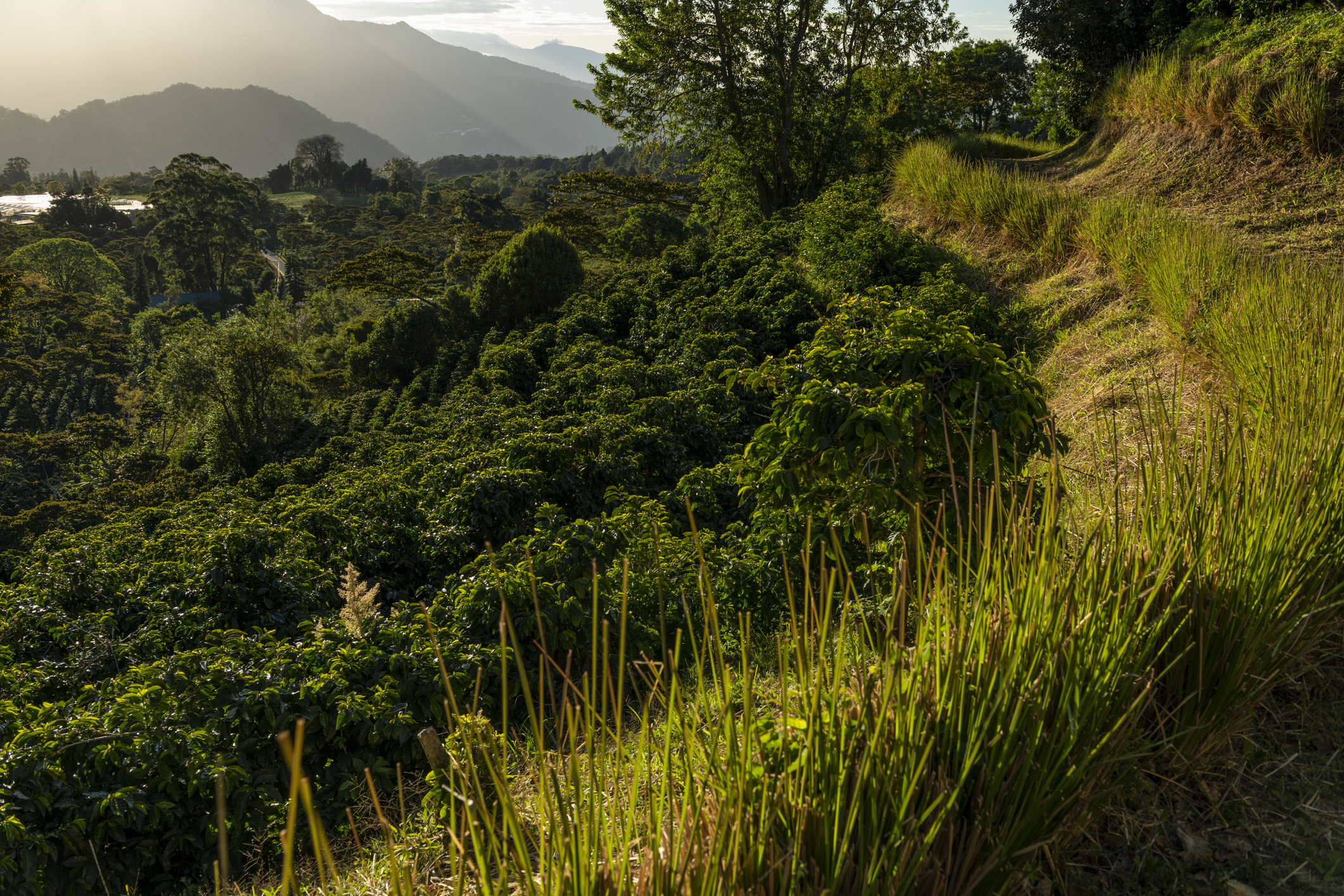
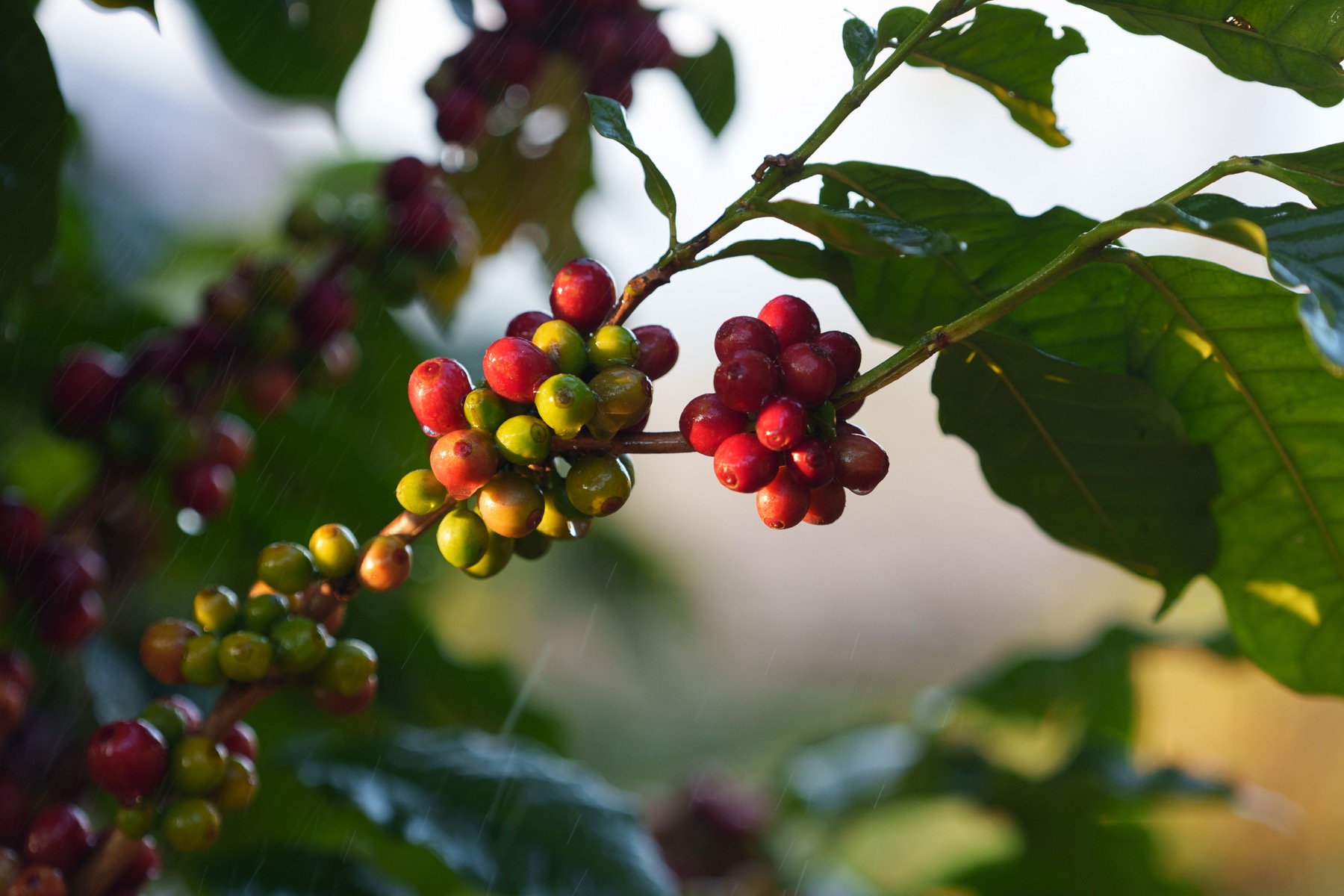
But the plant does not express those qualities in isolation. Elevation changes the way coffee cherries mature. In high mountain environments, cooler temperatures slow the ripening process. The cherry stays on the tree longer, which gives more time for sugars, acids, amino acids, and aromatic precursors to develop. Slower maturation can create more complexity because the seed is not rushed through its chemistry.
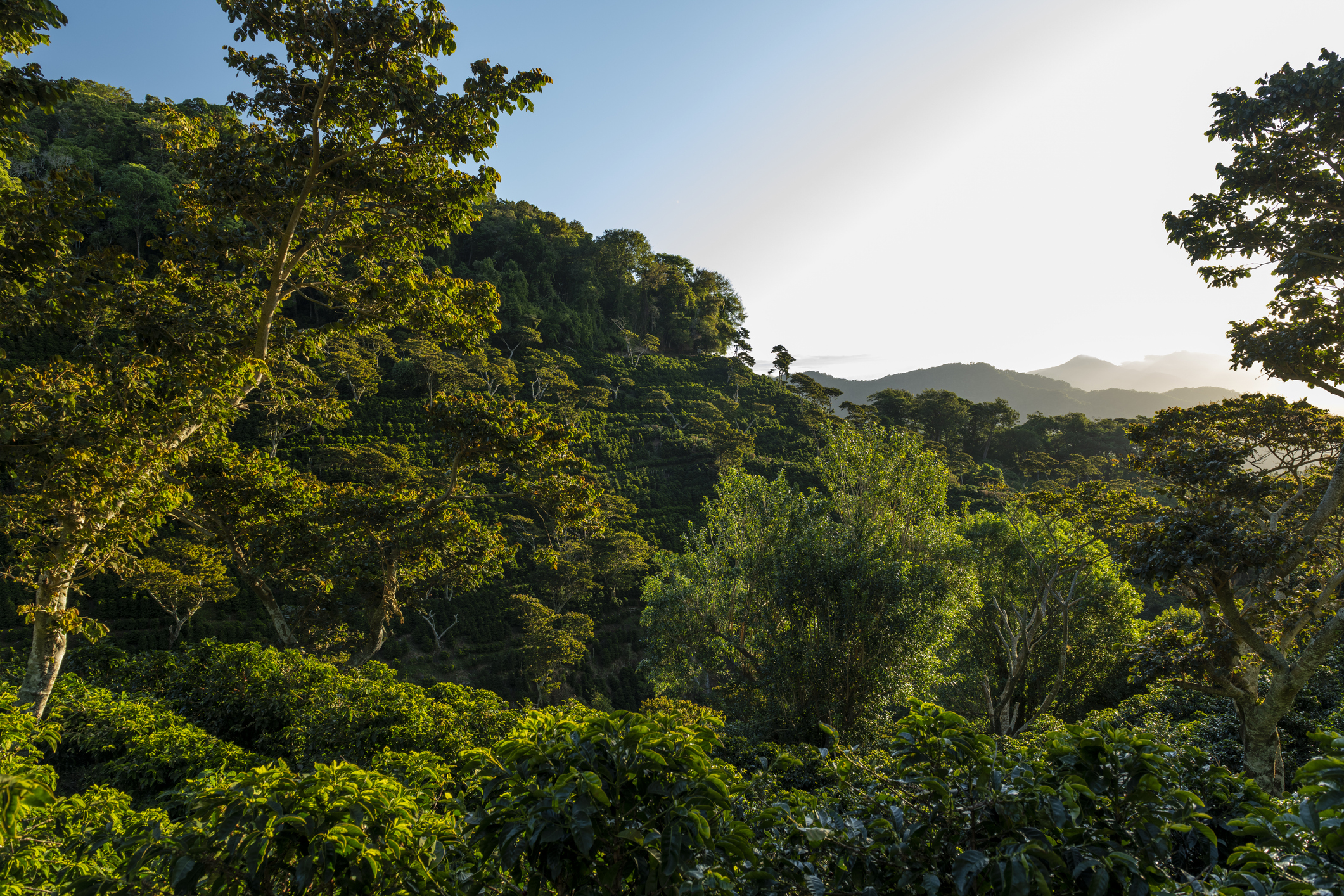
Stress matters too, but not in a simple way. The best Geisha is not stressed because it is neglected. It is shaped by a very specific kind of environmental pressure: cooler nights, lower average temperatures, thinner mountain air, shifting sunlight, cloud cover, wind, volcanic soils, and slower photosynthesis. The plant has to work differently. It manages energy, protects itself, and builds compounds that can later become aroma and flavor in the cup.
Lower light and cooler temperatures can be especially important. In shaded or misty highland conditions, the plant receives less direct intensity during parts of the day, while cooler nights slow respiration. That means the cherry may preserve more of what it builds during daylight instead of burning through it quickly. The result can be a seed with more structure: clearer acidity, refined sweetness, and a deeper pool of aromatic precursors.
The floral quality is also connected to plant defense. Many aromatic compounds in plants are not made for us. They help the plant communicate, respond to stress, attract or repel insects, and protect tissue. In coffee, those biological pathways can leave behind the raw materials for aromas we later perceive as jasmine, citrus blossom, tea, or fruit. In other words, some of the beauty in the cup begins as the plant’s way of surviving its environment.
The most fascinating part is that no single factor creates the floral taste by itself. Geisha genetics provide the potential. High elevation slows the fruit. Cool nights preserve delicacy. Lower light and mountain stress shape plant metabolism. Processing protects the aromatics. Roasting reveals them. Brewing carries them to the nose.