
Coffee Freshness Packaging
Why Café de Volcán Uses Nitrogen Flushes
Nitrogen flushing is a packaging step that happens just before a coffee bag is sealed. Instead of closing the bag with ordinary air trapped inside, the package is flushed with nitrogen so much of the oxygen is displaced.
Oxygen is the issue. Roasted coffee carries fragile aromatic compounds and oils that oxidize over time. More oxygen means faster dulling: sweetness fades, fragrance softens, and the cup can taste flat or stale before it should.
Nitrogen is used because it is inert, clean, and already makes up most of the air around us. It does not perfume the coffee or change the flavor. It simply creates a lower-oxygen environment inside the unopened bag.
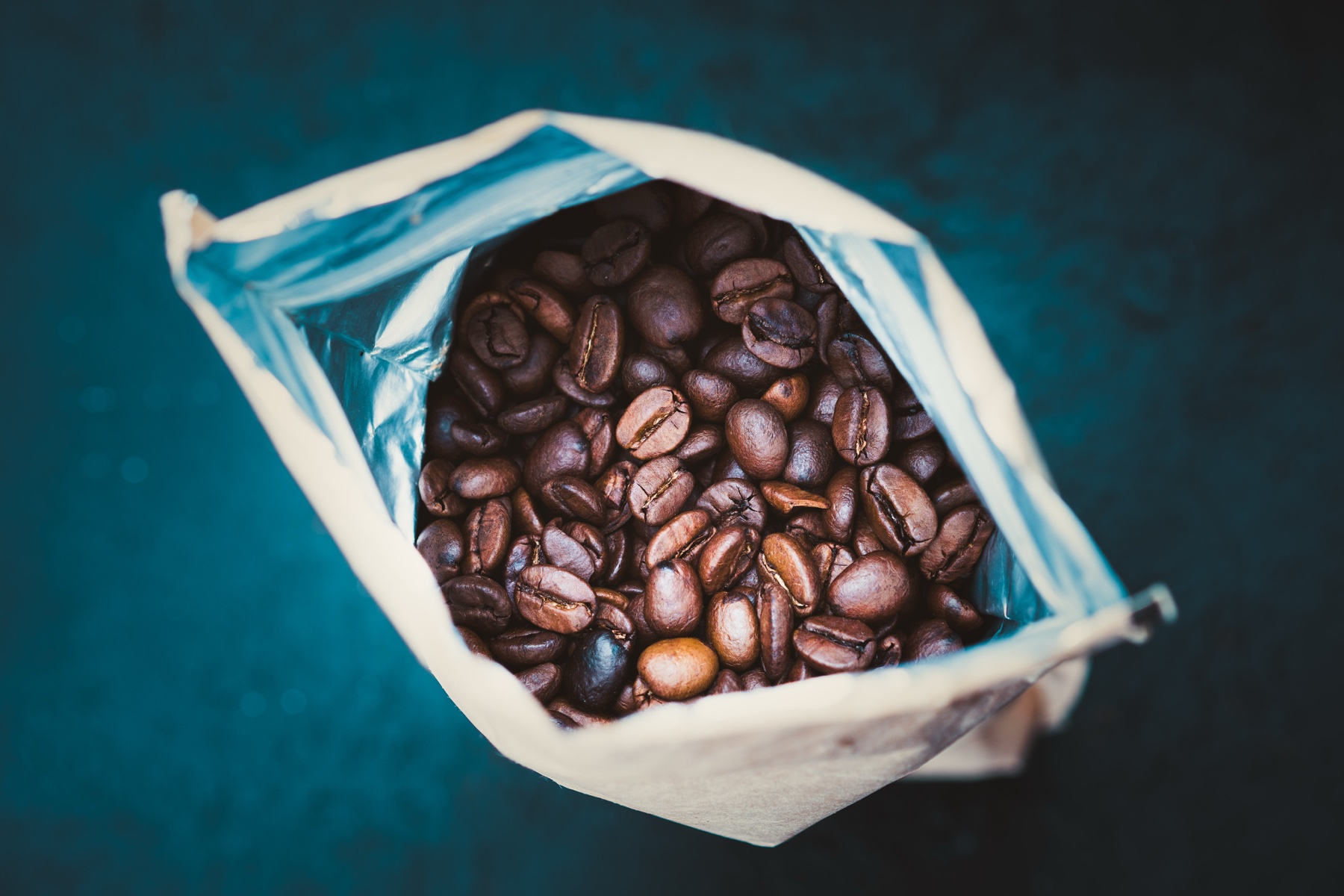
Café de Volcán nitrogen flushes our roasted coffee bags before sealing. Combined with good packaging, this gives the coffee a more protected path through shipping, storage, and the time before opening.
The benefit is meaningful but not magical. Nitrogen flushing can materially extend the protected life of an unopened bag, often described as roughly doubling the useful sensory window compared with similar coffee sealed with ordinary air. Once the bag is opened, the coffee should still be treated like fresh food: resealed well and brewed while aroma remains vivid.
For us, nitrogen flushing is not a marketing flourish; it is a quiet freshness practice. It helps preserve the coffee we meant to send, so the first cup from the bag still feels fragrant, sweet, and alive.