
Troubleshooting
When Coffee Tastes Sour: Understanding Under-Extraction
When a cup lands on the bright, sour, or thin side, the extraction has stopped short of the bean's balance point. The acids have arrived in the water, but the sugars and the fuller compounds that round out a cup have not yet joined them. The result can feel sharp, empty, or lacking in sweetness — a cup still reaching for its middle notes.
The chemistry behind sourness comes from incomplete compound development. Citric acid, malic acid, and quinic acid extract within the first 30 to 60 seconds of contact and contribute the bright fruit-like brightness that defines well-balanced cups. When extraction stops at this stage, these acids dominate without the sugars and Maillard reaction products that would normally balance them. Sucrose and the simple sugars that contribute sweetness extract more slowly and require additional time, temperature, or surface area to fully release. Melanoidins, the larger molecules that contribute body and rounded mouthfeel, extract last and never appear in significantly under-extracted cups. A sour cup is not a cup with too much acid — it is a cup where the acids arrived alone without their balancing partners.
The adjustments that round out a bright cup all deepen extraction. A finer grind increases surface area and lets the water pull more from each particle. A longer contact time allows the sugars and fuller compounds more time to emerge. Slightly hotter water extracts more actively, pulling what might otherwise stay behind. A lower ratio of water to coffee concentrates the extraction and brings the body forward.
Specific adjustments by method help locate where to start.
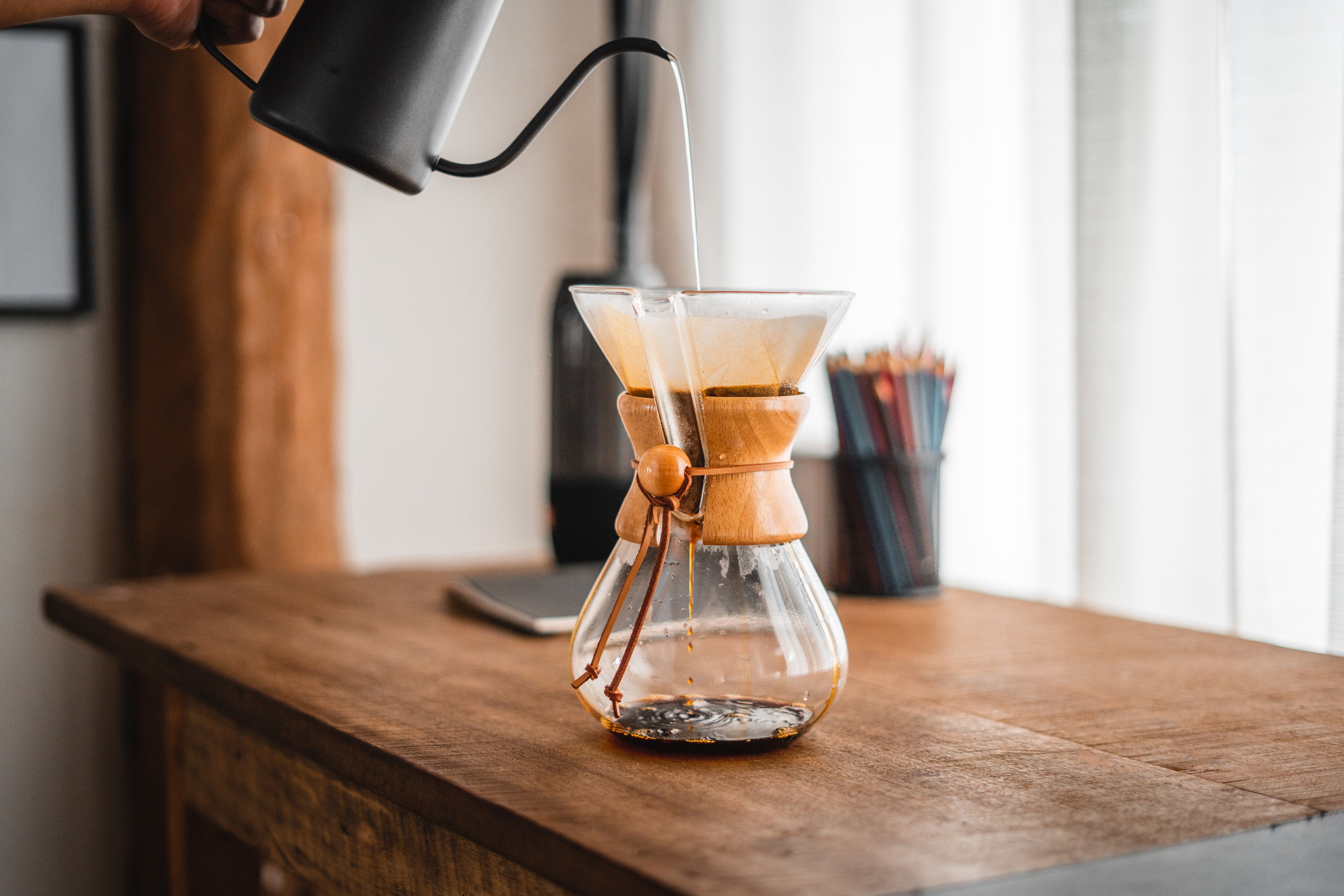
For pour-over like V60 or Kalita Wave, the most common sour-cup fix is grinding 1-2 settings finer on a quality burr grinder. If the grind is already calibrated, raising water temperature from 92°C (198°F) to 96°C (205°F) often resolves sourness while preserving clarity. Extending total brew time by adding a longer pour pause or slowing the pour rate can also help.
For espresso, sour shots typically respond to grinding slightly finer to deepen extraction, extending the shot time by 2-4 seconds, or raising brew temperature by 1 to 2°C (1.8 to 3.6°F) if the machine allows it. Increasing the dose by 0.5-1 gram while keeping the yield constant produces a more developed and sweeter shot.
For French press, the strongest lever is steep time. Extending from 4 minutes to 5 minutes often resolves sourness immediately. Finer grinding also helps within reason, though too fine creates excessive sediment. Raising water temperature to closer to 96°C (205°F) at the start of the steep also brings out more sweetness.
For drip machines, options are more limited because temperature and time are mostly fixed by the machine. Grinding finer is the primary adjustment. Increasing the coffee dose slightly produces a fuller cup. If the machine allows pre-infusion or temperature adjustment, raising temperature toward 96°C (205°F) usually helps.
The right adjustment depends on where the cup is sitting. If the cup tastes sour and thin, a finer grind usually does the most in a single change. If it tastes clean but unsweet, extending the brew time or raising the temperature can often bring the sweetness forward. Café de Volcán treats these adjustments as a conversation between brewer and bean, each cup answering the last.