
Troubleshooting
When Coffee Tastes Bitter: Reading the Signs of Over-Extraction
When a cup lands on the bitter side, the extraction has gone a little further than the bean's balance point. The deeper compounds have arrived in the water — compounds that would have stayed dormant with less heat, time, or contact — and they bring dryness and astringency with them. Reading this in the cup is the first step to dialing the next one closer to where the balance sits.
The chemistry behind bitterness comes from specific compound classes. Chlorogenic acid lactones formed during roasting extract heavily under prolonged contact and contribute the dry, harsh bitterness most drinkers recognize. Quinic acid, a breakdown product that accumulates with extended brewing time, adds a sharp tannic quality. Larger phenolic compounds and trigonelline derivatives release in the final stages of extraction, contributing the lingering bitter aftertaste that signals over-extraction clearly. These compounds are present in all coffee, but in a balanced cup they sit underneath the acids, sugars, and aromatic compounds rather than dominating.
The adjustments that soften a bitter cup all reduce the reach of extraction. A coarser grind gives the water less surface area to pull from. A shorter contact time stops the extraction before the deeper compounds fully emerge. Slightly cooler water extracts more gently, leaving some of the heavier material behind. A higher ratio of water to coffee dilutes the concentration without changing the extraction directly.
Specific adjustments by method help locate where to start.
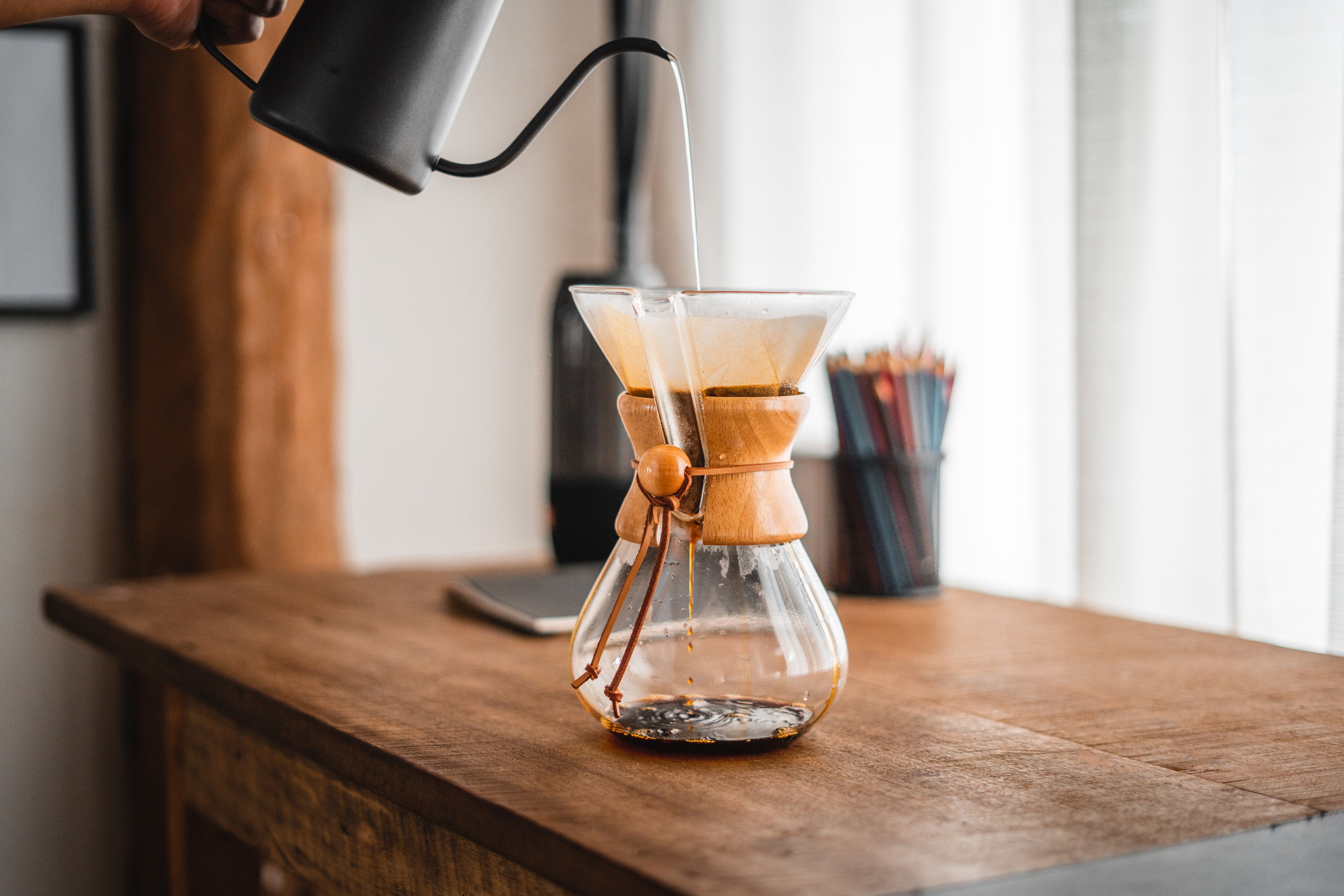
For pour-over like V60 or Kalita Wave, the most common bitter-cup fix is grinding 1-2 settings coarser on a quality burr grinder. If the grind is already calibrated, dropping water temperature from 96°C (205°F) to 92°C (198°F) often resolves bitterness while preserving brightness. Reducing total brew time by shortening pour pauses can also help.
For espresso, bitter shots typically respond to grinding slightly coarser to reduce extraction, shortening the shot time by 2-4 seconds, or dropping brew temperature by 1 to 2°C (1.8 to 3.6°F) if the machine allows it. Reducing the dose by 0.5-1 gram while keeping the yield constant produces a less concentrated and less bitter shot.
For French press, the strongest lever is steep time. Reducing from 4 minutes to 3 minutes often resolves bitterness immediately. Coarsening the grind also helps, as does pouring the brewed coffee off the grounds rather than leaving it in contact with the press through serving.
For drip machines, options are more limited because temperature and time are mostly fixed by the machine. Coarsening the grind is the primary adjustment. Reducing the coffee dose slightly produces a softer cup. Some drip machines allow temperature reduction, which helps when available.
The right adjustment depends on where else the cup is sitting. If the body feels right but the finish leans bitter, a slightly coarser grind often moves the cup toward balance. If the whole cup feels heavy, a shorter contact or cooler temperature tends to help more. Café de Volcán encourages brewers to change one variable at a time, observe the next cup, and let the adjustments guide them toward the balance they are looking for.