
Quality Standards
What Makes Coffee 'Specialty' Part 2: Why the 80-Point Threshold
The 80-point threshold covered in Part 1 isn't arbitrary. It emerged from specific historical and practical considerations that shape the specialty coffee industry today, and it has particular significance for Latin American volcanic coffee.
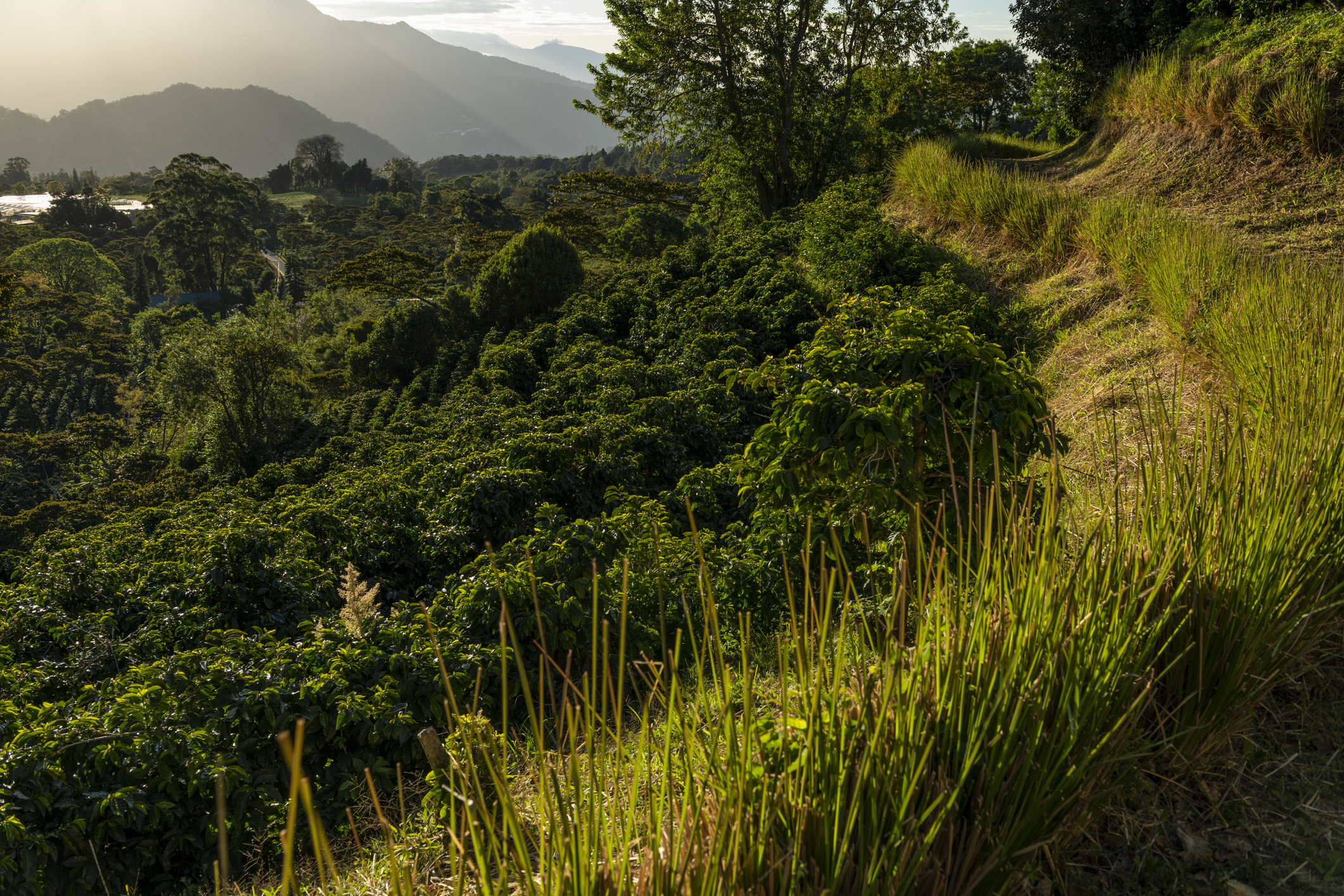
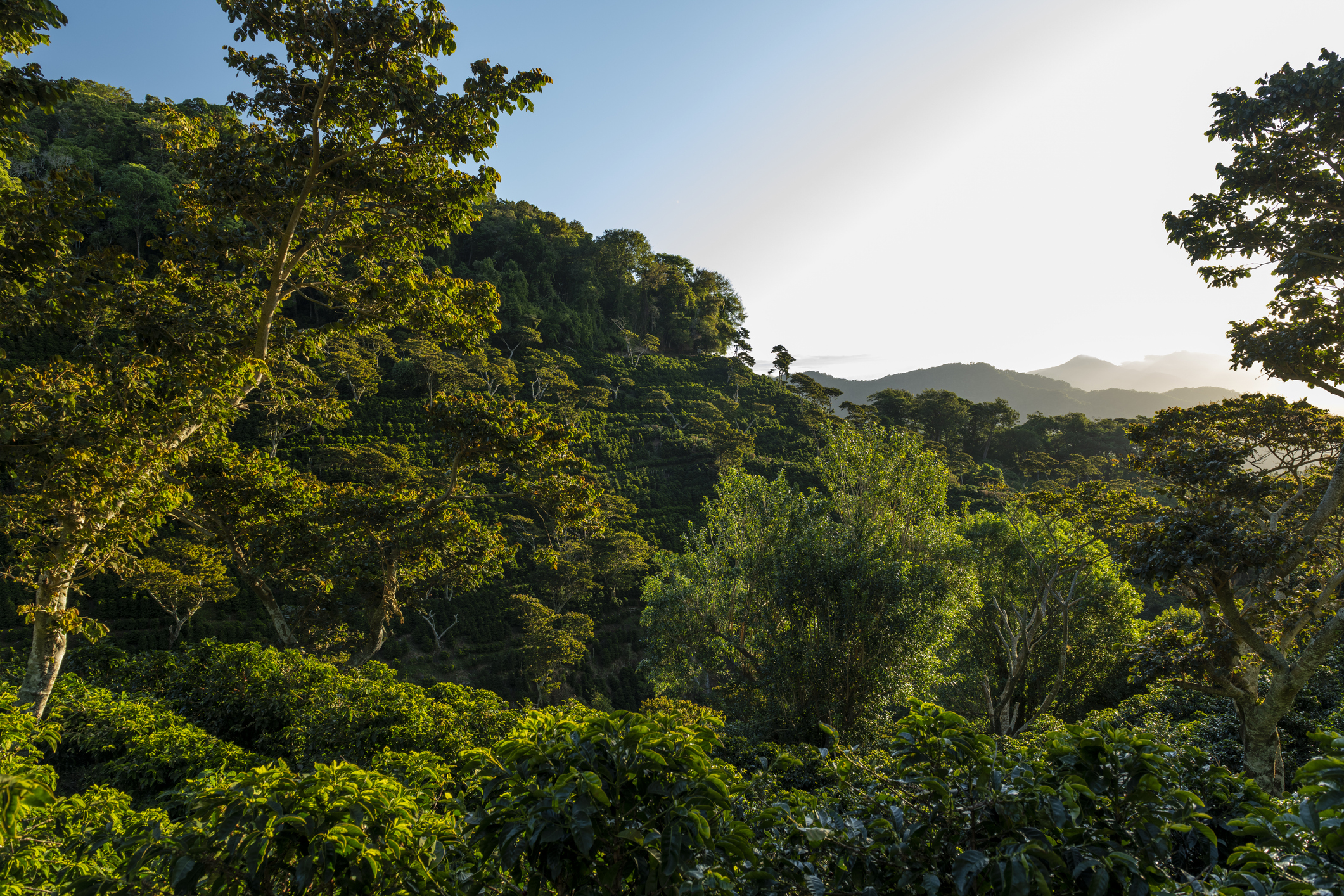
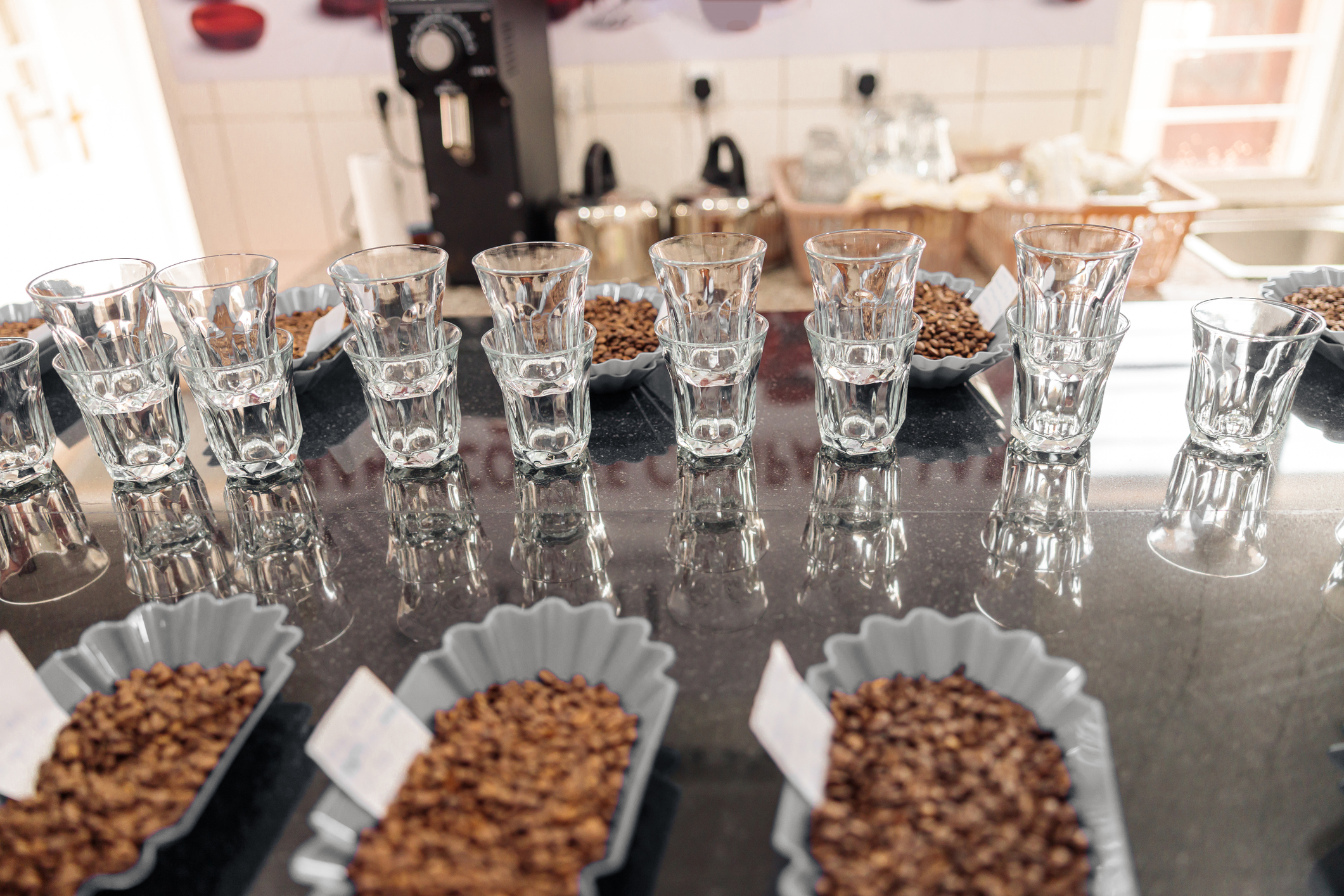
The threshold traces to the founding of the Specialty Coffee Association of America (SCAA) in 1982 and the subsequent development of the cupping protocol through the 1990s. Erna Knutsen, who coined the term "specialty coffee" in 1974, established the conceptual framework: coffee from specific microclimates that produced cups distinct from commodity blends. Latin American volcanic regions — the Panamanian highlands, the Costa Rican volcanic central valleys, the Guatemalan Antigua region, the Colombian volcanic zones, the Salvadoran volcanic highlands — were among the regions whose distinctive cup character helped establish the specialty category in the first place. The cupping protocol formalized what "distinct" meant in measurable terms.
The 80-point threshold was selected because cupping research demonstrated that this score level reliably identified coffees with three specific characteristics that distinguish specialty from commodity.
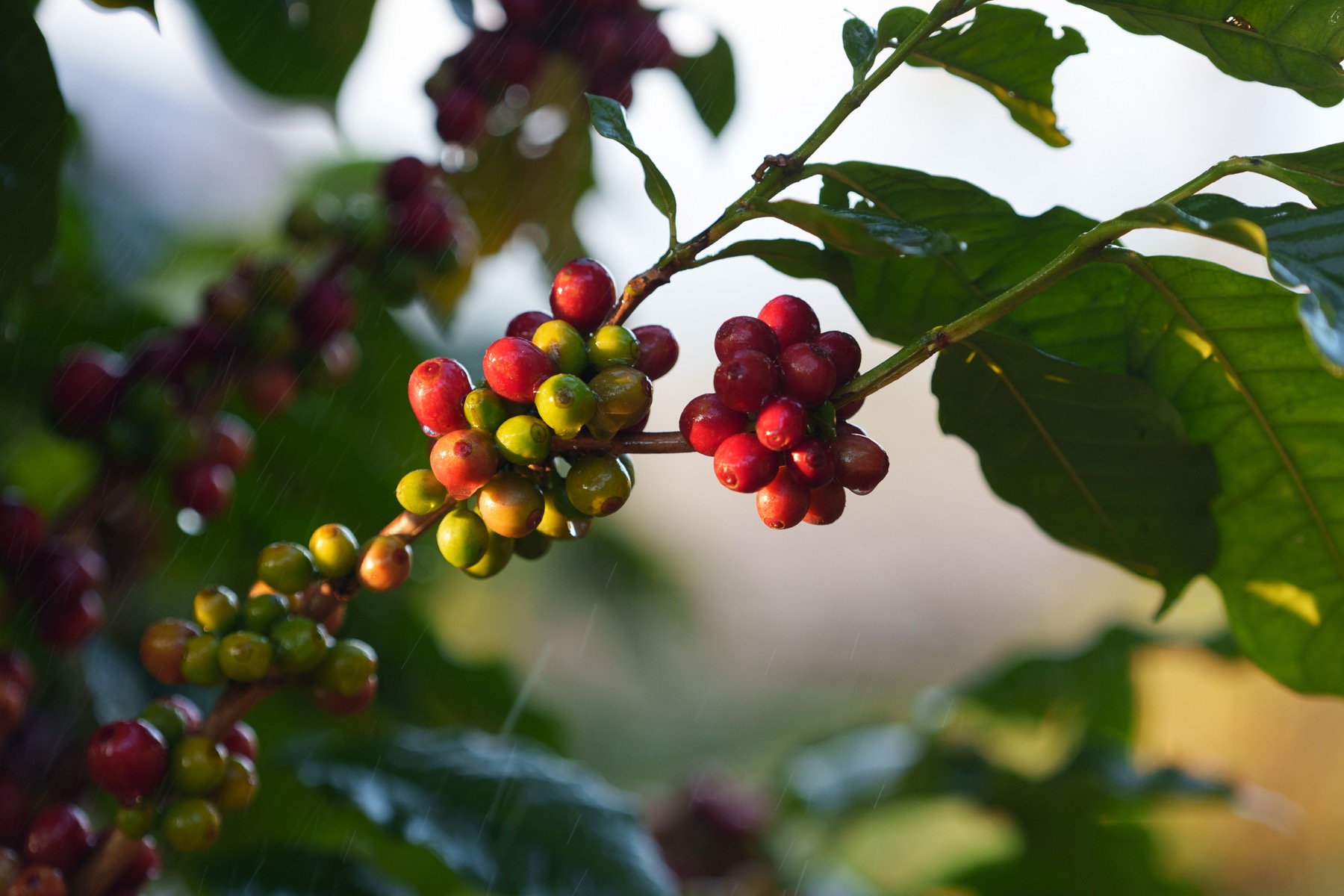
First, the absence of significant defects. Coffees above 80 do not carry detectable defects — stinker beans from improper fermentation, phenolic notes from disease, baggy notes from poor storage, woody notes from age. The threshold marks the point where defect-free coffee becomes consistent rather than occasional. Latin American volcanic coffees benefit from cooler highland temperatures and cleaner volcanic soil composition that together reduce the disease pressure and processing inconsistencies that can produce defects.
Second, clear sensory character. Coffees at 80 and above demonstrate clear flavor characteristics that connect to their origin. A Panamanian Pacamara from Volcán region farms tastes recognizably like Panamanian Pacamara. A Guatemalan Bourbon from Antigua tastes recognizably like Antigua Bourbon. A Costa Rican Caturra from Tarrazú tastes recognizably like Tarrazú Caturra. The threshold marks the point where coffee carries identifiable place character rather than uniformity, and Latin American volcanic origins are particularly known for this place-specific expression because the volcanic soils and elevation conditions produce concentrated flavor development.
Third, consistency across cups. The Uniformity, Clean Cup, and Sweetness attributes specifically evaluate whether the coffee is consistent across multiple cups of the same lot. Coffees scoring above 80 demonstrate this consistency reliably. The threshold marks the point where the coffee can be relied upon to deliver the same experience reliably. Volcanic-region producers in Panama, Costa Rica, Guatemala, El Salvador, Colombia, and other Latin American origins have developed processing infrastructure over generations that produces this consistency at scale.
These three characteristics together — defect-free, distinctive, and consistent — define what specialty coffee actually is at a sensory level. The 80-point threshold operationalizes this definition into a measurable standard that the entire industry can apply.
The score tiers above 80 each have practical meaning. Coffees scoring 80.00 to 84.75 are considered "specialty" and represent the foundation of specialty markets. Coffees scoring 85.00 to 89.75 are considered "very good" or "specialty premium" and command meaningful price premiums. Coffees scoring 90.00 and above are rare — typically reserved for exceptional lots from exceptional producers — and command auction prices that can reach hundreds or thousands of dollars per pound. The Best of Panama auction, which evaluates Panamanian volcanic-region coffees specifically, routinely produces coffees scoring 92 to 95+, with Geisha lots from highland farms setting world records for green coffee prices in recent years.
Part 3 of this article covers what the 80-point threshold means for the supply chain — for green buyers, for highland producers, and for consumers who choose to drink at this level of quality.