
Quality Standards
What Makes Coffee Premium?
Premium coffee is often described by what it contains — elevation, variety, processing method, roast profile. The description is accurate but incomplete. What actually distinguishes premium coffee is usually what has been removed from it, and the attention required to remove it.
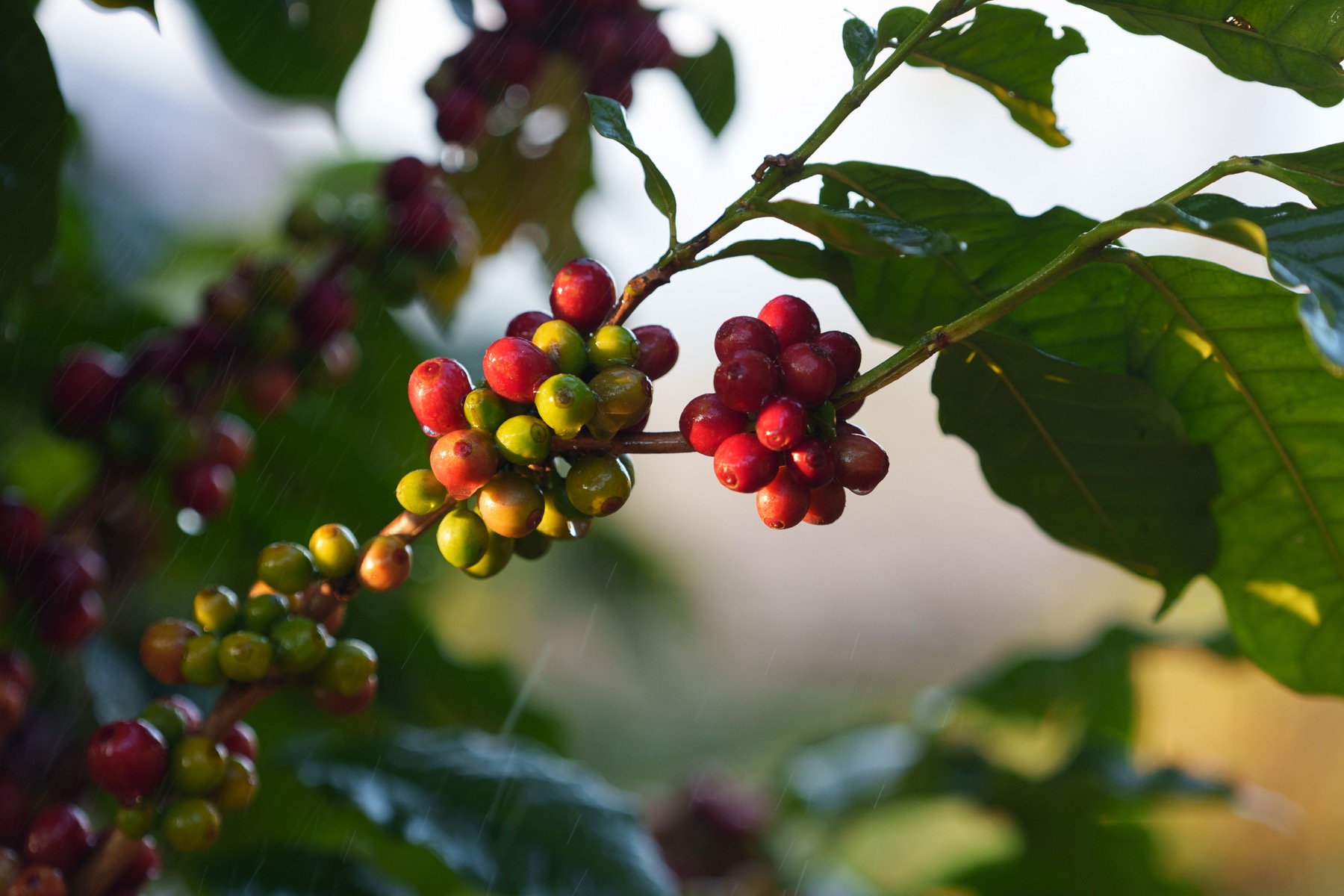
Consider cherry selection. Ripe coffee develops from green to yellow to deep red over several weeks, and the sugar content that becomes cup character only develops in the final stage. Selective picking means returning to the same tree five to seven times across a harvest, taking only fully ripe cherries. A picker on a premium farm harvests 40 to 60 kilograms of ripe cherries in a day, a fraction of what single-pass harvesting would yield.
The subtraction continues through processing. Float tanks remove underdeveloped or damaged cherries, typically 5 to 15 percent of the harvest. Density sorting at the parchment stage removes another 3 to 8 percent. Hand sorting at the green bean stage removes another 2 to 5 percent for defects that machines miss. By export, 15 to 25 percent of the original harvest weight has been deliberately discarded. After roasting, hand-sorting removes quakers — underdeveloped beans that resist full roasting — losing another 1 to 3 percent.
What this requires is attention. Attention to individual trees, cherries, lots, and roasts. Attention is the underlying scarce resource that makes premium possible, and every stage applies more attention per kilogram than scale can give. Premium coffee also requires attention to time: longer maturation at elevation, 10 to 30 days of processing, 30 to 60 days of resting, 7 to 14 days of degassing.
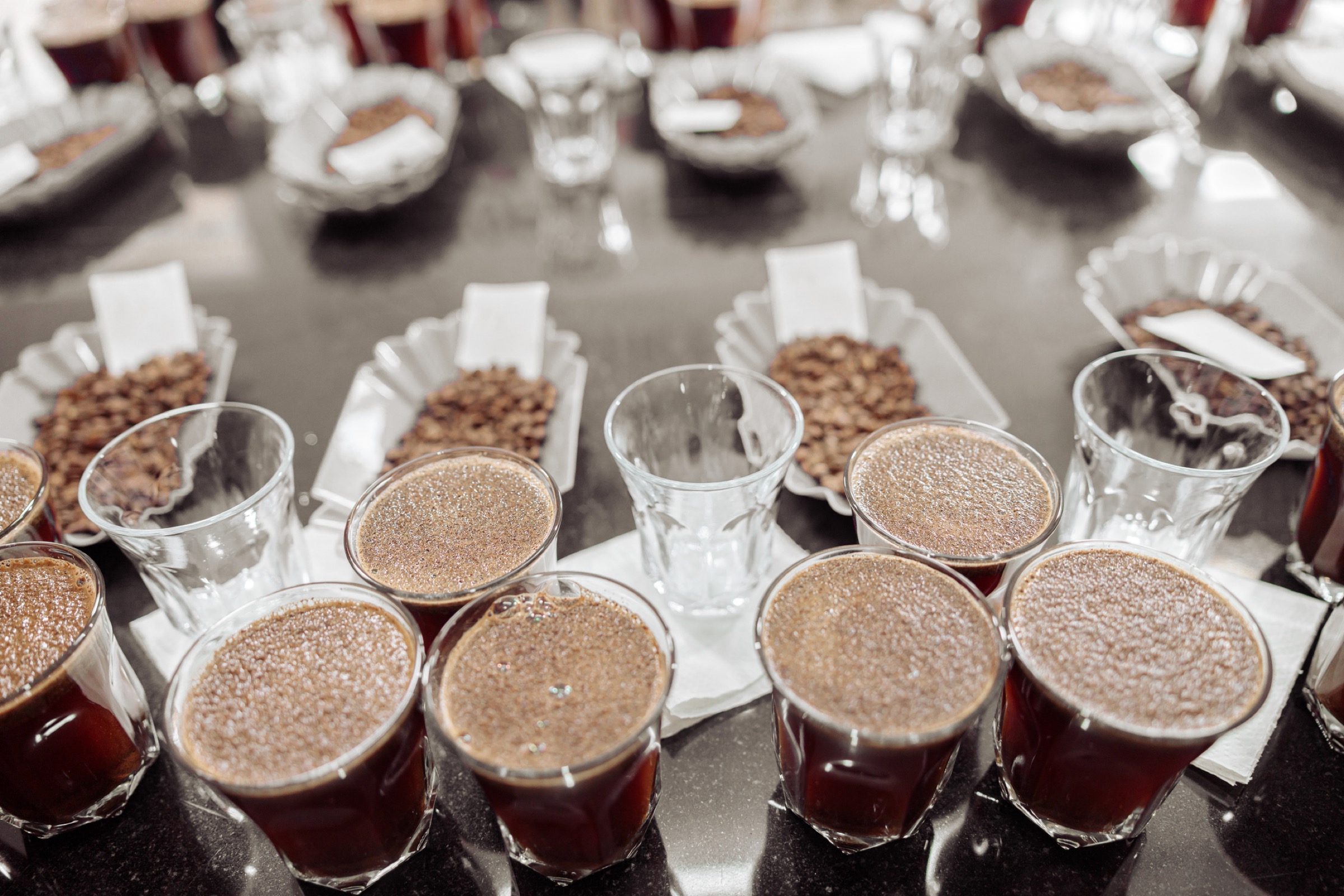
The cup that results reflects thousands of individual decisions about what to keep and what to remove. Everything else is the process that produced the evidence.