
Scarcity & Value
What Makes A Coffee Rare?
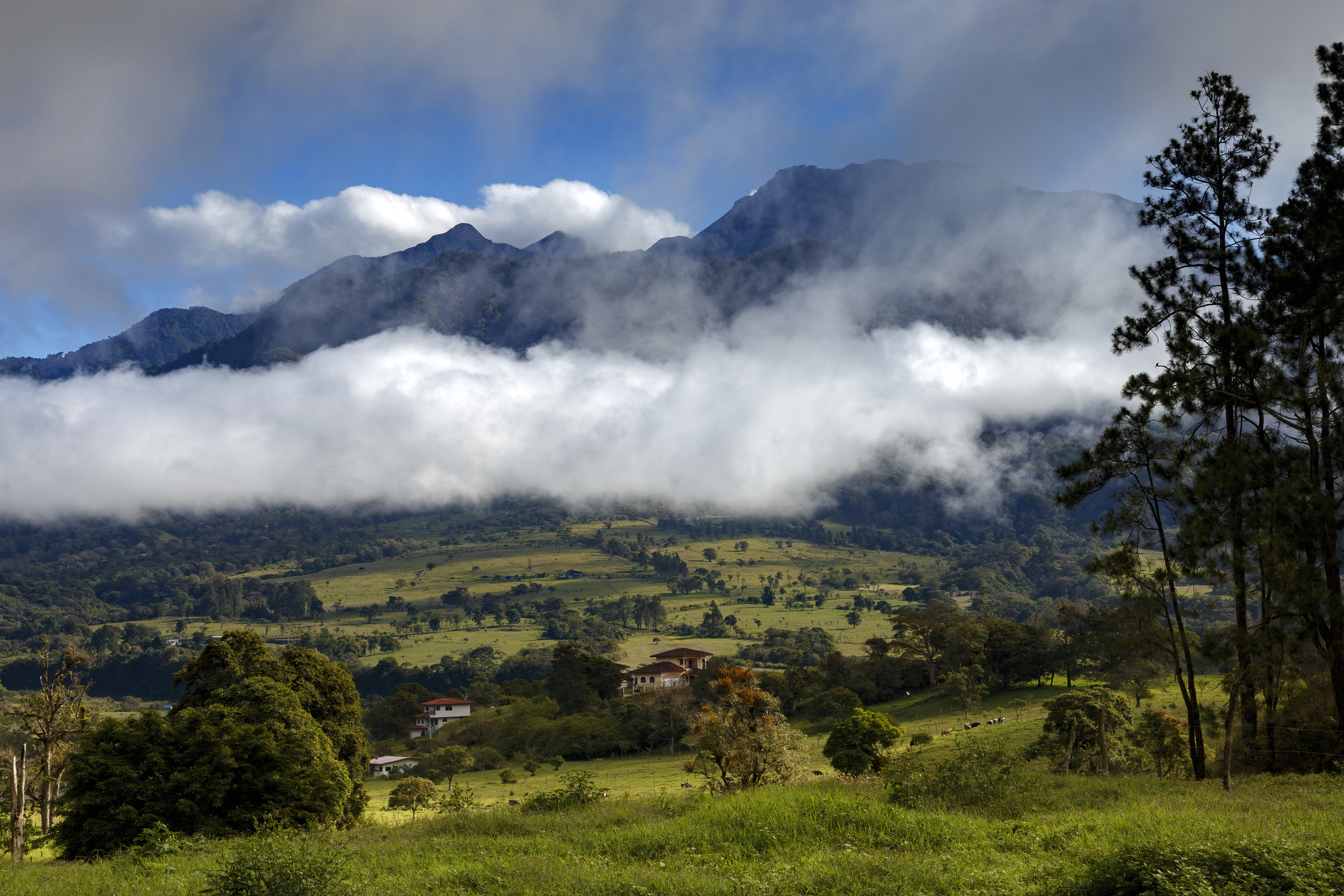
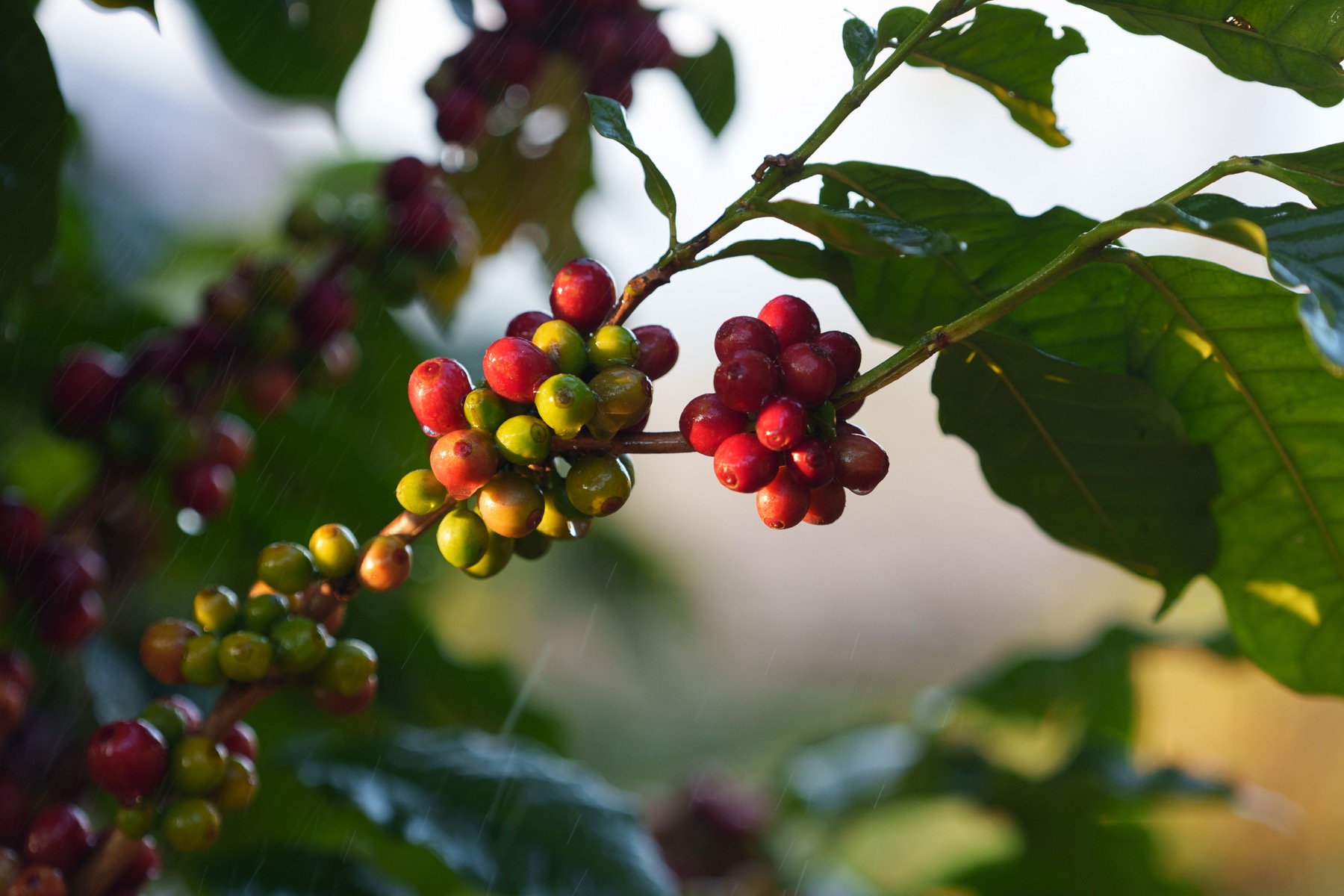
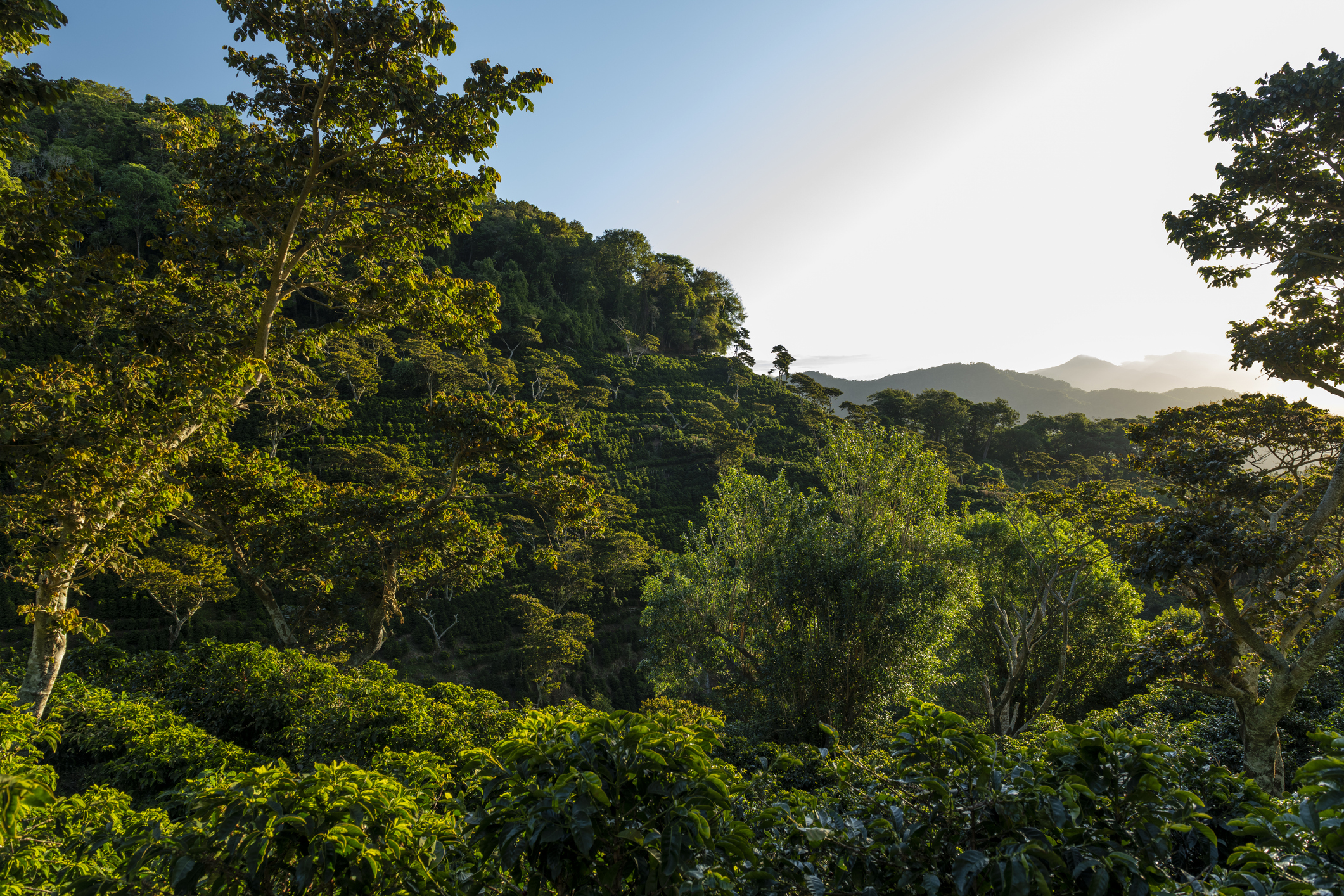
A coffee becomes rare through a combination of factors: limited quantity, exceptional quality, and the story that connects a specific lot to a specific place, farm, harvest, or experiment. Rare coffees often come from small farms where a particular microlot stands out, from unusual varieties that produce distinctive cups, or from experimental processing methods that happened to deliver exceptional results in a specific batch.
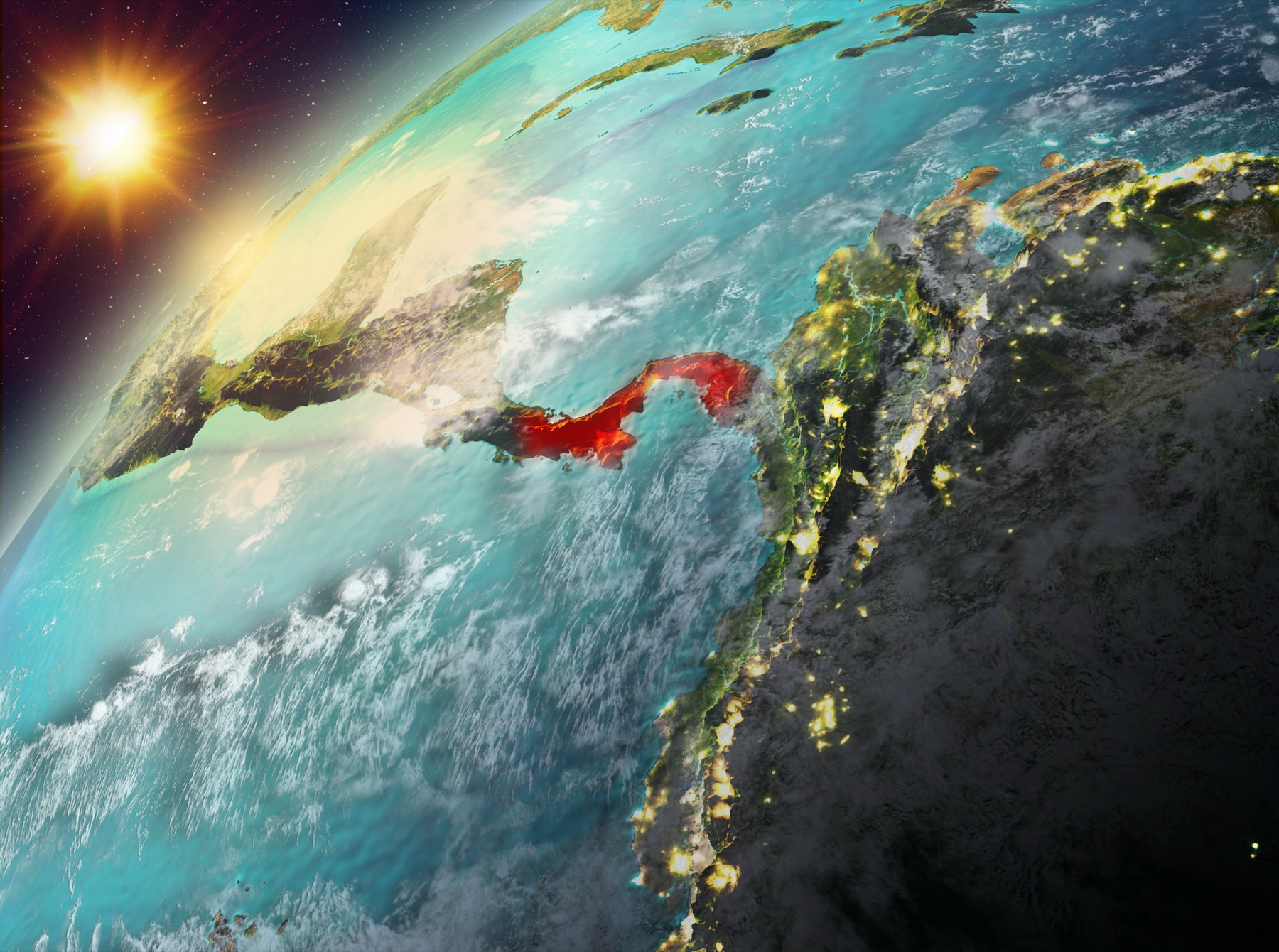
The Best of Panama auction is one of the most visible forums where rare coffees find their market. Each year, Panamanian producers submit their best Geisha lots for competition, the highest-scoring are auctioned to international buyers, and prices for the top lots have reached thousands of dollars per pound in recent years. The 2019 Elida Geisha Natural sold for $1,029 per pound; the 2023 Nuguo Estate broke records at over $10,000 per pound. These prices reflect scarcity, exceptional cupping scores, and the prestige that celebrated lots carry in the specialty world.
Rarity does not always mean drinkability in practical terms. Auction lots at these prices are typically purchased by high-end cafés and collectors, and most drinkers will never encounter them. More accessible rare coffees exist — small microlots from excellent farms, experimental processing experiments, limited releases from specific harvests. Café de Volcán considers the landscape of rare coffees one of the interesting layers of specialty coffee, while recognizing that the brand's focus on accessible volcanic Latin American blending operates in a different price range and serves a different purpose.