
Buying Intent
What Is Specialty Coffee?
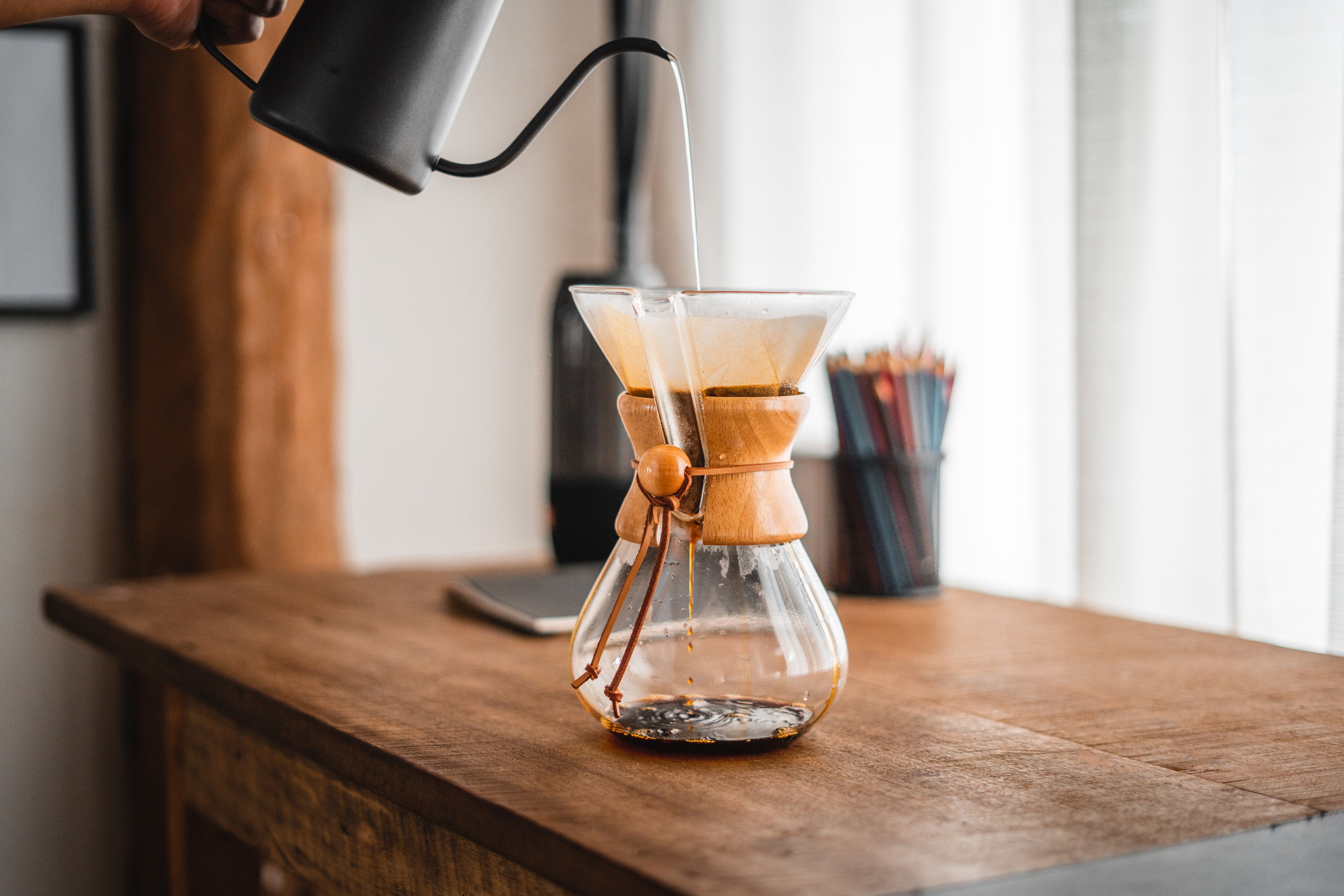
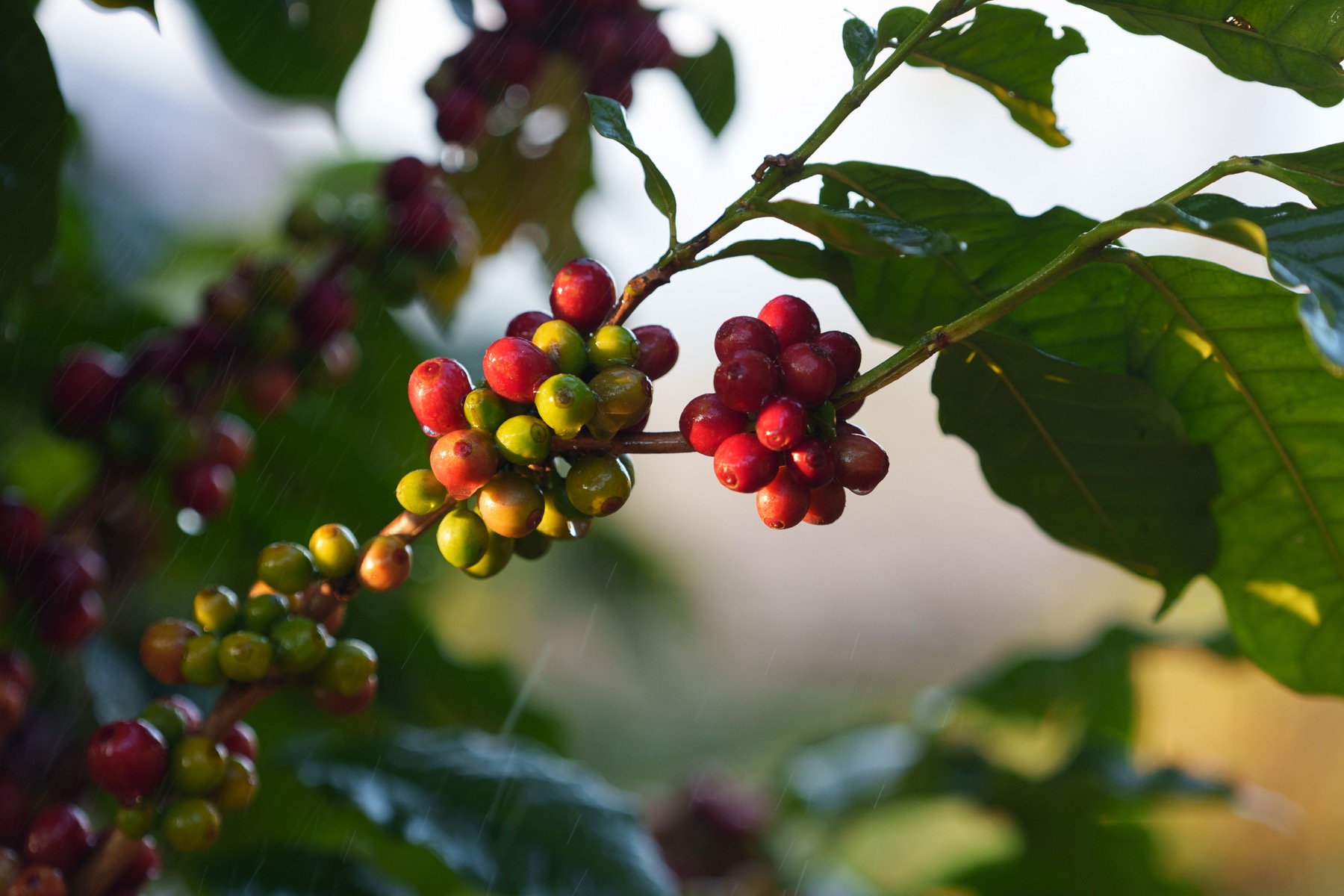
Specialty coffee is coffee whose quality can be traced, measured, and preserved. In common trade language, it usually refers to coffee that scores 80 points or higher on a 100-point scale, but the number is only the shorthand. Behind it are ripe cherries, careful processing, clean drying, skilled roasting, and brewing that lets the coffee show what it has.
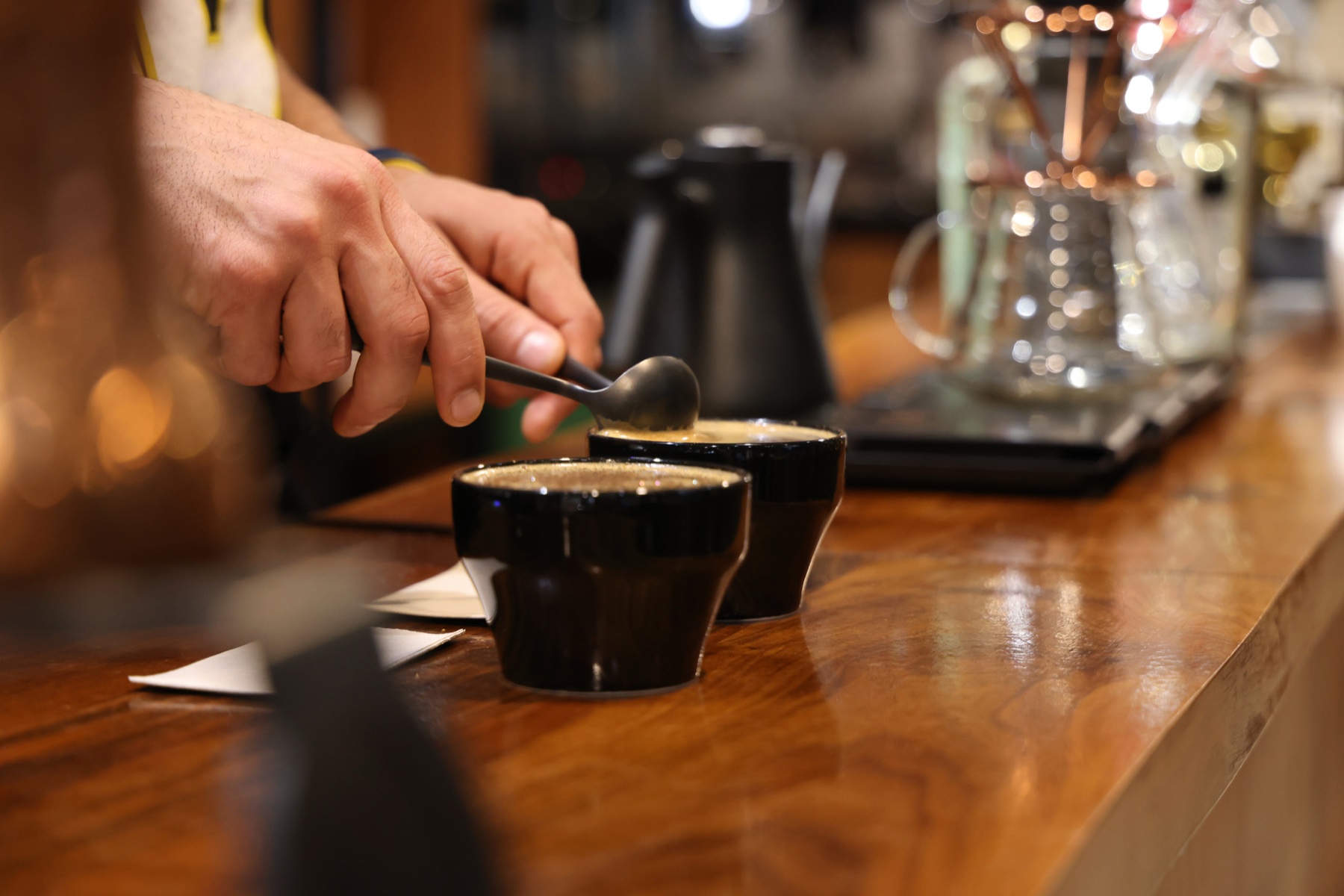
Scoring matters because it gives farmers, roasters, and buyers a shared language. Trained tasters evaluate fragrance, flavor, acidity, body, sweetness, balance, aftertaste, and defects. A coffee can be pleasant and still not be specialty if defects flatten the cup or if the lot lacks the clarity expected at that level.
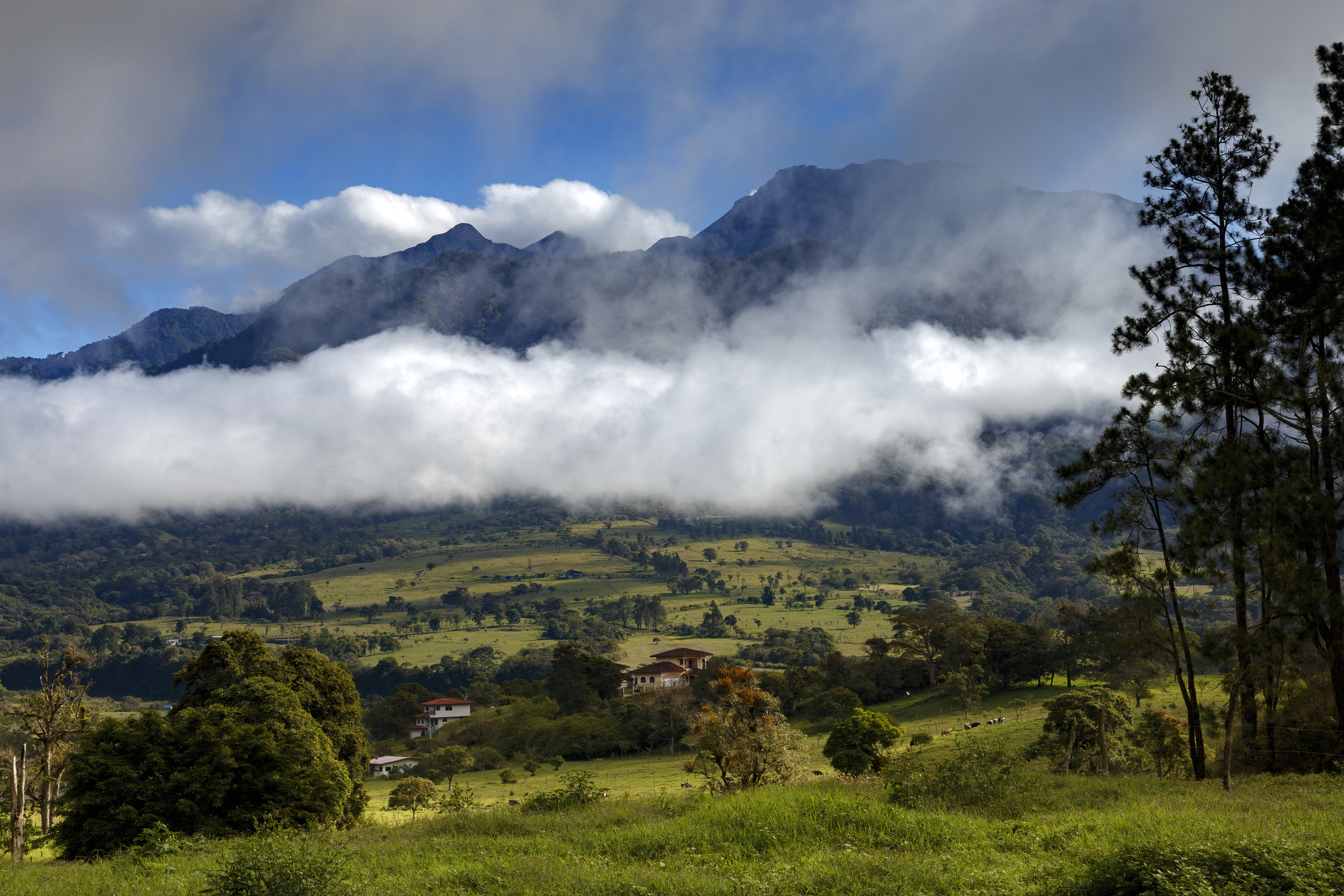
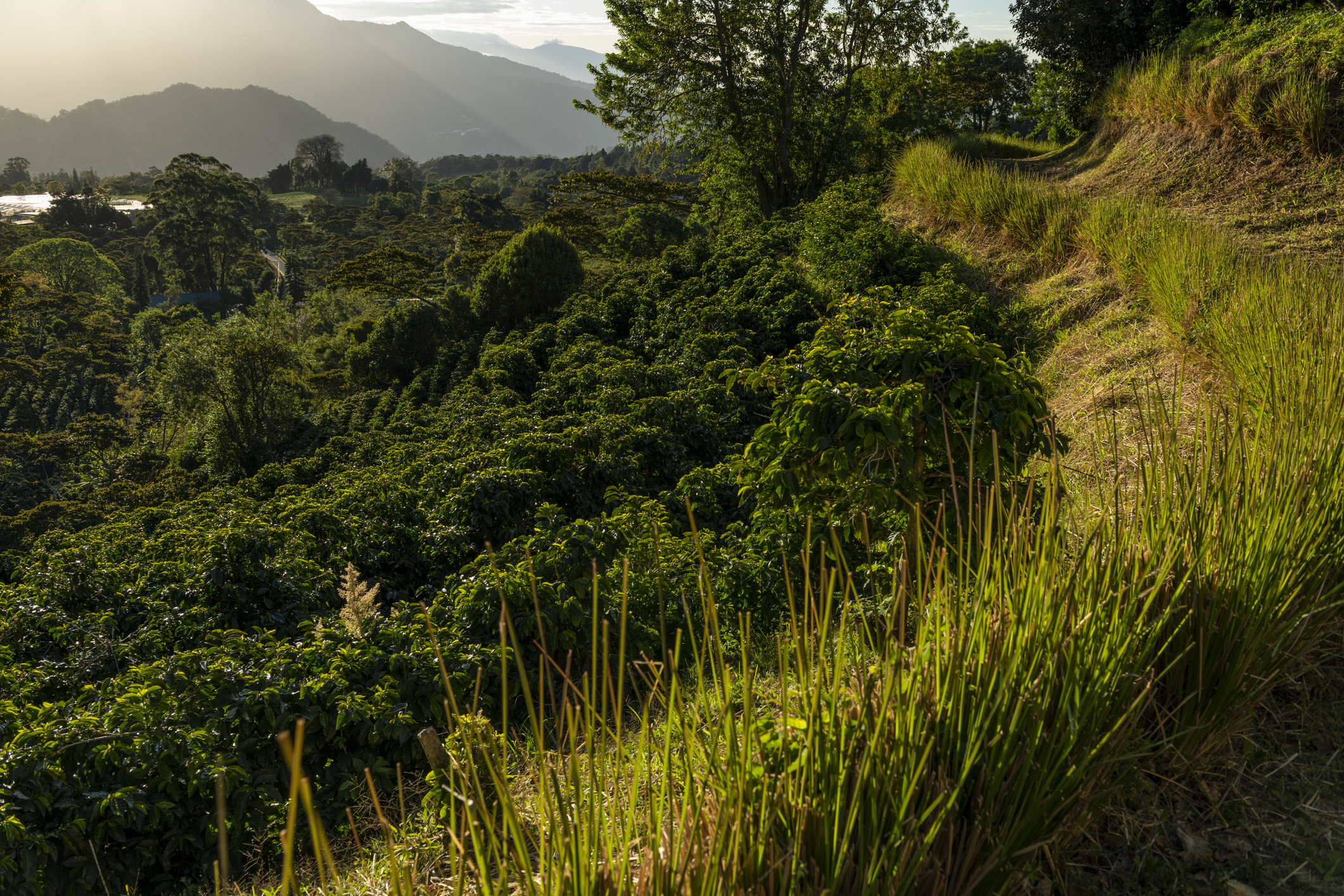
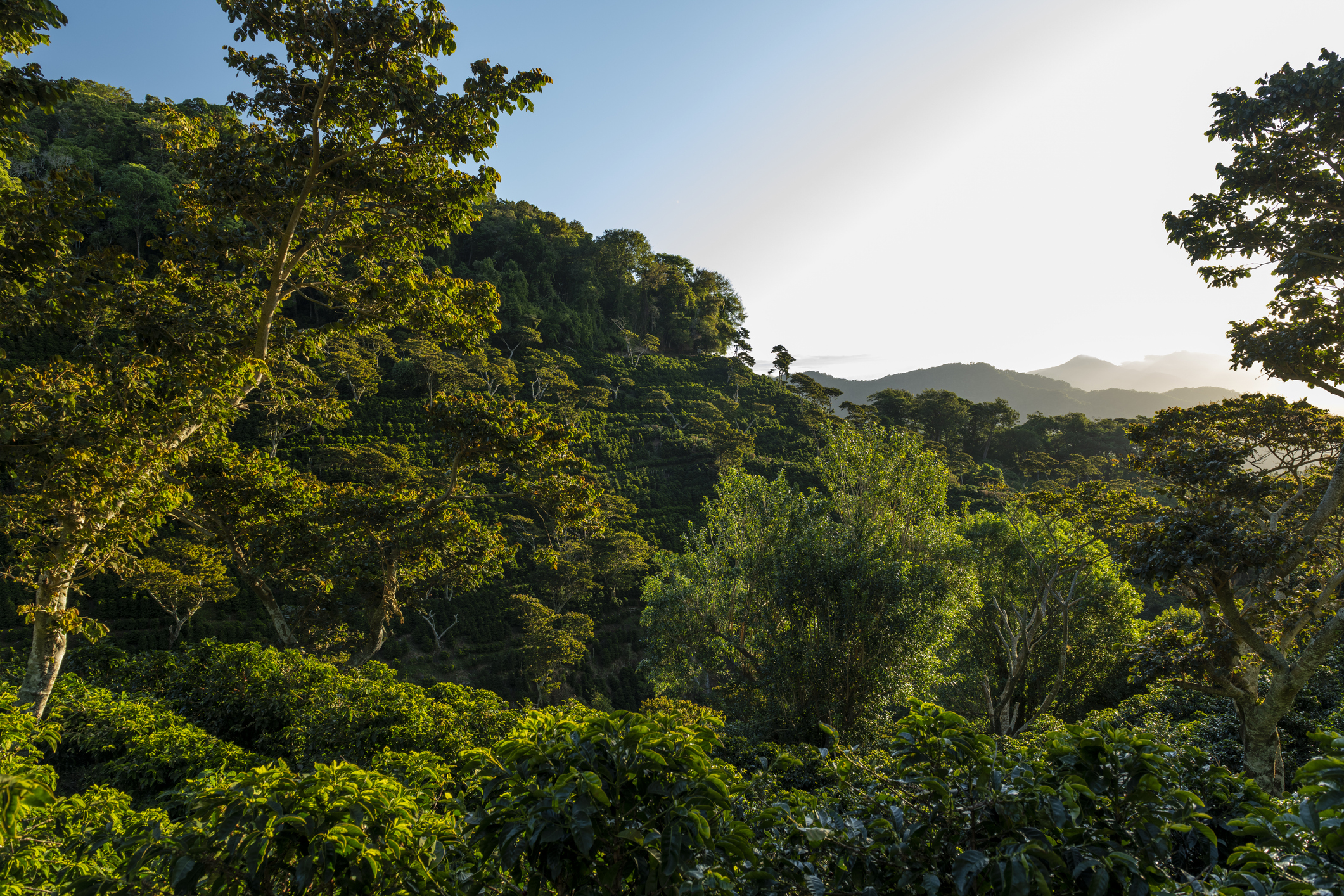
Traceability matters just as much. Specialty coffee is easier to understand when the drinker can connect the cup to a country, region, farm, producer group, variety, process, altitude, or harvest. Those details are not decoration. They explain why one coffee feels floral, another chocolate-toned, another bright, and another soft and round.
To a drinker, specialty coffee should not simply mean expensive or complicated. It should mean the cup has recognizable character. It should taste less anonymous: cleaner, more intentional, and more connected to the decisions that shaped it.
Café de Volcán treats specialty coffee as respect for difference. The goal is not to make every coffee taste rare or dramatic. The goal is to preserve what makes a coffee itself, so the place, variety, processing, roast, and routine can be experienced in the cup.