
Grind & Equipment
Water Quality: The Invisible Ingredient
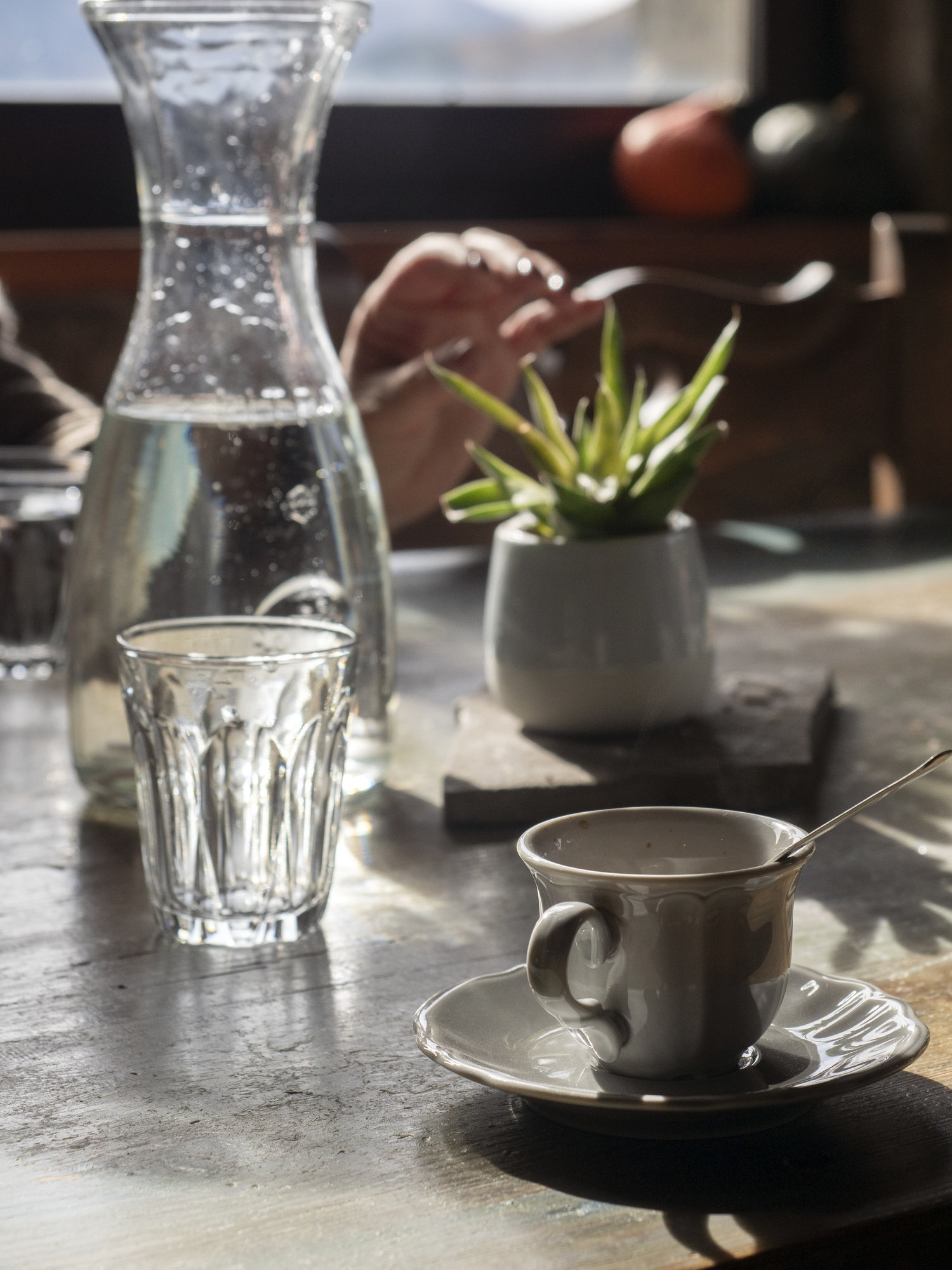
Water is not a neutral medium. A brewed cup of coffee is roughly 98.75 percent water, which means whatever water carries with it shapes the cup as much as the coffee itself. Water arrives at the brewer carrying its own mineral content, its own taste, its own chemistry, and all of these qualities shape how coffee extracts. Water with too few minerals pulls flavor aggressively but lacks the structure to hold it. Water with too many minerals — particularly calcium and bicarbonate — buffers against extraction and mutes the cup.
The Specialty Coffee Association has published specific guidance on the mineral profile of water best suited to brewing. The SCA target range calls for total dissolved solids between 75 and 250 parts per million, with an ideal target of 150 ppm. Calcium hardness should sit between 17 and 85 ppm as calcium carbonate, with 51 ppm as the target. Total alkalinity should fall at 40 ppm with a maximum of 75 ppm. The water should be clean, clear, and odor-free, with a pH between 6.5 and 7.5. Water within this range holds enough minerals to pull flavor effectively, with enough bicarbonate to keep the water balanced but not so much that it stifles acidity. Coffees brewed with properly mineralized water express origin notes clearly and respond predictably to changes in grind, temperature, and time.
Tap water varies enormously by region, and many brewers find that adjusting or filtering their water is the single largest upgrade available to them. Café de Volcán considers water the invisible variable — the one that sets the ceiling on what any coffee, any grinder, and any brewer can achieve together.