
Volcanic Terroir - Climate
Volcanic Versus Sedimentary Origins: A Study in Difference
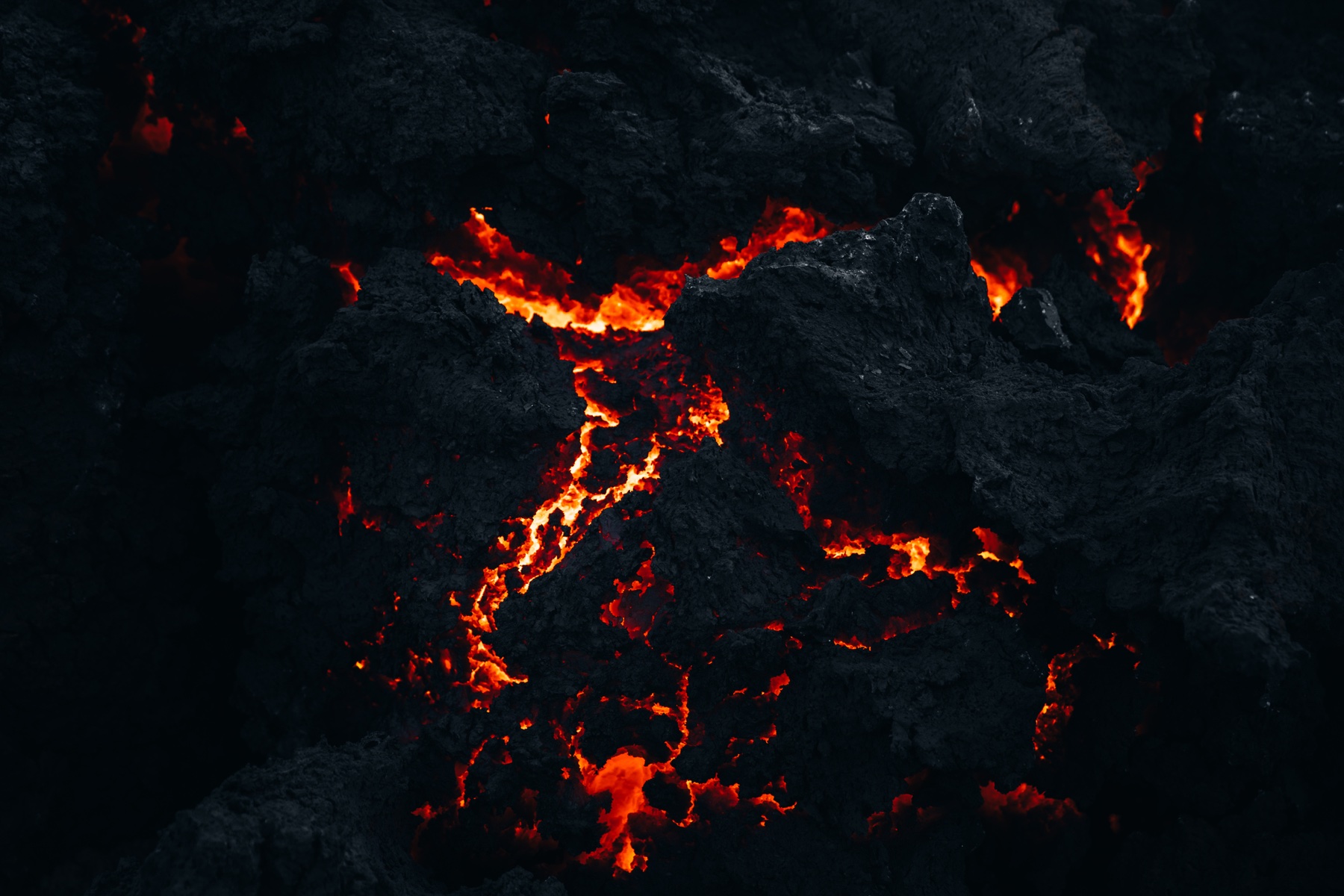
Volcanic soils and sedimentary soils produce coffee with different characteristics, even when variety, elevation, and processing are similar. Volcanic soils, with their mineral richness and distinctive physical structure, tend to produce coffees with more pronounced acidity, greater aromatic complexity, and more layered flavor profiles. Sedimentary soils, formed from the weathered remnants of older sedimentary rocks, often produce coffees with fuller body, softer acidity, and more direct flavor expression.
Neither soil type is better in any absolute sense; they simply produce different cups. Sedimentary-soil coffees from Brazil have earned their own reputation for chocolate, nuts, and rounded sweetness that many drinkers love. Volcanic coffees from Central America tend toward brightness and aromatic range. Blends often combine both for a cup that draws from each tradition.
The difference between the two types comes from mineral chemistry, physical structure, water behavior, and biological activity in the soil. Each of these factors traces through the plant and into the bean, and each contributes to the eventual cup. Café de Volcán focuses on volcanic soils specifically because they align with the aromatic, bright, complex cups the brand values, while respecting that sedimentary origins produce their own excellent coffees in their own traditions.