
Panama
Volcán Barú At First Light
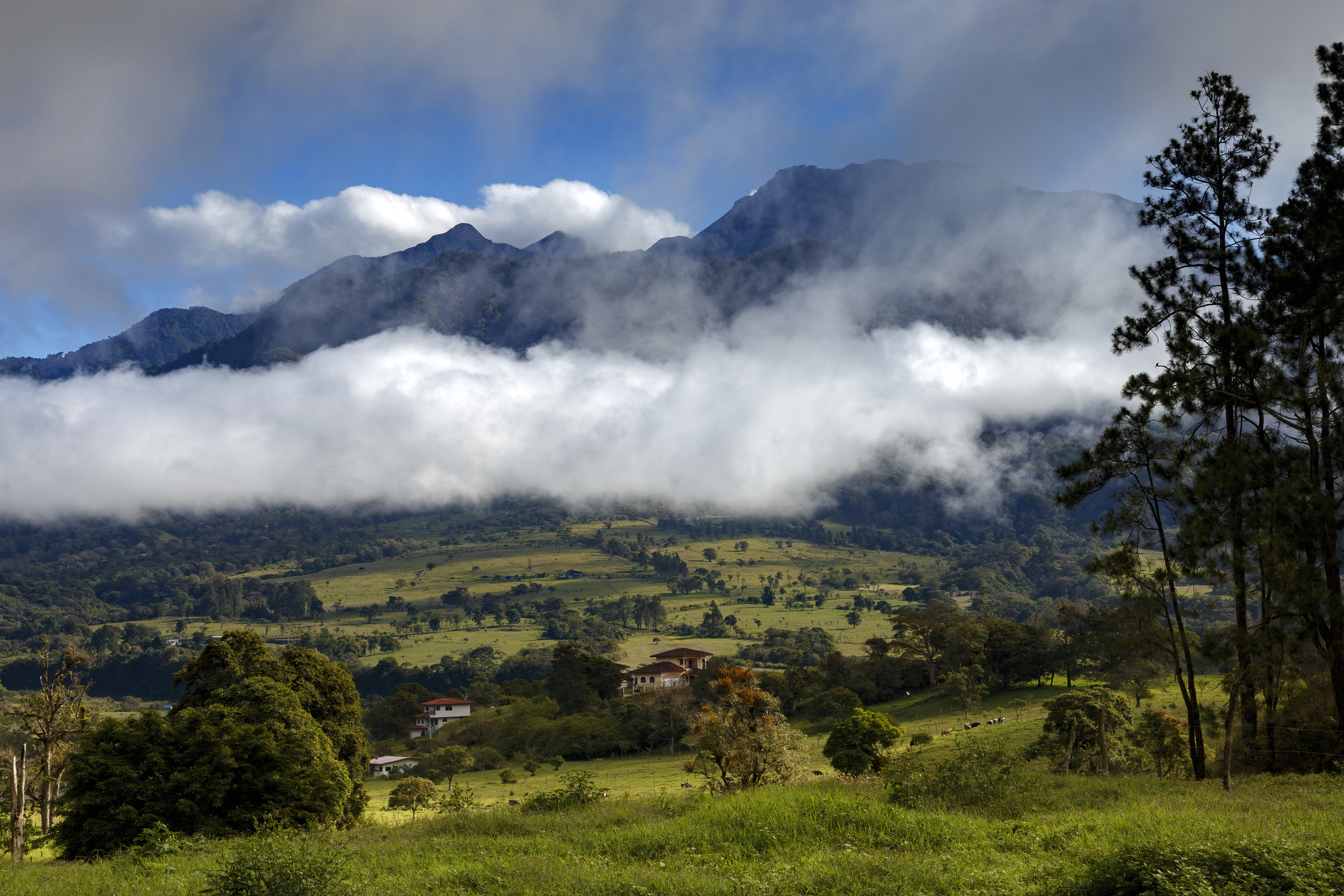
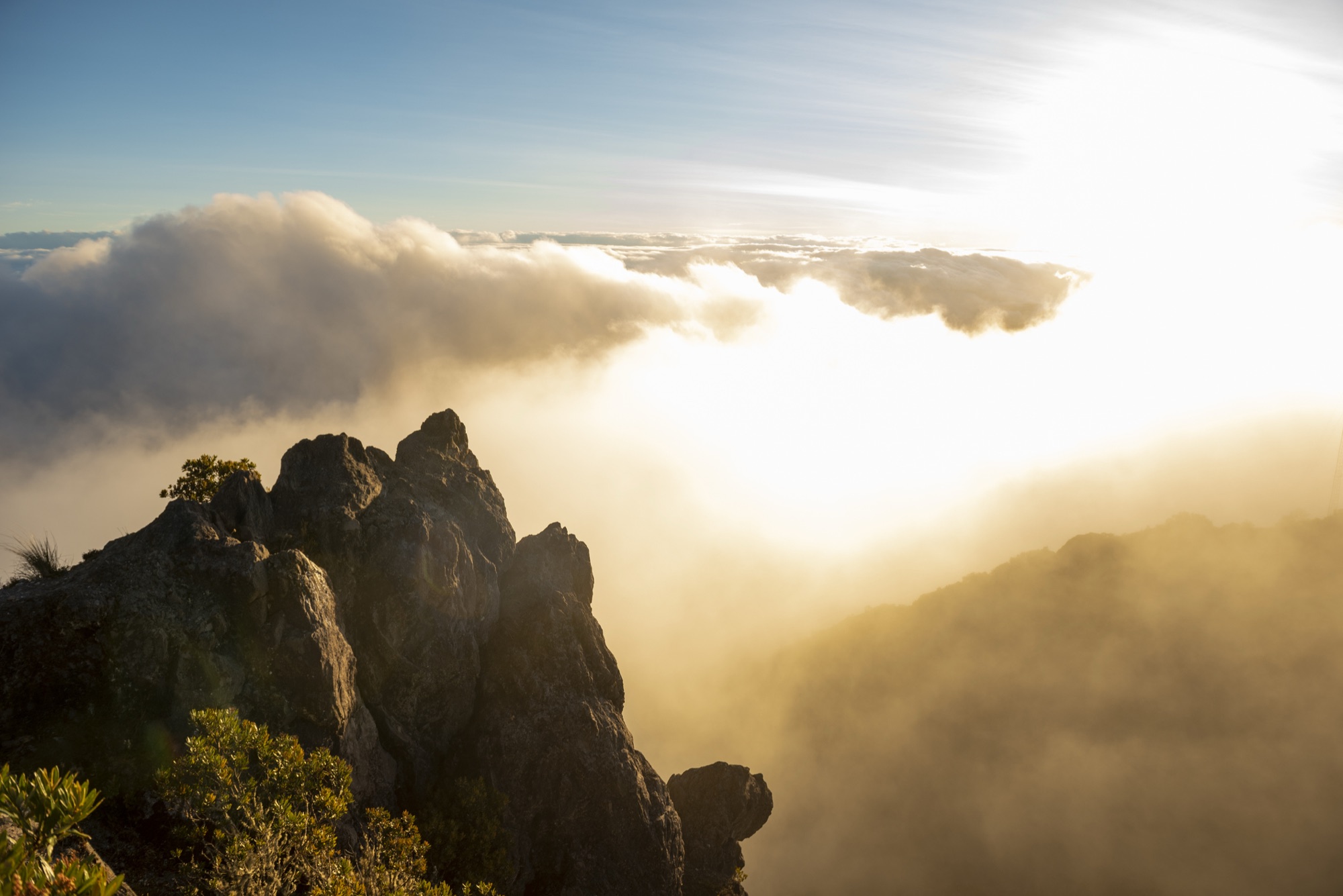
Before the day warms, Volcán Barú can appear slowly, almost reluctantly. Cloud gathers along its slopes, the ridgelines shift from blue to green, and the highlands seem to wake in layers rather than all at once.
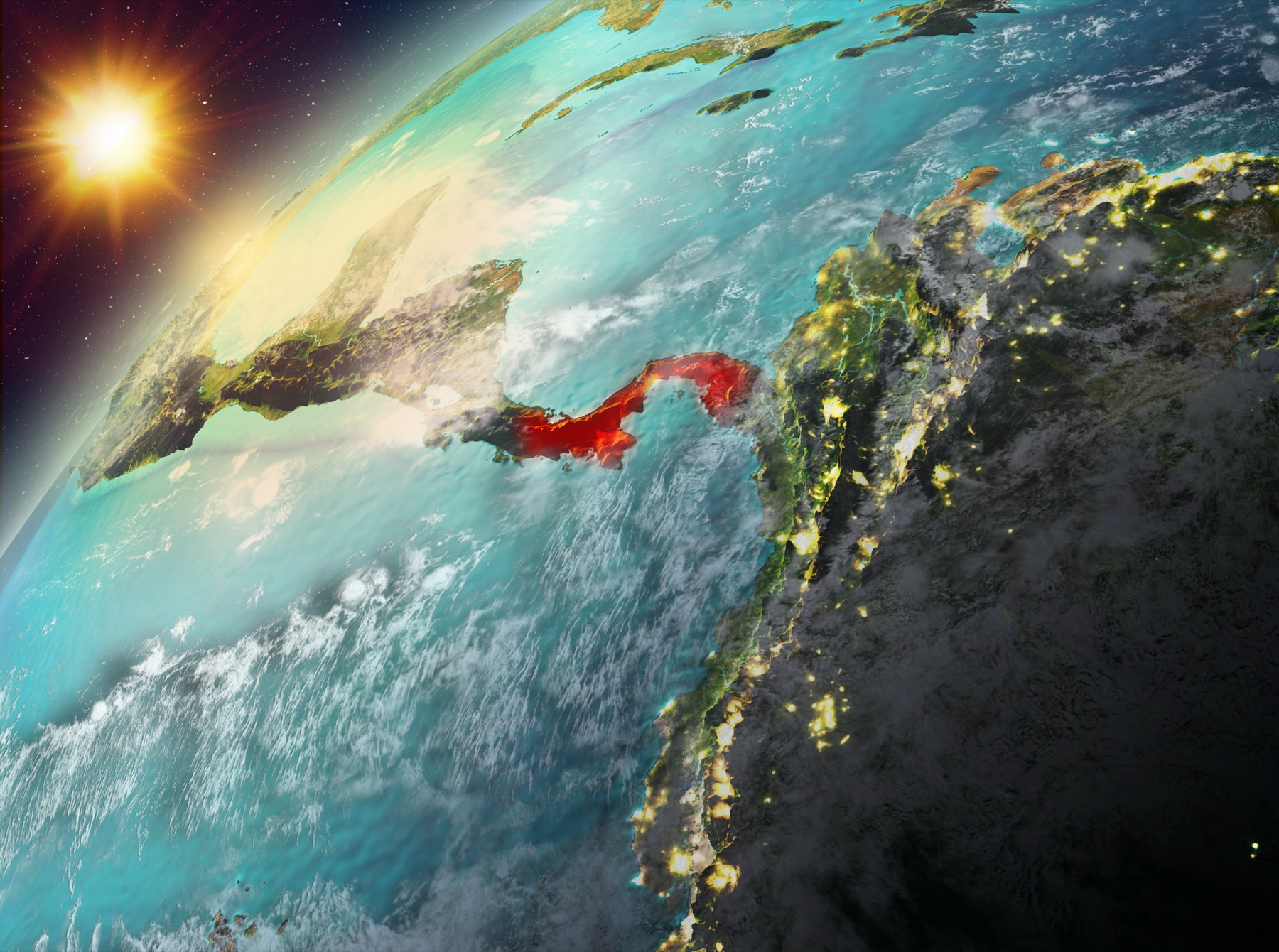
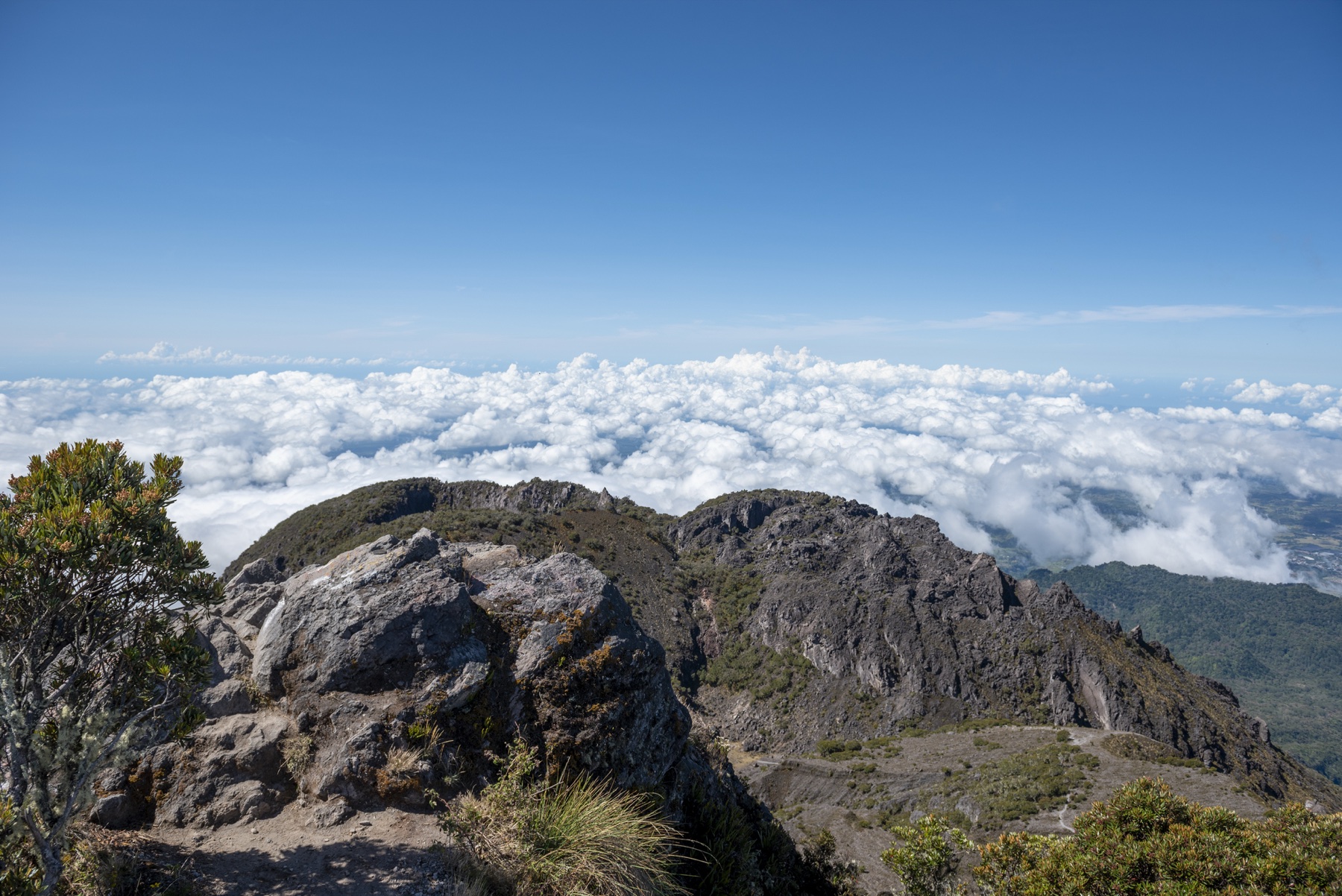
The mountain is Panama's highest point, rising above the western highlands near Boquete and Volcán. On clear days, people say both oceans can be seen from its summit: the Pacific on one side, the Caribbean on the other. That fact gives Barú a kind of mythic presence, but in the morning it feels less like a spectacle and more like a quiet authority.
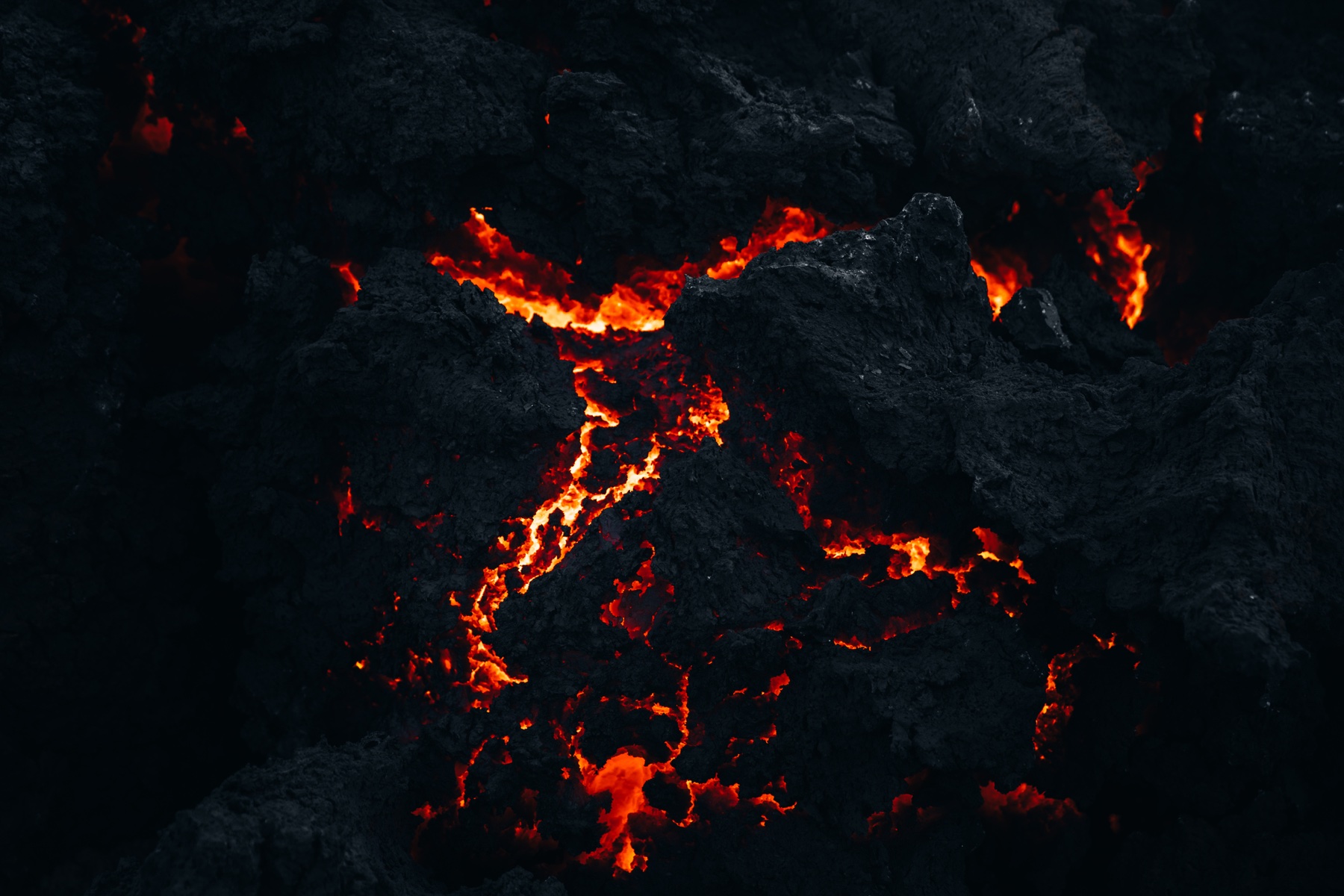
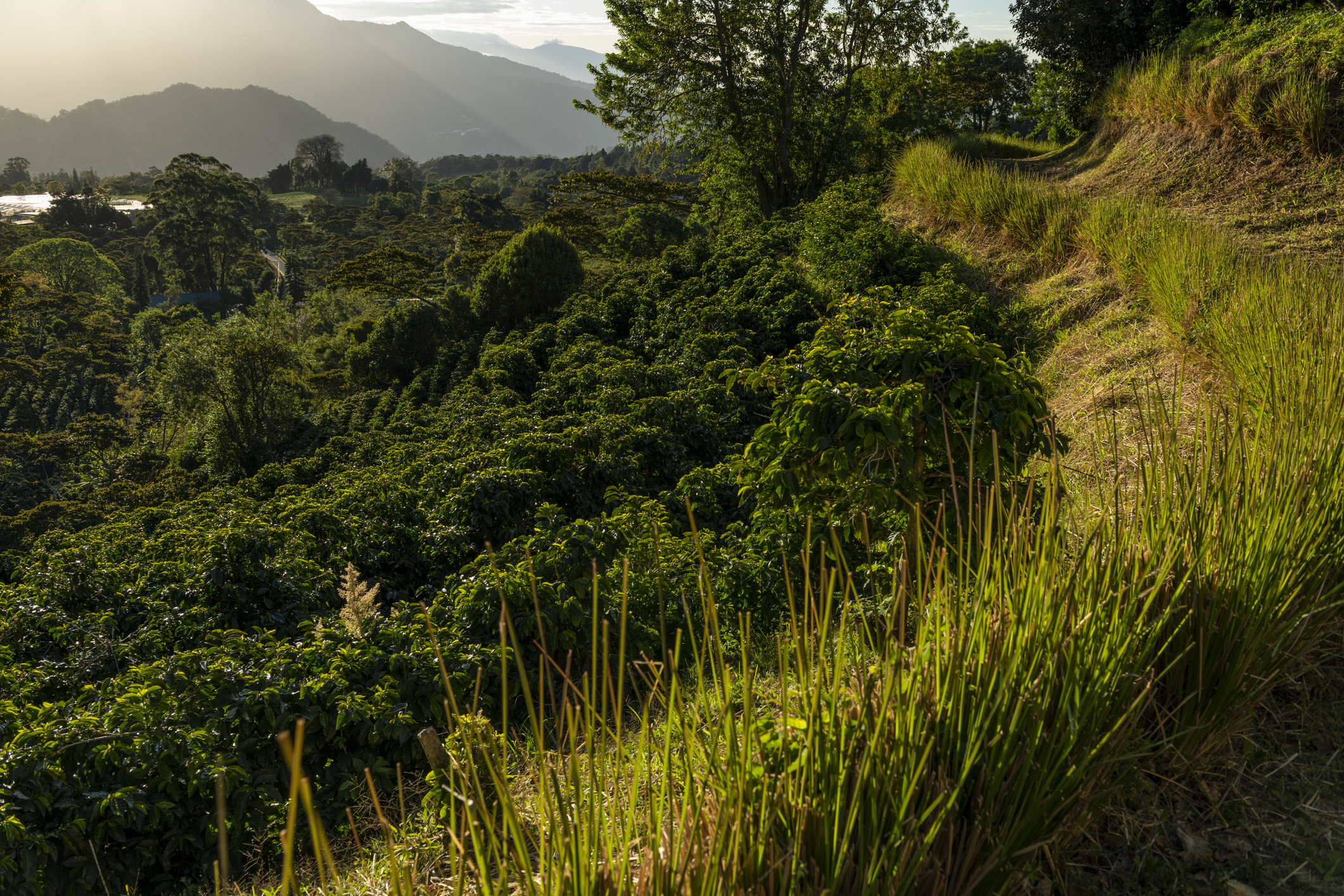
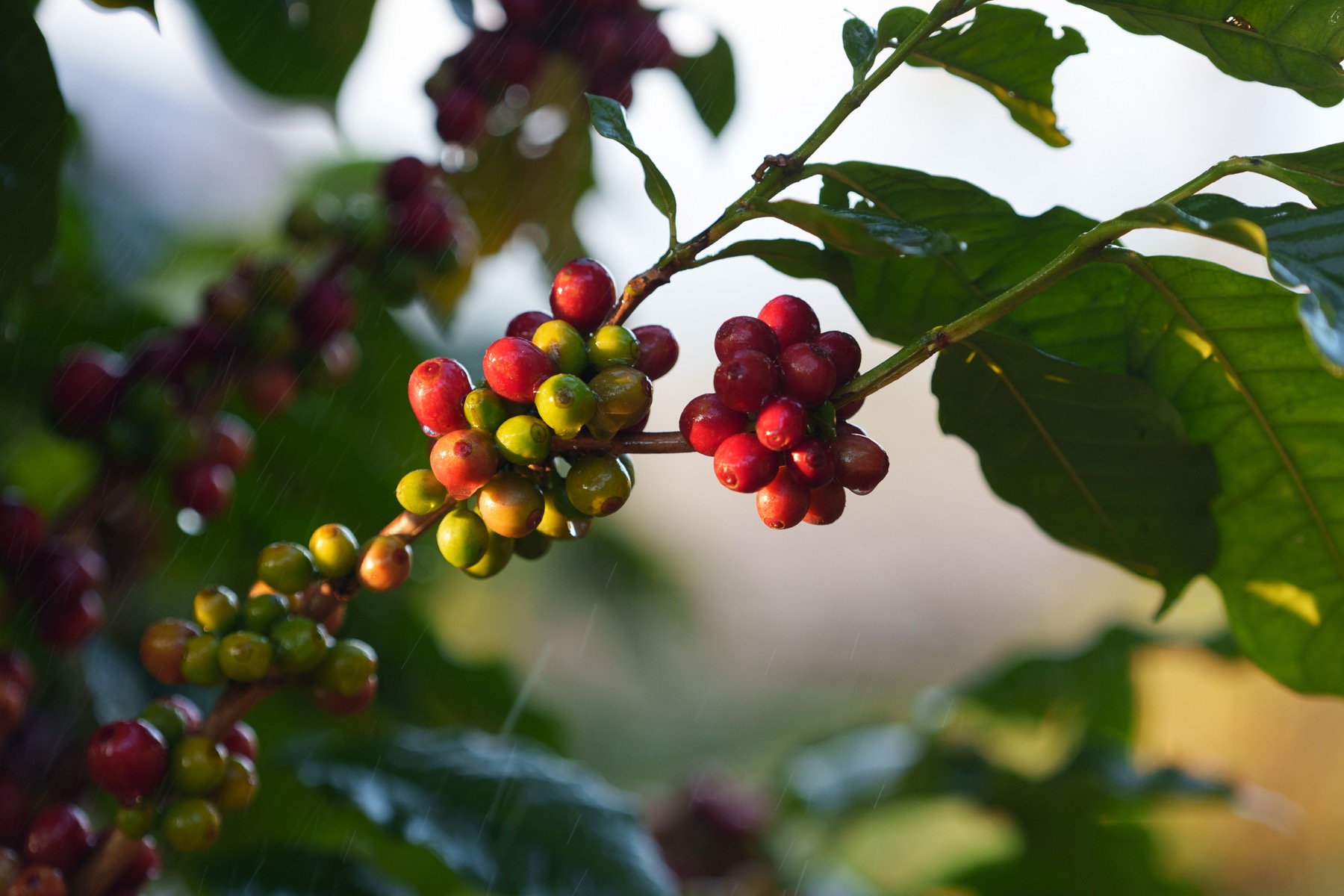
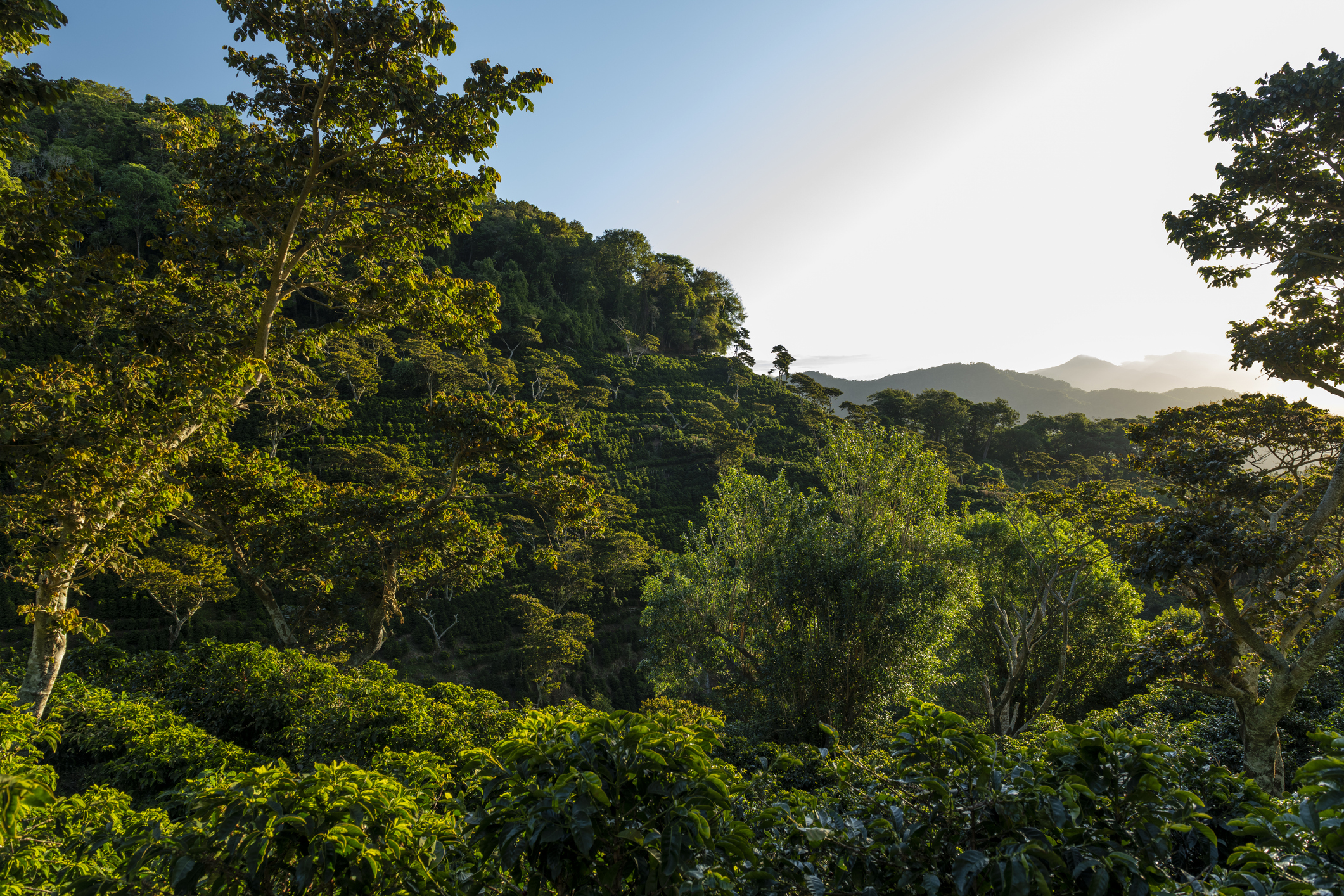
For coffee, that presence is practical as much as symbolic. The surrounding highlands carry elevation, volcanic soils, cool nights, shifting cloud cover, and bright morning sun. Those conditions slow the ripening of coffee cherries, helping sweetness, acidity, and aromatic complexity develop with more patience.
First light matters because it reveals the landscape before the heat and motion of the day arrive. Roads are still quiet. Farms sit under mist. The air feels mineral, green, and clean. In that hour, it is easier to understand why coffee from the region is not only described by country, but by altitude, weather, slope, and soil.
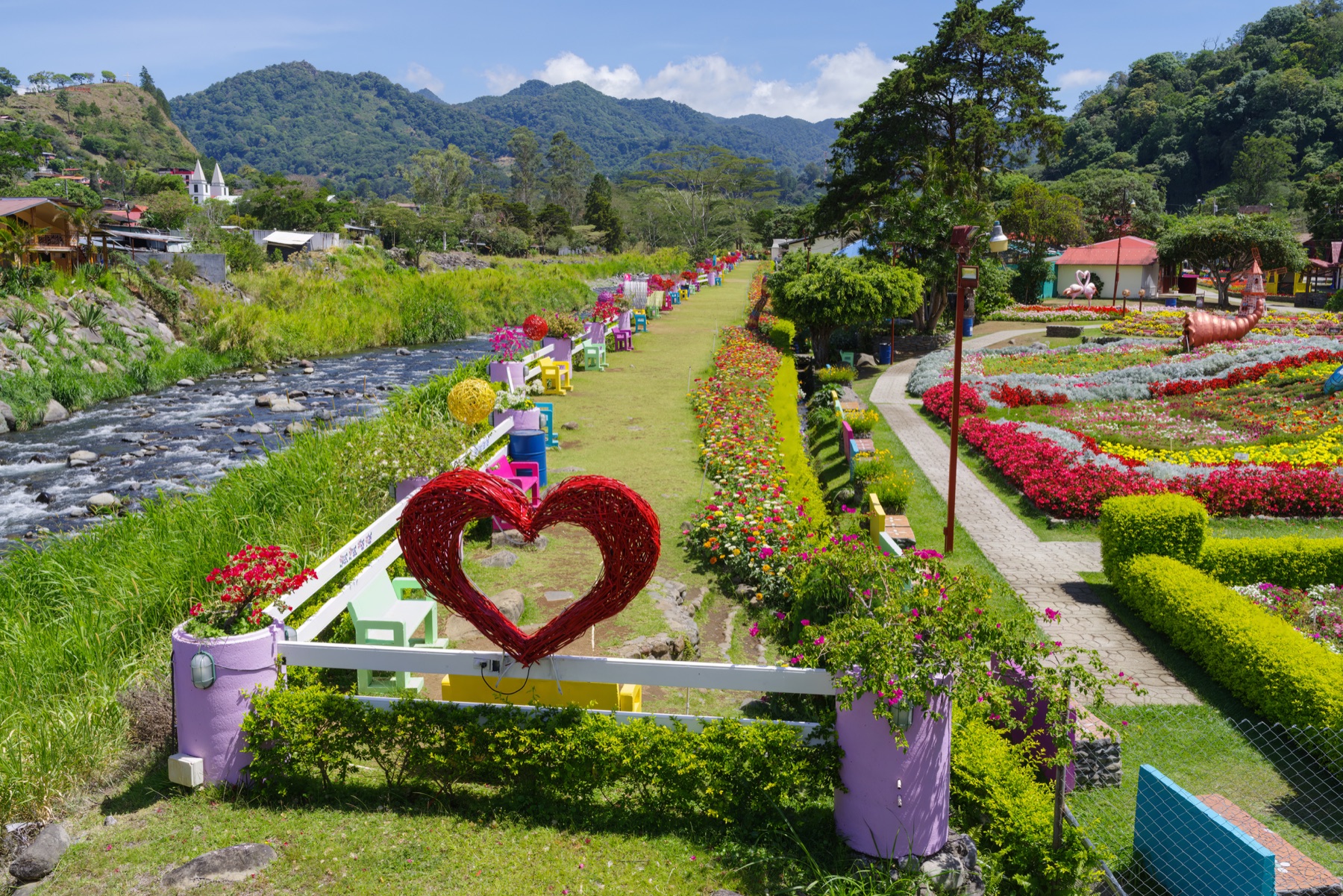
Volcán Barú is not just a background shape. It organizes the region around it. Towns, farms, trails, rivers, gardens, and coffee trees all exist in relation to the mountain's height and climate.
At first light, the mountain feels like the beginning of the cup: quiet, structural, and already working before anyone speaks.