
Variety
The Difference Between Variety And Origin
Variety and origin are two of the most important words in coffee, and they describe very different concepts. Variety is the plant’s genetic identity. Origin is where that plant grew. One is inheritance. The other is environment.
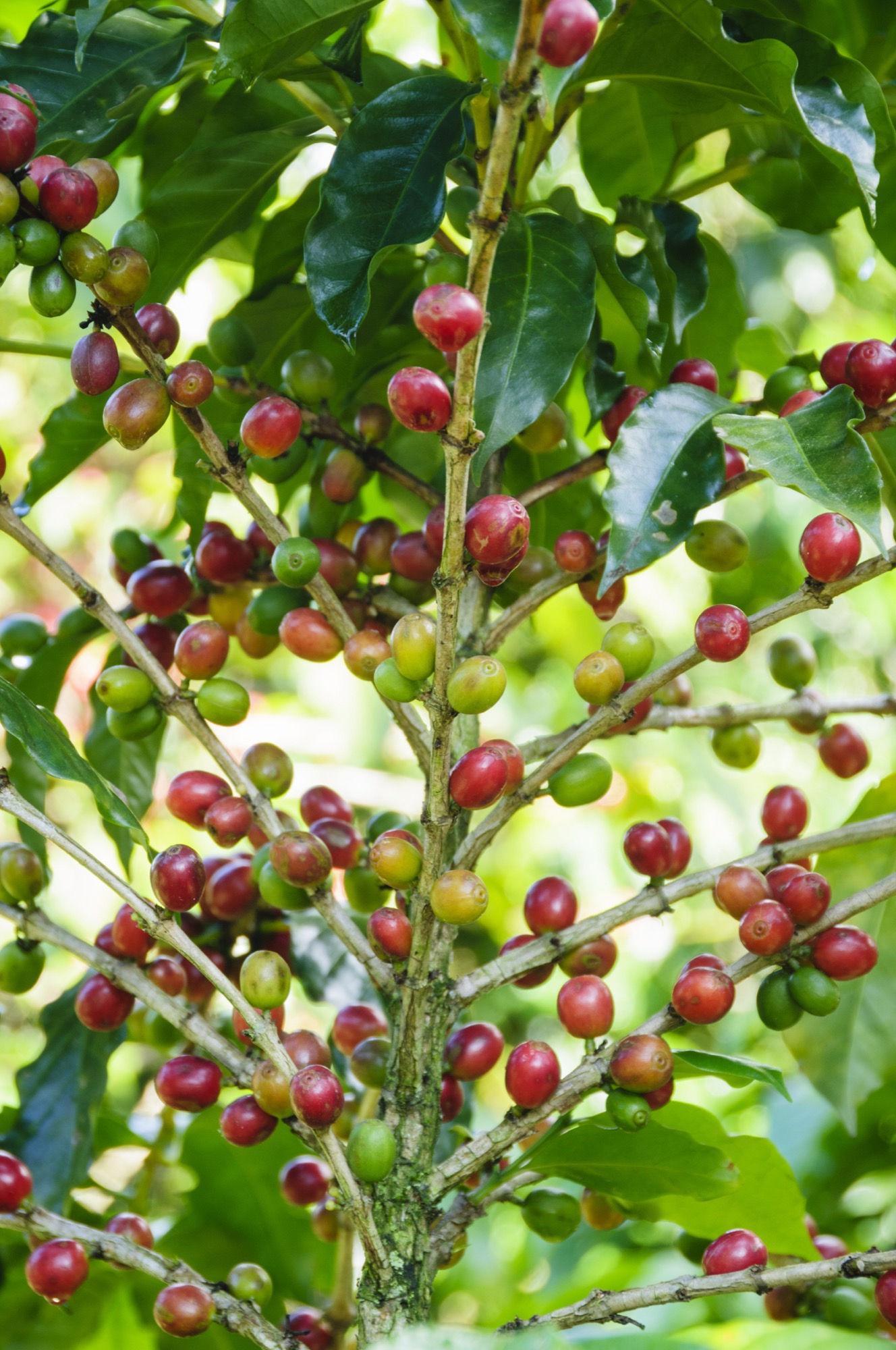
A coffee variety is a specific type of coffee plant, like Geisha, Bourbon, Typica, Caturra, Catuai, Pacamara, or SL28. These varieties can differ in plant shape, leaf structure, cherry size, disease resistance, yield, maturation speed, and flavor potential. Some are tall and delicate. Some are compact and productive. Some are prized for cup quality. Others became popular because they help farmers survive difficult growing conditions.
That last part surprises people. Coffee varieties are not chosen only for flavor. A farmer may choose a variety because it resists disease, handles wind, produces more cherries, matures at a predictable time, or fits a farm’s altitude and climate. Flavor matters, but farming is a living system.
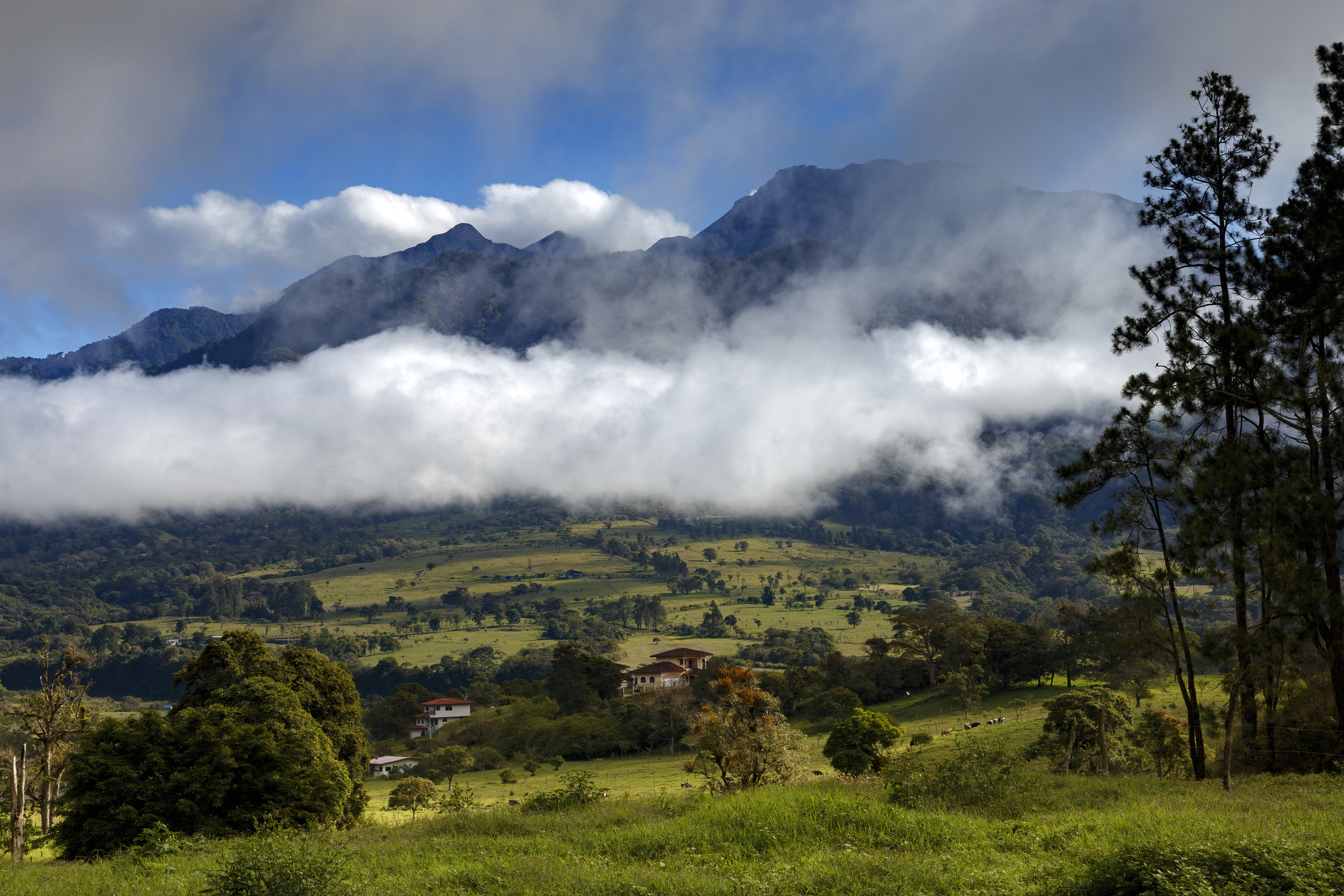
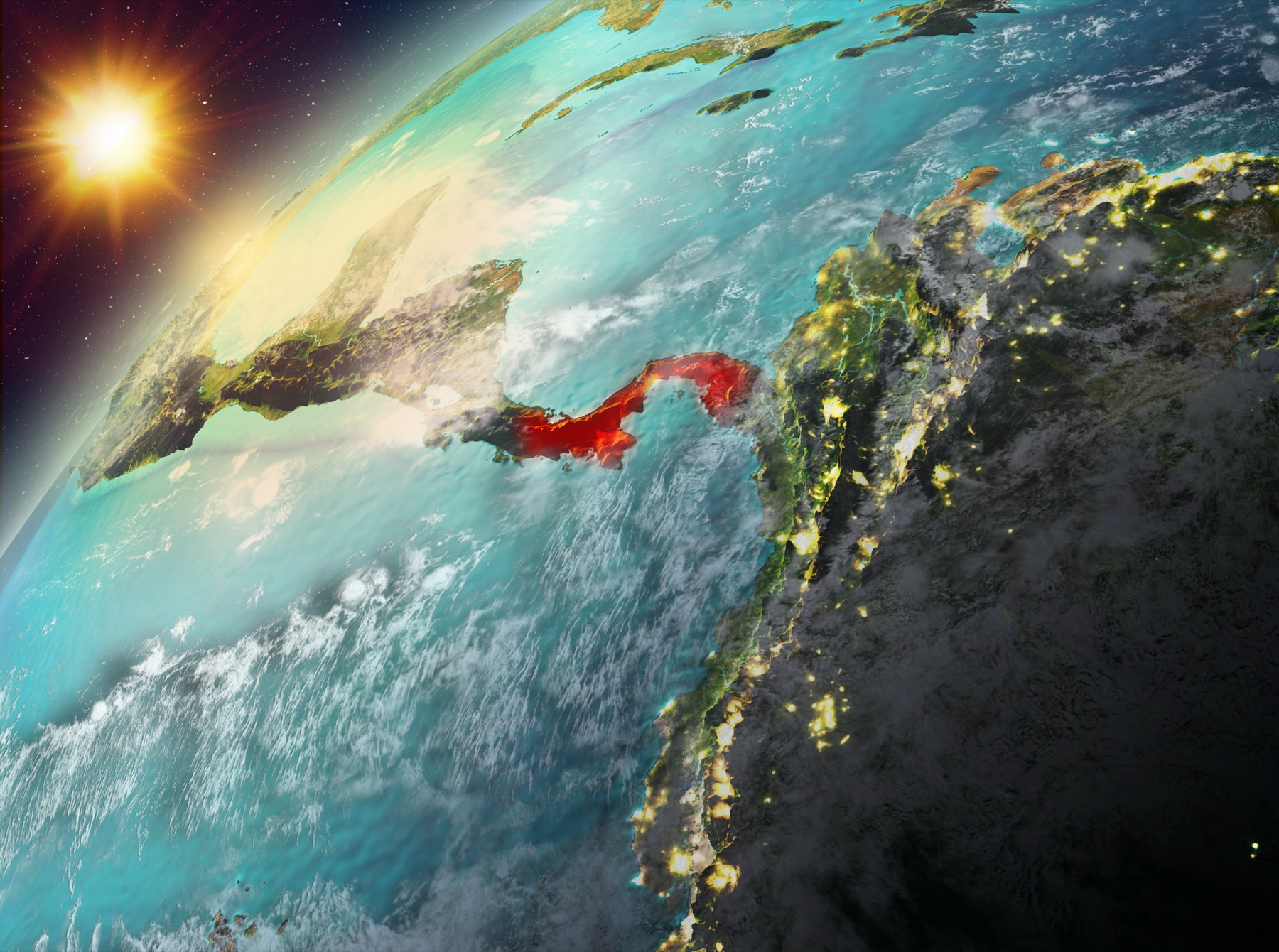
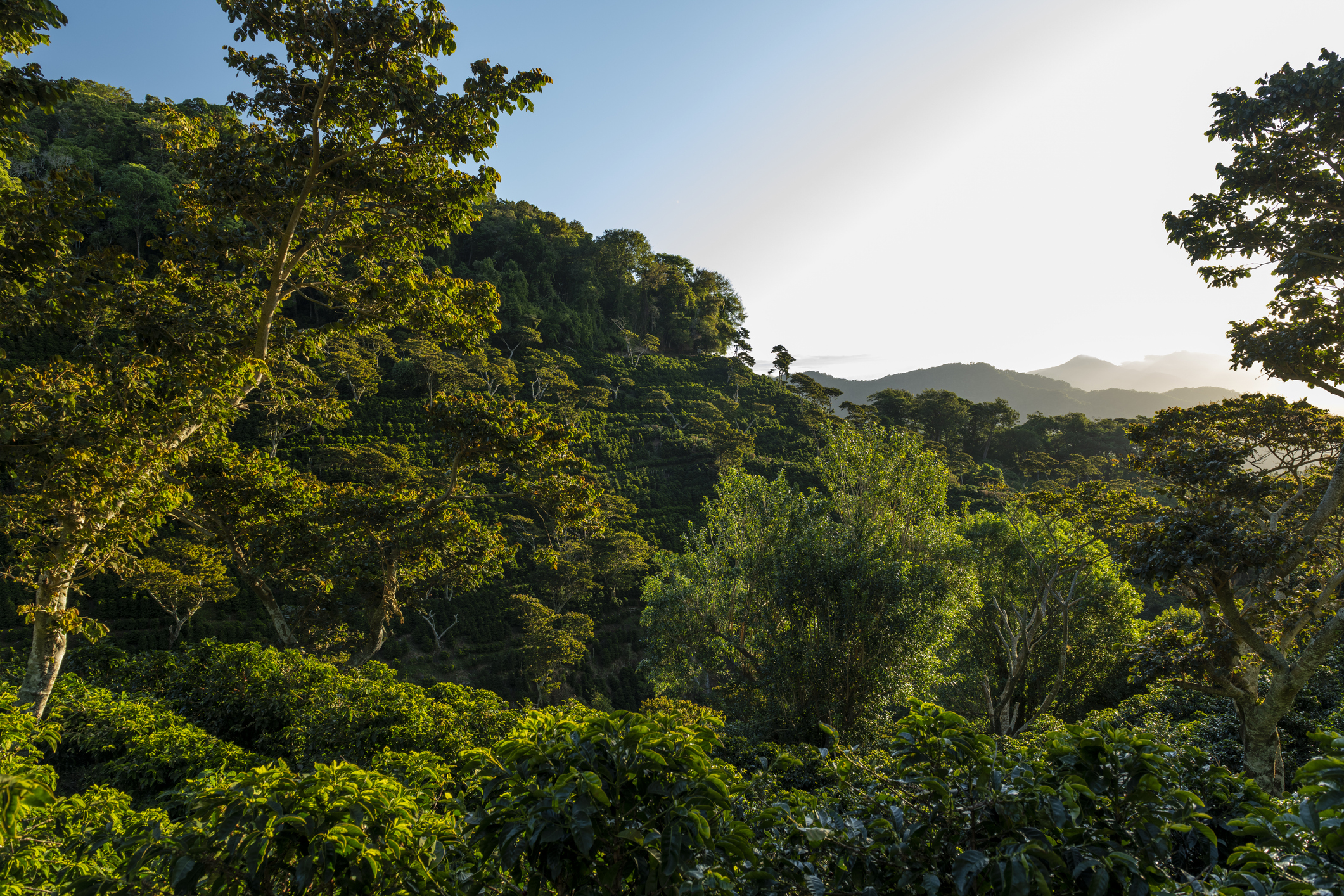
Origin is the place that shapes the plant after genetics has given it possibility. Origin includes country, region, farm, elevation, rainfall, soil, temperature, shade, harvest season, and the human culture of processing coffee. Panama is an origin. Boquete is a more specific origin. A single farm, slope, or micro-lot is more specific still.
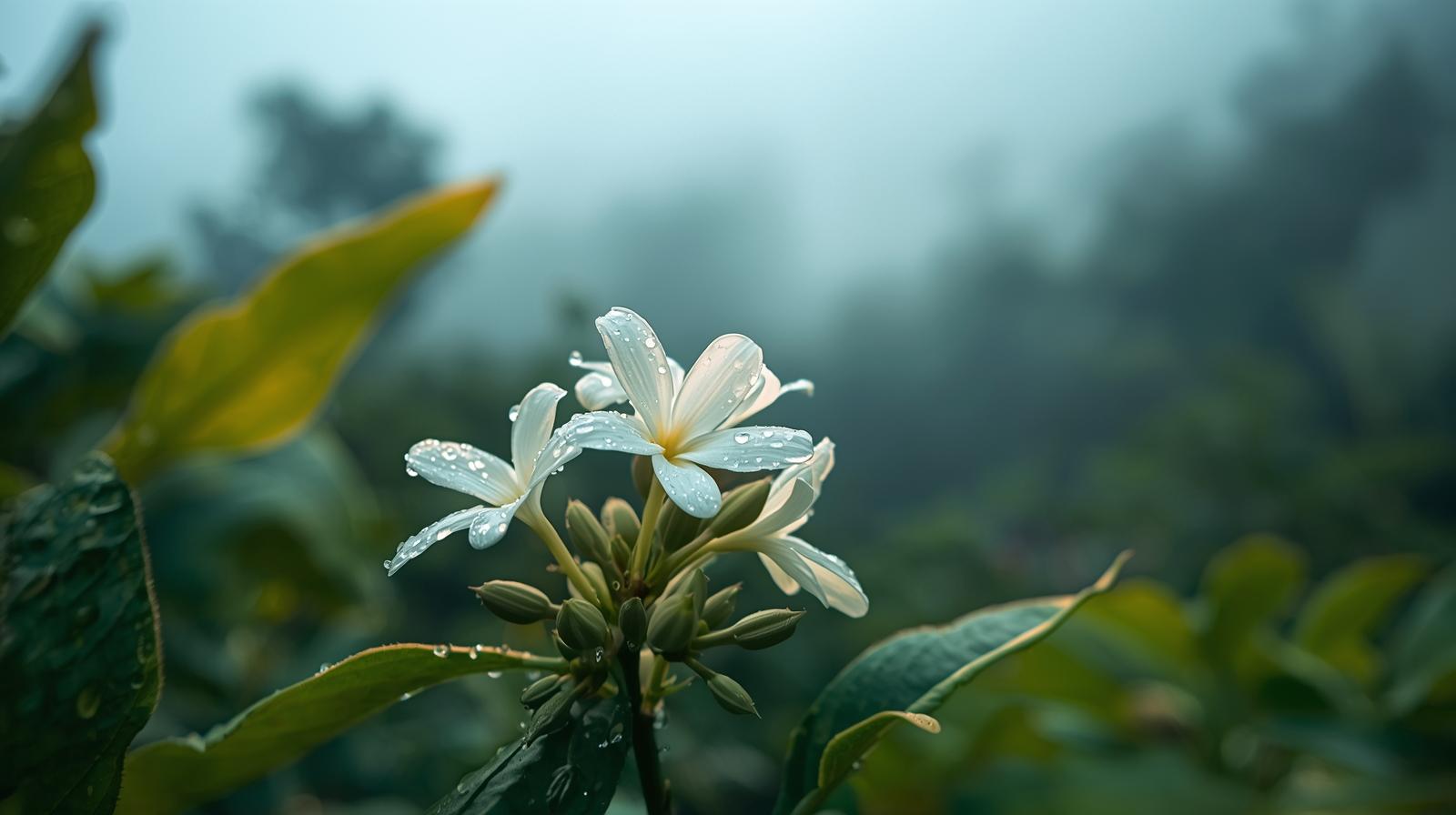
The interesting part is that neither variety nor origin works alone. Geisha grown in one place may taste like jasmine, bergamot, and tea. The same variety grown somewhere hotter, lower, or processed differently may taste broader, softer, or less aromatic. Bourbon grown in one region may be round and caramel-like; in another, it may show red fruit and acidity. Variety gives the plant a vocabulary. Origin influences the accent.
Altitude is a good example. People often say high-grown coffee is preferred, but altitude only matters because of what it does to temperature, sunlight, and maturation. A coffee at 1,600 meters in Panama does not experience the exact same climate as a coffee at 1,600 meters somewhere else. Latitude, wind, cloud cover, shade, and rainfall all change the meaning of elevation.
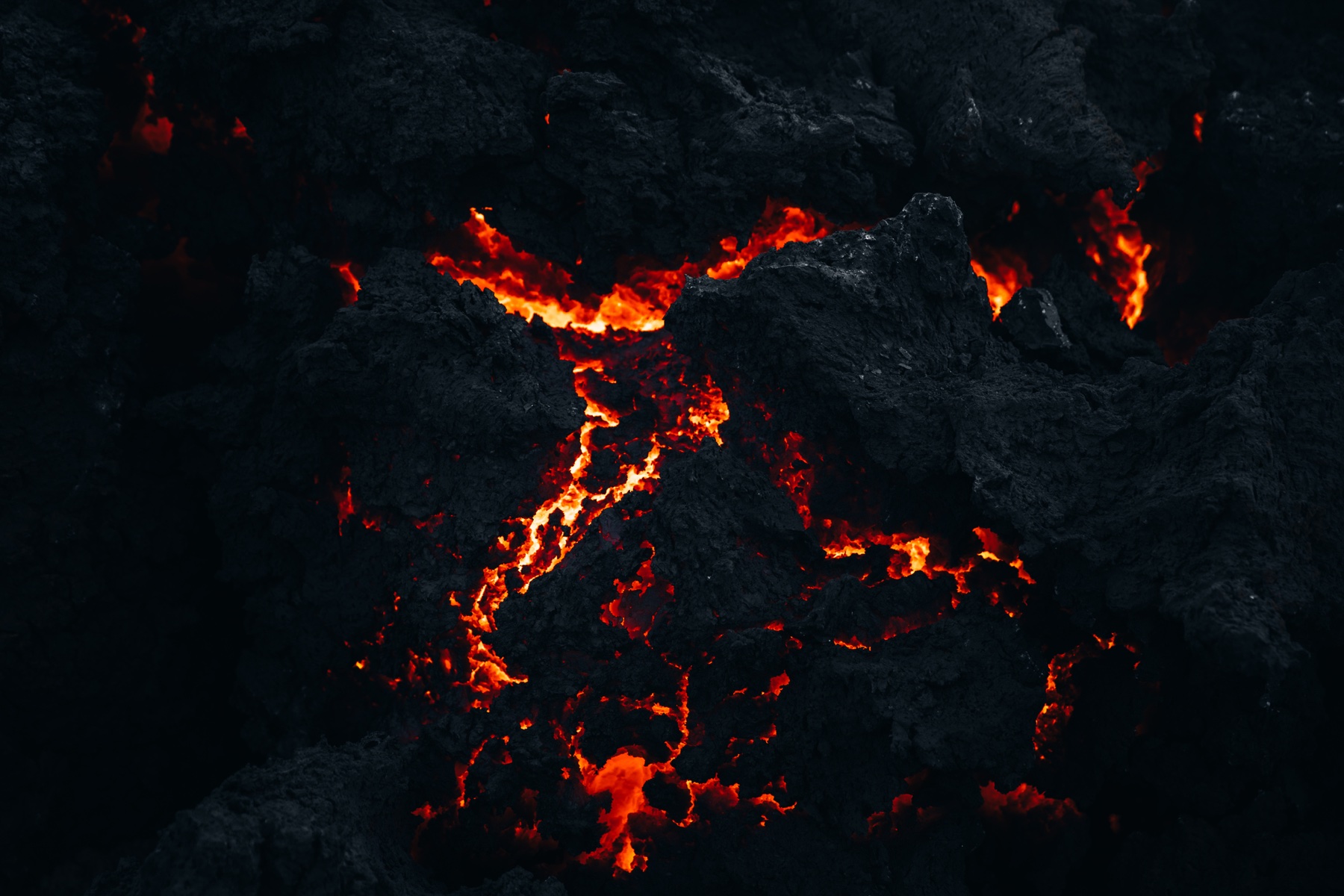
Soil matters too, but not in a magical way. Volcanic soils can hold minerals and drain well, which can help roots, water movement, and plant health. Healthy plants can mature fruit more evenly. But soil does not pour flavor directly into the bean like seasoning. It supports the biological conditions that allow better fruit to develop.
Another thing people rarely think about is time. Origin affects how slowly a coffee cherry ripens. Cooler nights and slower maturation can give the seed more time to build sugars, acids, and aromatic precursors. That is one reason mountain coffees can feel structured and complex. The place is not only where the coffee grows. It is how long the coffee gets to become itself.
A helpful way to think about it is this: variety is the instrument, origin is the room, and processing is how the music is recorded. A violin still sounds like a violin, but it changes in a stone chapel, a small wooden room, or an open field. Variety tells us what the plant is capable of. Origin tells us what happened to that capability in the real world.