
Troubleshooting
Uneven Extraction and How to Correct It
Uneven extraction happens when some parts of the coffee bed release more flavor than others. The cup that results carries mixed signals — elements of both a fuller and a lighter extraction at the same time. The result can feel unfocused, as if the cup is expressing two different coffees, and adjustments to a single variable rarely resolve what unevenness introduced.
Several factors contribute. Grind inconsistency produces a mix of fines and larger particles that extract at different rates. Uneven bed preparation leaves some areas denser than others, pulling water unequally through the coffee. Inconsistent pouring — quick in one spot, slow in another — can leave parts of the bed soaking while others drain.
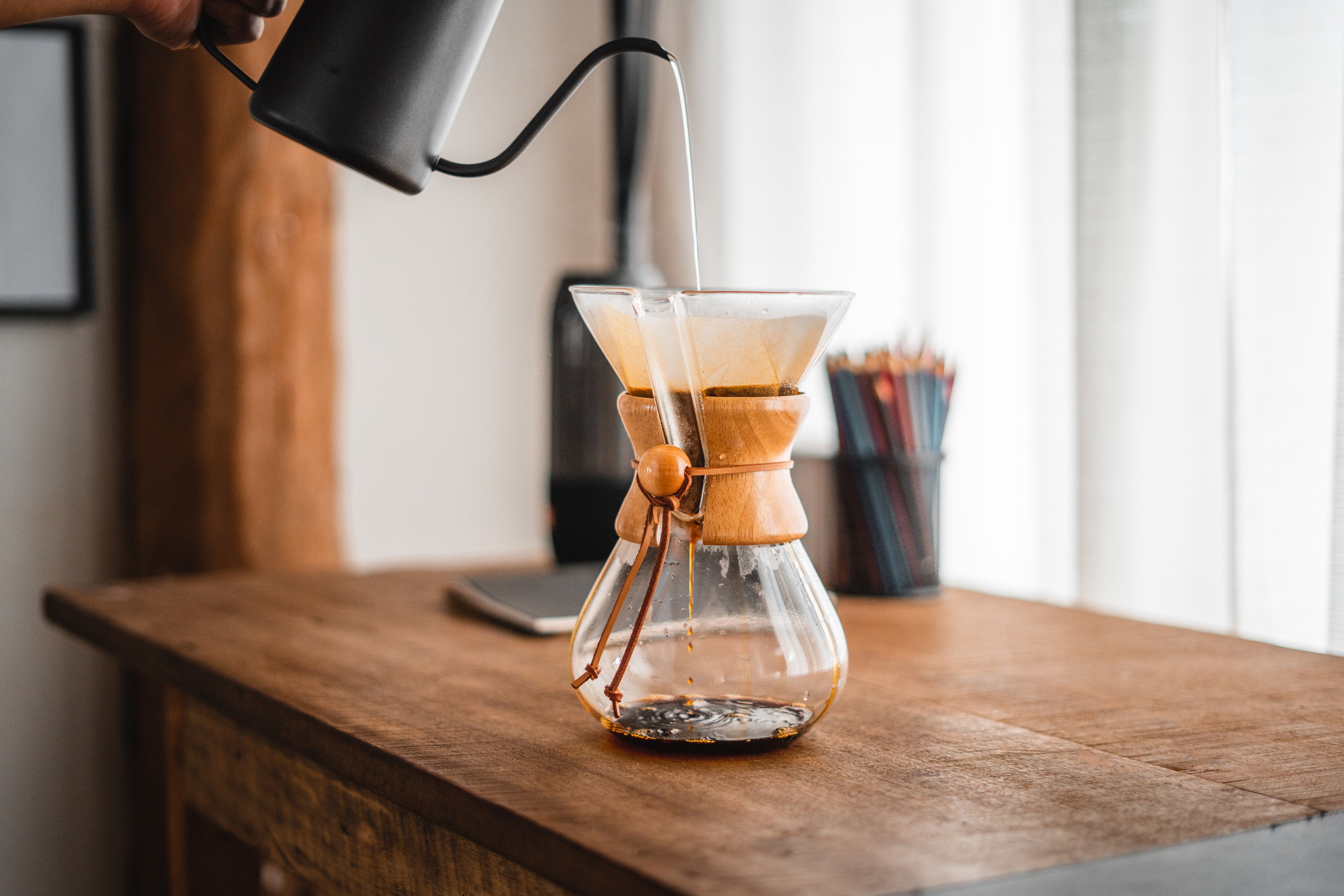
The path to even extraction works backward from the cup. A quality burr grinder produces more consistent particles. Careful leveling of the bed before pouring gives the water an even surface to meet. A steady spiral pour covers the whole bed uniformly throughout the brew.
Specific evenness techniques by method help locate where to focus.
For pour-over like V60 or Kalita Wave, the most common evenness fix is the bloom phase. Pouring 2-3 times the coffee weight in water and letting it sit for 30-45 seconds before continuing the main pour pre-wets the grounds uniformly and releases the carbon dioxide that would otherwise create channels. After bloom, a slow spiral pour from center outward, returning to center as the water level drops, distributes water evenly across the bed. Some brewers use a Rao spin — a gentle swirl of the dripper after the final pour — to settle uneven beds and produce a flat surface.
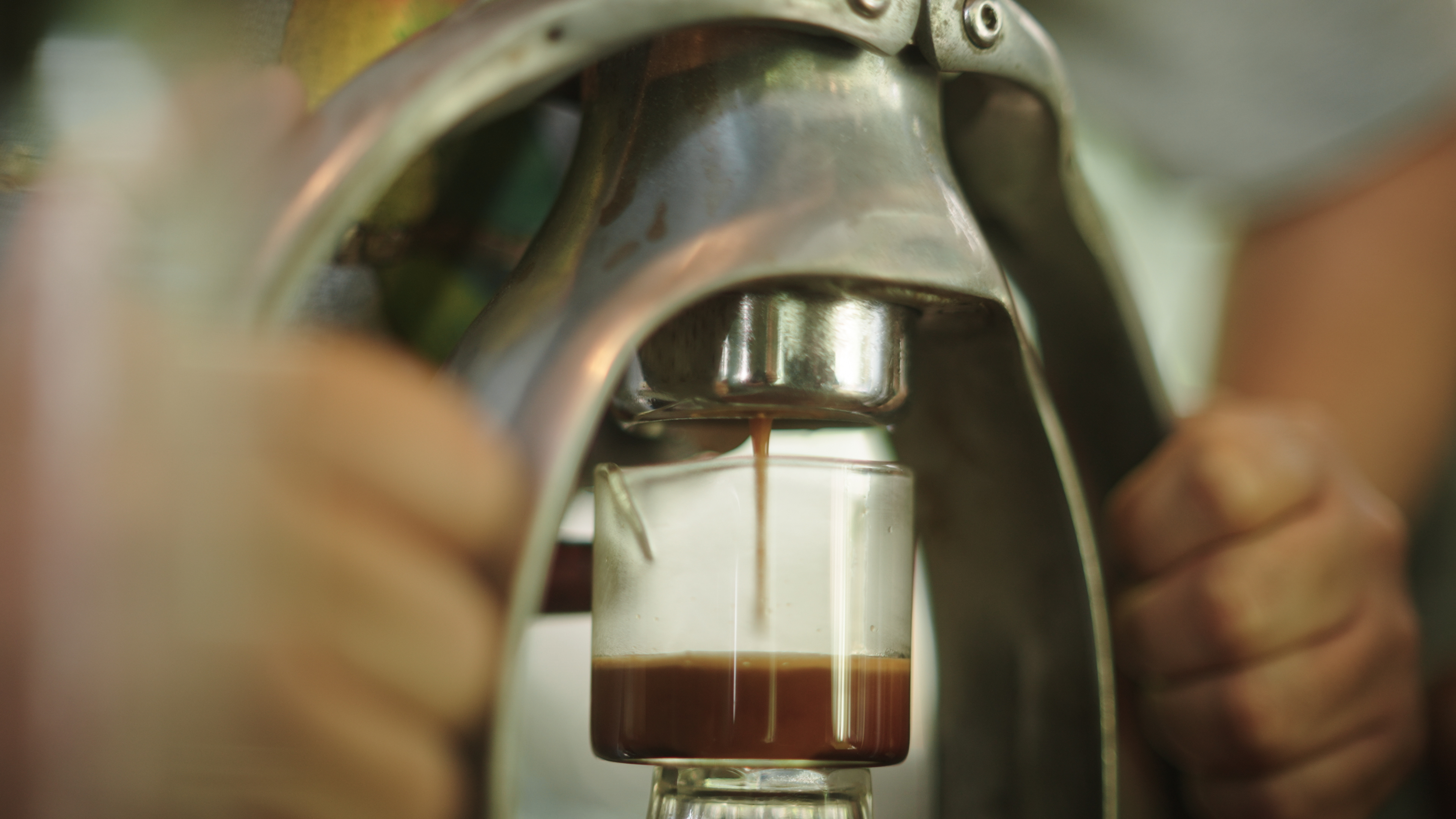
For espresso, evenness depends on puck preparation before extraction begins. Distributing the grounds in the portafilter with a tool like a WDT (Weiss Distribution Technique) needle breaks up clumps and creates uniform density. Tamping with consistent pressure (around 30 pounds) at a level angle creates an even resistance surface. Pre-infusion at low pressure for 3-8 seconds before full extraction allows water to saturate the puck uniformly before high pressure begins, dramatically reducing channeling in the shot.
For French press, evenness is created during the steep rather than the pour. After adding water, gently stirring the slurry breaks up the dry pockets that would otherwise extract poorly. After the full steep time, breaking the crust that forms on top with a spoon and skimming the floating grounds prevents over-extraction in those areas. Slow plunging at the end avoids forcing fines through the mesh.
For drip machines, evenness is largely controlled by the machine's design rather than the user. Quality drip machines with shower-head designs distribute water more evenly than basic models with single-stream outlets. The most useful adjustment available to drip users is ensuring the basket is level and the grounds are distributed evenly across the basket before brewing begins. A flat coffee bed produces more even extraction than a sloped or piled bed, regardless of how the machine pours.
Café de Volcán views even extraction as the quiet foundation that lets the variables of taste — grind, time, temperature — speak clearly in the cup.