
Extraction Fundamentals
Under-Extraction, Over-Extraction, and What They Teach
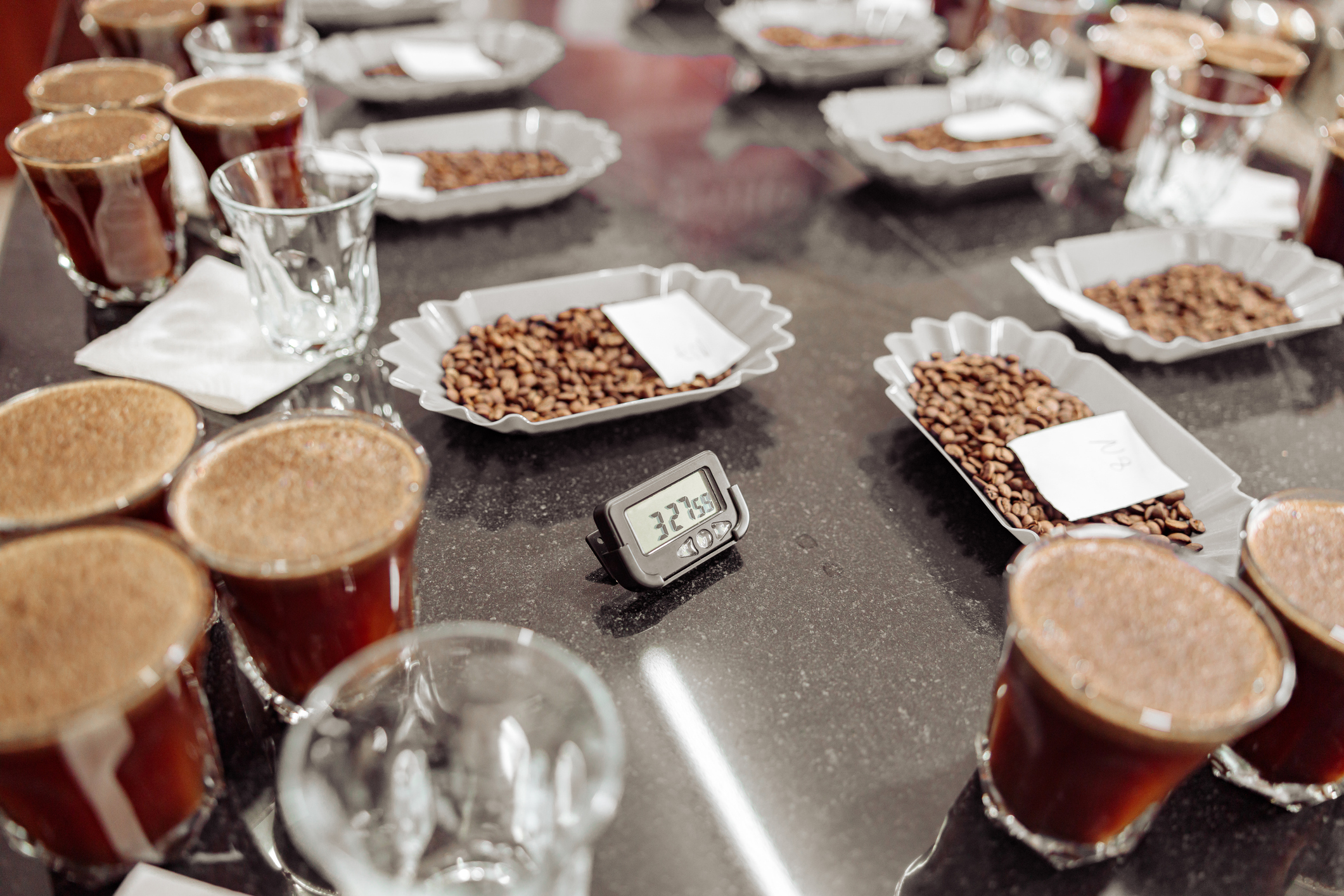
Coffee reveals its character through where it lands on a spectrum. On one end, cups lean brighter, more acidic, more tea-like, sometimes with a sour note when the sugars have not yet fully joined. On the other end, cups lean fuller, rounder, more chocolate-forward, sometimes with bitterness when the deeper compounds have been in the water a little too long. Between these two ends sits the range where most drinkers find the cups they love.
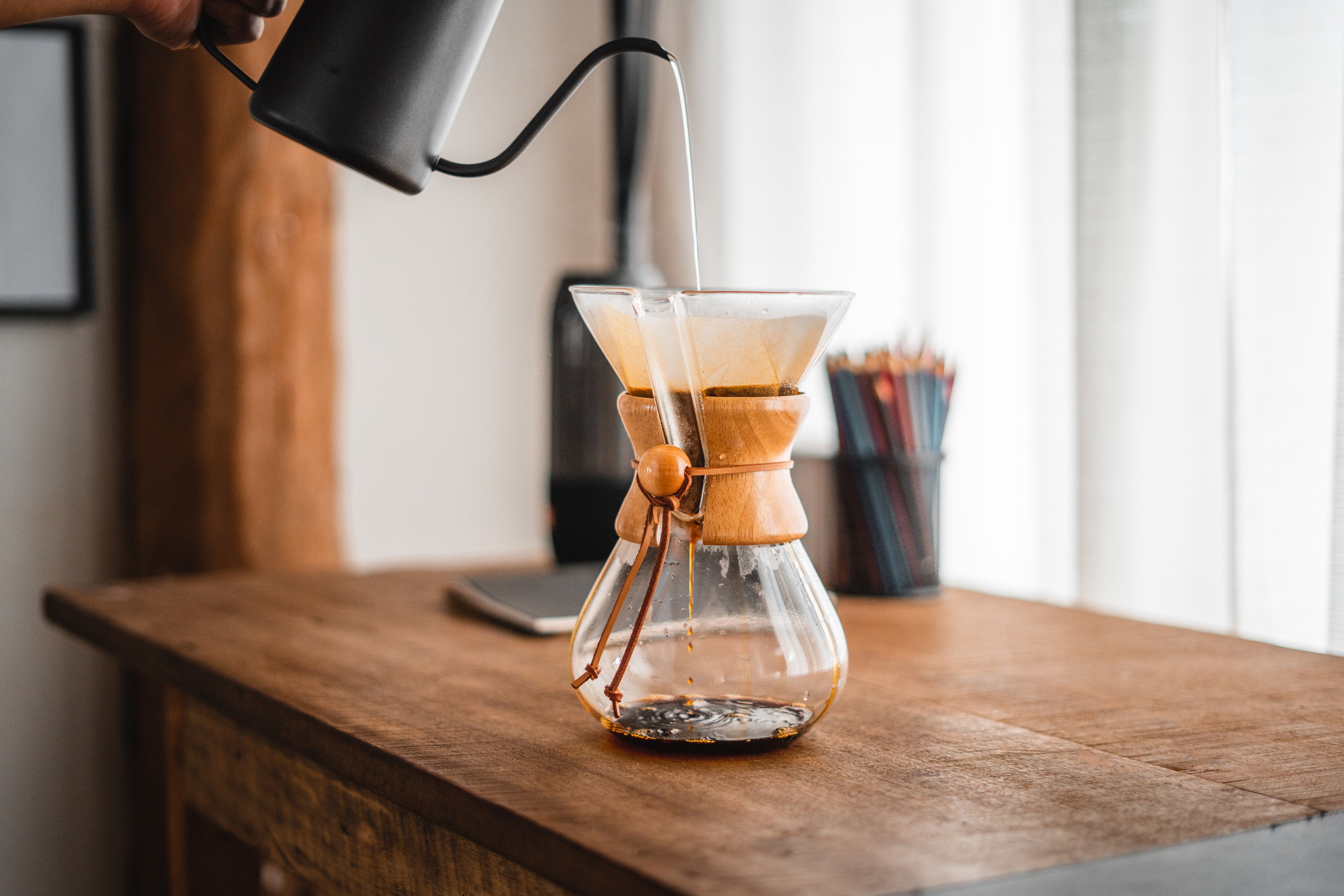
What's worth knowing is that the same coffee can produce both ends of the spectrum simultaneously in a single cup. When water flows unevenly through a coffee bed — finding channels of least resistance and racing through some sections while barely touching others — parts of the bed become over-extracted while other parts remain under-extracted. The resulting cup combines both bitterness and sourness at once, with neither fully developed and neither balanced. Coffee professionals call this channeling, and it's the most common cause of cups that taste simultaneously bitter and thin. The fix is not adjusting toward either end of the extraction spectrum but improving the evenness of the brewing itself — better grind distribution, gentler pouring, flat coffee beds, and proper bloom phases that pre-wet the grounds uniformly. A cup with conflicting flavors often signals an evenness problem rather than an extraction direction problem.
The spectrum is a gift, not a test. Each end teaches something the other cannot. A brighter cup reveals the acidity of a particular origin. A fuller cup reveals the sweetness and body the bean is capable of expressing. Moving between them is how drinkers come to understand what their beans can do, and what they themselves prefer.
Every cup offers a reading of where the extraction landed, and every reading points toward the adjustment that might move the next cup closer to a chosen preference. Café de Volcán treats both ends of the spectrum as useful information, and the movement between them as the journey that makes brewing an experimental curiosity worth returning to.