
Broader Panama
The Pearl Islands Part 2: Marine Life, Culture, and Visiting from Panama City
The marine life around the Pearl Islands draws visitors during specific seasons. From July through October, humpback whales arrive in the waters between the islands as part of their annual migration from Antarctic feeding grounds to tropical breeding waters. The Gulf of Panama is one of the most important humpback breeding areas in the eastern Pacific, and whale watching tours from Contadora and Panama City produce reliable sightings during the peak season. Mothers and calves are commonly observed close to shore, and breaching adults provide dramatic spectacle for travelers who time their visits well.
Fishing in the Pearl Islands has world-class reputation among sport fishermen. The deep waters surrounding the archipelago support populations of yellowfin tuna, marlin, sailfish, dorado, wahoo, and roosterfish that draw anglers from across the Western Hemisphere. Several fishing lodges and charter operations work from the islands, offering multi-day expeditions that combine sport fishing with the natural beauty of the surrounding marine environment.
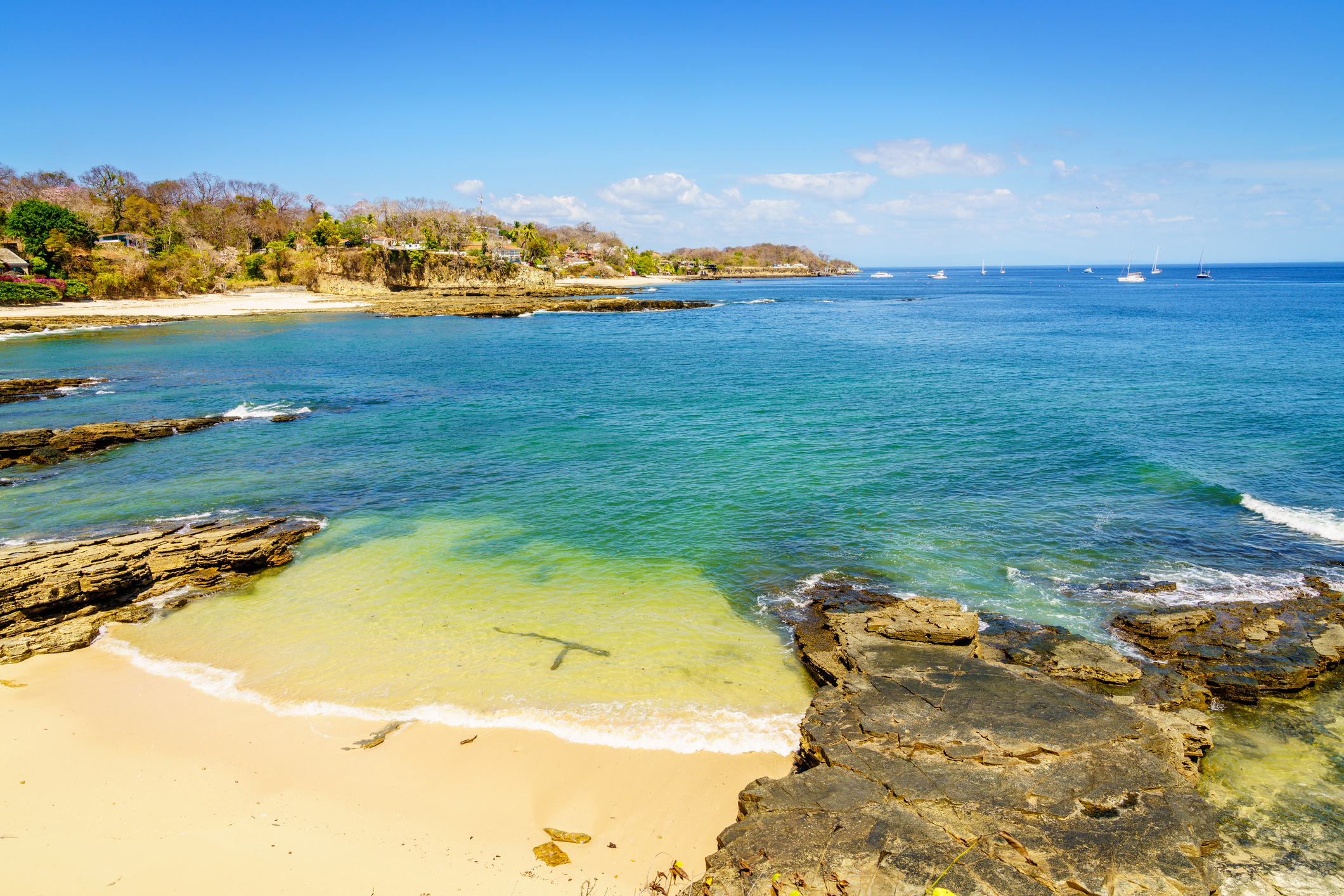
Diving and snorkeling around the Pearl Islands offer underwater experiences that complement the surface attractions. The clarity of Pacific water, the diversity of reef species, and the proximity of deep water that brings pelagic fish close to shore produce diving conditions that compare favorably to better-known Caribbean destinations. White-tip reef sharks, eagle rays, sea turtles, and tropical reef fish populate the waters around the islands. Some sites combine reef diving with the chance to encounter larger pelagic species in surrounding deep water.
The cultural history of the Pearl Islands extends beyond the Spanish colonial pearl trade. Indigenous peoples lived on several of the islands before European contact, and archaeological sites on Isla del Rey and other islands document this earlier inhabitation. African-descended communities established themselves on the islands during and after the colonial period, contributing to the cultural mix that characterizes the archipelago's modern population. The annual Festival of the Black Christ on Isla Taboga, technically just outside the Pearl Islands chain but culturally connected, draws visitors from across Panama for traditional celebrations rooted in this layered history.
For visitors traveling from Panama City, the Pearl Islands are accessible through several routes. Daily flights from Panama City to Contadora's airstrip take roughly 15 minutes and provide the fastest access. Ferry services from Panama City take longer (around 90 minutes to two hours depending on conditions and destination island) but offer scenic approaches across the Gulf of Panama. Private charter boats serve travelers who want flexibility in their island visits, including stops at multiple islands within a single trip. Day trips from Panama City are practical for travelers with limited time, while extended stays of three to five nights allow deeper exploration of the archipelago's natural and recreational offerings.
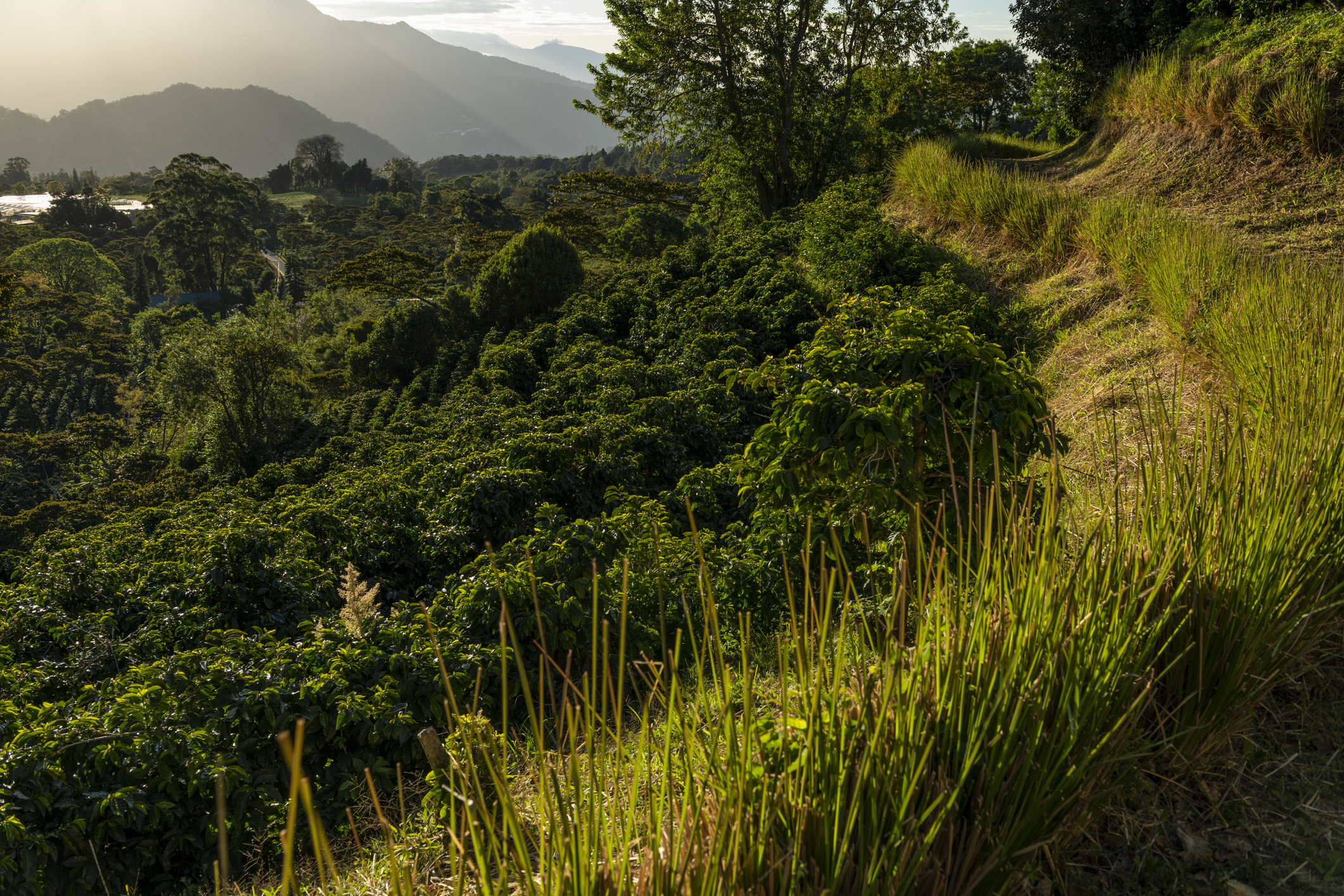
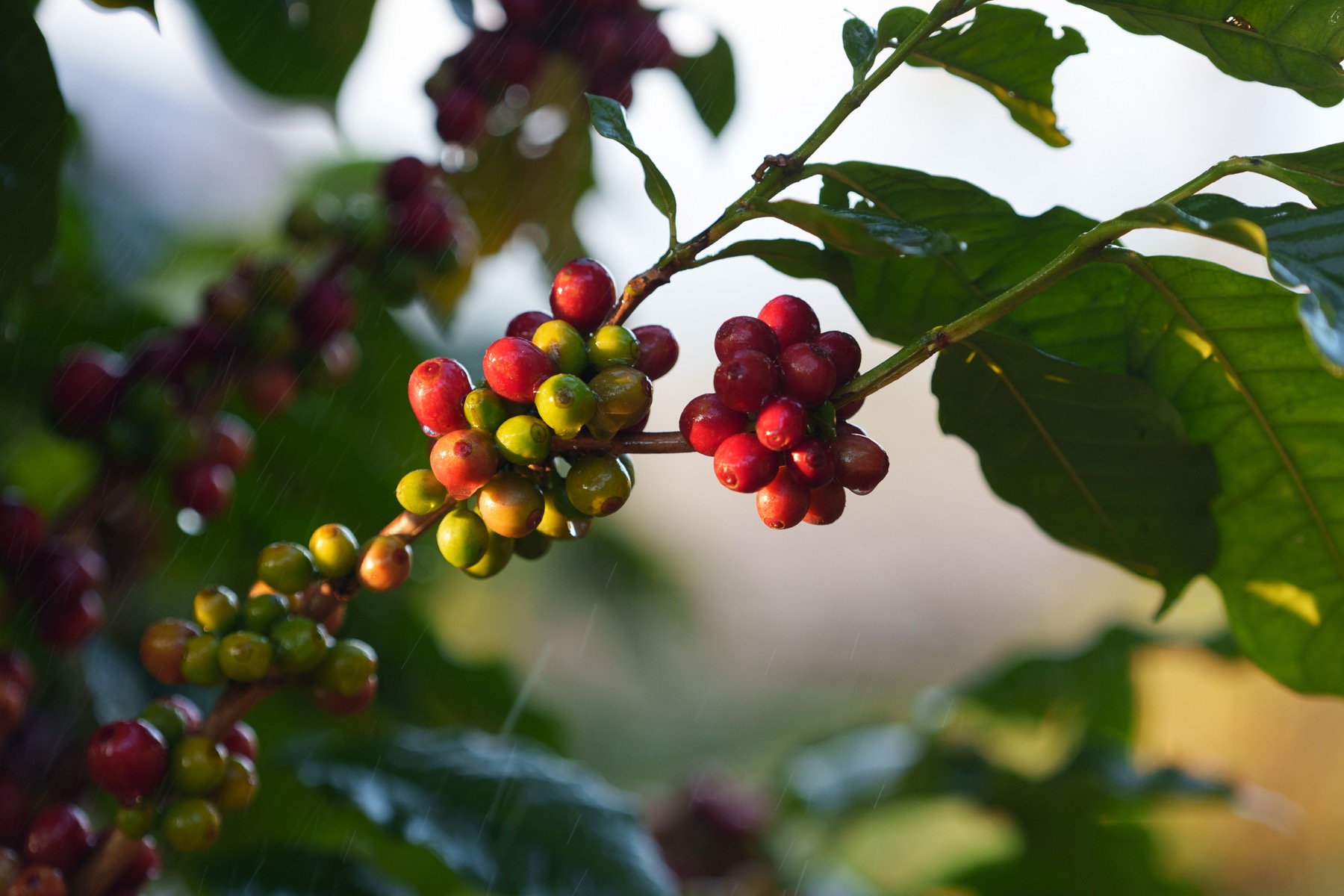
Café de Volcán recognizes the Pearl Islands as part of Panama's broader natural heritage that extends beyond the volcanic highlands where the brand's coffee grows. Panama's distinctiveness as a country includes both Pacific and Caribbean coastlines, lowland and highland environments, dense urban centers and remote island archipelagos. Travelers exploring Panama for the first time often discover that the country's geographical and cultural variety exceeds their expectations, with destinations like the Pearl Islands offering experiences that complement rather than compete with the highland coffee regions, the historical districts of Panama City, and the engineering marvel of the Panama Canal.