
Broader Panama
The Pearl Islands: Panama's Pacific Archipelago
The Pearl Islands are a chain of more than 200 islands and islets scattered across the Gulf of Panama, roughly 50 kilometers southeast of Panama City. The archipelago takes its name from the abundant pearl oysters that Spanish colonial explorers harvested from its waters during the sixteenth century, producing some of the most valuable pearls in the world during that era. Today the islands serve a different purpose — they have become one of Panama's most distinctive natural and recreational destinations, accessible from Panama City as both day trips and extended stays.
The geological origin of the Pearl Islands traces to volcanic activity over millions of years that produced the seamounts now visible above the Pacific surface. The islands rise from depths that drop substantially just beyond their shorelines, which produces the dramatic underwater terrain that defines the region's marine ecology. Coral reefs surround many of the islands, and the deep waters between them support populations of pelagic fish, marine mammals, and seabirds that draw researchers, fishermen, and travelers throughout the year.
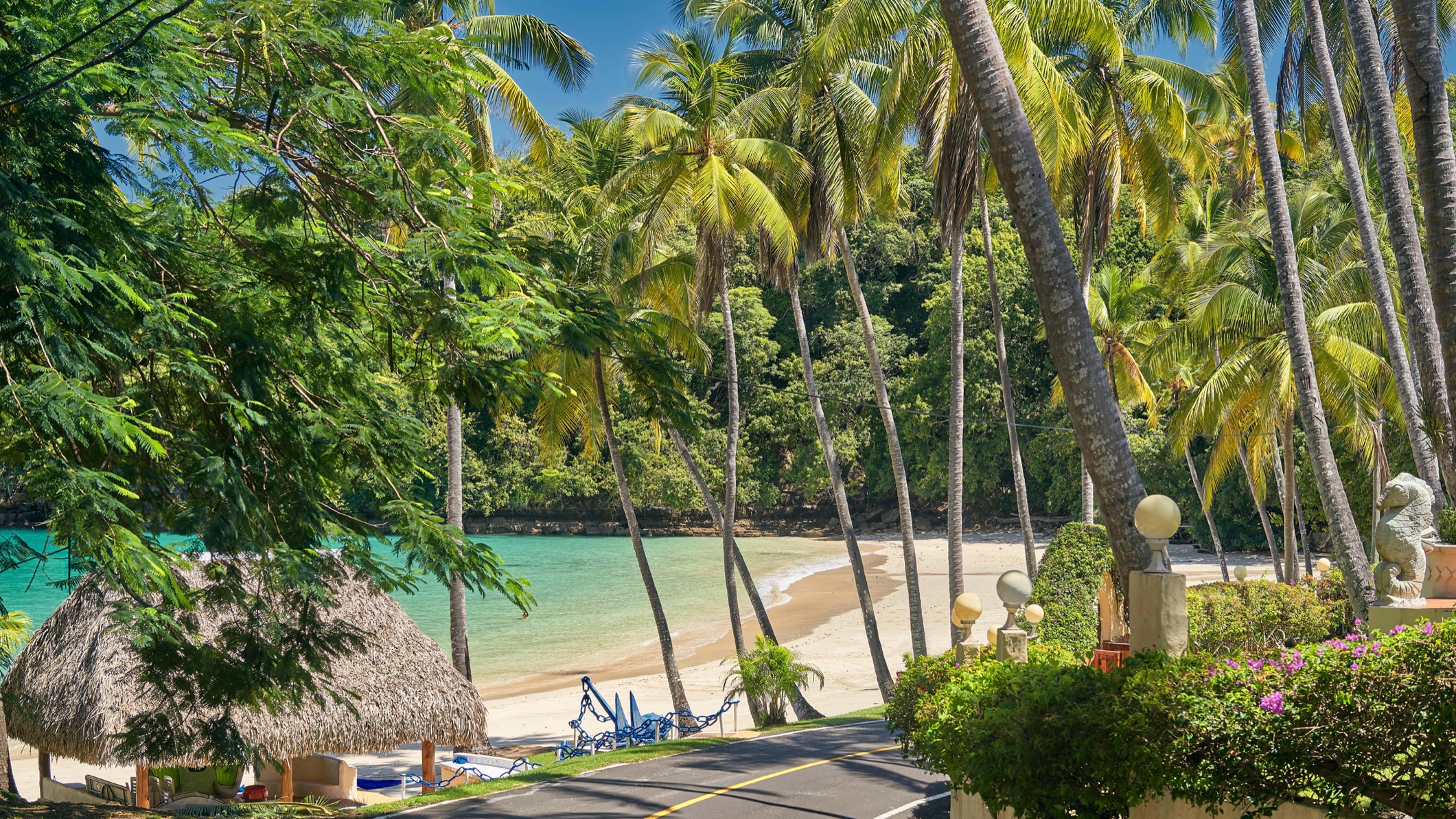
The largest and most developed island is Isla Contadora, which served historically as the accounting station ("contadora" means counter in Spanish) where Spanish administrators counted pearls before shipment to Europe. Contadora became a fashionable resort destination in the mid-twentieth century, attracting international travelers including the Shah of Iran, who famously stayed on the island during his 1979 exile from Iran. The island today supports a small permanent population, several hotels and resorts, an airstrip with daily flights from Panama City, and beaches that consistently rank among Panama's finest. Playa Cacique, Playa Galeón, and Playa Larga each offer distinct character — calm protected swimming, exposed Pacific surf, and long stretches of pristine sand respectively.
Isla Saboga sits just north of Contadora and offers a quieter, less developed experience. Several small communities of fishermen and their families maintain traditional Panamanian island life on Saboga, with limited tourist infrastructure that appeals to travelers seeking authentic rather than resort experiences. Isla del Rey, the largest island in the archipelago by area, contains larger fishing villages, agricultural communities, and substantial undeveloped wilderness that supports diverse wildlife populations.