
Panama City
The Panama Metro: Latin America's First Subway in Central America
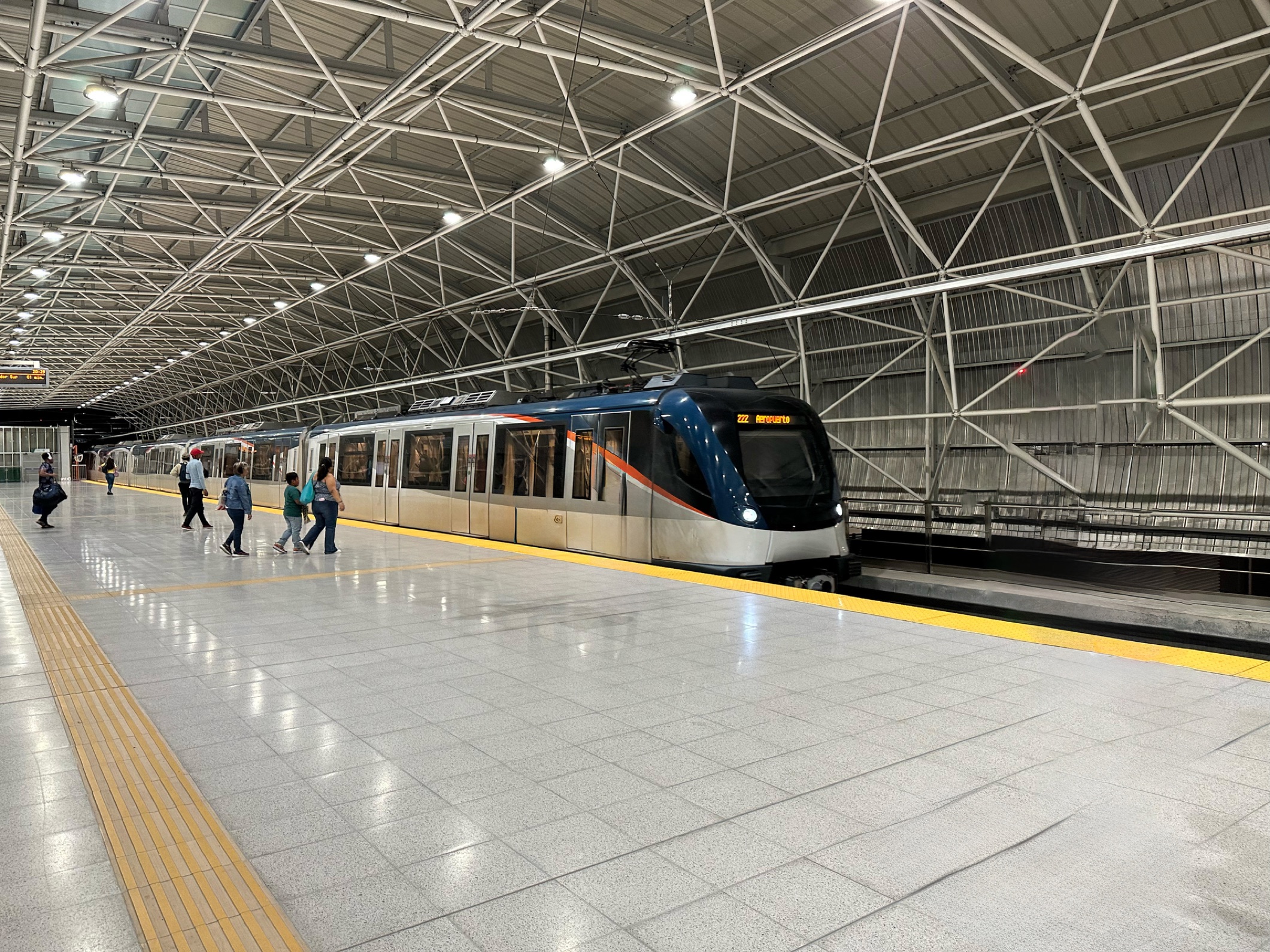
The Panama Metro opened in April 2014 and became Central America's first metro system, marking a substantial milestone in the region's transportation infrastructure. Within a decade of opening, the system has expanded to two operational lines with a third under construction and additional lines in planning, carrying hundreds of thousands of riders daily and fundamentally changing how Panama City residents move through their capital. The system represents one of the most ambitious public infrastructure projects undertaken in Panama since the canal expansion, and its operational success has set the standard for urban transit development across Central America.
Line 1 began operations in April 2014, running 15.8 kilometers through the heart of Panama City with 14 stations connecting the northern suburbs through downtown to the southern Albrook transportation hub. The line operates primarily underground through downtown, with elevated sections at the northern and southern ends. The line carries approximately 270,000 passengers daily during normal operations, dramatically reducing surface traffic congestion in the corridor it serves.
Line 2 opened in April 2019, extending the metro system eastward from the San Miguelito hub through the rapidly developing eastern suburbs to the Nuevo Tocumen area near Tocumen International Airport. The line runs 21 kilometers with 16 stations, primarily elevated rather than underground, and serves neighborhoods that experienced substantial population growth in the years before the line's construction.
Line 3 is currently under construction and represents the system's most ambitious expansion to date. The line will connect Panama City to the western Pacific suburbs in the West Panama province, crossing the Panama Canal via a new bridge dedicated primarily to metro service. The Fourth Bridge over the Canal, as the new crossing is called, is itself a substantial engineering project — a cable-stayed bridge designed to accommodate the metro line while also providing additional vehicle traffic capacity across the canal. Line 3 will extend approximately 25 kilometers with 14 stations, serving Arraiján, La Chorrera, and surrounding communities that have grown substantially over recent decades but have lacked rapid transit connection to central Panama City.
Line 4 has entered formal planning and represents the next major expansion the system will undertake. The line is planned to extend the metro network into additional areas of metropolitan Panama City that have grown beyond the reach of current service. The Panama Metro authority has indicated that subsequent lines (Line 5 and beyond) are also under long-range planning, with the eventual system designed to provide rapid transit access across most of metropolitan Panama City.When the planned expansion is complete over the coming decades, the Panama Metro will be one of the most extensive metro systems in Latin America by network density relative to population served. The combined Lines 1, 2, and 3 alone will cover roughly 62 kilometers with 44 stations, comparable in scale to metros in much larger cities globally.
For visitors to Panama City, the metro provides practical and surprisingly enjoyable transportation. The Albrook station connects directly to the Albrook Mall, the largest shopping center in Central America, and to the Albrook bus terminal that serves both urban and intercity bus services. Several metro stations sit within walking distance of major tourist destinations including Casco Viejo (via the 5 de Mayo or Santa Ana stations), the Panama City financial district, and various commercial centers. International travelers staying in Panama City often discover that the metro provides faster and substantially cheaper transportation than taxis for many trips within the city.
The connection between the metro system and Tocumen International Airport will become particularly significant when Line 3 and subsequent expansions integrate fully with the airport. International travelers will eventually be able to move between the airport and central Panama City and across western Panama via metro.
Café de Volcán recognizes the Panama Metro as one of the most visible examples of how modern Panama operates at the scale and sophistication of much larger countries. Visitors who experience Panama City through the metro encounter a country whose modern capacity often exceeds international expectations — the same country whose highland communities produce the specialty coffee the brand celebrates, supported by the modern infrastructure that connects production to global markets.