
Extraction Fundamentals
The Difference Between Strength and Extraction
Strength and extraction are often spoken of together, but they describe different qualities in the cup. Strength is the concentration of dissolved coffee in the water — how much coffee, per ounce, is present. Extraction is the portion of the bean's soluble material that actually made it into the water. A cup can be strong without being deeply extracted, or softly concentrated but fully extracted.
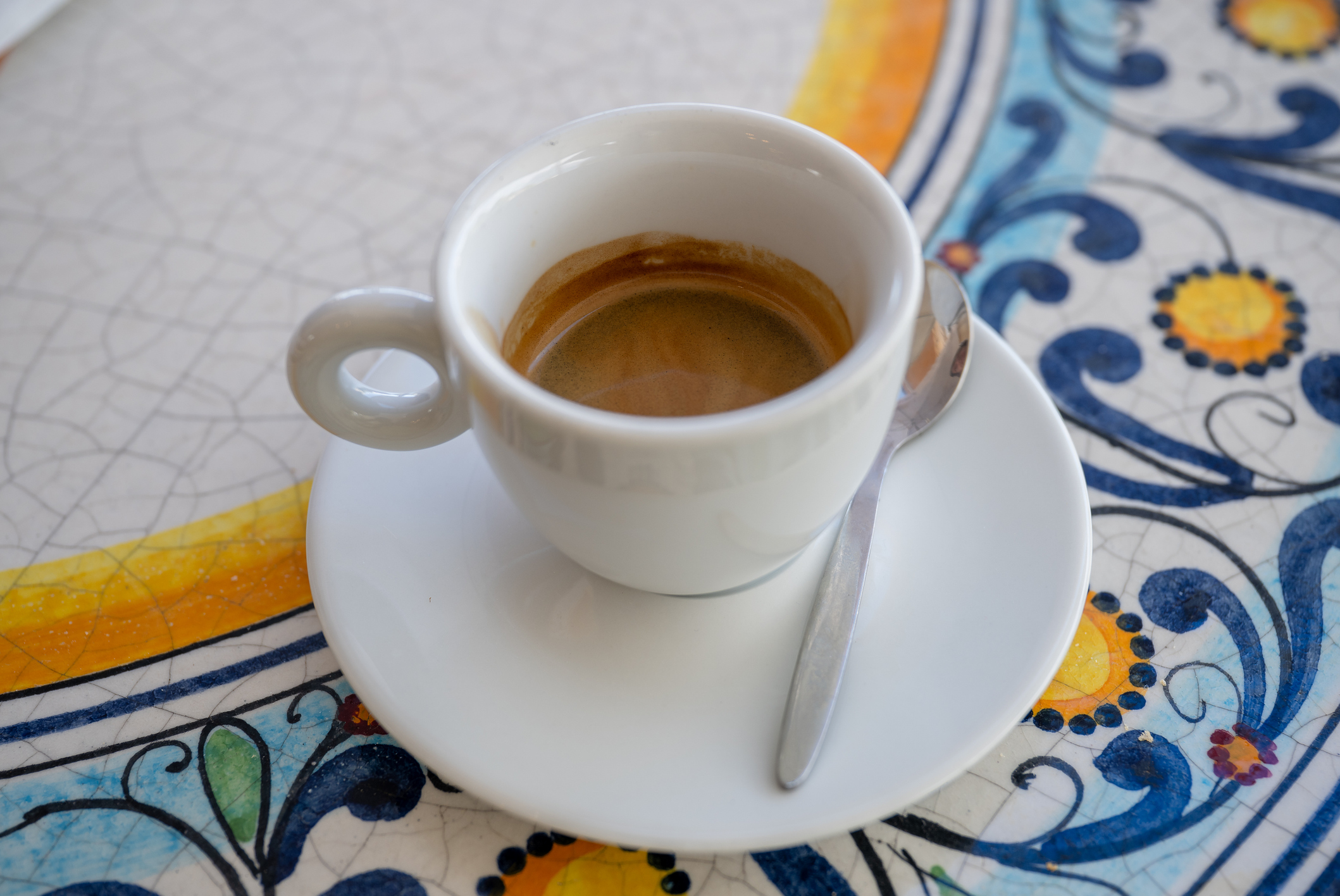
The science measures both qualities precisely. Strength is measured as Total Dissolved Solids (TDS), expressed as a percentage of the brewed liquid's weight. The Specialty Coffee Association's brewing chart identifies the optimal strength range as 1.15% to 1.45% TDS for filter coffee. Below 1.15% the cup tastes thin and watery; above 1.45% it feels heavy and overwhelming. Espresso strength runs dramatically higher at 8% to 12% TDS because the method concentrates rather than dilutes.
Extraction is measured as the percentage of the dry coffee's weight that dissolved into the brew. The SCA's optimal extraction range is 18% to 22%. Below 18% the cup is under-extracted and tastes sour or thin because the sugars and balancing compounds haven't fully released. Above 22% the cup is over-extracted and tastes bitter or astringent because the larger phenolic compounds and bitter molecules have begun extracting in significant quantity. The 18-22% window is where the chlorogenic acids, sucrose, melanoidins, and aromatic compounds appear in proportions that produce balanced flavor.
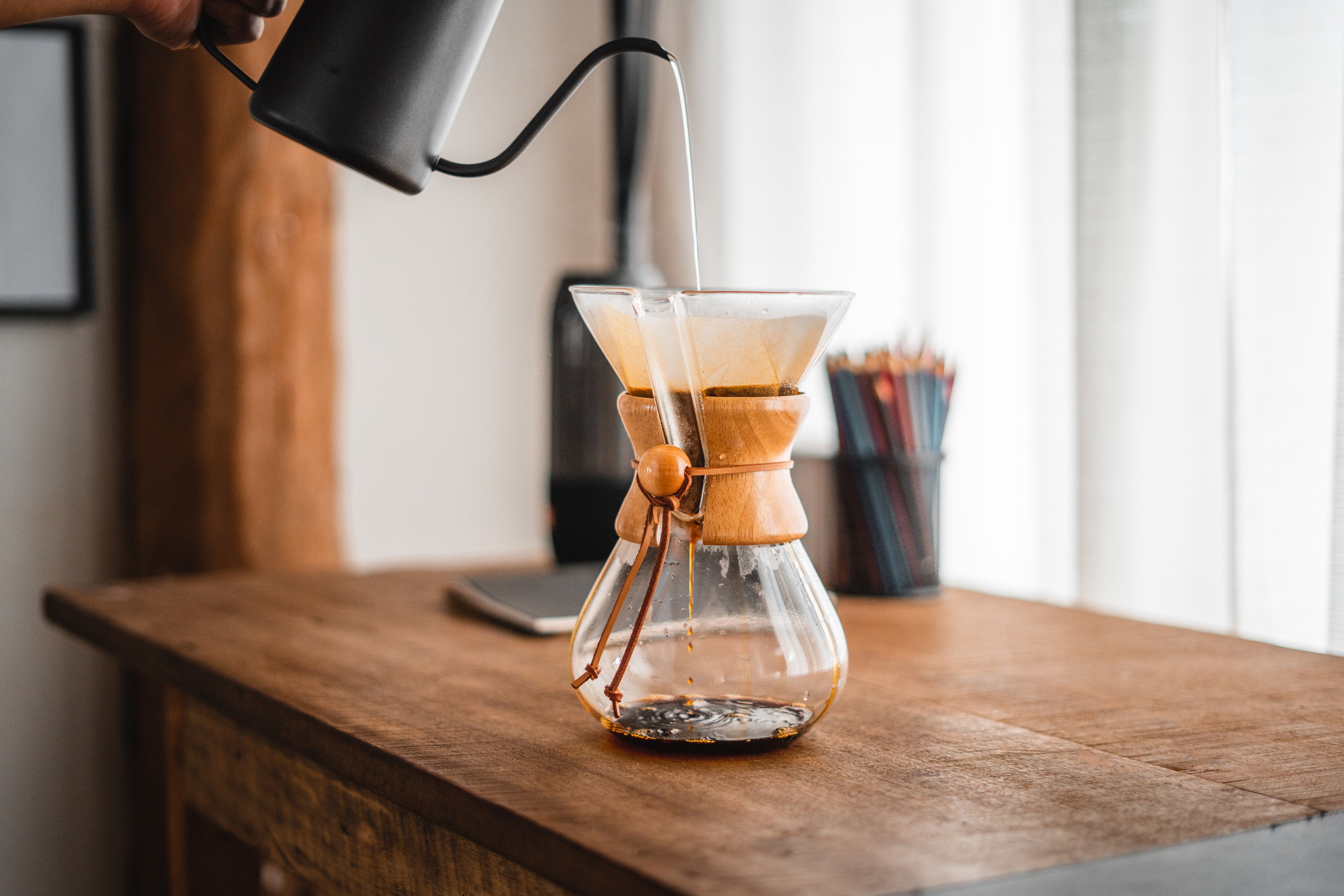
The two measurements are mathematically related but independently adjustable. A 30-gram pour-over with 500 grams of water that produces 460 grams of brewed coffee with 1.30% TDS has extracted (460 × 0.0130) ÷ 30 = 19.9% of the coffee's mass, sitting comfortably in the optimal extraction range with optimal strength. The same coffee brewed with 600 grams of water producing 555 grams of liquid at 1.10% TDS would have extracted 20.4% — still within the optimal extraction range but at sub-optimal strength because the additional water diluted the concentration without changing how much was pulled from the beans.
This distinction matters because the two qualities respond to different adjustments. A cup that feels too strong does not necessarily need different extraction — it may need more water or less coffee, keeping the extraction the same. A cup that leans bright or thin, by contrast, usually responds to the extraction variables — finer grind, hotter water, or longer contact time.
Knowing which quality to adjust first is part of the craft. Adding more coffee to a cup that simply needs longer contact time is a common detour, and one that many drinkers pass through. Café de Volcán encourages drinkers to notice the cup first, to diagnose strength and extraction separately, and to reach for the right lever when moving the next cup toward what they want.