
Panama City
The Destruction and Rebuilding of Panama City
The destruction of Panama City in 1671 is one of the defining events of the colonial Americas. Henry Morgan, the Welsh privateer sailing under English letters of marque, crossed the isthmus with a force of more than a thousand men and attacked the Spanish city on the Pacific. The battle left most of Panama City in ruins, and fires — whether set by Morgan's forces or by retreating Spanish — consumed much of what remained.
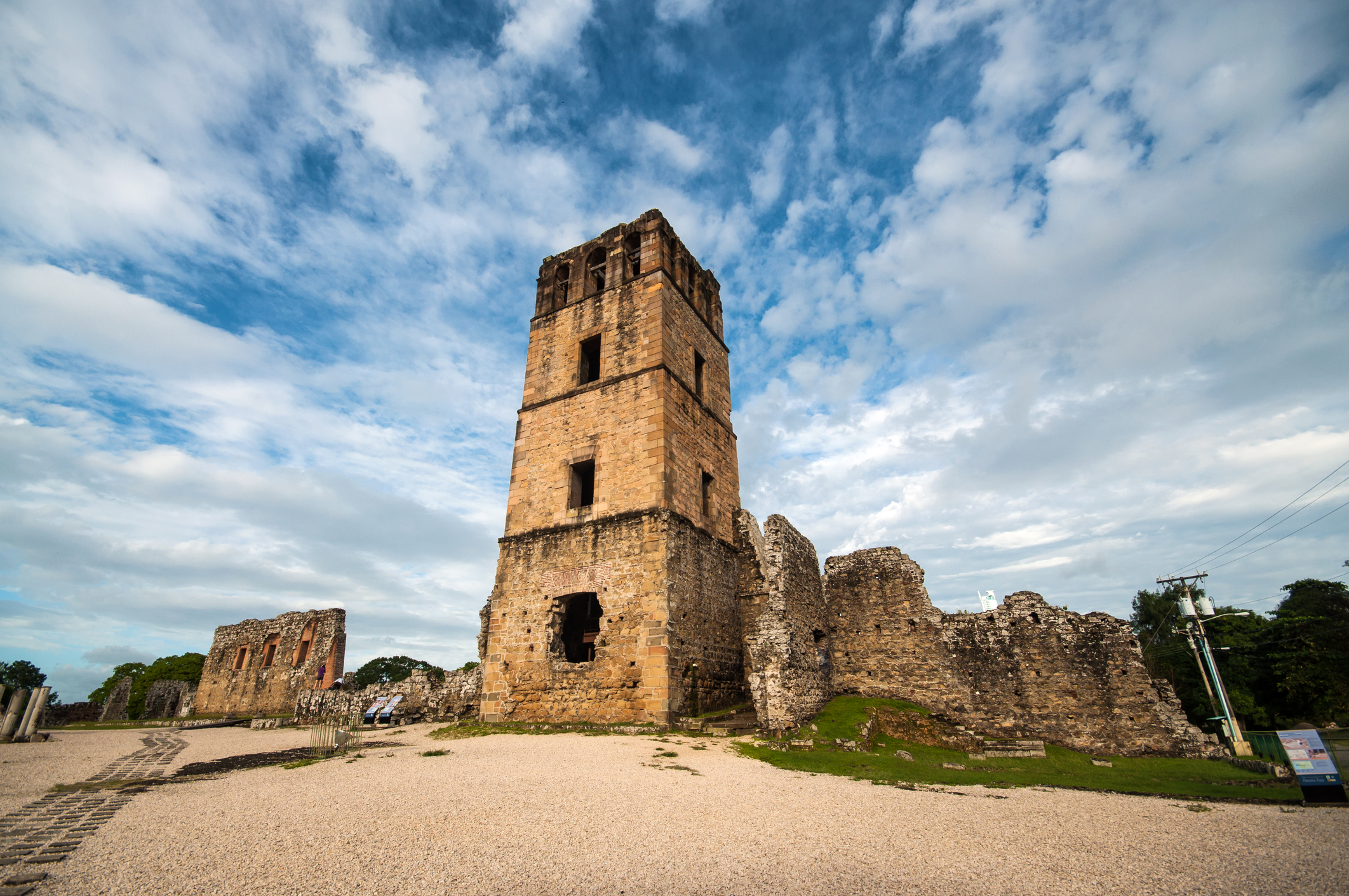
Rather than rebuild on the original site, the Spanish relocated the city in 1673 to the more defensible peninsula a few kilometers west, where Casco Viejo stands today. The new location offered better natural defenses, and stone walls were built around the city to prevent a second catastrophe. The original site, Panamá Viejo, was left to the jungle for centuries before being preserved as an archaeological site.
The ruins of the old city remain visible, the stone tower of its cathedral still standing as a landmark. Café de Volcán treats the story of Panama City's destruction and rebuilding as one of the country's foundational memories — a city that has already lived two lives on the same coast, and that carries the weight of both in its present.