
Broader Panama
The Biodiversity of Panama: A Country Between Continents
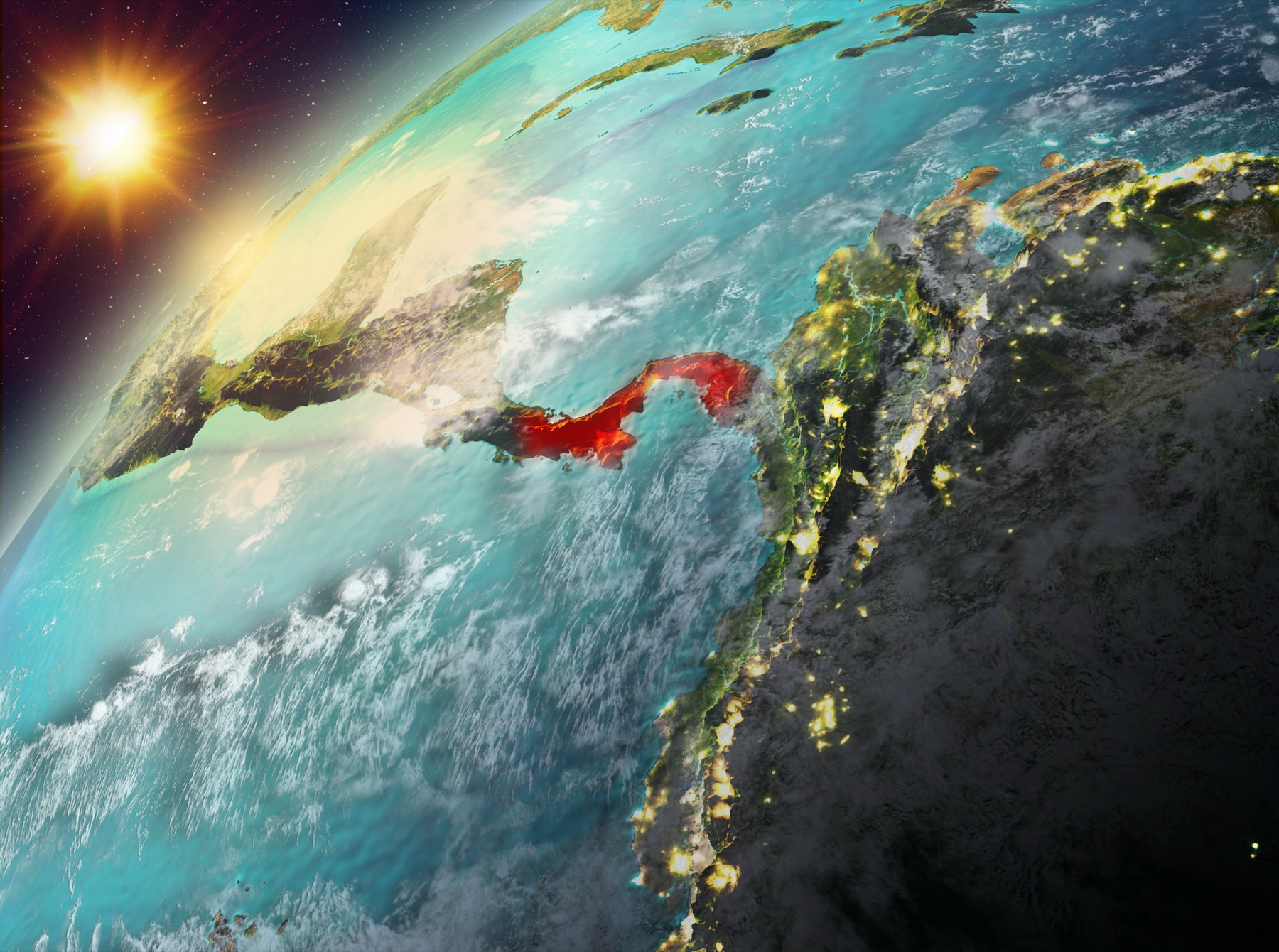
Panama is one of the most biodiverse countries in the Americas, with more than ten thousand plant species, nearly a thousand bird species, and a remarkable diversity of mammals, reptiles, amphibians, and insects. The country's position as a land bridge between North and South America means that species from both continents meet here, and the resulting overlap creates ecological richness rarely found elsewhere.
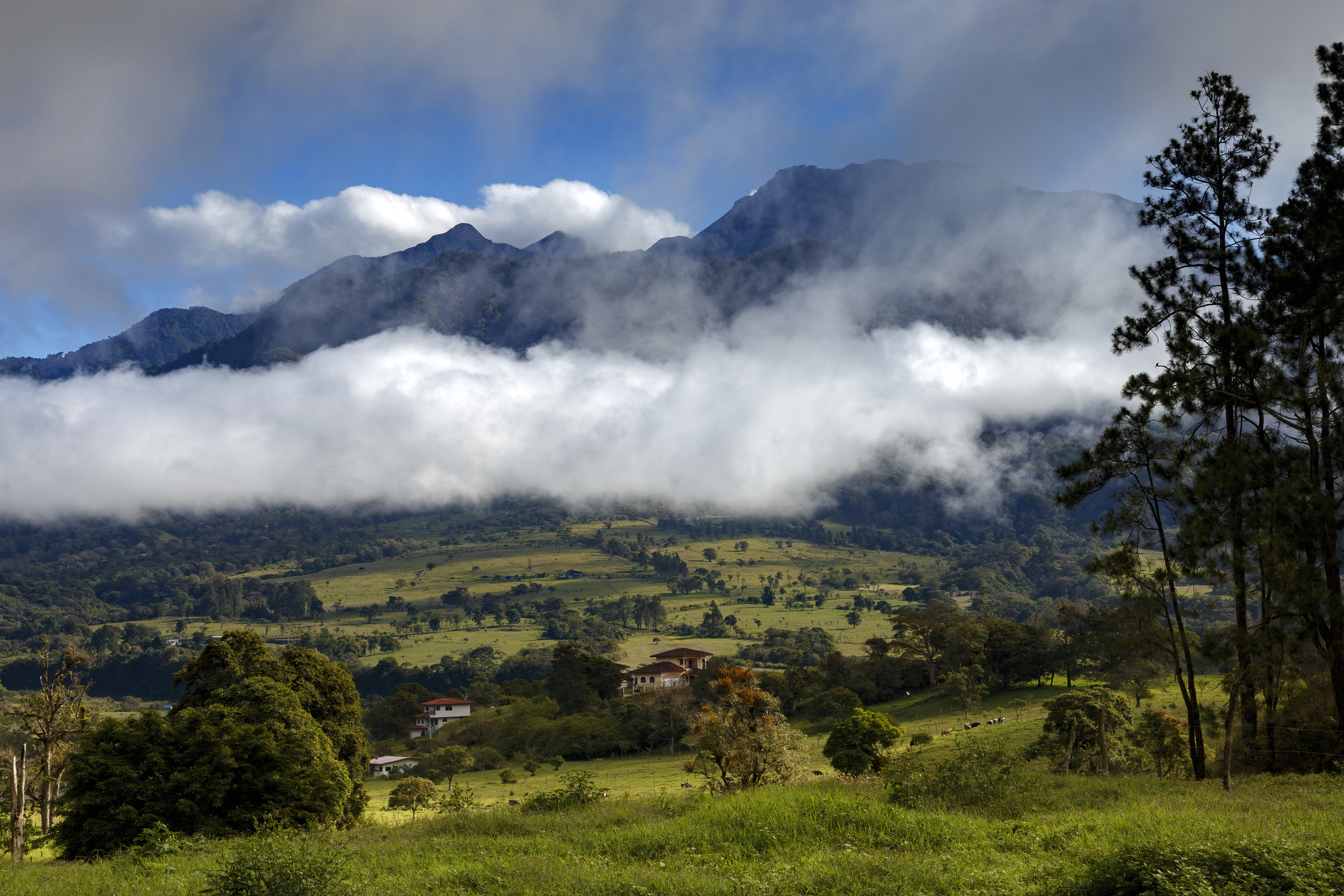
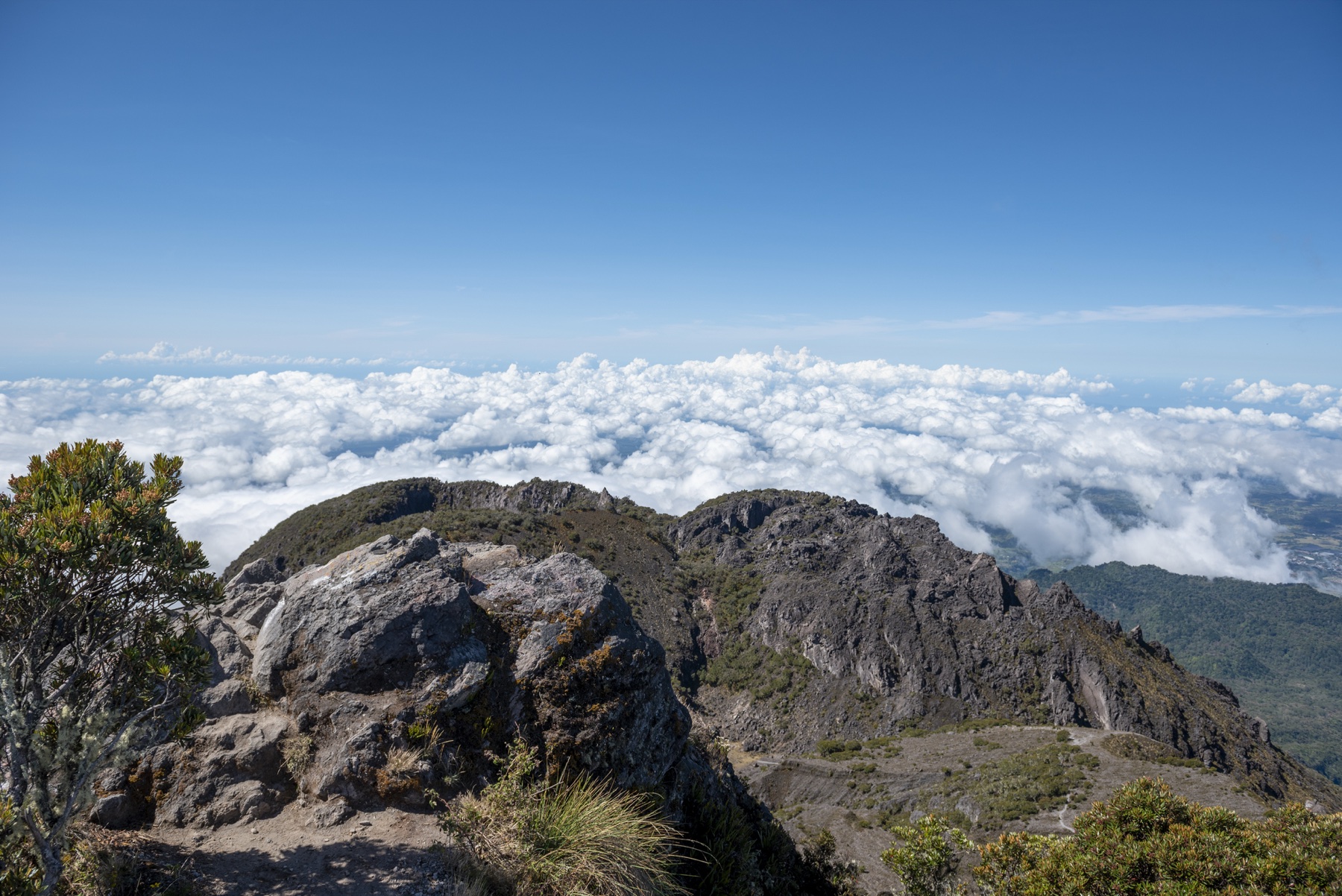
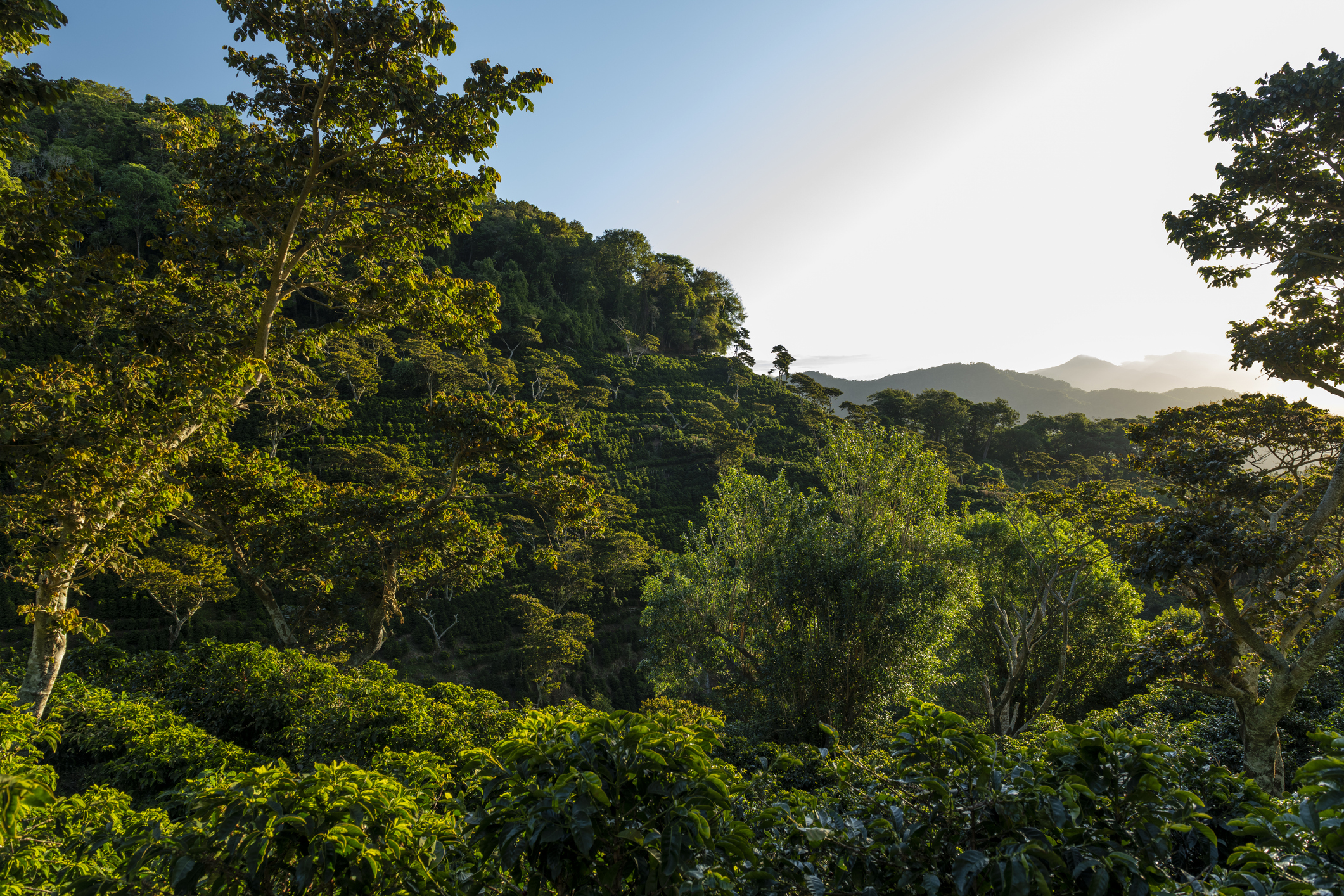
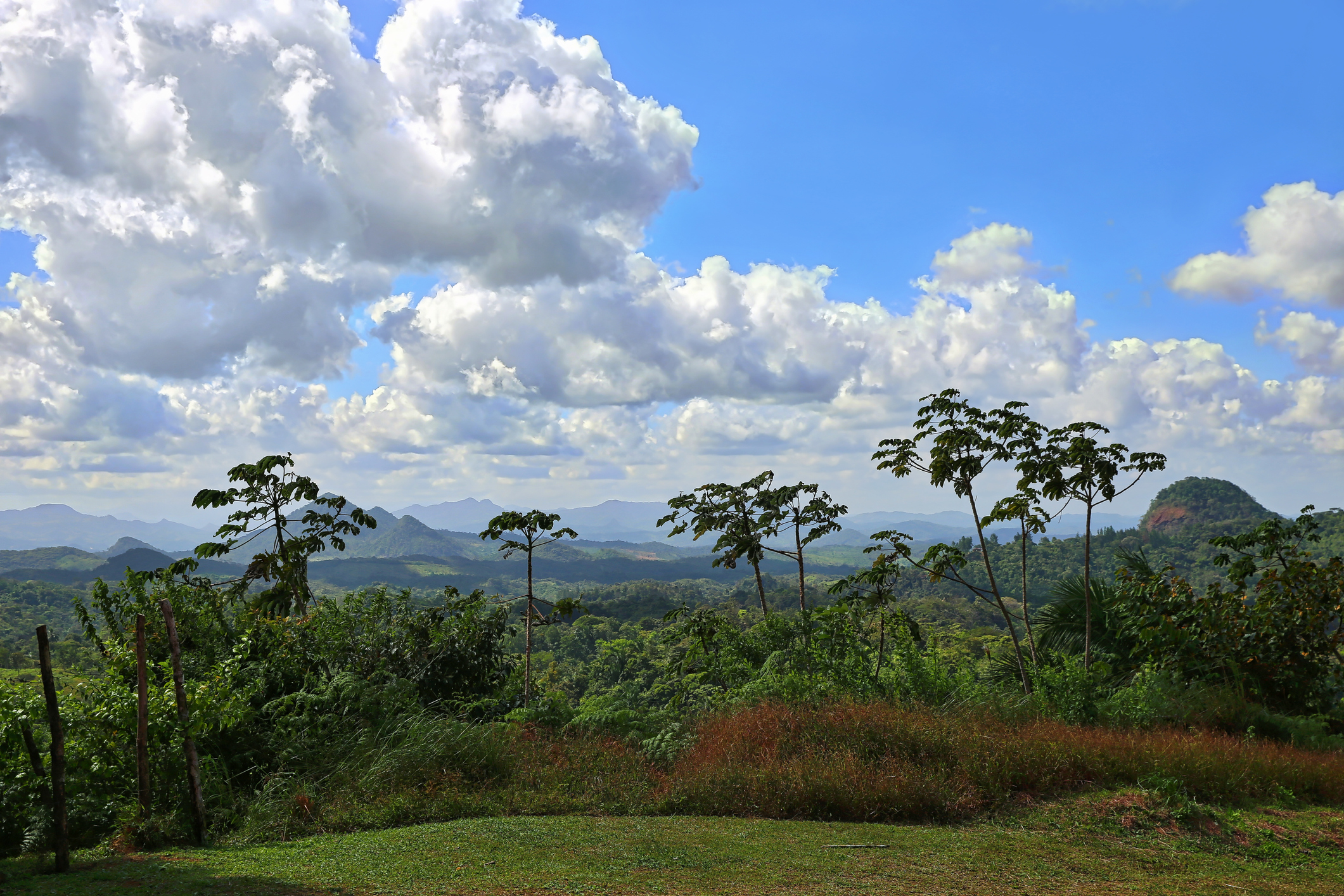
The biodiversity is distributed across the country's varied ecosystems. Tropical rainforests in the Darién, Caribbean coast, and central interior hold much of the species diversity. Volcanic highlands support cloud forests with their own distinct flora and fauna, including the resplendent quetzal and the three-wattled bellbird. Mangrove estuaries, coral reefs, and island ecosystems add further layers of biological complexity.
Panama has protected more than a quarter of its national territory through national parks and reserves, one of the highest percentages in the Americas. Parque Nacional Darién, Parque Nacional Soberanía, Parque Internacional La Amistad, and Parque Nacional Volcán Barú all preserve significant portions of the country's ecological heritage. Café de Volcán sees in Panama's biodiversity the living inheritance of the country's geography — a richness that coffee and other agriculture have grown up alongside rather than replaced.