
Troubleshooting
The Astringent Cup Part 2: Method-Specific and Water
Once astringency is identified separately from bitterness as covered in Part 1, the question becomes which adjustment to reach for first. Each brewing method has its own typical causes and most effective interventions.
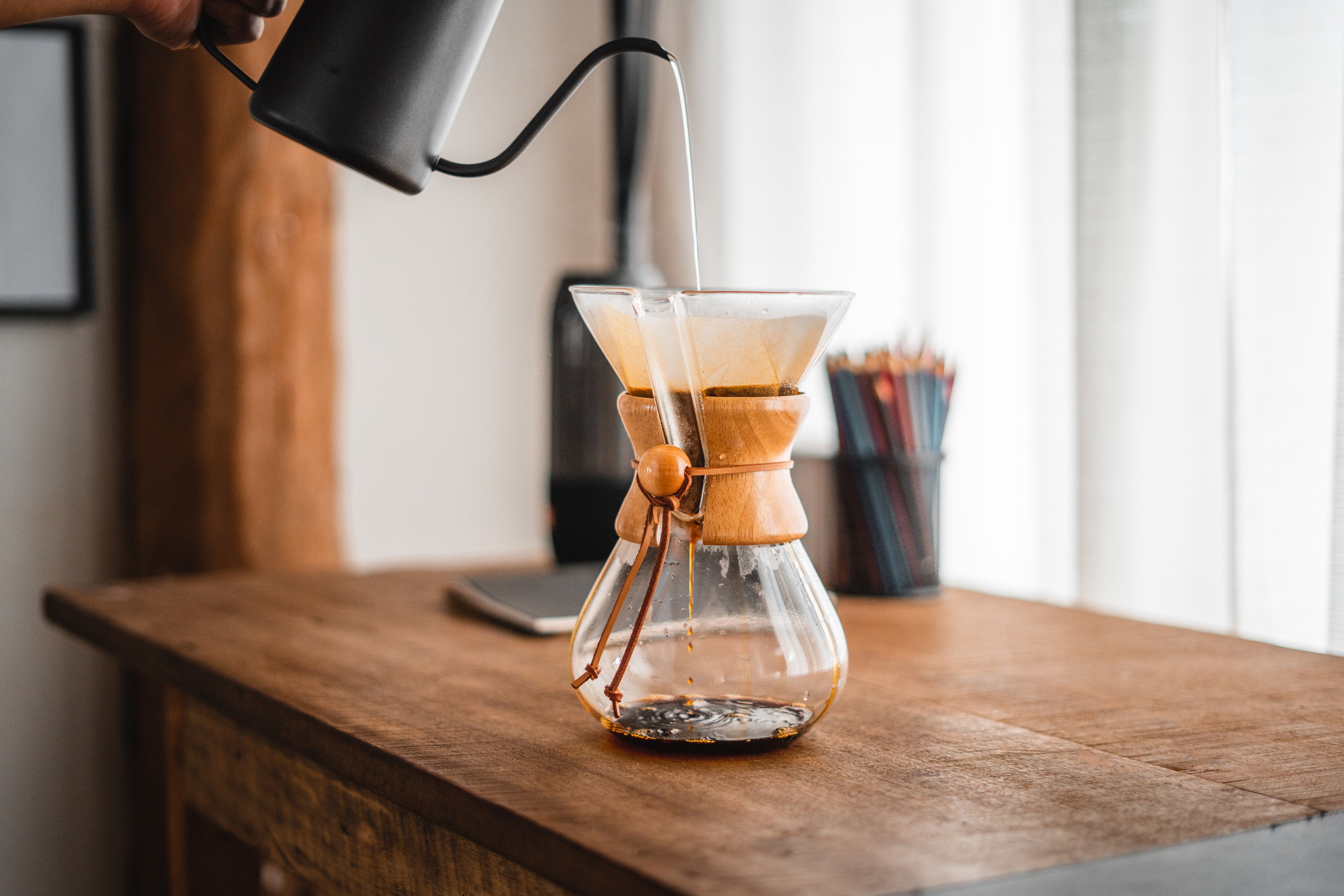
For pour-over like V60 or Kalita Wave, astringency often appears with darker roasts or when total brew time has stretched past 4 minutes. The most common fix is grinding 1-2 settings coarser to reduce extraction depth. Dropping water temperature from 96°C (205°F) to 92°C (198°F) often resolves astringency while preserving sweetness because the lower temperature suppresses lactone extraction more than it suppresses sugar extraction. Reducing total brew time by shortening the bloom phase or pouring more efficiently also helps. If astringency appears alongside both bitter and thin notes in the same cup, channeling is the likely cause — addressing puck evenness through a flat coffee bed and gentle pours often resolves astringency that grind adjustments cannot fix.
For espresso, astringency typically appears in shots that pulled too long or at temperatures above 94°C (201°F). The first adjustment is shortening the shot time by 2-4 seconds, either by grinding slightly coarser or by ending the shot earlier with the same grind. Dropping brew temperature by 1-2°C (2-4°F) if the machine allows it helps significantly because espresso's high-pressure environment extracts lactones aggressively when temperatures climb. Reducing the dose by 0.5-1 gram while keeping the yield constant produces a less concentrated and less astringent shot. For darker-roasted espresso, starting from 90-92°C (194-198°F) rather than the typical 93-94°C (199-201°F) often eliminates astringency without sacrificing body.
For French press, astringency frequently comes from extended steep times or from excessive fines passing through the mesh. Reducing steep time from 4 minutes to 3 minutes is often the single most effective adjustment. Coarsening the grind reduces the amount of fines that escape the mesh and contribute to astringency in the final cup. Pouring the brewed coffee off the grounds immediately after pressing rather than letting it continue to steep in contact with the press substantially reduces astringency development. Some users add a paper filter on top of the metal mesh as a hybrid approach that catches additional fines while preserving the immersion character.
For drip machines, astringency usually traces to grind size, dose, or stale coffee being over-extracted to compensate for diminished oil content. Coarsening the grind is the primary lever. Reducing the coffee dose slightly produces a softer cup. Replacing older coffee with fresher beans often resolves astringency that adjustments cannot, because stale coffee's depleted oil content makes the remaining compounds extract more aggressively. Some drip machines benefit from using a smaller water volume than the carafe size suggests — running 800ml of water through a basket sized for 1L often produces less astringent cups than running the full liter.
Astringency is also influenced by water chemistry in ways most brewers underestimate. Water with too little mineral content, particularly low calcium, fails to buffer the extraction and pulls astringent compounds more aggressively. Reverse osmosis water without remineralization is a common culprit in surprising astringency, even when grind, time, and temperature appear correct. Adjusting water mineralization toward the SCA targets — 75-250 ppm total dissolved solids and around 51 ppm calcium hardness — often resolves astringency that brewing adjustments cannot fix. The opposite case can also produce astringency: water with very high alkalinity above the SCA maximum of 75 ppm can create a flat, drying character that mimics astringency even though the underlying cause is buffering rather than tannin extraction. Testing water chemistry is sometimes the missing diagnostic step that brewing adjustments have been compensating for unsuccessfully.
Café de Volcán treats astringency as a signal that the extraction has reached further than the balance point and suggests small adjustments to bring the cup back toward roundness. Often a single notch coarser on the grinder is enough to shift a cup from drying to soft. When grind alone doesn't resolve it, working through temperature, time, and water mineralization in that order usually identifies where the cup is reaching past balance.