
Troubleshooting
The Astringent Cup Part 1: Understanding the Drying Sensation
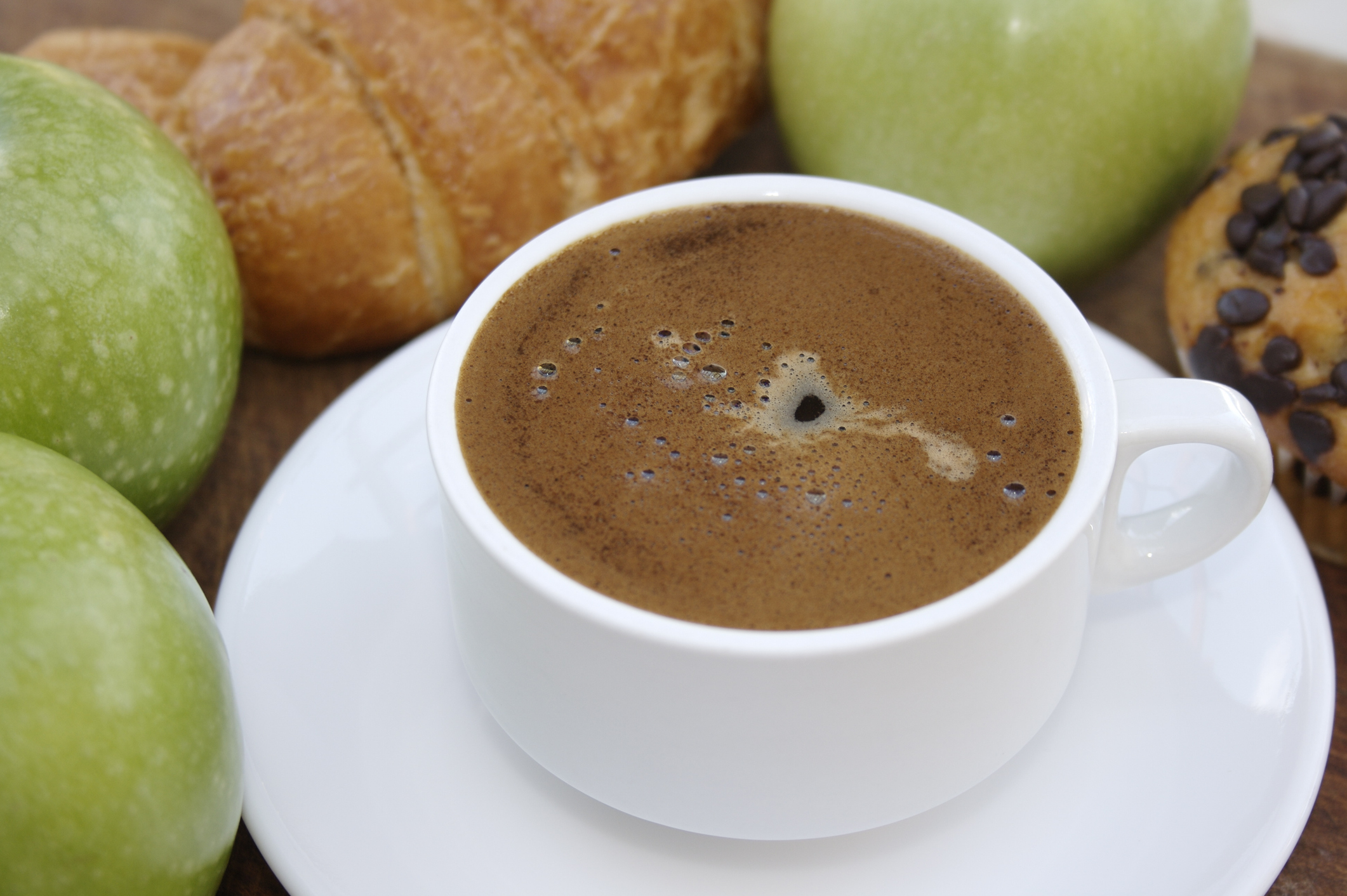
When a cup finishes with a drying, puckering quality on the palate, the character is called astringency. It is related to bitterness but distinct from it — astringency is a texture more than a taste, a sensation of the mouth feeling stripped rather than the tongue detecting a particular flavor. The mouth's reaction comes from tannins binding with proteins in saliva, which temporarily reduces the saliva's lubricating effect and produces the characteristic puckered, dry feeling. The same mechanism produces the astringency of black tea, red wine, unripe persimmons, and walnut skins.
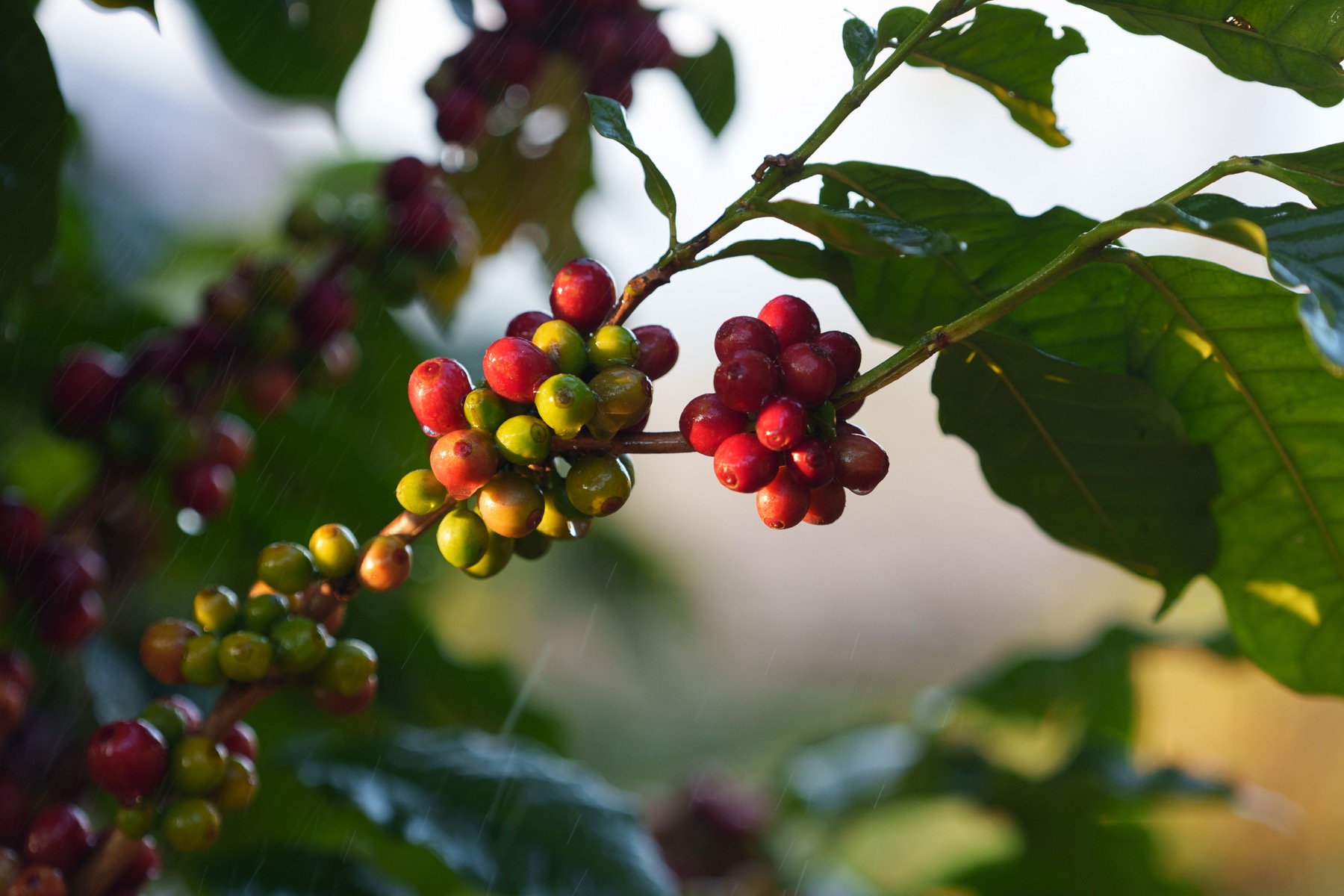
The chemistry behind astringency in coffee comes primarily from chlorogenic acid lactones and larger polyphenolic compounds that extract heavily during late extraction. Chlorogenic acids themselves are not astringent at moderate levels, but as roasting progresses these acids partially break down into lactones, which become more astringent than their parent compounds. Darker roasts contain more of these lactones than lighter roasts, which is part of why darker roasts are harder to brew without astringency.
The polyphenolic compounds that contribute to astringency are larger molecules that require extended contact time to fully extract. This is why under-extracted cups rarely taste astringent even when they taste sour, and why over-extracted cups carry astringency even when they don't taste particularly bitter. Astringency and bitterness can appear together when extraction has gone far past balance, but they can also appear independently — an astringent cup that isn't particularly bitter is a real and diagnostically important pattern.
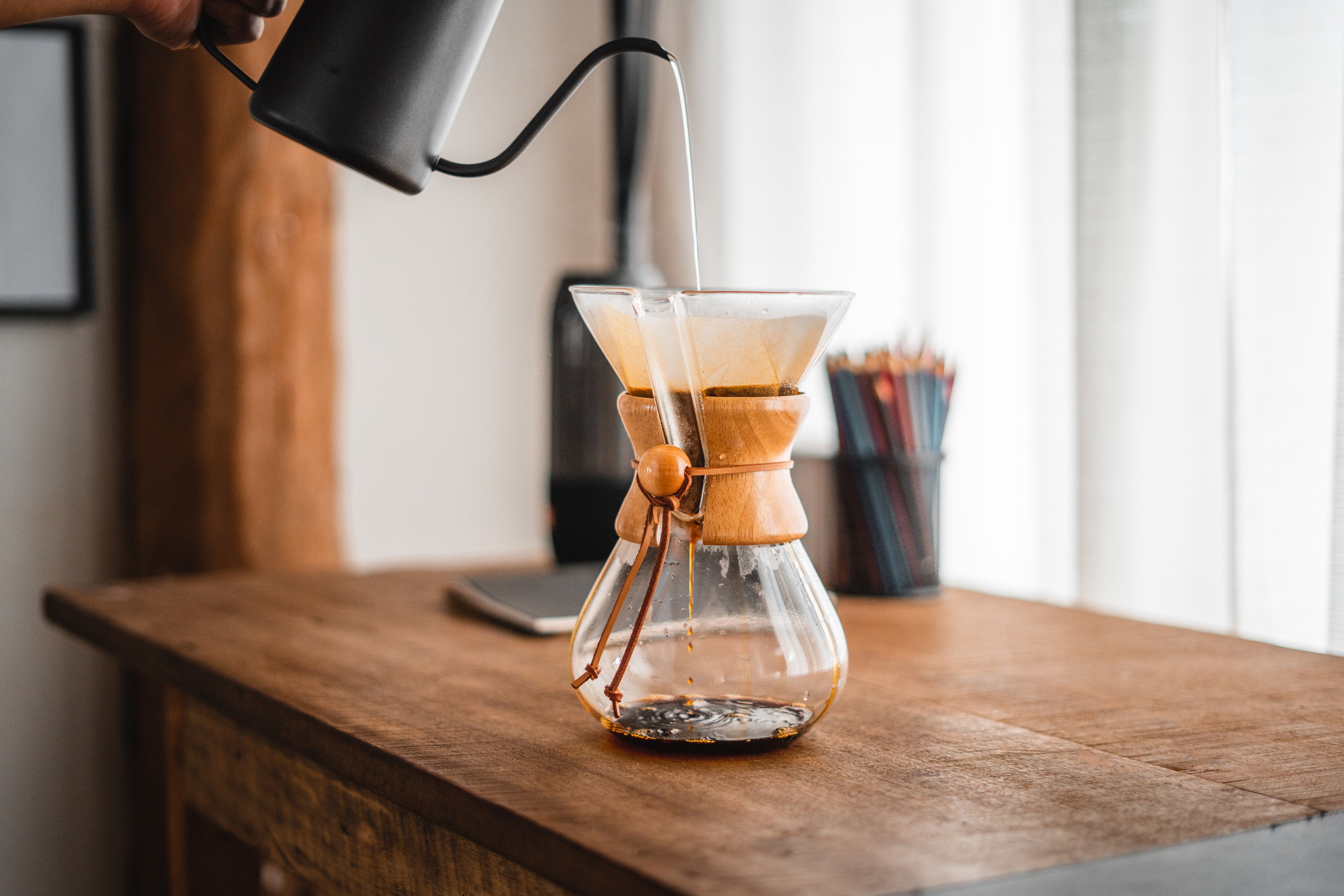
Astringency often points to extraction that has gone a little beyond the bean's balance, or to a specific grind or preparation issue. A slightly coarser grind pulls fewer of these tannins into the cup. Shortening contact time lets the water stop before the tannins fully release. Lower water temperature extracts them more selectively. Sometimes channeling or uneven extraction pulls tannins from some parts of the bed while leaving others under-extracted, and addressing the uneven flow resolves the astringency as well.
Recognizing astringency separately from bitterness is the first step to addressing it. A cup that tastes sharp and bitter on the tongue but doesn't dry the mouth is bitter without being astringent — usually a different fix than a cup that finishes by stripping moisture from the palate. Café de Volcán treats astringency as a signal that the extraction has reached further than the balance point, and Part 2 of this article covers the specific method-by-method adjustments that bring the cup back toward roundness.