
Extraction Fundamentals
Soluble Compounds and the Order in Which They Extract
The compounds inside a coffee bean do not release into water all at once. They extract in sequence, each responding to slightly different conditions of heat and time. Acids come first, bright and quick. Sugars follow, bringing sweetness and structure. The deeper compounds arrive last, emerging from the cellular material only after the earlier flavors have already found the water.
The science behind this sequence determines the phenomenon. Each compound has a different molecular structure and solubility curve, and the more polar and lower-molecular-weight compounds dissolve faster than larger or more complex molecules. Chlorogenic acids and citric acids extract within the first 30 to 60 seconds of contact with hot water. Caffeine, despite its reputation, extracts relatively early and is largely released within the first minute. Sugars and the Maillard reaction products that contribute sweetness and caramel notes follow over the next several minutes. The bitter compounds — particularly the larger phenolic molecules and the chlorogenic acid lactones formed during roasting — extract last, emerging only after extended contact time. Lipids and the suspended micro-particles that contribute body release throughout the process but accumulate noticeably toward the end of extraction.
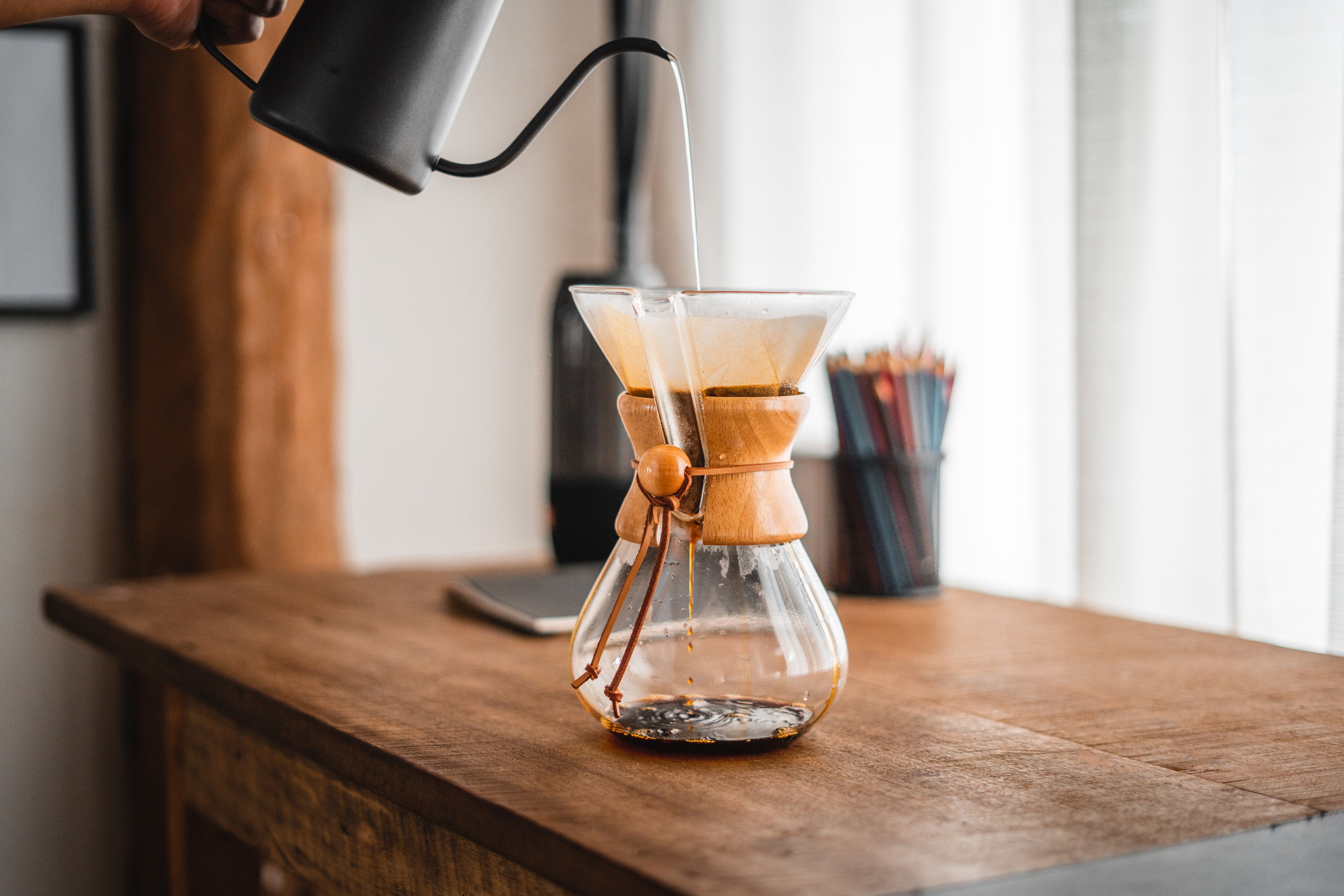
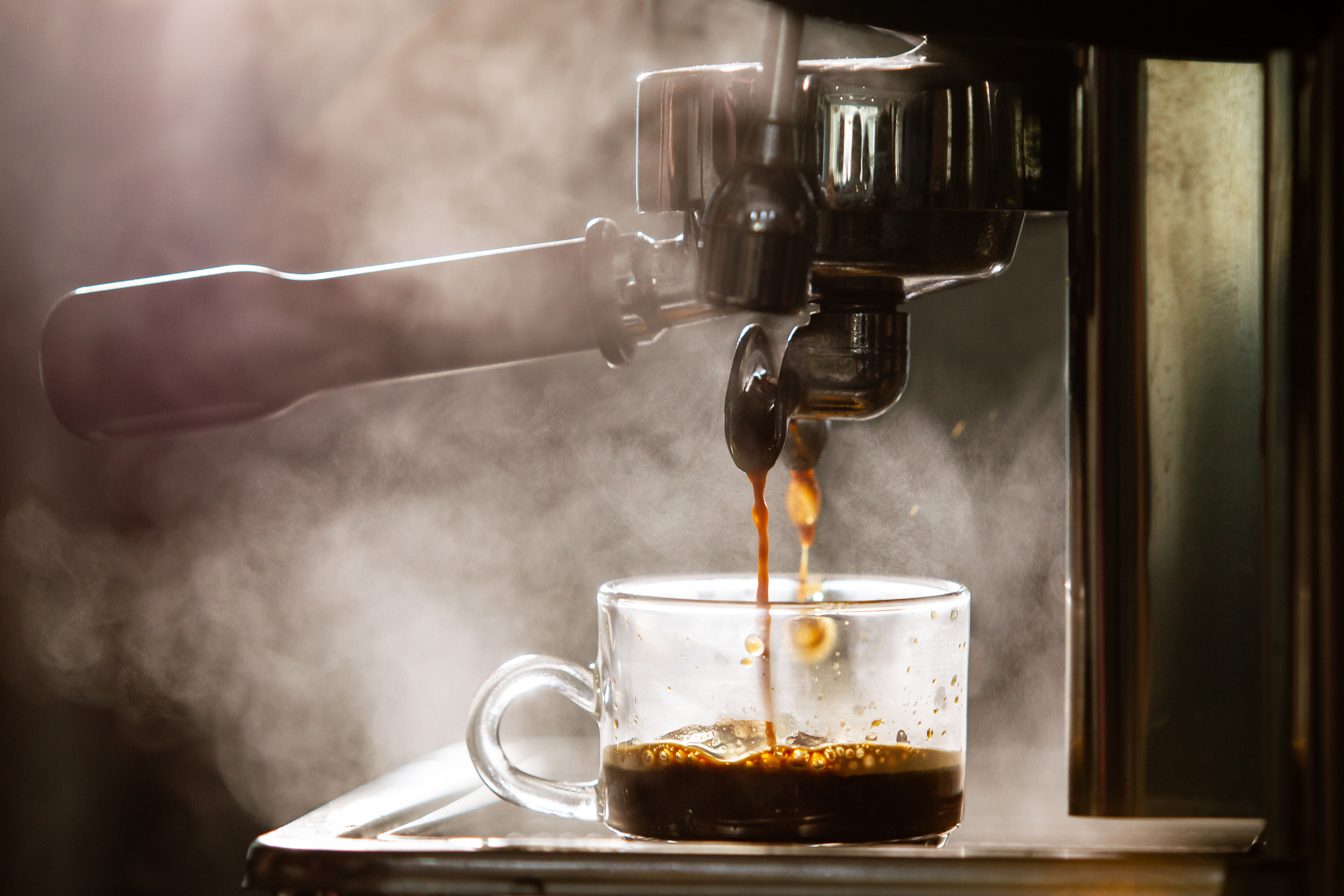
This sequence is why timing shapes the cup so much. Different brewing methods harvest different points in the extraction curve. A 25-second espresso shot captures the bright acids, the early sugars, and a portion of the bitter compounds, with the heavy lipids carrying body through the unfiltered crema. A 4-minute pour-over over a paper filter captures the full acid range and most sugars while the filter holds back oils, producing the clean clarity that defines the method. A 12-hour cold brew extracts sugars and softer compounds while the low temperature suppresses the bitter phenolic compounds that hot water would draw out, which is why cold brew tastes smoother despite its higher concentration. A 4-minute French press captures everything including oils and fines, producing the heavy mouthfeel and pronounced character that the immersion method is known for.
Every brewing method arranges this sequence in its own way. Café de Volcán finds in this process the quiet beauty of brewing and the perfection of imperfection.