

Origin
Single-Origin Coffee, Explained
Single-origin coffee comes from a defined place. That place might be a country, a region, a farm, a cooperative, or even one specific lot from one harvest. The more specific the origin, the easier it becomes to understand the relationship between geography, variety, processing, and flavor.
A single-origin coffee is not automatically better than a blend. Blends can be beautiful, especially when they are designed for balance, consistency, espresso structure, or a particular house style. A good blend can combine coffees in a way that creates harmony: one coffee may bring sweetness, another body, another acidity or depth.
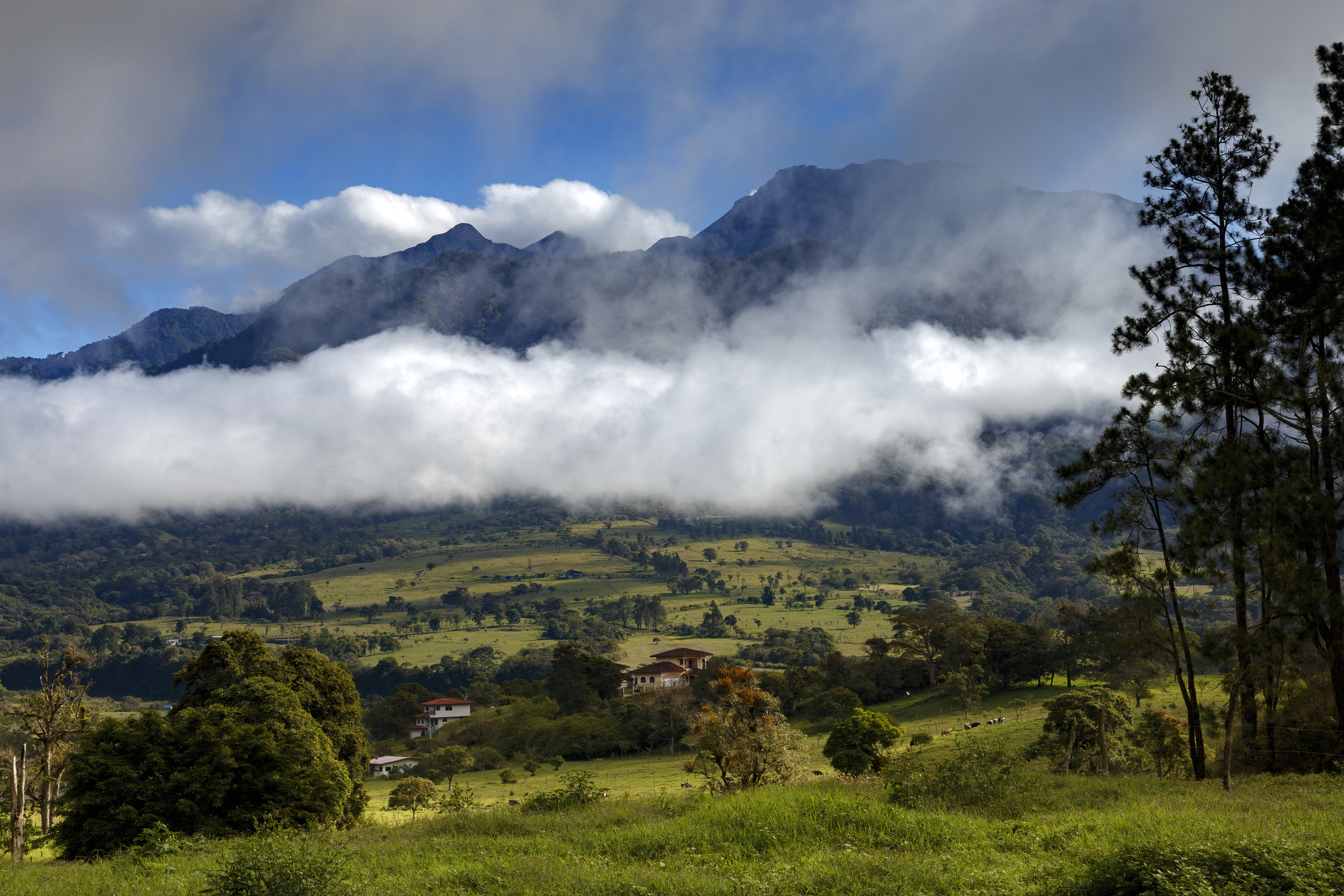
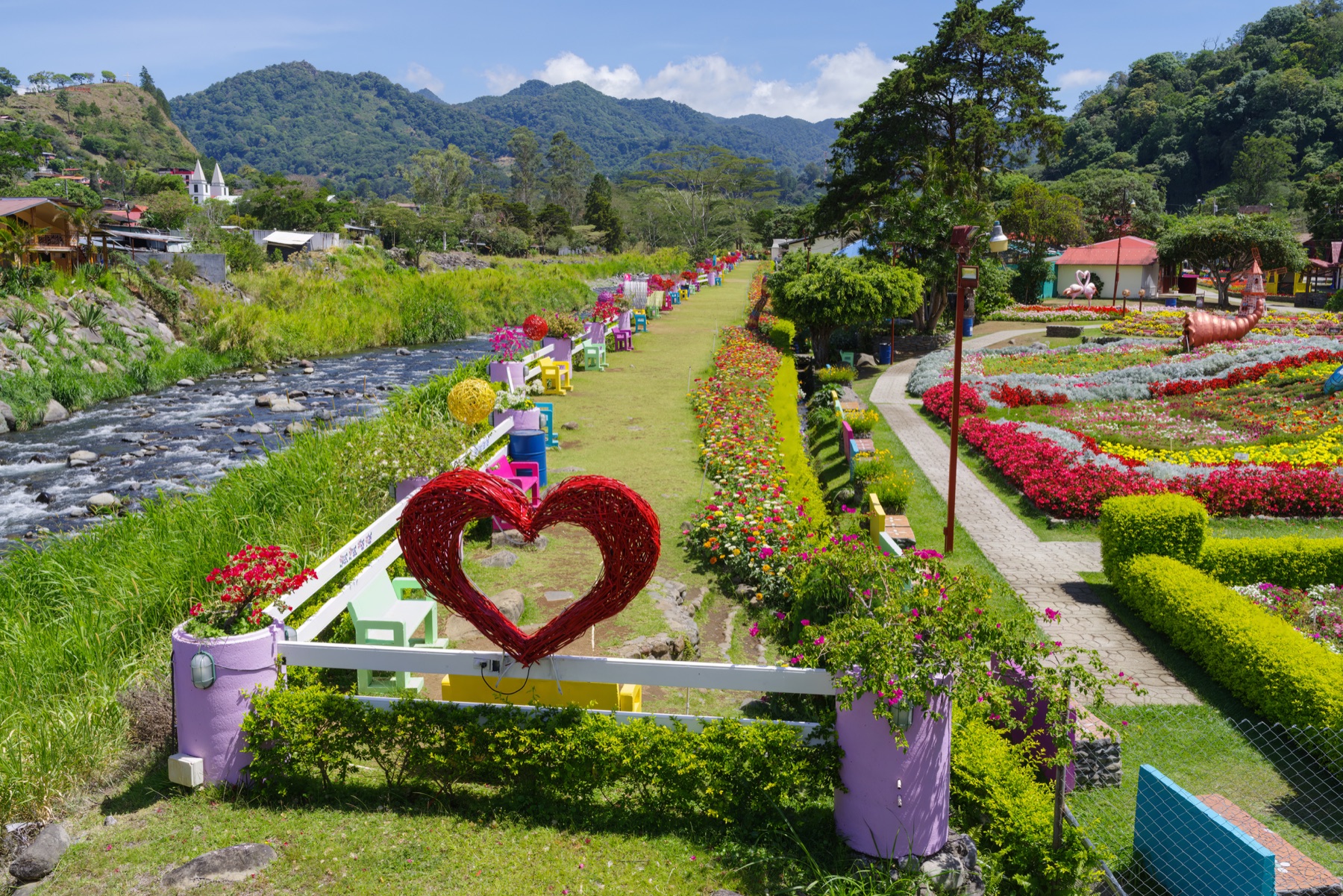
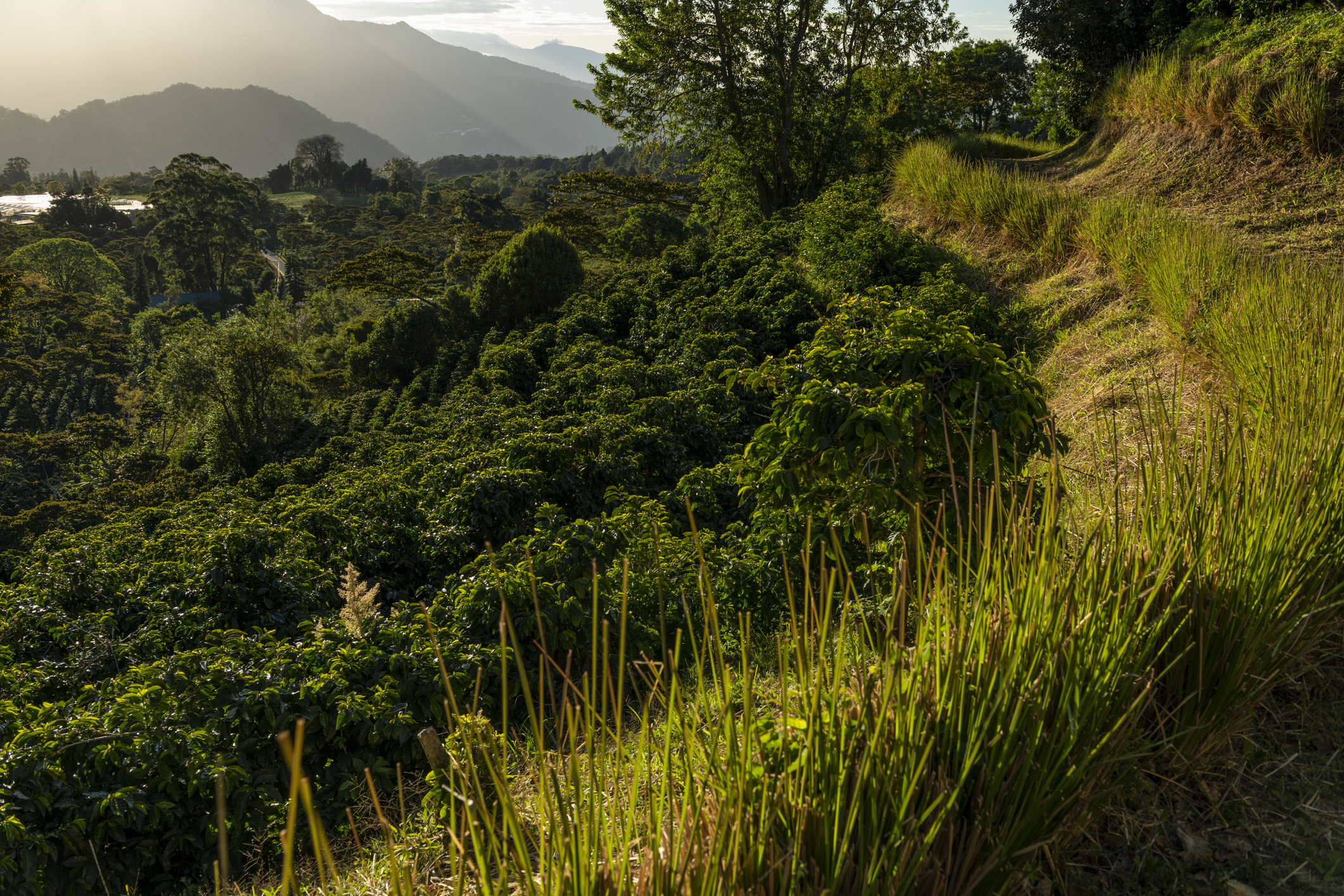
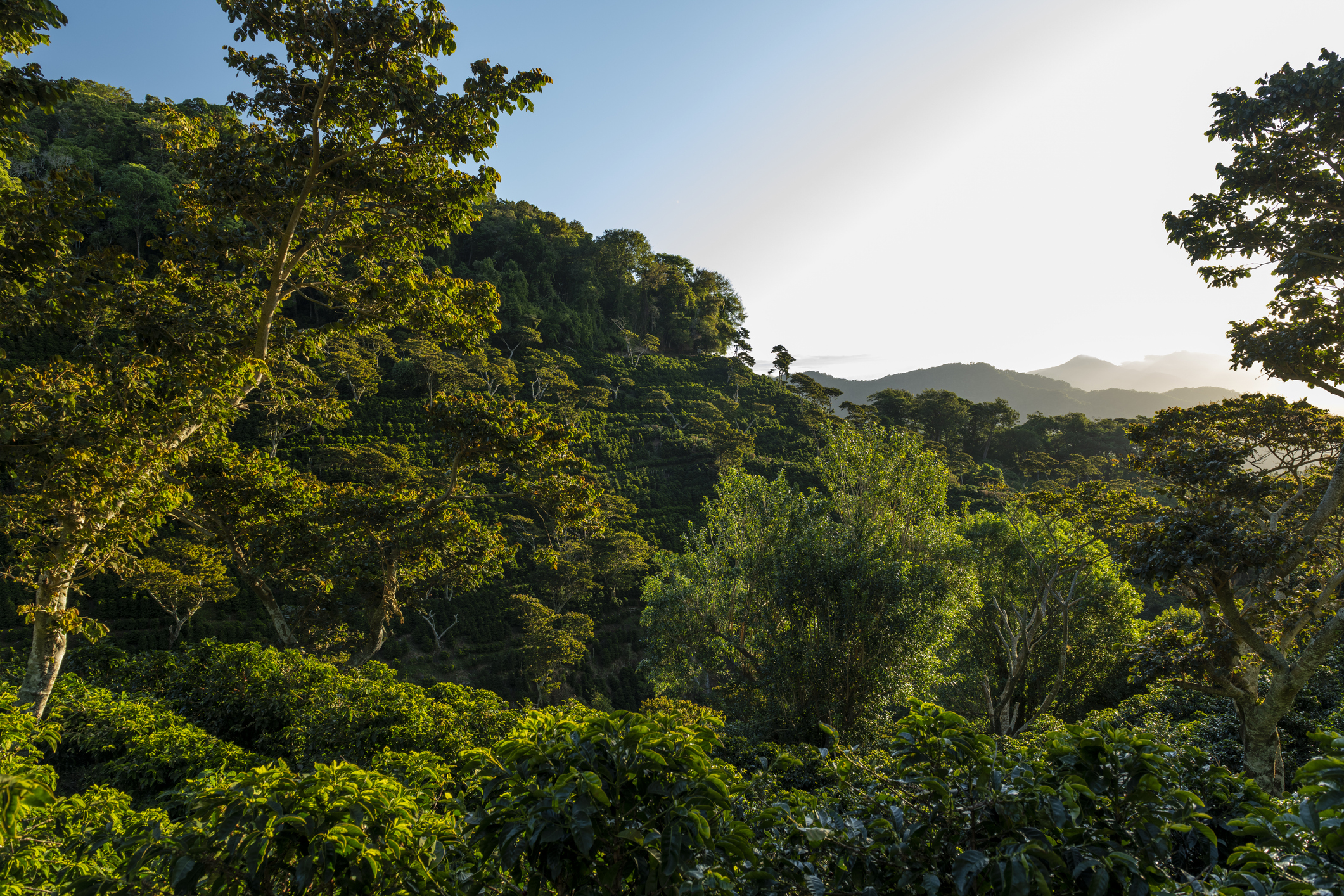
Single-origin coffee has a different purpose. It lets the drinker focus on specificity. Instead of asking how several coffees work together, it asks what one place can express on its own. A coffee from Boquete, Volcán, Renacimiento, Costa Rica, Colombia, or Guatemala can carry clues about elevation, climate, soil, variety, harvest, and processing. The cup becomes a more direct conversation with origin.
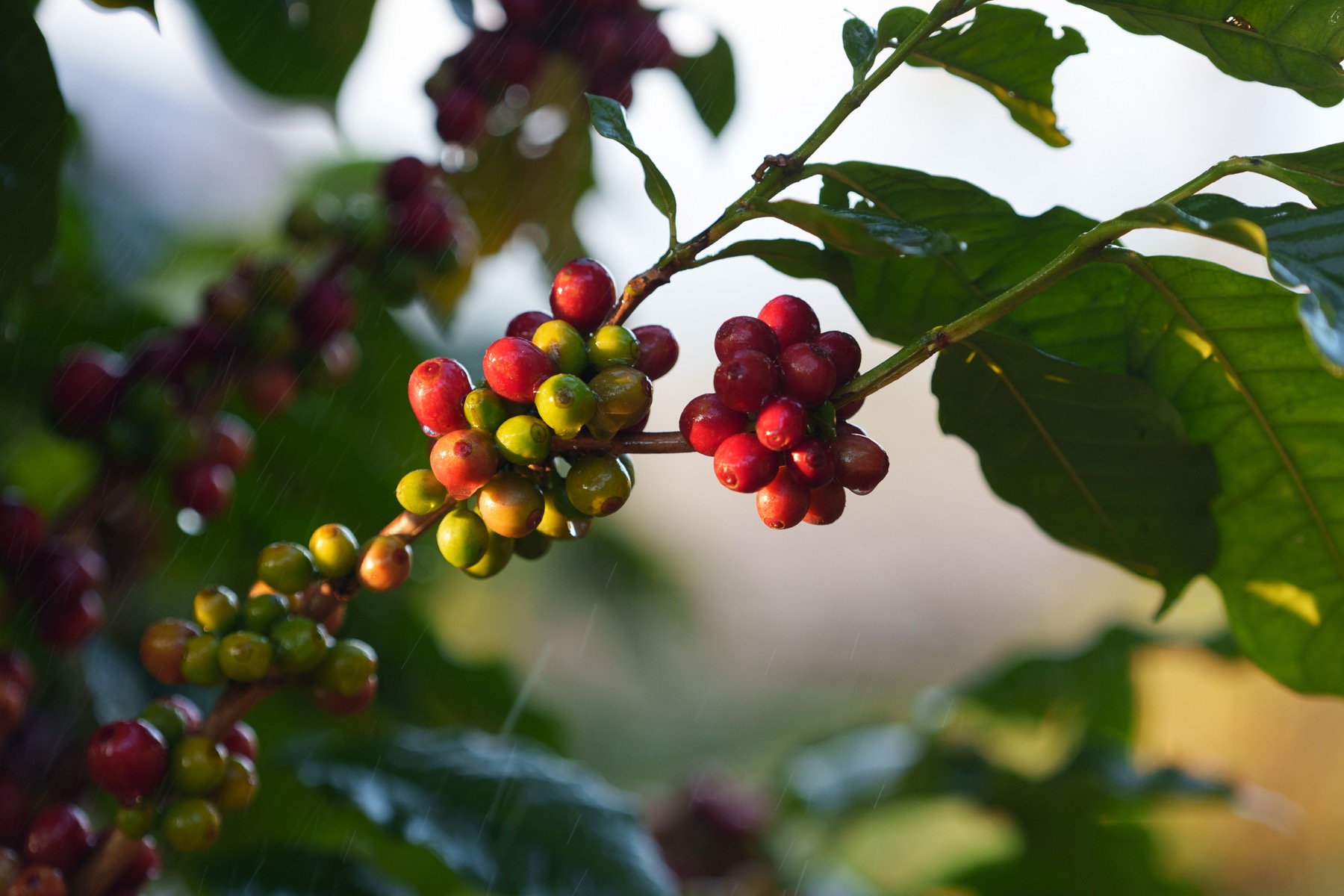
That specificity is especially noticeable in specialty coffee because small differences make a big impact. Two farms in the same country can taste vastly different. Two lots from the same farm can taste different. A washed coffee and a natural coffee from the same place can reveal entirely different sides of the same fruit. Single-origin coffee gives those differences room to be appreciated.