
Panama City
Parque Natural Metropolitano: Panama City's Urban Rainforest
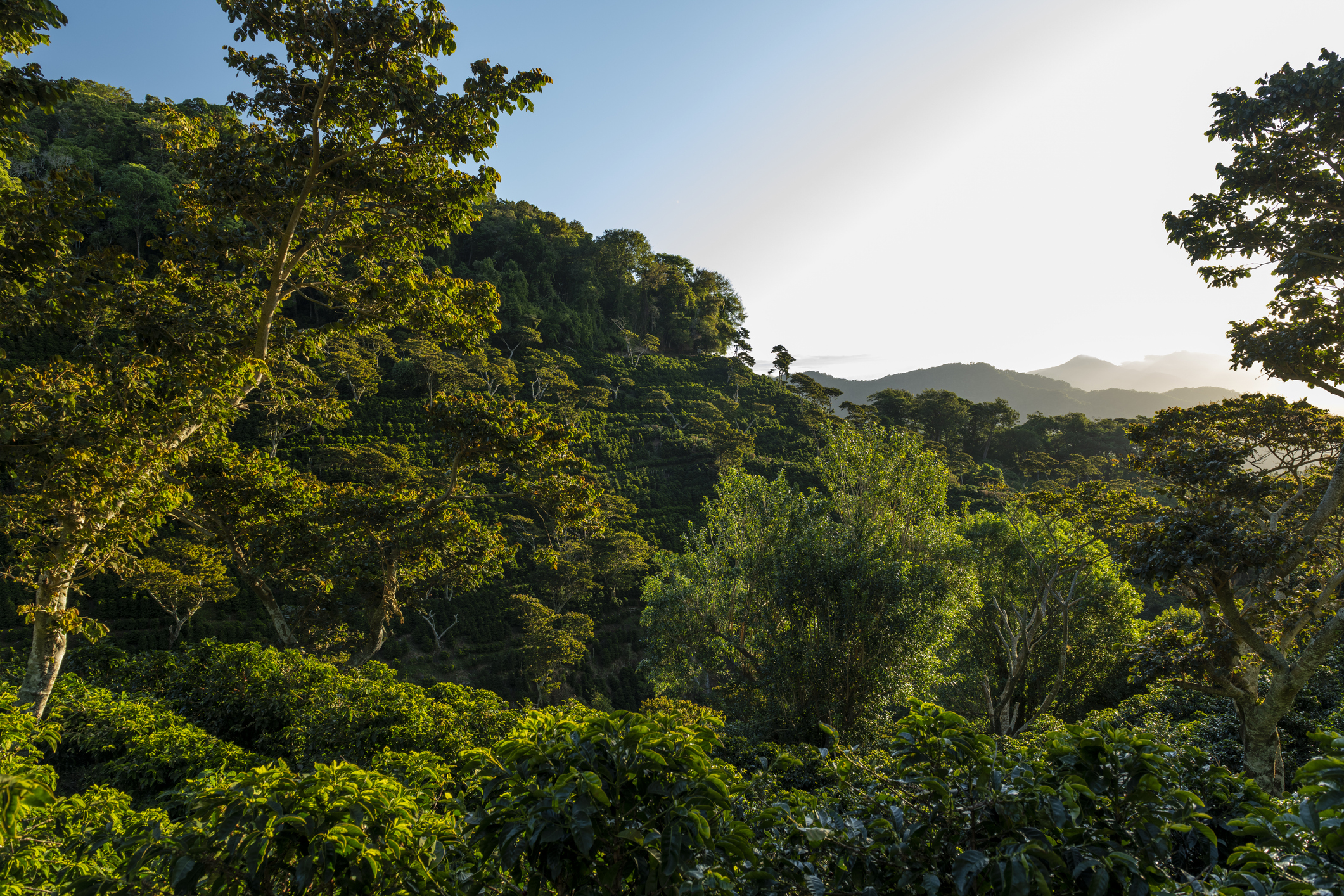
Most major capital cities in Latin America are surrounded by mountains, deserts, or developed agricultural land. Panama City has a rainforest. Parque Natural Metropolitano sits within the city limits, accessible by a short drive from downtown, and protects 232 hectares of tropical dry forest that has remained largely intact while the city grew up around it. It is one of only two protected forests located within the urban boundaries of any Latin American capital, and the only one of its kind in Central America.
The park was established in 1985 to protect the forest from urban expansion that was rapidly converting similar terrain elsewhere. The protected area encompasses several distinct forest zones, from secondary growth on previously cleared land to genuinely primary forest sections that have never been logged. The elevation rises from near sea level at the park's lower reaches to roughly 150 meters at Cerro Cedro and Cerro Mono Tití, the two hills within the park that offer panoramic views across Panama City, the Pacific Ocean, and the Panama Canal.
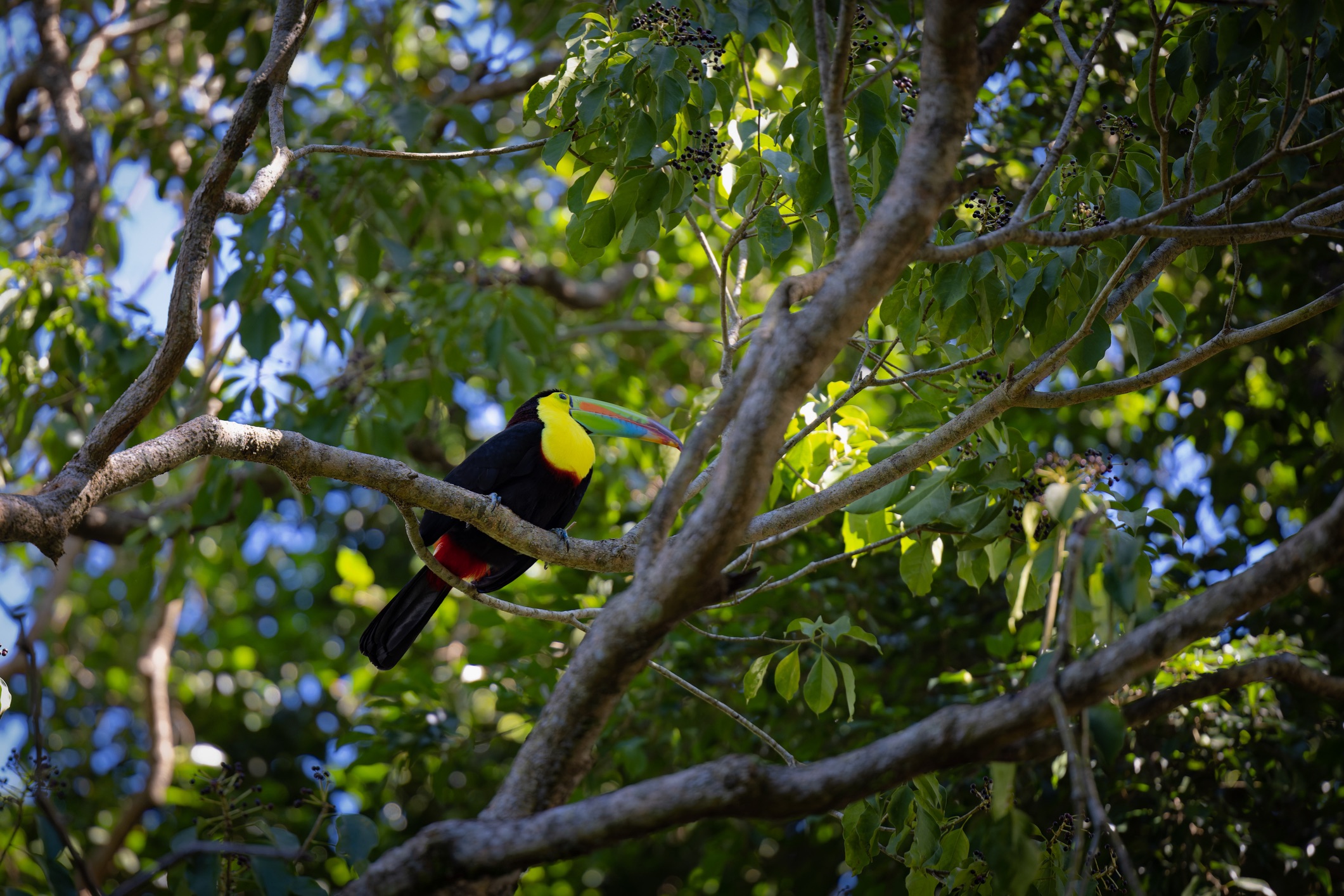
The biodiversity within the park's relatively small area is remarkable. More than 250 bird species have been documented within Parque Natural Metropolitano, including toucans, parrots, hawks, and the keel-billed motmot. Mammal species include the Geoffroy's tamarin (a small primate found only in Panama and a small portion of Colombia), three-toed sloths, two-toed sloths, white-faced capuchin monkeys, agoutis, and tayras. The park's amphibian and reptile populations include several species of poison dart frogs, iguanas, basilisk lizards, and a substantial population of boa constrictors that are rarely seen but reliably present.
The park's plant life reflects its position at the boundary between Pacific and Atlantic biogeographic regions. The forest contains tropical dry forest species adapted to the long Pacific dry season alongside more humid forest species that thrive during the wet season. The mixing of these two ecosystem types within a small area produces botanical diversity that biologists continue documenting. Cuipo trees, with their distinctive smooth gray trunks reaching 50 meters or more, dominate the canopy alongside espavé, guayacán, and ceiba trees that produce dramatic flowering displays at different points in the year.
Several walking trails traverse the park at different difficulty levels. El Sendero La Cienaguita is a short flat trail near the visitor center suitable for casual walking. The Sendero Los Caobos passes through cuipo and mahogany forest. El Sendero La Cienaguita and Sendero Mono Tití combine for a more substantial hike that climbs Cerro Mono Tití for the panoramic views at the summit. The full network of trails totals roughly 4 kilometers, walkable in two to three hours at a moderate pace.
The park's significance extends beyond its biological value. Parque Natural Metropolitano demonstrates that urban biodiversity preservation is possible even in rapidly growing capital cities, providing a working example that influences urban planning conversations across Latin America. The park serves as a research site for the Smithsonian Tropical Research Institute and other scientific organizations studying tropical forest ecology, urban wildlife adaptation, and biodiversity conservation. School groups from across Panama visit the park as part of environmental education programs that introduce children to the country's natural heritage in a setting they can reach by bus.
For visitors, Parque Natural Metropolitano offers something unusual in capital city travel. A morning walk through the park's trails produces wildlife sightings that most travelers expect to require multi-day trips into remote regions. Toucans calling overhead. Sloths visible in the canopy. Tamarins moving through the trees. The Panama Canal visible from the summit alongside the city skyline. The proximity of wild nature to urban activity is what makes the experience distinctive — visitors can leave their hotel after breakfast, spend a morning in genuinely wild forest, and return to the city for lunch.
Café de Volcán recommends Parque Natural Metropolitano as part of any visit to Panama City. The park demonstrates the natural richness that defines Panama beyond the canal, and the convenient location means it fits into travel itineraries that don't otherwise have room for nature excursions.