
Grind & Equipment
Paper, Cloth, and Metal: How Filters Shape the Cup
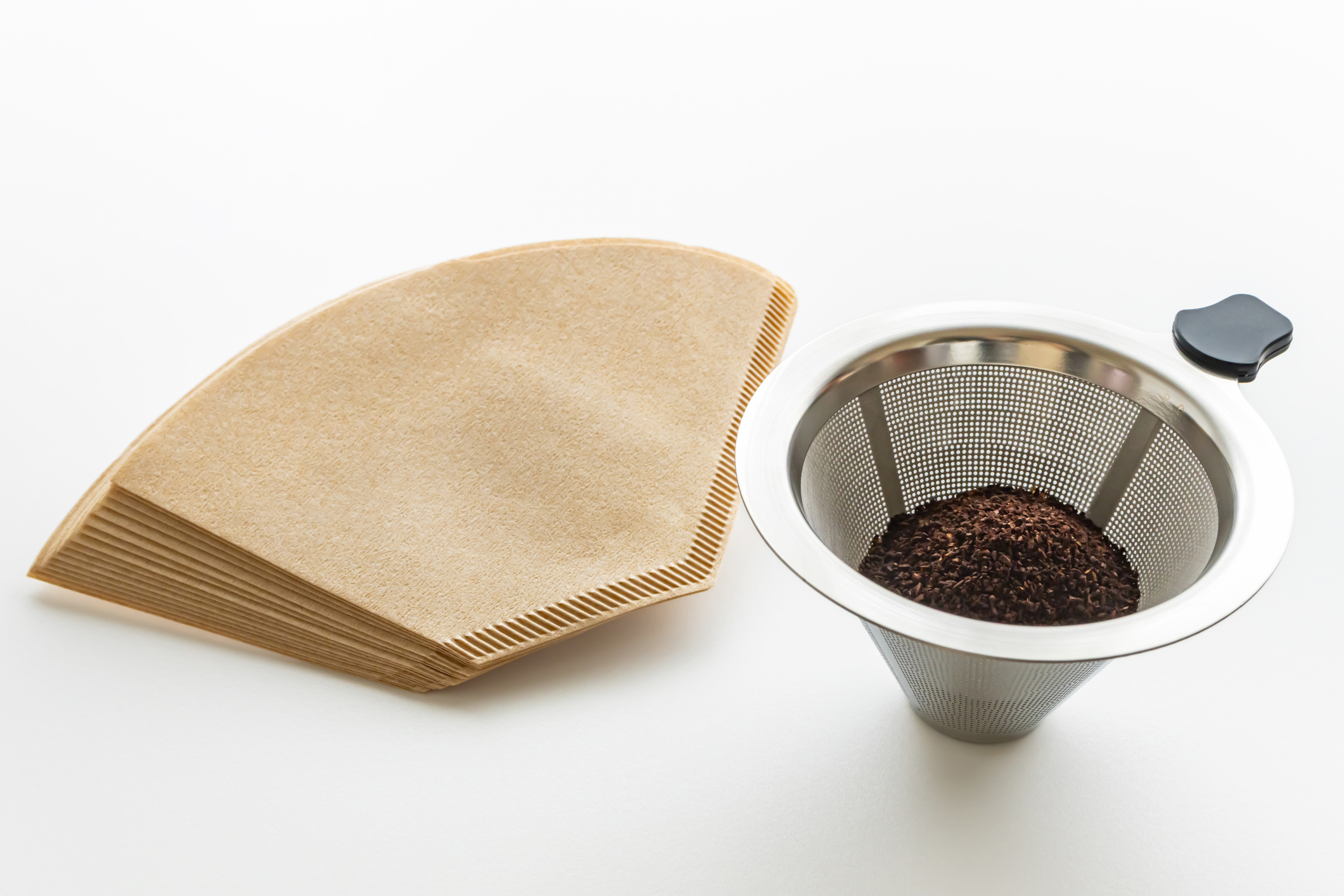
The filter is the material between the coffee and the cup, and what it lets through or holds back shapes the brew more than most drinkers realize. Paper filters, the most common choice, capture most oils and fine particles, producing a cleaner, brighter cup with clearer flavor articulation. Metal filters, often used in French press and some drippers, allow oils and fines to pass through, giving the cup more body and weight but less clarity. Cloth filters sit between the two, producing a cup with body and clarity together.
Each material has its own history. Cloth filters came first — coffee was strained through fabric for hundreds of years across Latin America, the Middle East, and Europe before paper alternatives existed. The chorreador in Costa Rica and the Vietnamese phin both grew from cloth and metal filtration traditions that predate modern equipment by generations. Paper filtration is a 1908 invention from Melitta Bentz, a German housewife who punched holes in a brass cup, lined it with blotter paper from her son's school notebook, and produced the first clean cup of filter coffee. The Melitta company she founded that year still makes paper filters today. Metal mesh filters became widely used through the rise of the French press, patented in its modern form by Italian designer Attilio Calimani in 1929, and through the home espresso boom of the late twentieth century.
Each material expresses a coffee differently. A pour-over brewed through paper shows a bean's acidity and aromatic detail. The same coffee pushed through a metal mesh lands heavier, with more texture on the palate. Neither is objectively better — they offer different readings of the same coffee, and different drinkers find different readings more pleasing through experimentation.
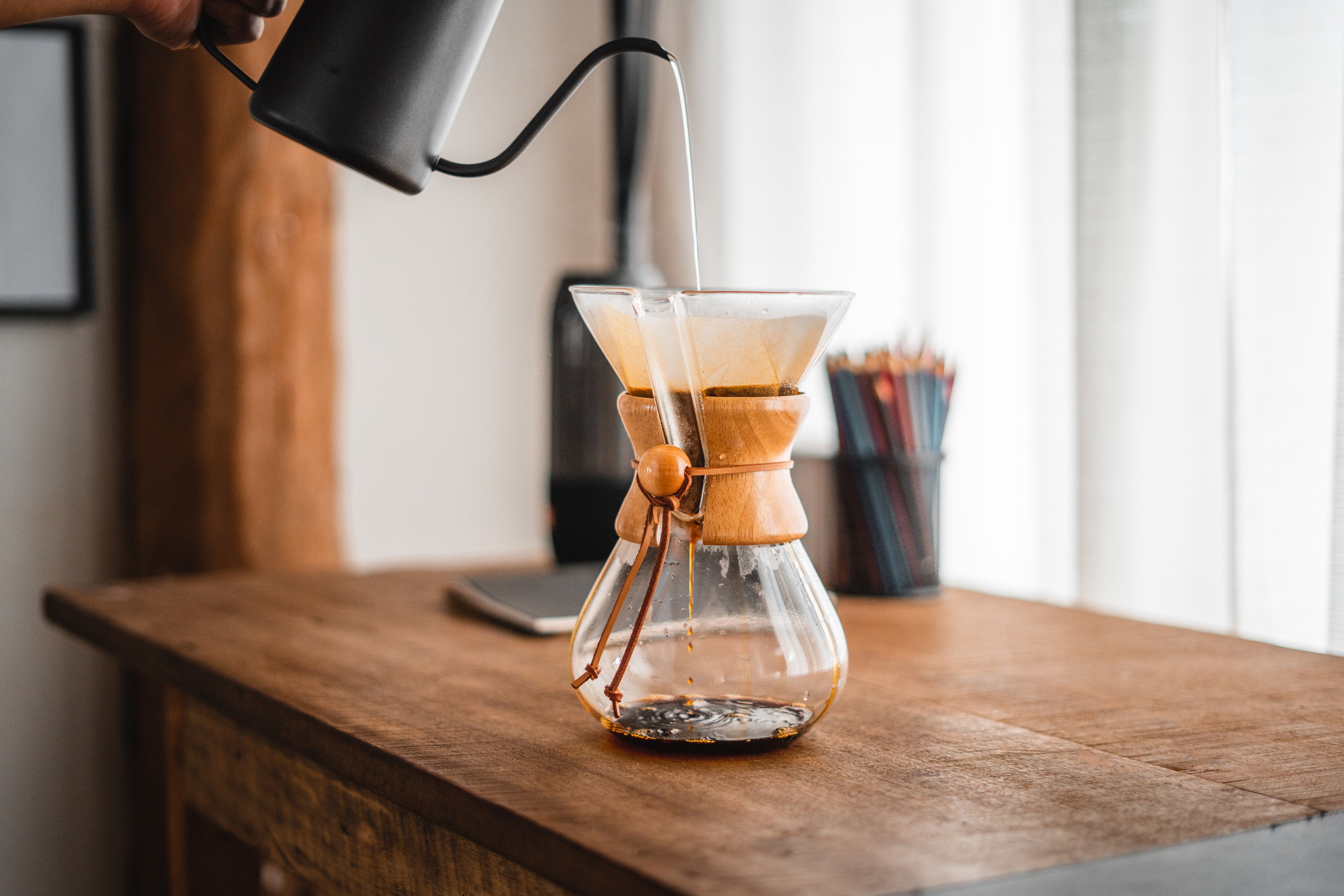
Thicker papers, like those used in the Chemex, filter more aggressively than thinner papers used in a V60. Café de Volcán invites drinkers to try the same coffee through different filters, because the experiment teaches how much the material itself shapes the cup that arrives.