
Broader Panama
Panama's Geography: A Narrow Country Between Two Oceans
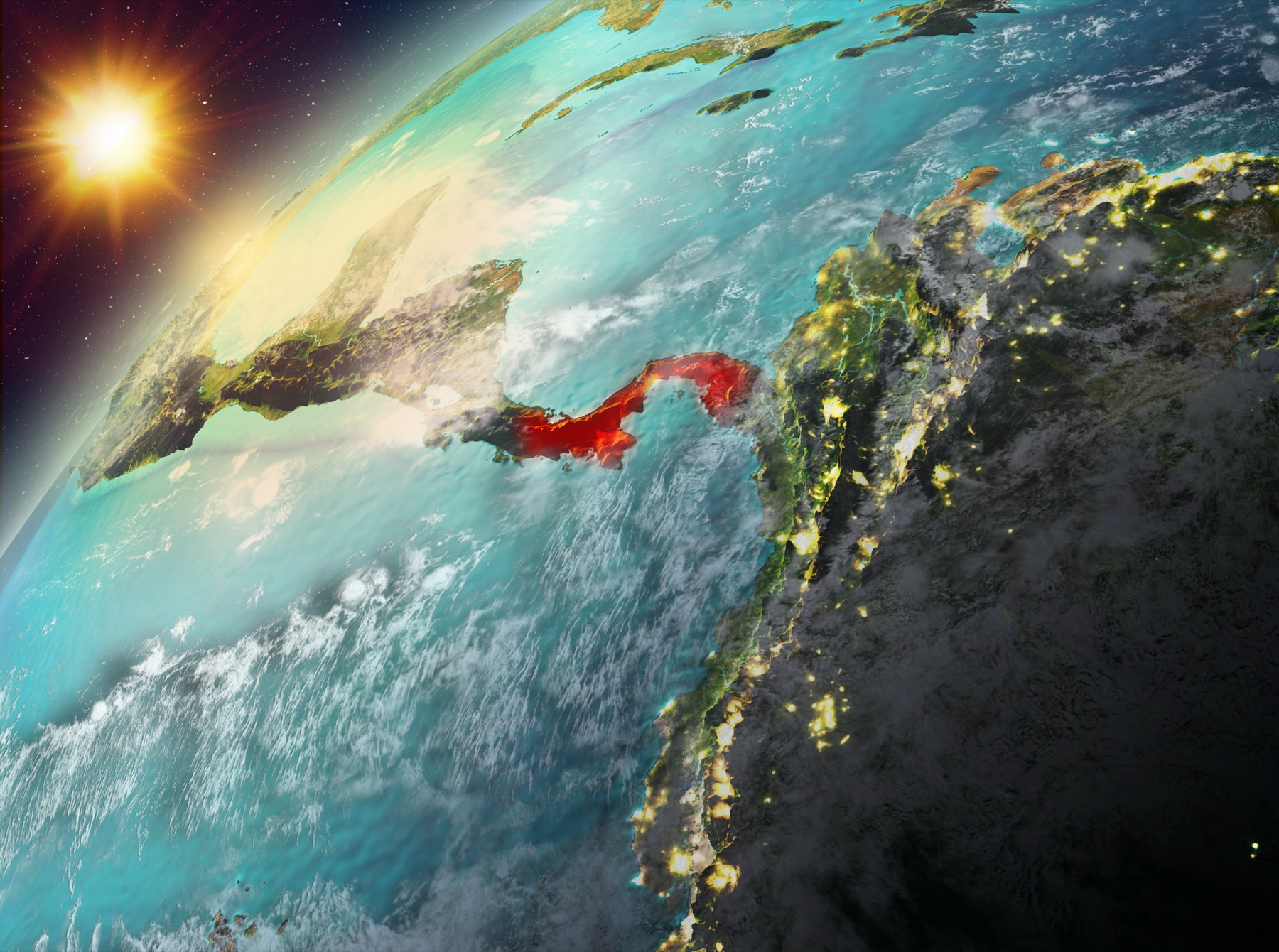
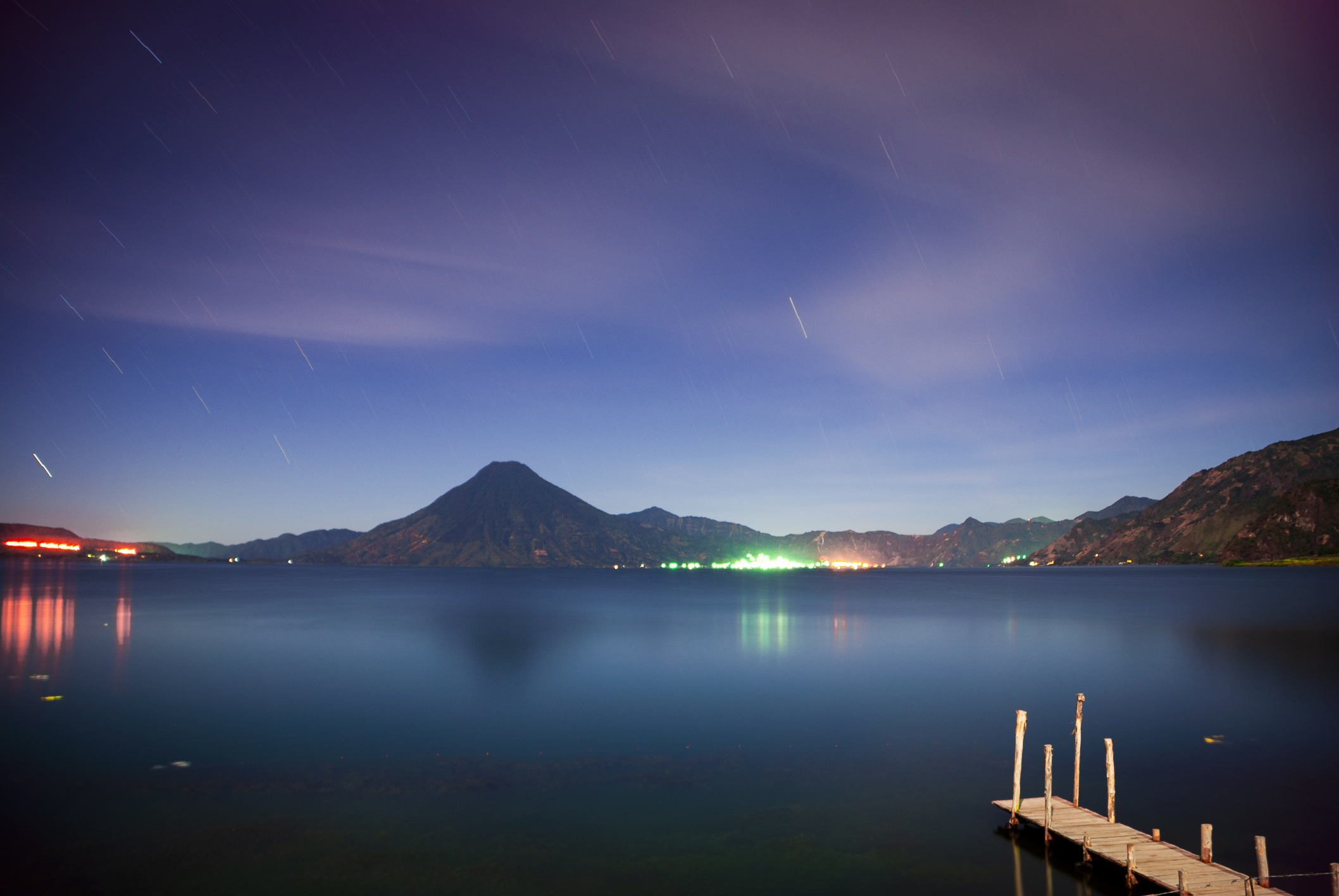
Panama's geography is defined by its narrowness. At its thinnest point, only about fifty miles separate the Atlantic from the Pacific, and this compression has shaped everything about the country's history, economy, and landscape. The Cordillera Central spine runs through the country west to east, giving Panama its mountains and volcanoes, while coastal plains open toward both oceans.
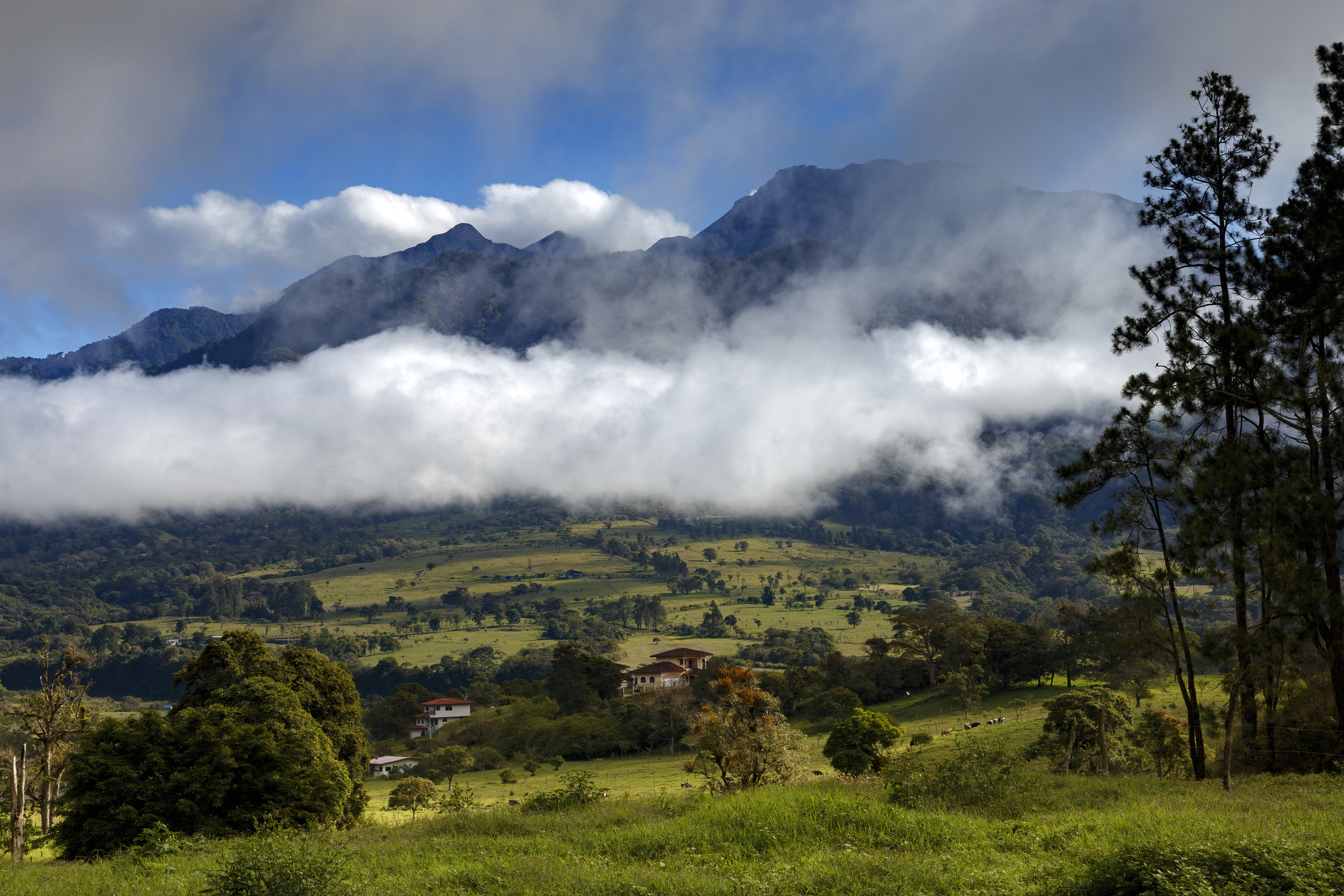
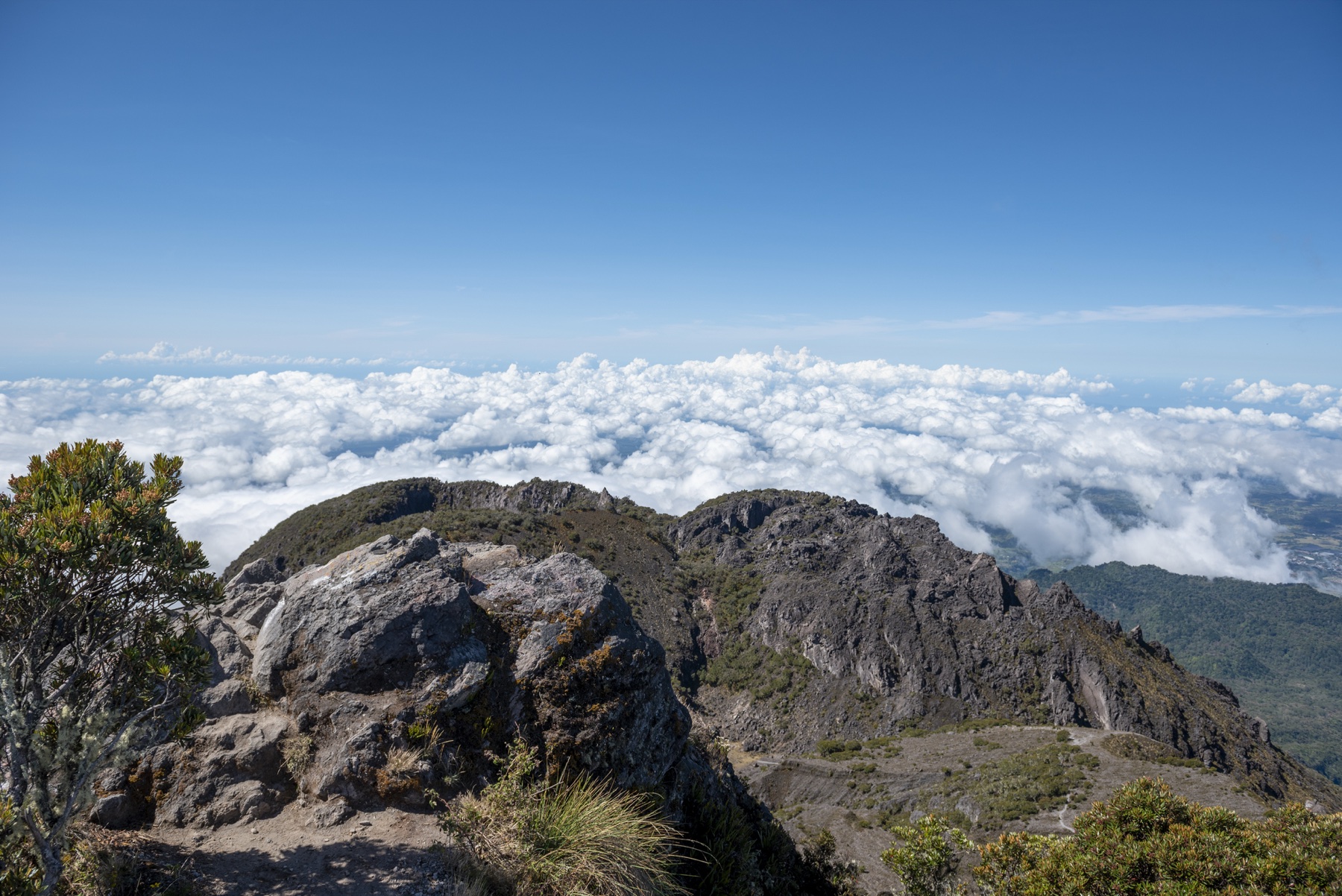
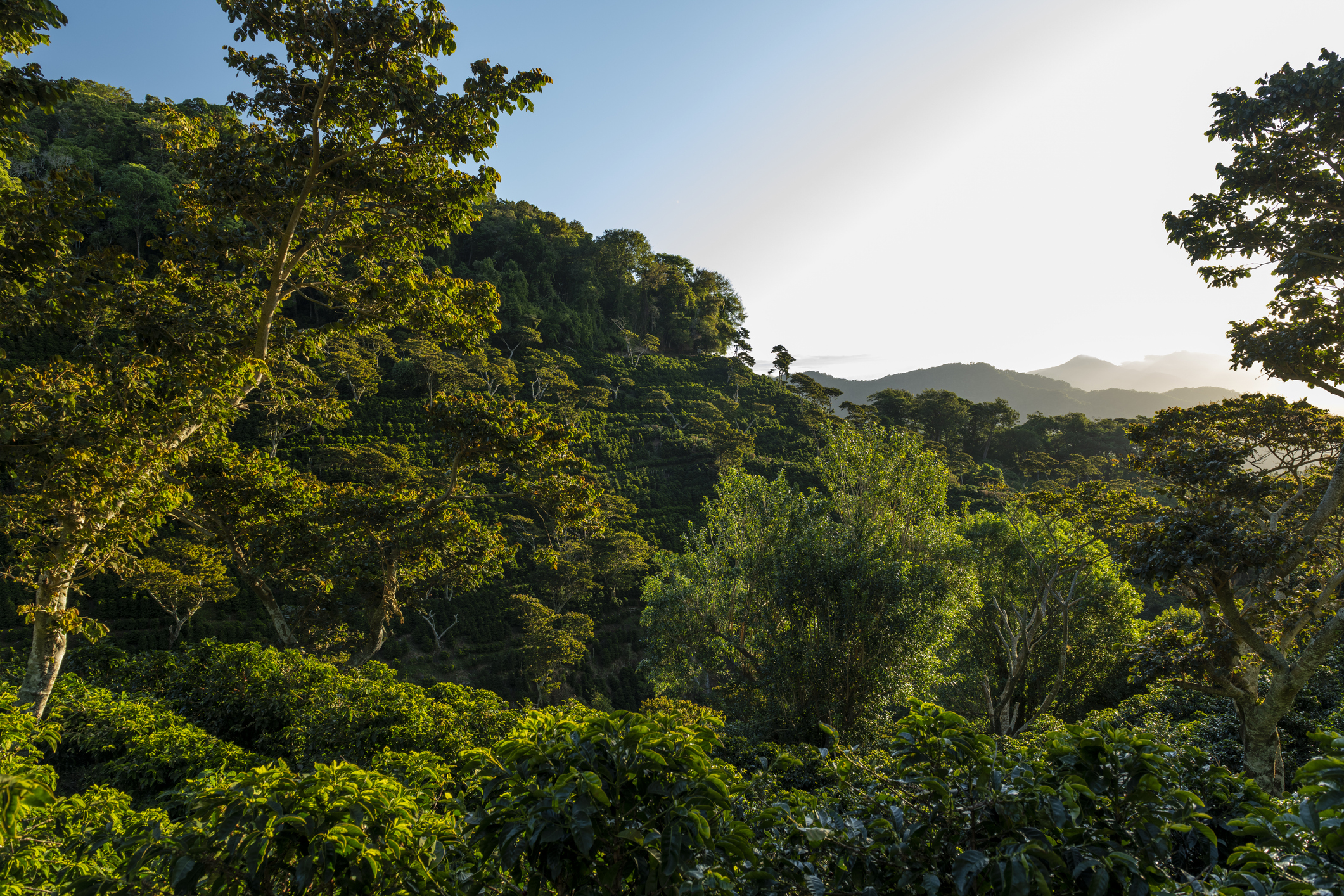
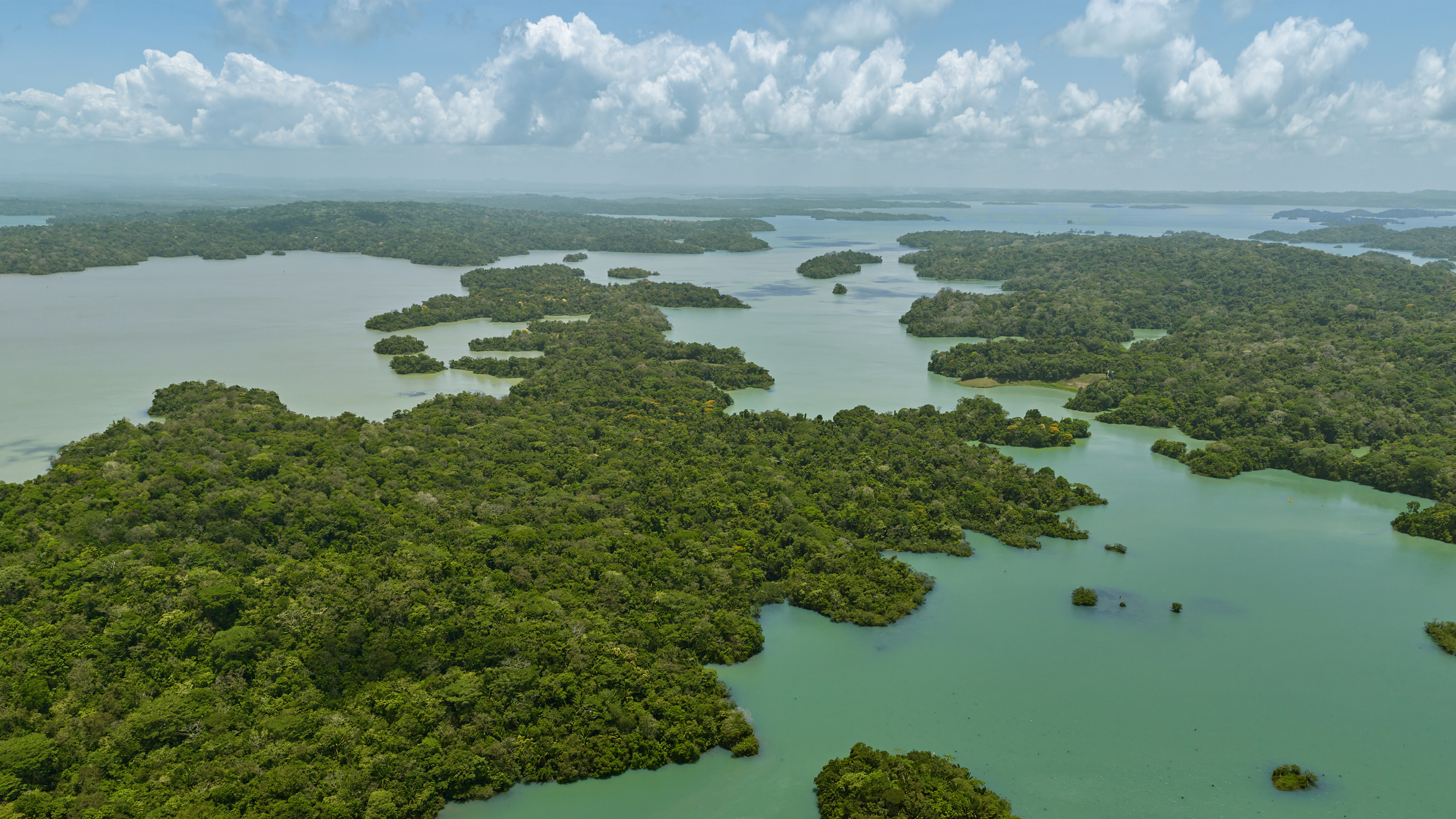
The country is physically small — about the size of South Carolina — but contains an extraordinary range of environments. Tropical rainforest covers large parts of the interior. Cool volcanic highlands rise above fifteen hundred meters in the west. Mangrove coasts and coral reefs line portions of both oceans. The Caribbean side is lusher and wetter, the Pacific side drier and more seasonal.
Panama's position connecting North and South America also makes it one of the world's biodiversity hotspots. Species from both continents meet here, and the country's rainforests hold a density of plant and animal life rarely matched elsewhere. Café de Volcán sees Panama's geography as its quiet gift — a country whose landscape has shaped its character, and whose mountains, forests, and coasts hold more variety than the country's small size would suggest.