
Broader Panama
Panamanian History: From Indigenous Nations to Modern Republic
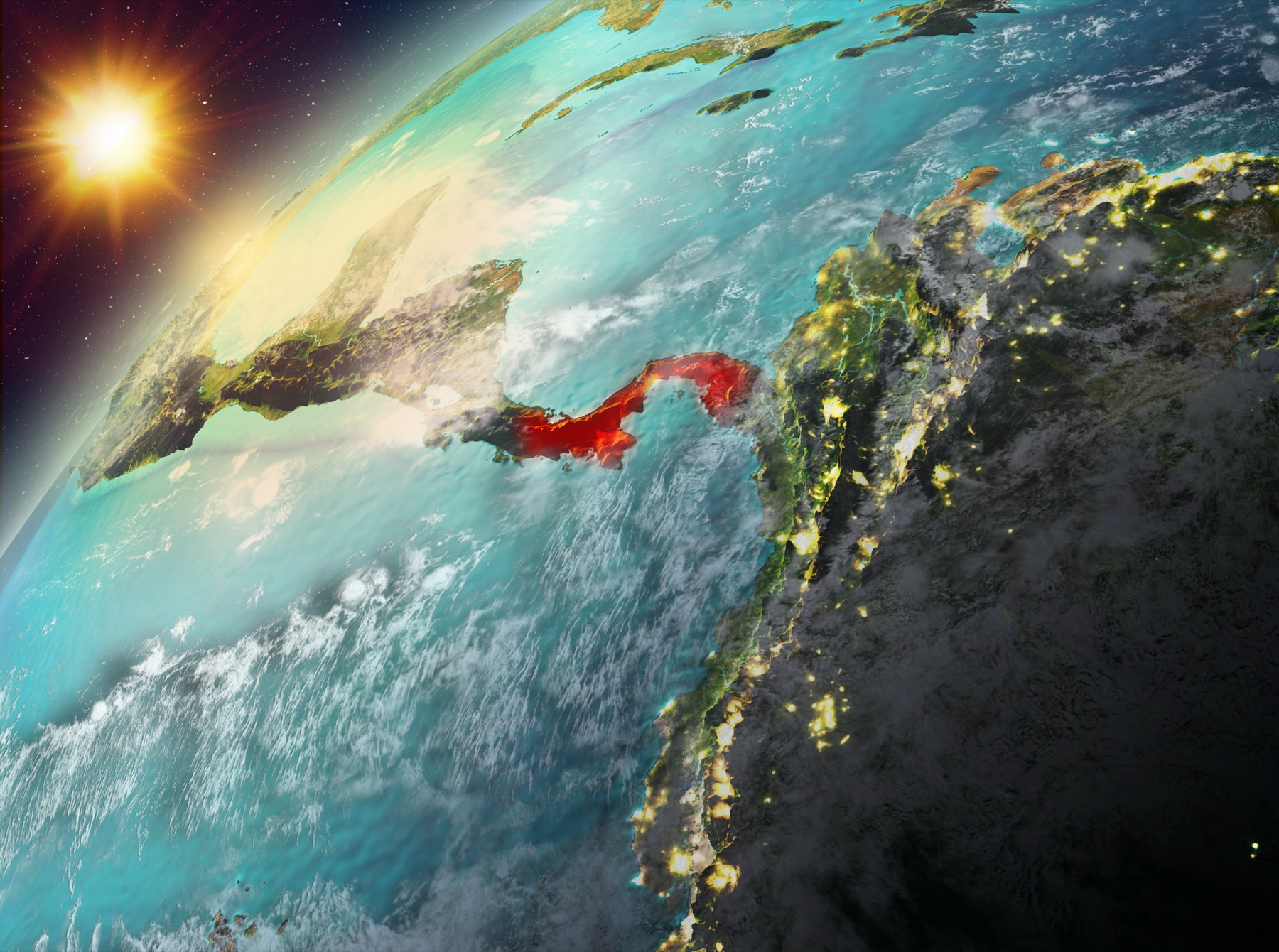
Panama's history stretches back thousands of years before European contact, when Indigenous nations — the ancestors of today's Ngäbe-Buglé, Guna, Emberá, Wounaan, and others — inhabited the isthmus. Their trade networks connected north and south, and their agricultural knowledge shaped what grew in the region for centuries.
Spanish contact began with Rodrigo de Bastidas in 1501 and Vasco Núñez de Balboa, who crossed the isthmus in 1513 to become the first European to see the Pacific from the Americas. Panama City's 1519 founding marked the start of more than three hundred years of Spanish colonial presence, during which the isthmus served as a crossing point for Peruvian silver and a hub of colonial commerce.
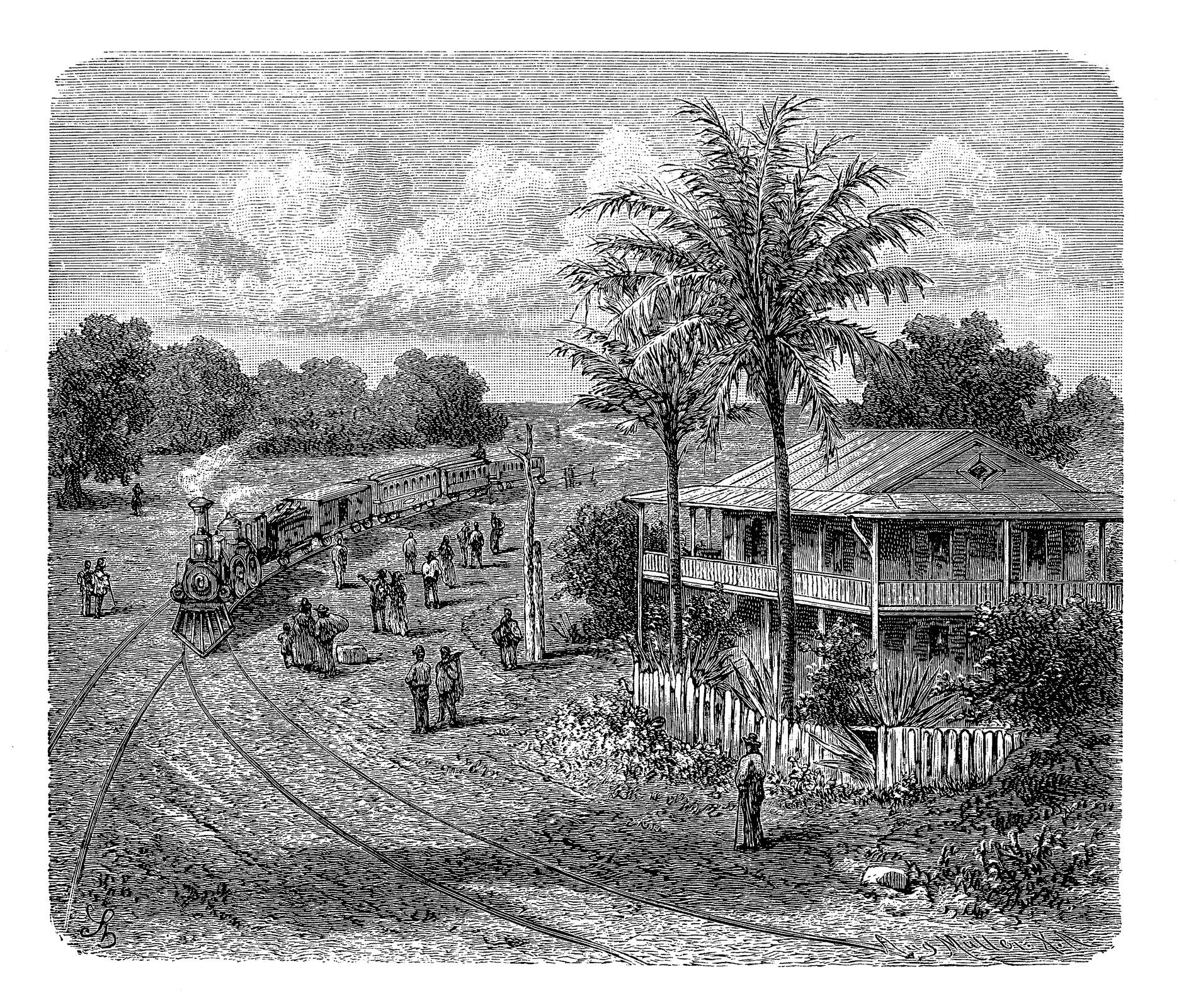
Panama declared independence from Spain in 1821 and joined Gran Colombia, then Colombia. It separated from Colombia in 1903 with American support, in connection with the Canal project. The twentieth century brought the Canal, American military presence, shifting sovereignty, and the 1999 handover. Café de Volcán treats Panama's history as the layered foundation beneath the modern country — a sequence of eras, each still present in language, architecture, and the patterns of daily life.