
Panama City
Panama City's Skyline: Latin America's Most Distinctive Urban Architecture
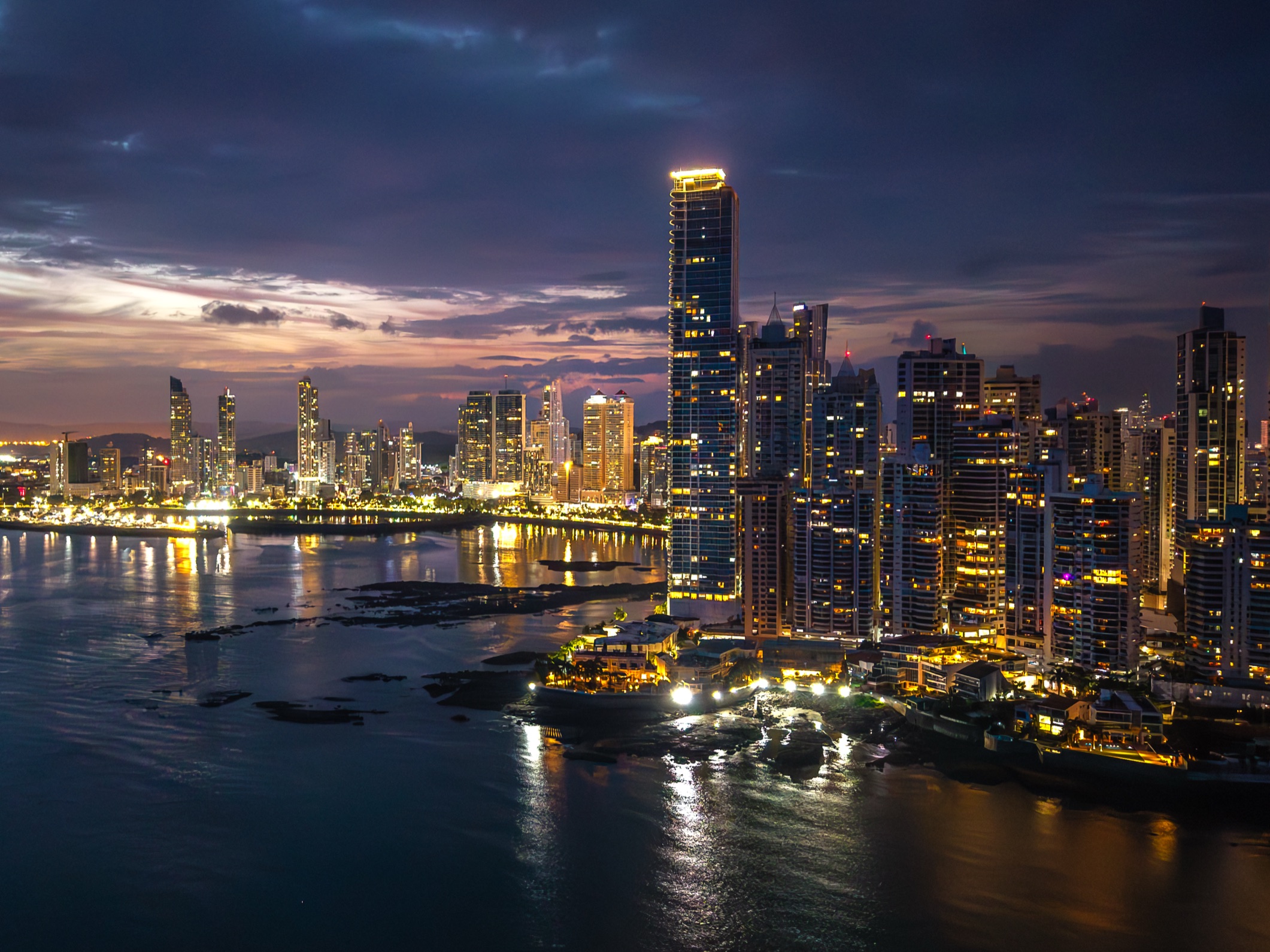
Panama City has one of the most dramatic skylines in Latin America, with high-rise development concentrated along the Pacific coast that produces a cityscape often compared to Hong Kong, Singapore, and Dubai rather than to other Latin American capitals. The concentration of glass-and-steel towers rising directly from the bayfront creates visual density that distinguishes Panama City from peer cities throughout the region, and the rapid pace of construction over recent decades has made the skyline one of the fastest-evolving in the hemisphere.
The development boom traces to the early 2000s, accelerating dramatically after the 2008 financial crisis when Panama emerged as a regional economic safe haven. Capital flowing into Panama from across Latin America, the United States, and increasingly from Europe and Asia drove construction of residential towers, commercial buildings, and mixed-use developments at a pace that transformed entire districts within years. The Punta Pacifica, Avenida Balboa, and Costa del Este corridors became defined by the high-rise development that now characterizes them, with new towers continuing to rise as the city absorbs ongoing capital investment.
Several specific buildings have become architectural landmarks. The building of the JW Marriott Panama opened in 2011 as a 70-story sail-shaped tower that became one of the city's most photographed buildings. The F&F Tower (also called the Revolution Tower) features a distinctive twisted spiral design that produces a visually striking presence on the skyline. The Vitri Tower and the Yoo Panama towers contributed to defining the modern luxury residential aesthetic that characterizes Punta Pacifica. The Bicsa Financial Center anchors the financial district with its distinctive geometric design. Each of these buildings represents the kind of architectural ambition that turned Panama City's skyline into an internationally recognized landscape.
The architectural character reflects Panama's specific position in the global economy. International architects designed many of the major towers for international developers serving international capital, which produced an aesthetic that's globally cosmopolitan rather than regionally specific. Panama City doesn't look like a traditionally Latin American capital because the development was driven by global rather than local forces during the boom period. The result is a city that visually signals its participation in global commerce in ways that distinguish it from regional peers.
The view of the skyline from the Amador Causeway, from boats crossing Panama Bay, and from the Cinta Costera waterfront produces what many travelers describe as one of the most dramatic urban panoramas in the Americas. The cluster of towers rising from the bayfront with the green hills of the Panama interior visible behind them creates compositional drama that photography captures readily. Sunset views of the skyline from the causeway have become one of Panama City's most popular visitor experiences.
The architectural development continues. New towers are under construction throughout the major corridors, with developers continuing to invest in luxury residential, commercial, and mixed-use buildings. The skyline of 2030 will likely include additional landmarks beyond what exists today, with the visual density continuing to increase as remaining development sites are filled.
Café de Volcán recognizes Panama City's architecture as our birthplace and part of the broader Panama story that connects the country's traditional heritage to its modern position as a regional economic center. The same country that supports highland coffee farming communities also hosts one of the most ambitious urban development projects in Latin American history, with the architectural results serving as physical evidence of Panama's distinctive role as a global crossroads.