Culture
The Panama Canal, Seen Through Daily Ritual
The Panama Canal is usually described as an engineering wonder, but in Panama it is also part of ordinary daily rhythm. Ships move through while people commute, work, eat, drink coffee, and watch the water as if the movement of global trade were simply part of the landscape.
The scale is enormous. In fiscal year 2025, the Canal recorded 13,404 vessel transits, which works out to roughly 37 ships per day. Some days are busier than others, and traffic changes with water levels, vessel size, reservations, and global demand, but the larger point remains: the Canal is not symbolic infrastructure. It is working infrastructure, every day.
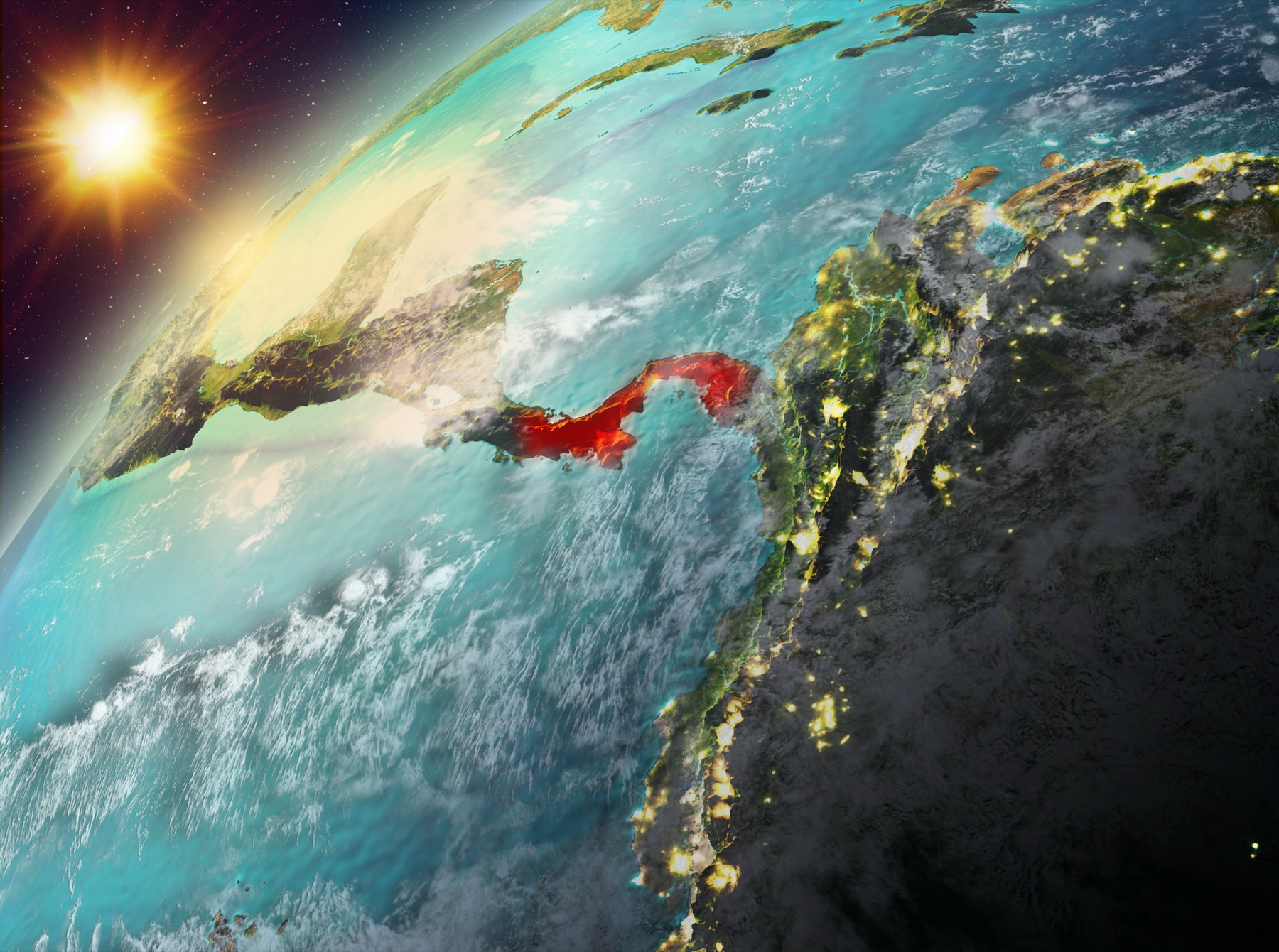
Its importance is especially visible in trade. The Panama Canal links the Atlantic and Pacific, connecting major routes between Asia, the U.S. East and Gulf Coasts, Latin America, Europe, and beyond. The Canal Authority describes the United States as its top user country, with roughly two-thirds of cargo through the waterway either originating from or destined for the U.S. market. That does not mean two-thirds of all U.S. trade moves through Panama, but it does show how deeply the Canal is tied to American supply chains.
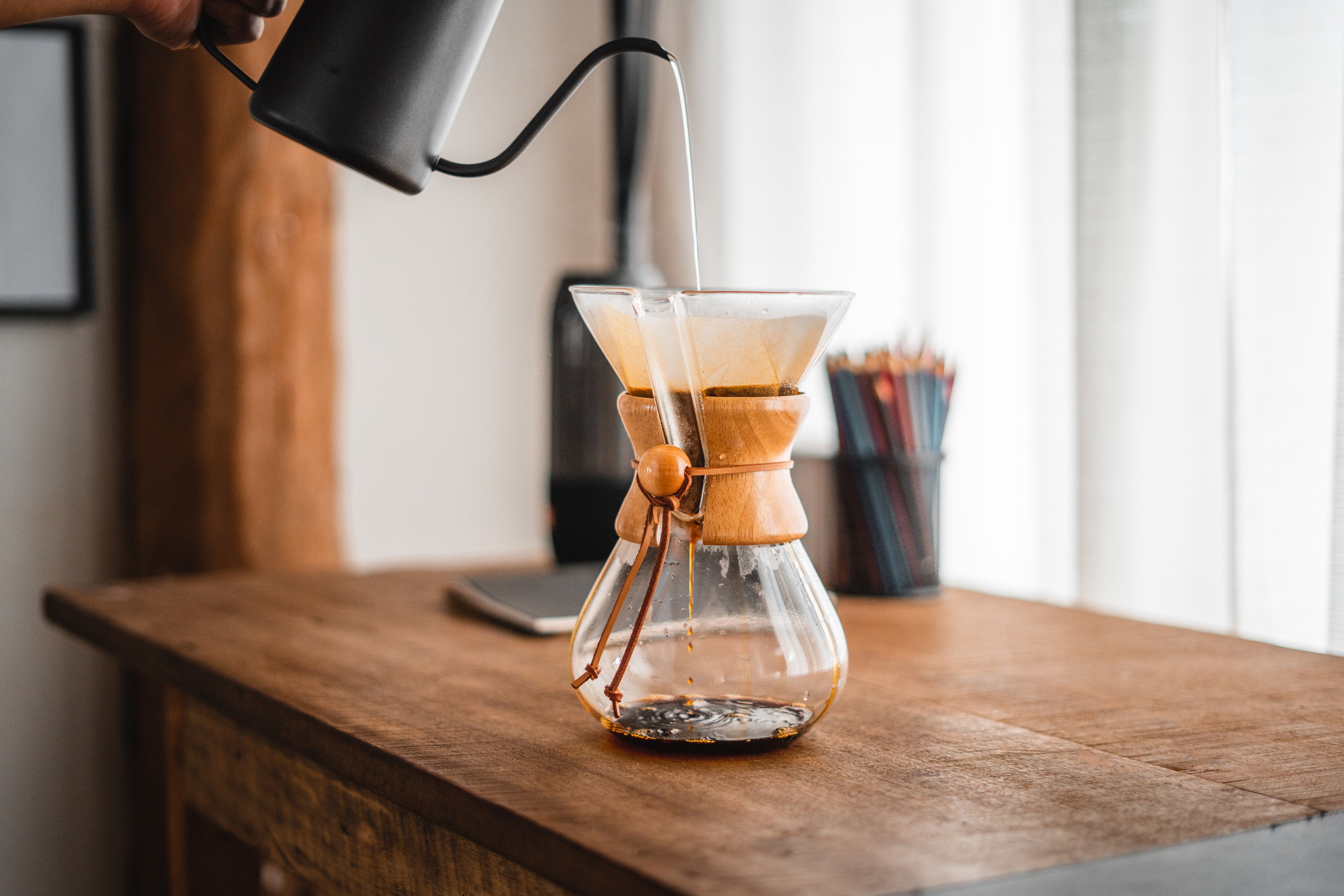
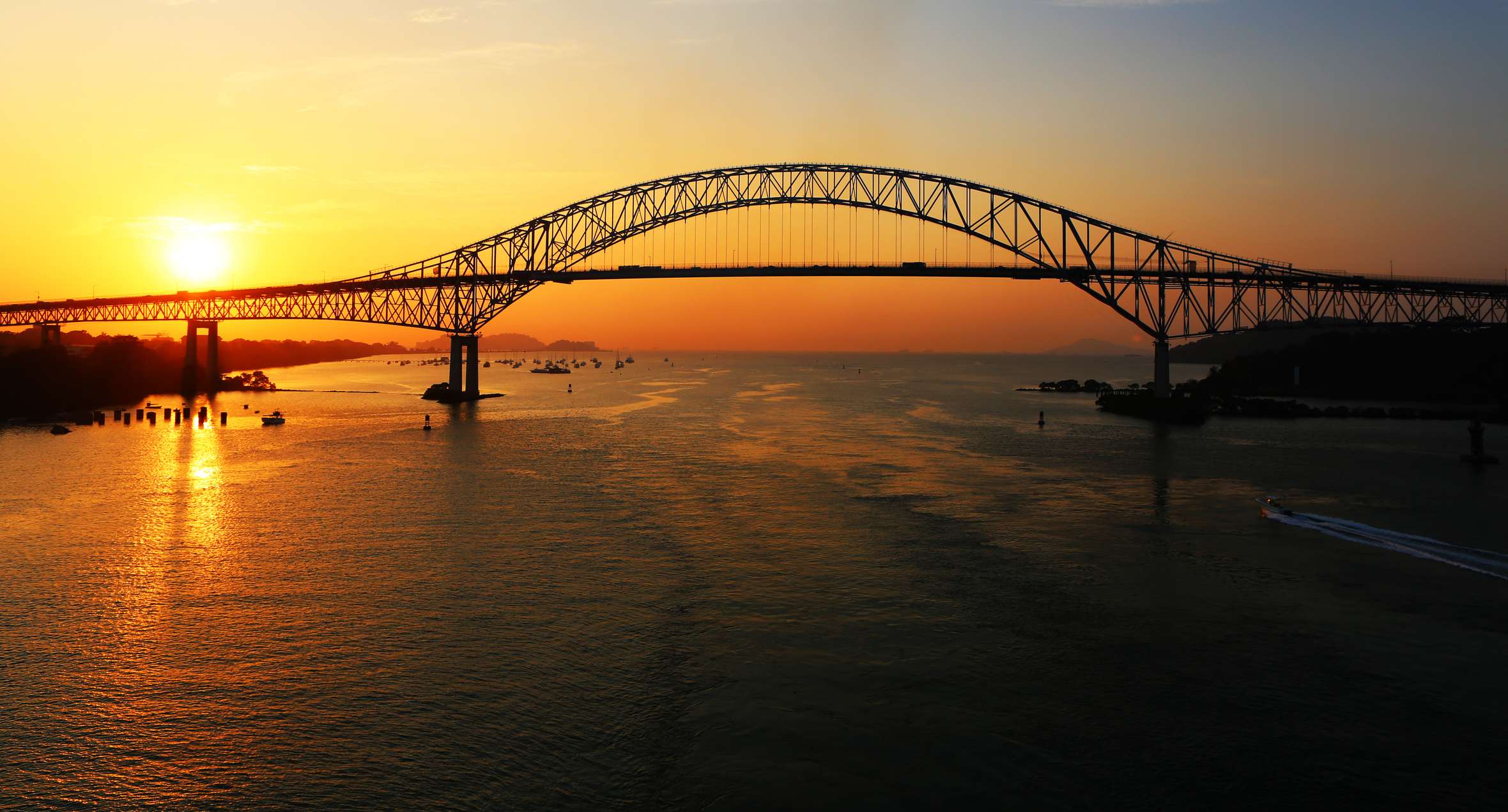
For Panama, the Canal is also personal. The ships are not just distant objects on a map. They pass under bridges, wait near the horizon, move through locks, and become part of the country's visual memory. A morning coffee near the city can happen within sight of vessels carrying grain, fuel, cars, containers, fruit, machinery, and goods that will touch lives thousands of miles away.
That is what makes the Canal powerful as daily ritual. It turns global movement into something visible. Panama sits at the meeting point of oceans, continents, commerce, weather, labor, and habit. The world passes through, but people still begin the day the same way: with conversation, work, heat, water, and a cup of coffee close at hand.