
Panama City
La Cinta Costera: Panama City's Waterfront Beltway
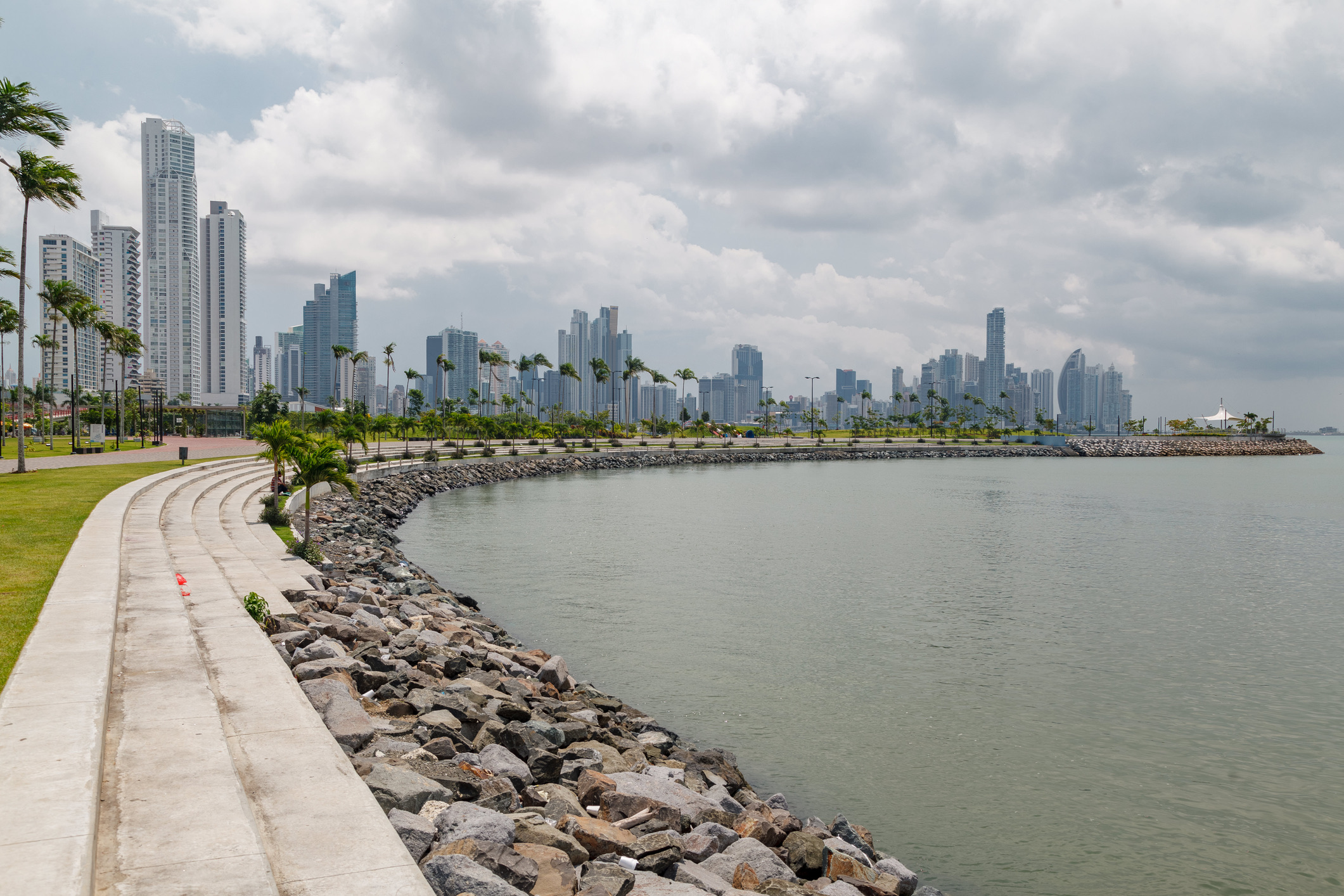
La Cinta Costera is Panama City's coastal beltway and waterfront promenade, stretching along the Pacific bayfront from Casco Viejo through downtown to the eastern edges of the central city. The name translates roughly as "the coastal ribbon," and the project has earned its name through the way it wraps continuously along the waterfront, providing both major vehicular thoroughfare and one of the most popular recreational corridors in Central America.
The Cinta Costera was created through extensive land reclamation completed in three phases between 2009 and 2014. The Panamanian government extended the city's coastline outward into Panama Bay, building new land that supports the highway infrastructure, parks, sports facilities, and waterfront promenade. The reclamation added roughly 26 hectares of new urban land while simultaneously addressing chronic traffic congestion that had constrained Panama City's east-west circulation for decades. Phase 1 connected the Casco Viejo area to downtown. Phase 2 extended the corridor further east. Phase 3 completed the connection to the Costa del Este district, producing the continuous waterfront route that defines the project today.
The recreational infrastructure integrated into the Cinta Costera has made it one of Panama City's most-used public spaces. Walking and jogging paths run continuously along the waterfront for several kilometers, attracting morning and evening exercise crowds throughout the year. Bicycle paths parallel the pedestrian routes, and bicycle rental stations along the route serve casual cyclists. Sports facilities including basketball courts, soccer fields, skate parks, and outdoor exercise equipment serve the surrounding population. Children's playgrounds, picnic areas, and shaded seating create gathering spaces for families.
The views from the Cinta Costera are part of what makes it distinctive. Walking eastward from Casco Viejo, the dramatic Panama City skyline rises to the left while Panama Bay extends to the right. Looking back toward the colonial Casco Viejo district reveals one of the most photographed urban transitions in Latin America — Spanish colonial architecture in the foreground giving way to glass-and-steel high-rises in the middle distance. Continuing east, the views shift to include the Bridge of the Americas spanning the canal entrance, the Amador Causeway extending into the Pacific, and ships waiting their turn to enter the canal locks.
The Cinta Costera also functions as a major traffic artery. The vehicular roadway carries substantial daily traffic between Casco Viejo, downtown, and the eastern districts including Costa del Este. The corridor reduced commute times for thousands of Panamanians by providing a direct waterfront route that bypasses the inland congestion. The combination of highway and recreational infrastructure within a single integrated project distinguishes the Cinta Costera from typical urban beltways, which usually prioritize vehicles at the expense of pedestrian and recreational use.
Weekend evenings and Sunday mornings produce particularly heavy use of the recreational facilities. Family gatherings, group exercise classes, organized cycling events, and informal sports games activate the corridor throughout the weekend. The cooler weather of mornings and evenings makes outdoor activity practical year-round despite Panama's tropical climate. Restaurants and food vendors along sections of the route serve the recreational population.
Café de Volcán recognizes the Cinta Costera as one of Panama City's most successful examples of public infrastructure designed to serve both functional and quality-of-life purposes. The same Panama that grows specialty coffee in volcanic highlands also reclaimed coastal land to create one of Latin America's most extensive waterfront recreational corridors, demonstrating the kind of urban planning ambition that distinguishes modern Panama from regional peers and supports the daily life of residents and visitors alike.