
Grind & Equipment
Kettles, Gooseneck Spouts, and the Control You Gain
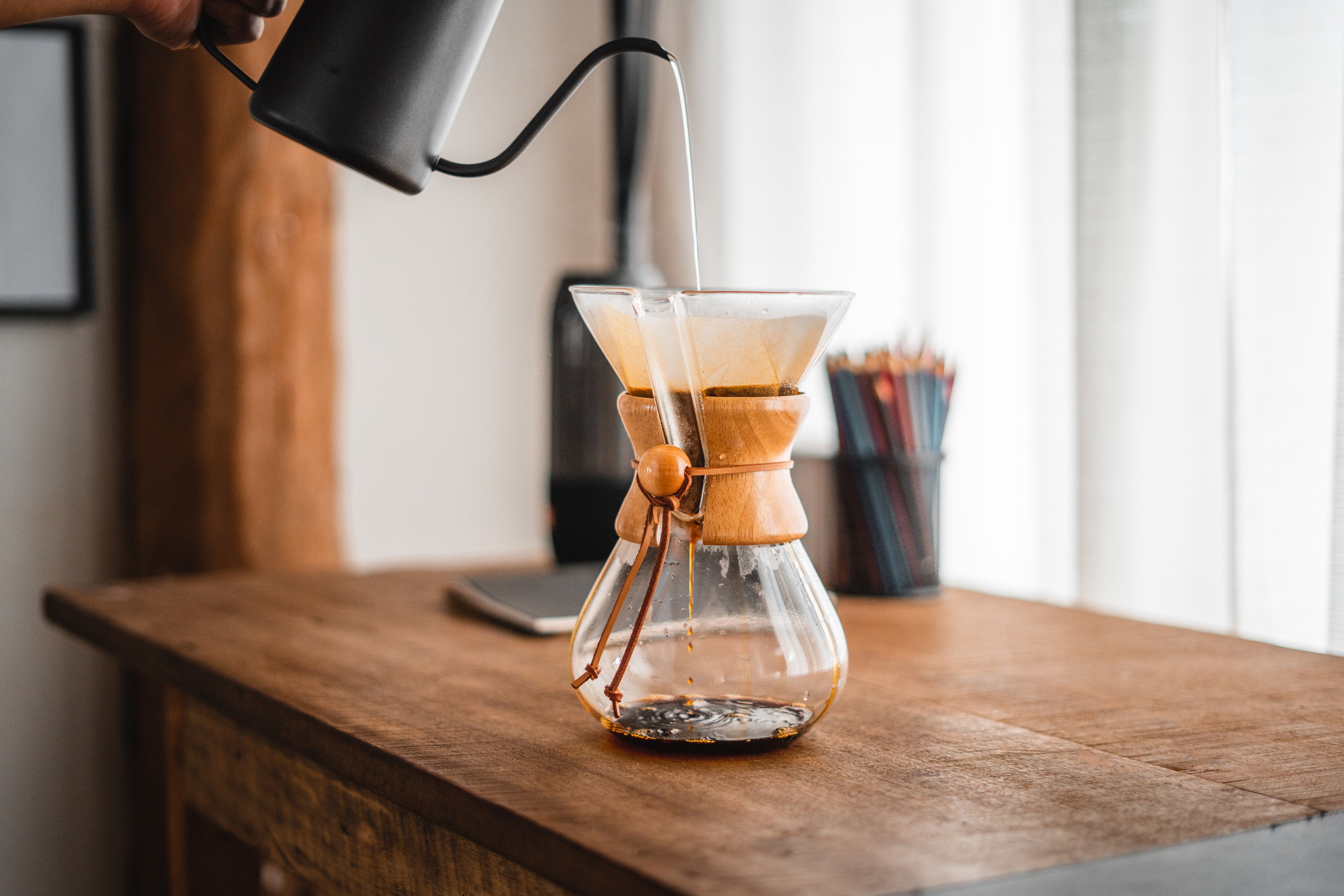
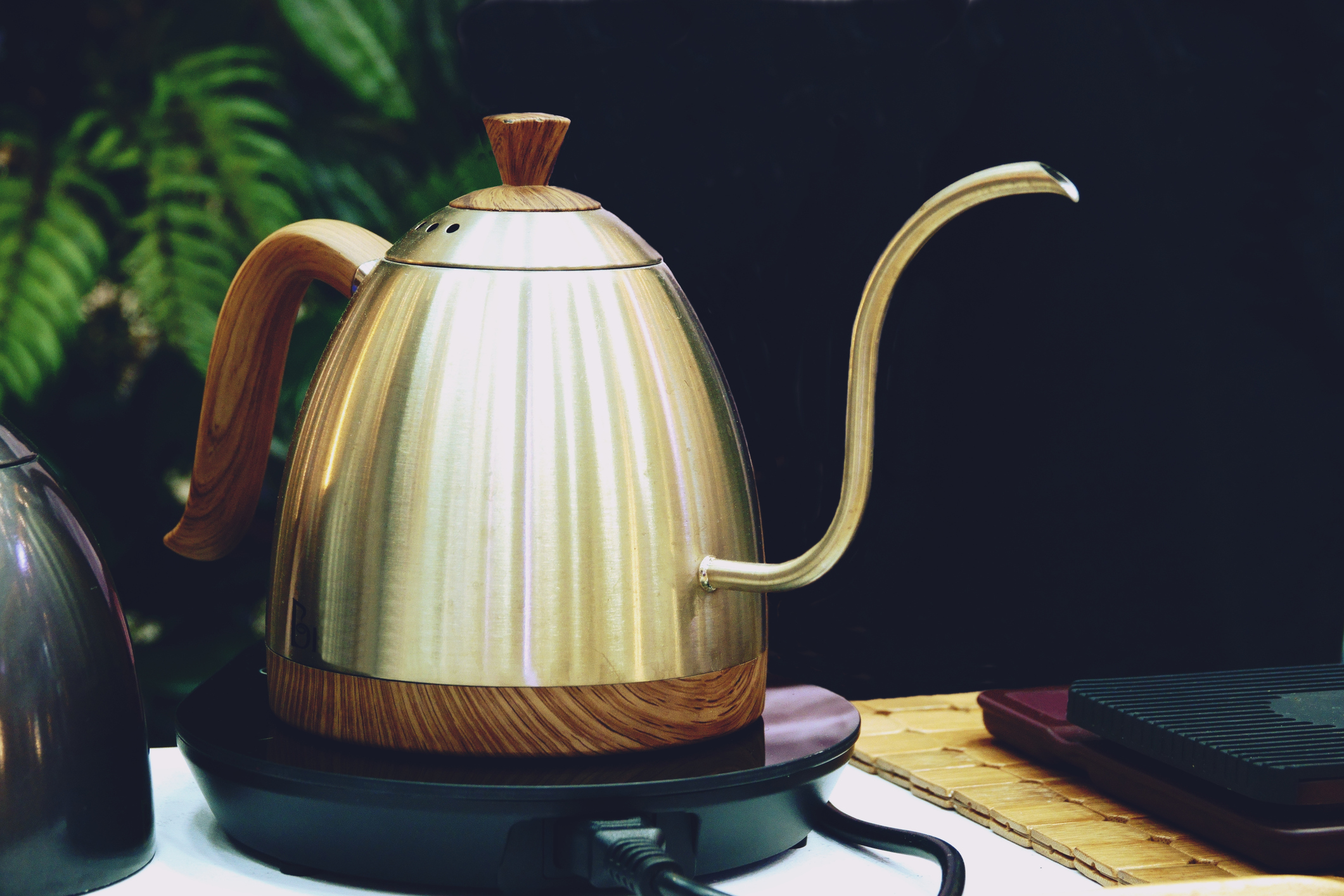
The kettle is the tool that delivers water to the coffee, and its design influences the pour in ways that affect the cup. Standard kettles, with wide spouts and fast flows, are suited to filling French presses and automatic machines where pour precision is not asked for. Gooseneck kettles, with their narrow, curved spouts, are built for pour-over, where the rate and pattern of water flow shape extraction directly.
A gooseneck spout offers control. The brewer can pour a thin, precise stream onto a specific part of the coffee bed, adjust the pour rate to slow or quicken extraction, and maintain a consistent flow throughout the brew. This level of control is what makes pour-over responsive to technique, and it is why the gooseneck kettle has become standard in specialty coffee settings.
Electric gooseneck kettles add temperature control, allowing brewers to set the exact water temperature for a given coffee and method. Café de Volcán considers the gooseneck kettle — whether electric or stovetop — the tool that makes pour-over technique expressive, and an early upgrade for drinkers who want their pour to shape the cup.