
Brewing Basics
Is Dark Roast Stronger Than Light Roast?
Dark roast is often perceived as stronger than light roast because it tastes more intense — more bitter, more roasty, fuller-bodied. But strength, measured in caffeine content per cup, is roughly the same between light and dark roast from the same bean. Caffeine is stable through roasting, so the mass loss that occurs during roasting actually means dark-roasted beans carry slightly more caffeine per bean, while light roast beans carry slightly more per pound.
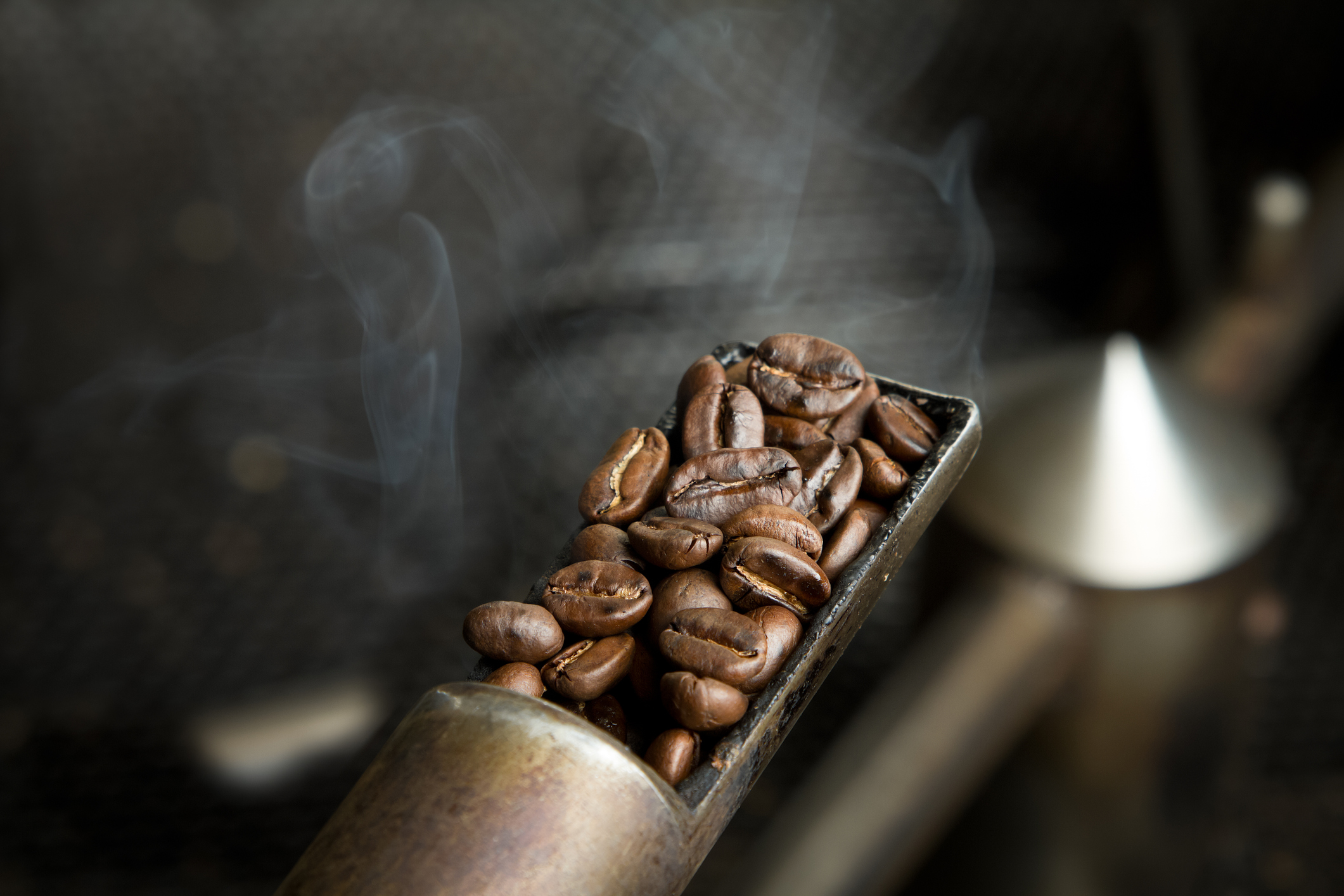
The sensory difference comes from what else roasting changes. Dark roast breaks down more of the bean's original flavor compounds and develops new ones through Maillard reactions and caramelization. The cup becomes more about the roast character itself and less about the origin of the bean. Light roast preserves more of the bean's original character, producing cups that taste more of where the coffee came from.
Whether dark or light roast tastes stronger depends on what the drinker means by strength. By intensity of roast flavor, dark roast wins. By aromatic complexity and expression of origin, light roast wins. By caffeine content, the two are essentially equal. Café de Volcán considers the light-versus-dark question ultimately a matter of preference within quality, with each roast level offering its own version of a good cup.