
Ritual
How To Taste Coffee Like A Ritual
A coffee ritual is not only about when you drink coffee. It is about how the cup fits the moment.
The same coffee can feel different in the morning, after lunch, in the middle of a hot afternoon, or at the end of a slow meal. Part of that is taste. Part of it is mood. Part of it is the quiet comfort of repeating something familiar.
People often crave rituals because rituals make an experience feel more ordered, more intentional, and more emotionally safe. A repeated gesture tells the brain, I know what happens next. In a noisy day, that predictability can feel like relief.
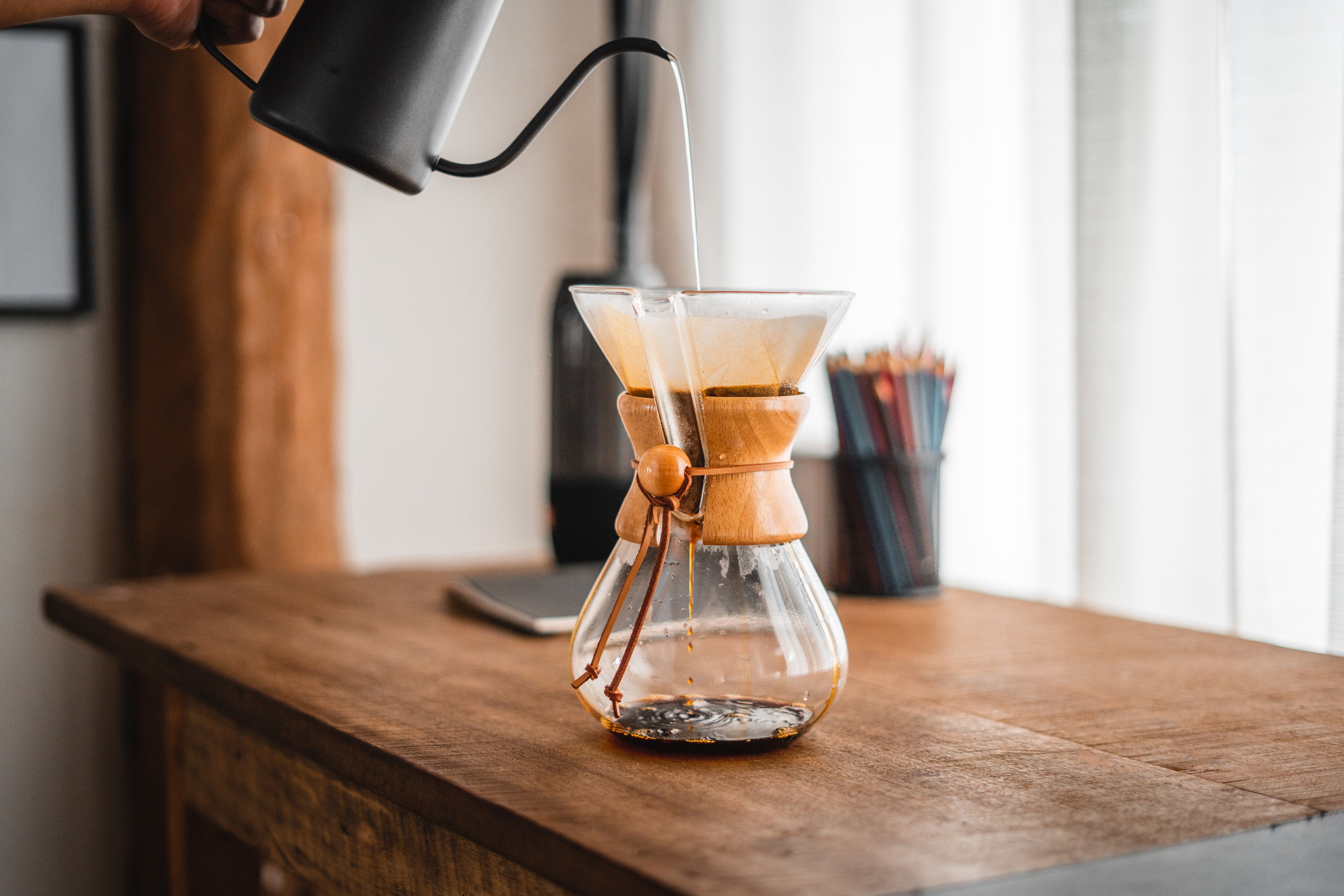
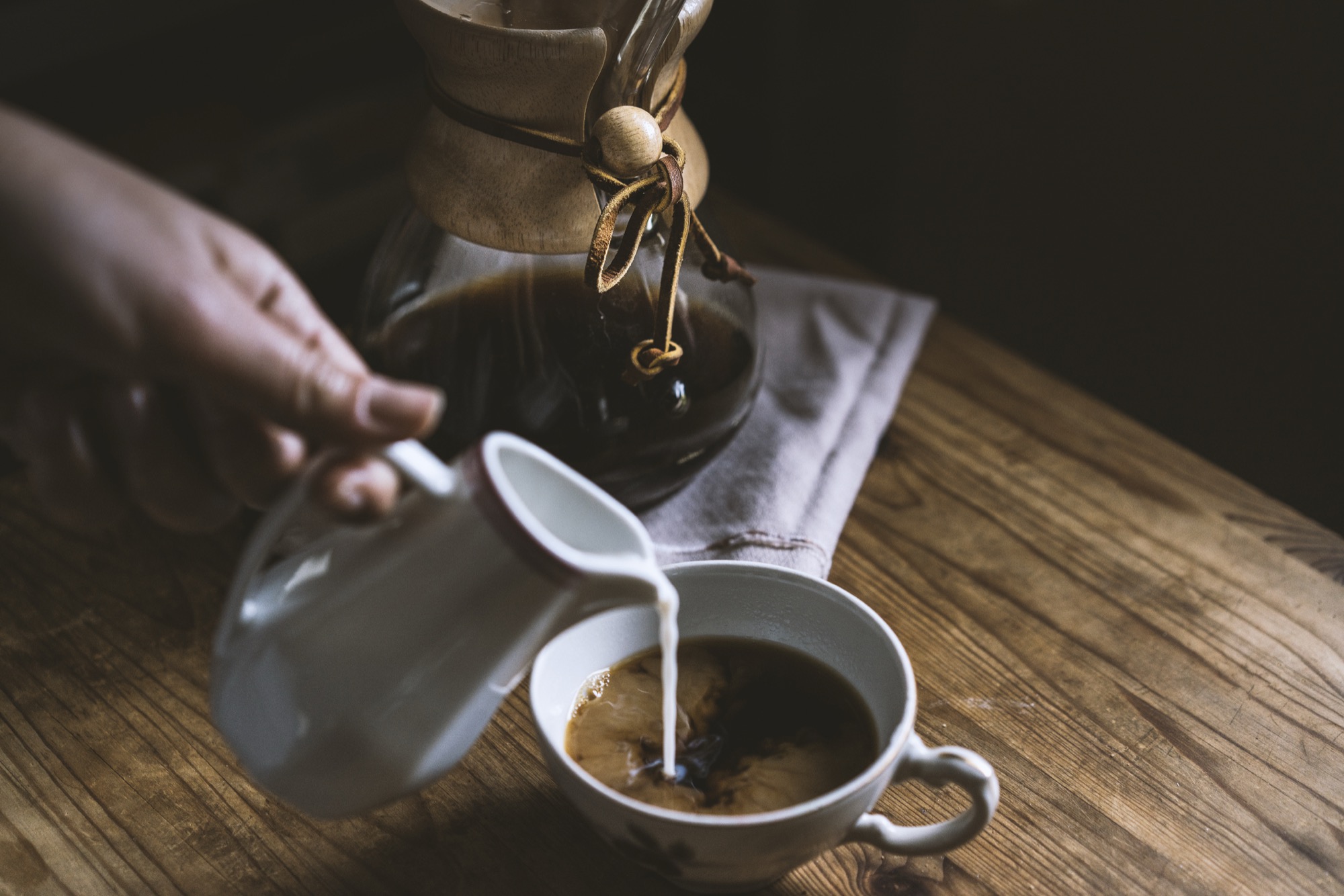
Morning coffee is often about warmth and arrival. A hot cup releases aroma quickly, so the first pleasure may happen before the first sip. Steam carries sweetness, roast, fruit, florals, and spice toward the nose. The mug warms the hands. The flavor opens gradually as the coffee cools. Morning tasting does not need to be analytical. It can simply begin with noticing what rises from the cup.
Afternoon coffee can be a different ritual entirely. Some people want cold coffee after lunch because it feels lighter, cleaner, and more refreshing. Cold changes perception. It can soften bitterness, make sweetness feel calmer, and turn acidity into something more crisp than sharp. An iced coffee on a warm afternoon is not just a colder version of the morning cup. It is a different sensory experience.
Taste also changes with what the day has already given you. A coffee after fruit may taste more floral. A coffee after chocolate may feel rounder. A coffee after a savory meal may reveal brightness that was easy to miss earlier. Your palate is not a fixed instrument. It is influenced by food, temperature, hydration, mood, and attention.
To taste coffee like a ritual, try giving the cup three small moments. First, smell it before you drink. Second, notice the texture: is it silky, juicy, creamy, light, or round? Third, pay attention to the finish. Does the flavor disappear quickly, linger like tea, leave sweetness, or make your mouth water?