
Buying Guide
How To Store Coffee Beans
Coffee beans age because they are still chemically active after roasting. Roasting creates hundreds of aromatic compounds, and many of the most beautiful ones are volatile, meaning they escape easily. Oxygen also reacts with oils and flavor compounds inside the bean, slowly flattening sweetness, fragrance, and clarity. Good storage does not stop time completely. It slows the four enemies of freshness: oxygen, heat, light, and moisture.
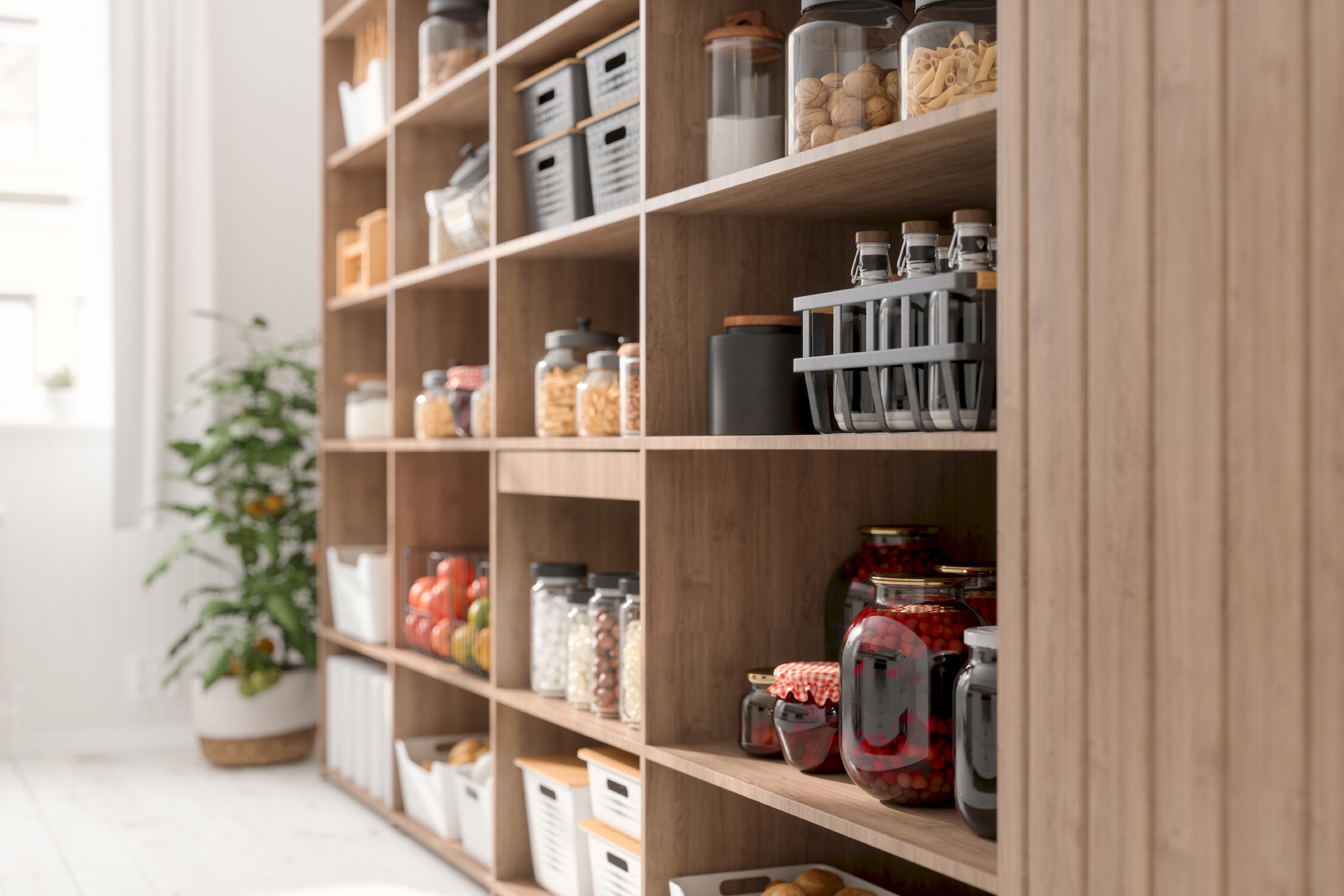
The best everyday storage is simple: keep whole beans in their original resealable bag or an opaque airtight container, stored in a cool, dry cabinet away from sunlight, oven heat, dishwasher steam, and strong-smelling foods. Coffee is porous and aromatic, so it can absorb odors from the environment. A beautiful coffee stored beside onions, spices, or cleaning products can begin to taste less like itself.
Avoid the refrigerator for daily coffee. The refrigerator seems useful because it is cool, but it is also humid, full of food aromas, and exposed to temperature swings every time the coffee comes out and goes back in. Those swings can create condensation on the beans, and moisture is one of the fastest ways to damage freshness.
Freezing can work, but only if it is done carefully. For longer storage, beans can be portioned into airtight, freezer-safe bags or containers and frozen once. The key is to avoid opening and closing the same frozen container repeatedly. Remove only what you need, let it come to room temperature while still sealed, then grind and brew. Used this way, freezing is less like daily storage and more like preserving sealed portions.
A useful habit is to separate “daily coffee” from “reserve coffee.” Keep a small amount accessible for the week, then leave the rest sealed and undisturbed. Every time a bag is opened, fresh oxygen enters and aroma escapes. Smaller, less frequent openings protect the coffee better than one large container handled every morning.
Whole beans last longer than ground coffee because the bean itself protects the interior. Once coffee is ground, surface area increases dramatically, and aroma leaves much faster. If flavor matters, grind close to brewing. The difference is especially noticeable with floral, fruit-forward, or high-elevation coffees, where the most delicate aromatics are often the first to fade.