
Brewing Basics
How to Maintain Water Temperature Through a Pour-Over
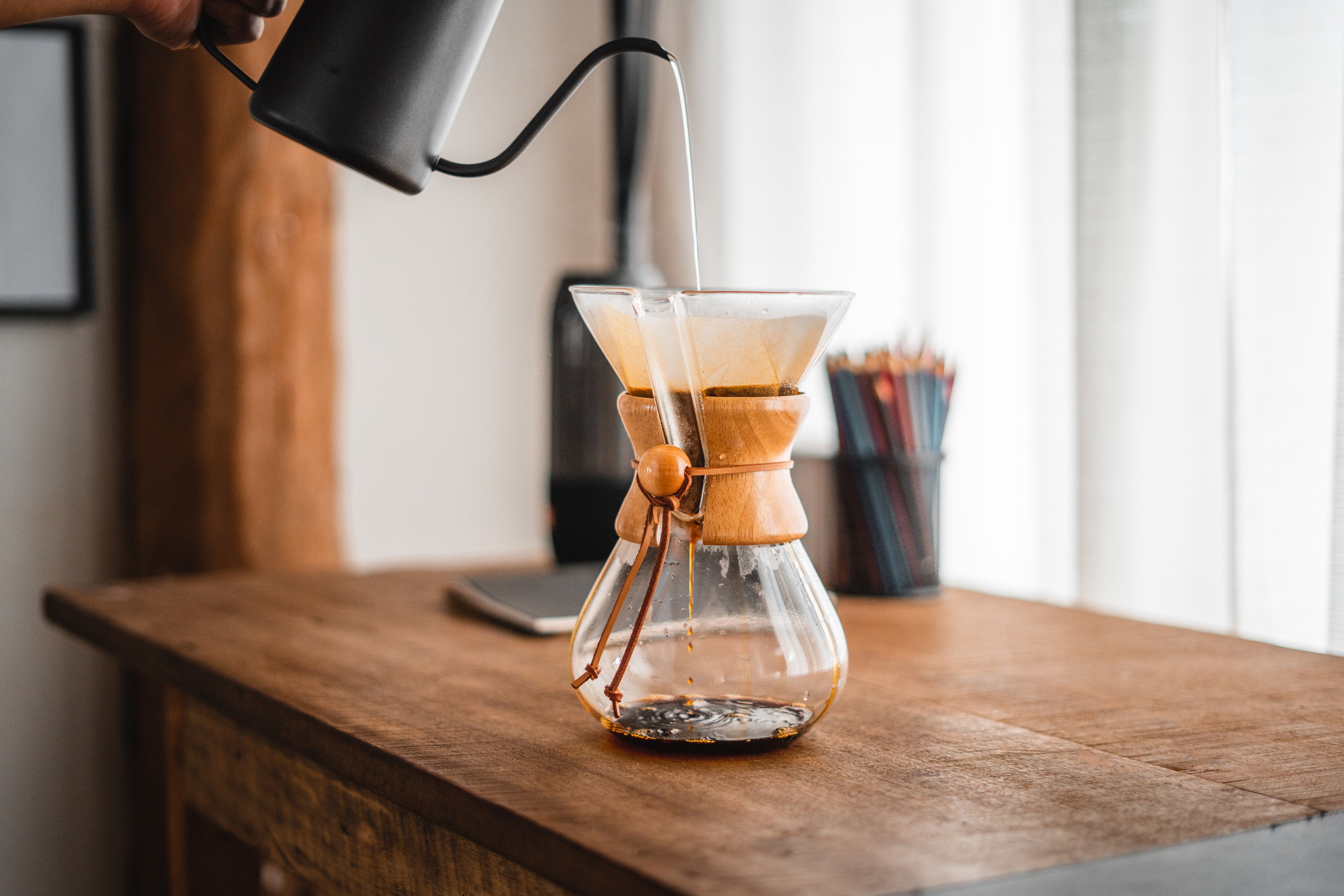
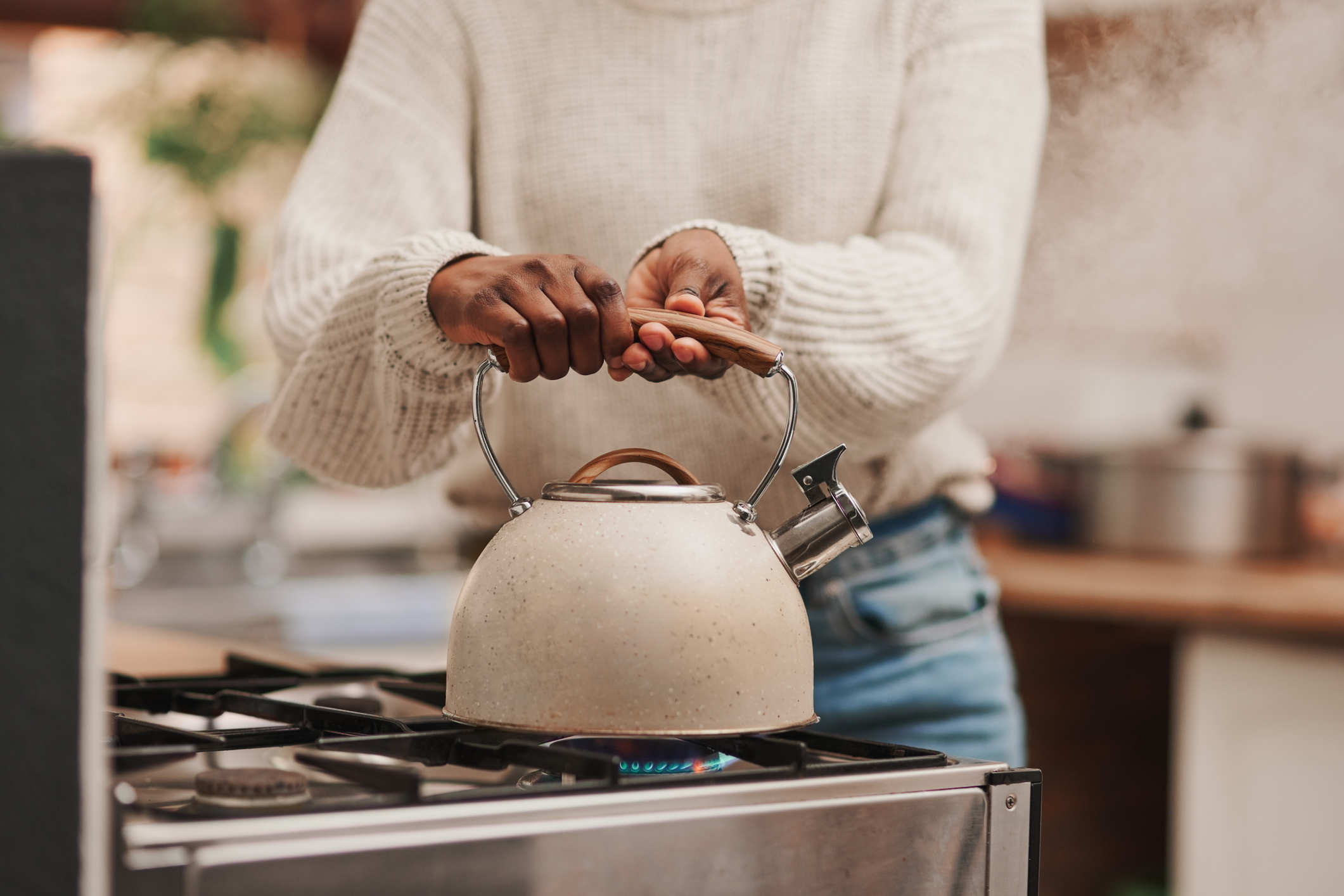
Maintaining water temperature through a pour-over brew is one of the most practical challenges. The kettle that poured 93°C (200°F) water at the start of brewing loses several degrees during the four minutes of extraction, particularly if it sits off the heat between pours. The final pour can arrive in the brew at 85°C (185°F) or cooler, which changes the character of the extraction at the tail end when deeper compounds are still moving.
The specific tools that address this include variable-temperature electric kettles that hold the set temperature during the brew, kettles with insulated bodies that retain heat longer than thin stainless options, and the practical technique of keeping the kettle on low heat during the brew rather than standing it on a cold countertop. Gooseneck kettles with built-in temperature displays have become standard equipment for home pour-over because they give the brewer continuous awareness of what the water actually is rather than guessing.
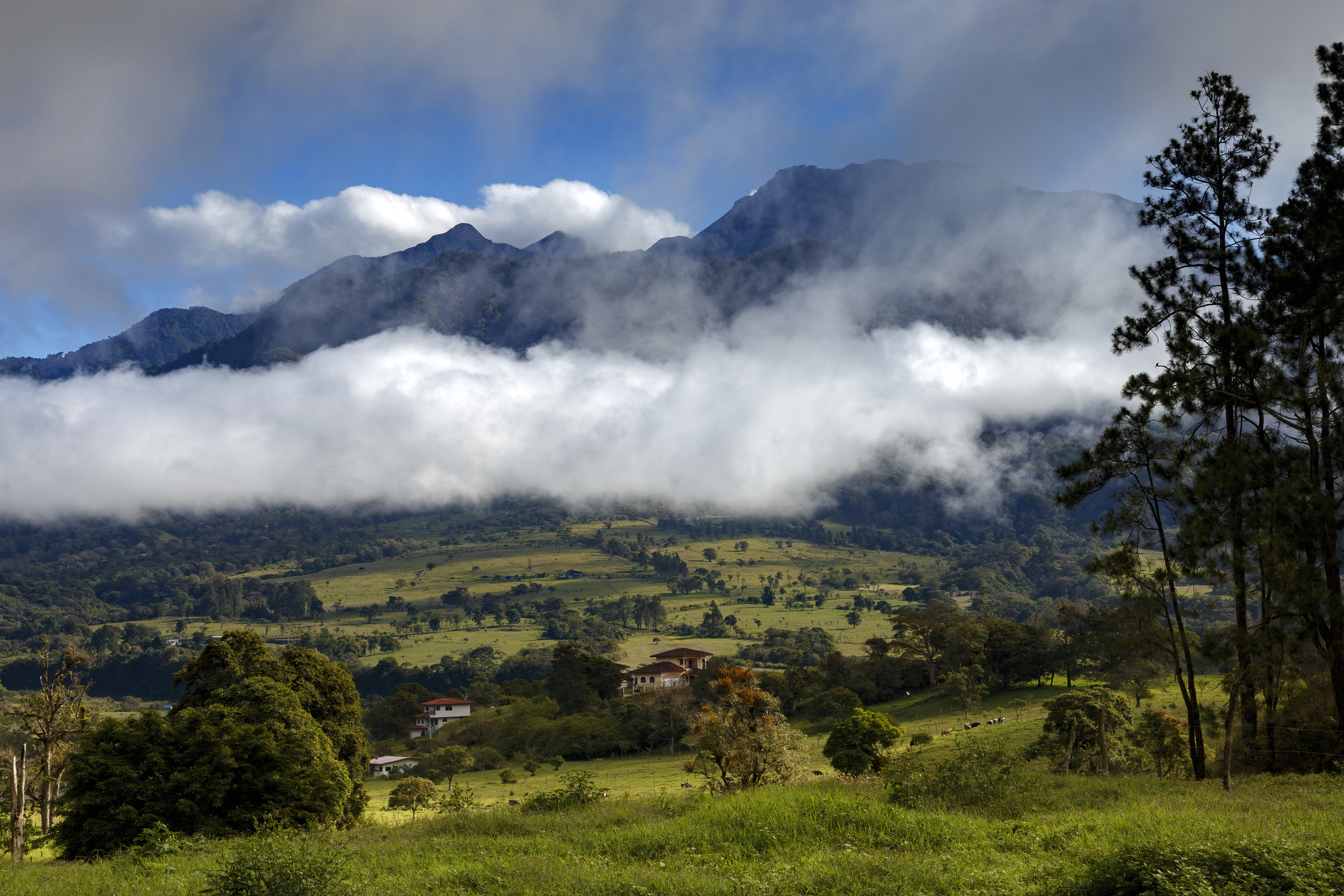
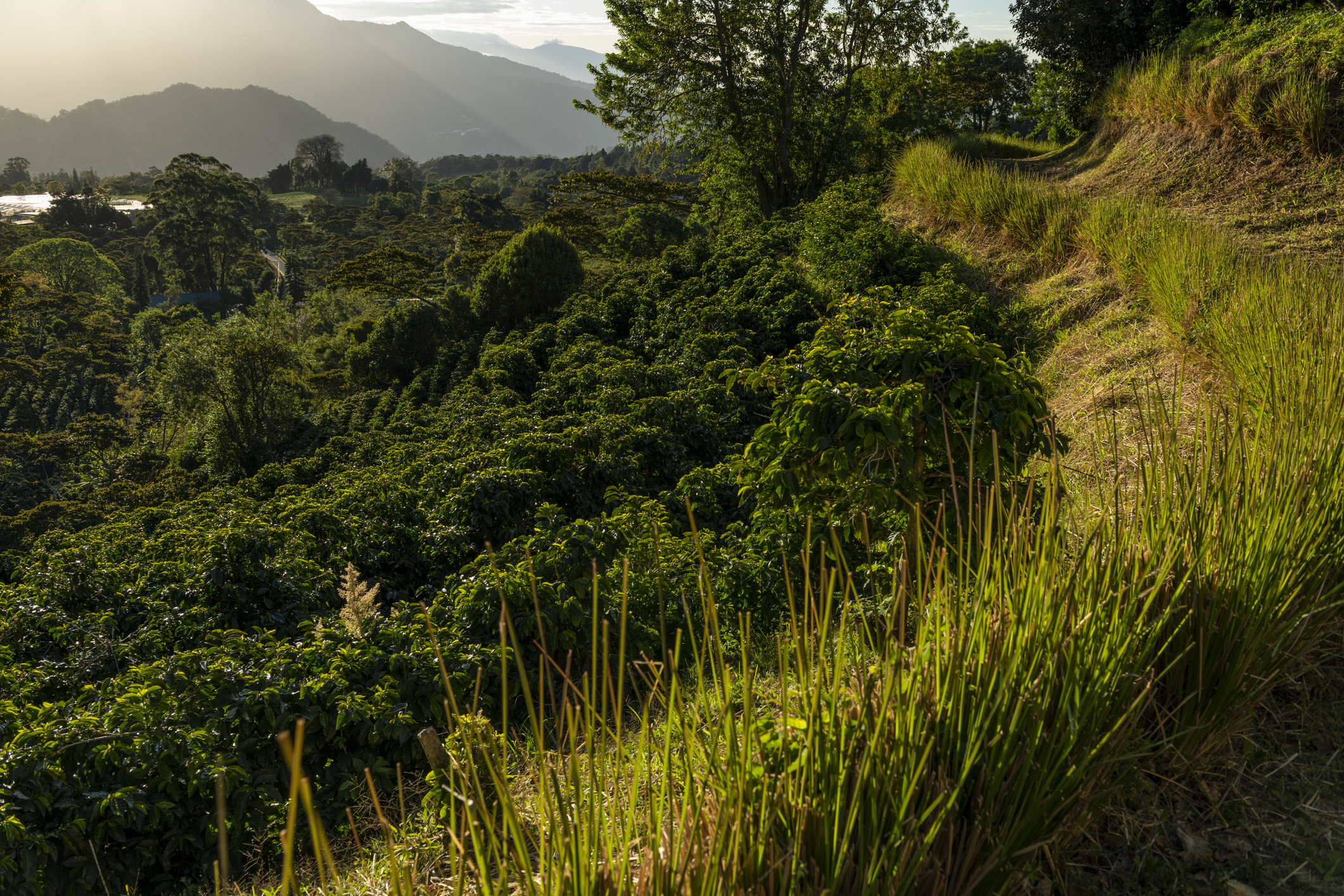
The deeper question is how much temperature stability actually matters for the brewer's specific coffee. Light roasts and delicate origins are more sensitive to temperature drop than dark roasts, so the pour-over practitioner brewing a lightly roasted Panamanian Geisha or Costa Rican Caturra benefits more from temperature control than one brewing a darker Guatemalan blend. The brighter, more aromatic compounds that define exceptional Latin American volcanic-region coffees release most expressively within a narrow temperature window, and brewers working with these coffees notice cup differences from temperature variations that would be imperceptible with darker roasts.
For brewers wanting to improve their results without buying new equipment, simply pouring all the water within a shorter window, using a preheated kettle, and keeping the brewing vessel warm all contribute to more consistent extraction without elaborate upgrades. Preheating the dripper and the receiving vessel with hot water before brewing prevents heat loss into cold ceramic or glass during the brew. Pouring more efficiently — fewer pauses, more continuous flow — keeps the brew within a tighter temperature range than extended deliberate pouring with long breaks.
For brewers ready to invest in equipment, variable-temperature kettles offer set-and-hold capability that maintains the chosen temperature throughout the brew. The "hold" setting keeps water at the set temperature indefinitely, eliminating the temperature drift that affects standard kettles. These kettles cost more than basic gooseneck options but produce noticeably more consistent extraction across cups, particularly for the bright Latin American volcanic-region coffees that reward precise control.
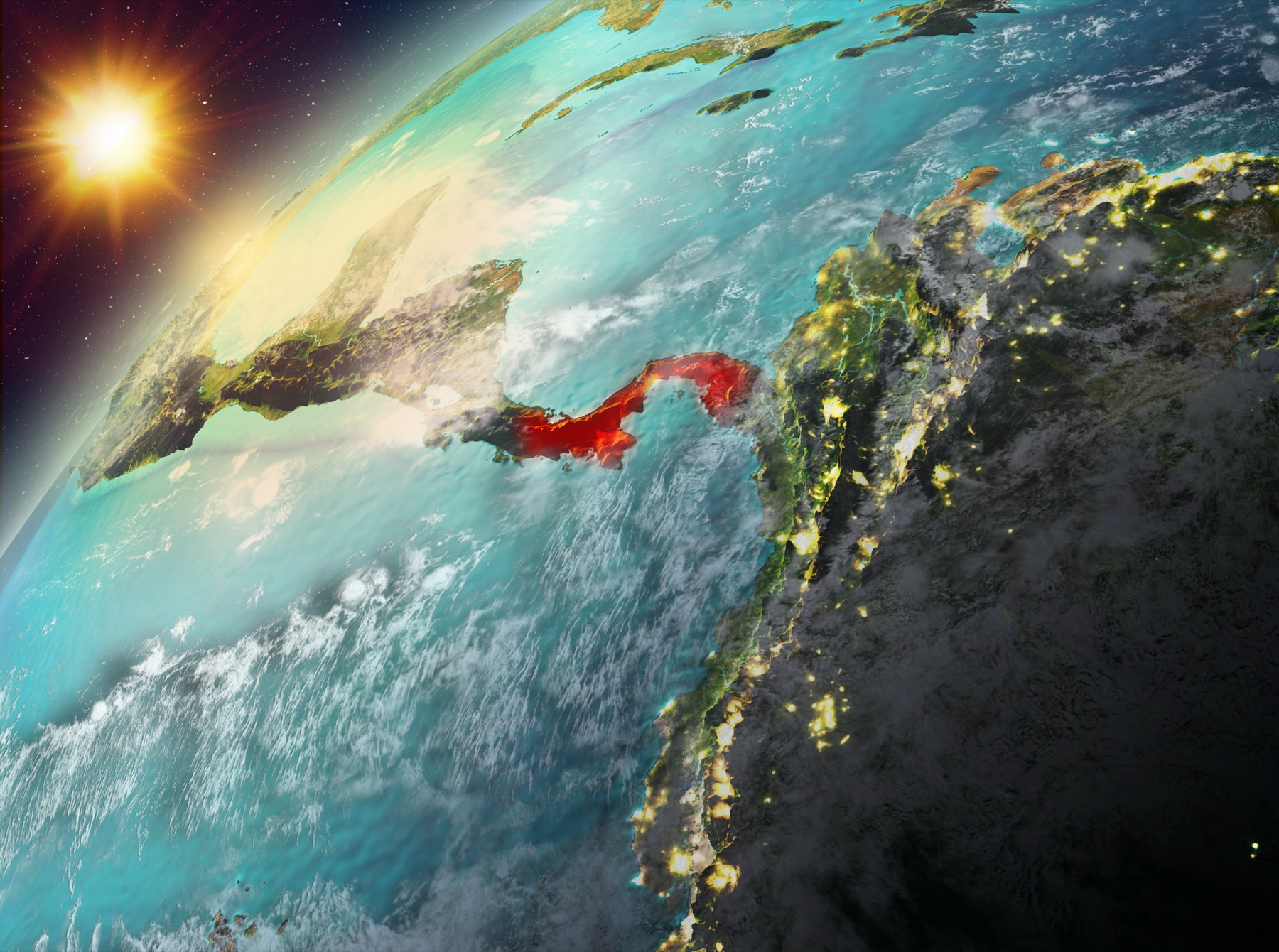
Café de Volcán recommends temperature control as one of the highest-leverage upgrades for brewers focused on the Pacamara, Geisha, and other distinguished varieties from Panama's Volcán region and the broader Latin American volcanic territory. The character that makes these coffees distinctive — the complex aromatic profiles, the layered acidity, the delicate sweetness — expresses most clearly when the brewing temperature stays stable within the optimal range from first pour to last.