
Roasting
How Roast Level Changes Flavor
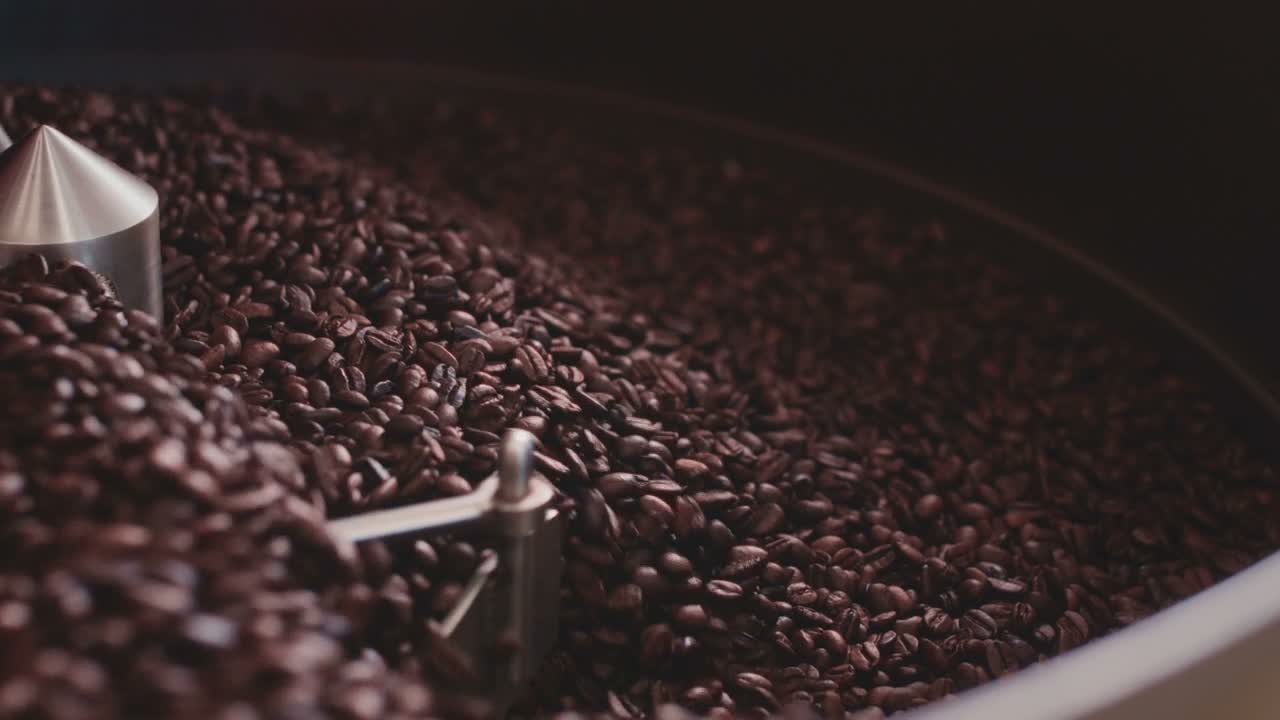
Roast level changes what a coffee chooses to reveal. Green coffee begins as a dense seed with sugars, amino acids, organic acids, moisture, and aromatic potential. Roasting uses heat to transform that seed into something soluble, fragrant, and expressive. The roast does not simply cook coffee; it rearranges its chemistry.
Light roasts are usually designed to preserve origin character. They tend to emphasize acidity, florality, fruit, tea-like clarity, and the distinct personality of the farm, variety, elevation, and processing. In the roaster, these coffees are often finished not long after first crack, before heavier roast flavors take over. A good light roast should not taste grassy or raw. It should feel developed enough for sweetness, but still transparent enough to show place.
Medium roasts sit in the middle of the spectrum. They usually bring more sweetness, roundness, and balance while still leaving room for origin detail. This is where caramel, honey, toasted sugar, cocoa, and soft fruit notes often become easier to perceive. The Maillard reaction, where sugars and amino acids interact under heat, helps create many of the brown, sweet, nutty, and aromatic notes people associate with roasted coffee.
Dark roasts push the coffee further into roast-driven flavor. Acidity softens, body can feel heavier, and flavors may move toward dark chocolate, toasted nuts, smoke, spice, or bittersweet intensity. As roasting advances, more of the coffee's delicate origin detail can be covered by the flavor of the roast itself. Oils may also appear on the surface as the bean structure becomes more developed and porous.
The chemistry matters because roasting is a sequence of tradeoffs. Heat reduces moisture, develops aroma, transforms sugars, changes acidity, creates carbon dioxide, and makes the bean more brittle and soluble. Too little development can leave the cup sharp, grassy, or hollow. Too much development can flatten sweetness, mute florality, and make different coffees taste more alike.