
Buying Guide
How Fresh Should Coffee Be?
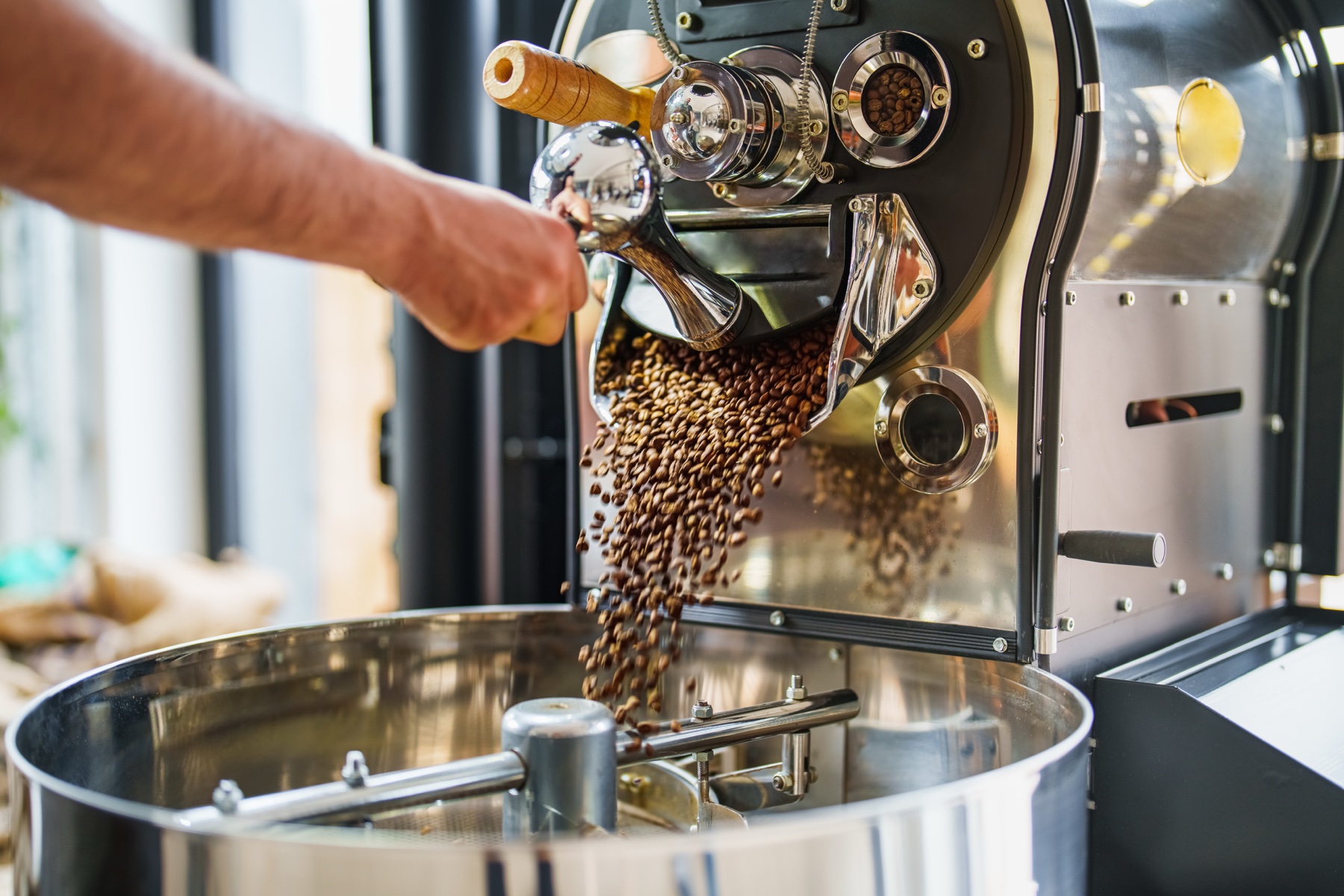
Fresh coffee matters, but freshly roasted does not always mean ready to brew. After roasting, coffee releases carbon dioxide. A little of that gas is natural and expected, but too much can make brewing uneven, especially when the coffee is only a day or two off roast.
For pour-over and filter coffee, many coffees begin tasting balanced after three to seven days of rest. Delicate aromatics often show beautifully in the first several weeks, especially when the coffee is stored well and ground only when needed. Dense, lighter-roasted coffees can sometimes continue settling for a little longer before they feel fully open.
Espresso usually benefits from more rest. A practical window is often seven to fourteen days after roast, and some dense or lighter espresso roasts may behave better closer to two or three weeks. The reason is physical as much as flavorful: lower gas levels can make extraction steadier, crema less wild, and the cup less sharp.
Freshness should feel alive, not frantic. The best question is not simply how many days have passed since roasting, but whether the coffee has had enough rest for the way you plan to brew it. The freshest coffee is the one that reaches the cup while its aroma, sweetness, and structure are still clearly present.