
Culture
Hospitality In Panama: Warmth, Pace, And Place
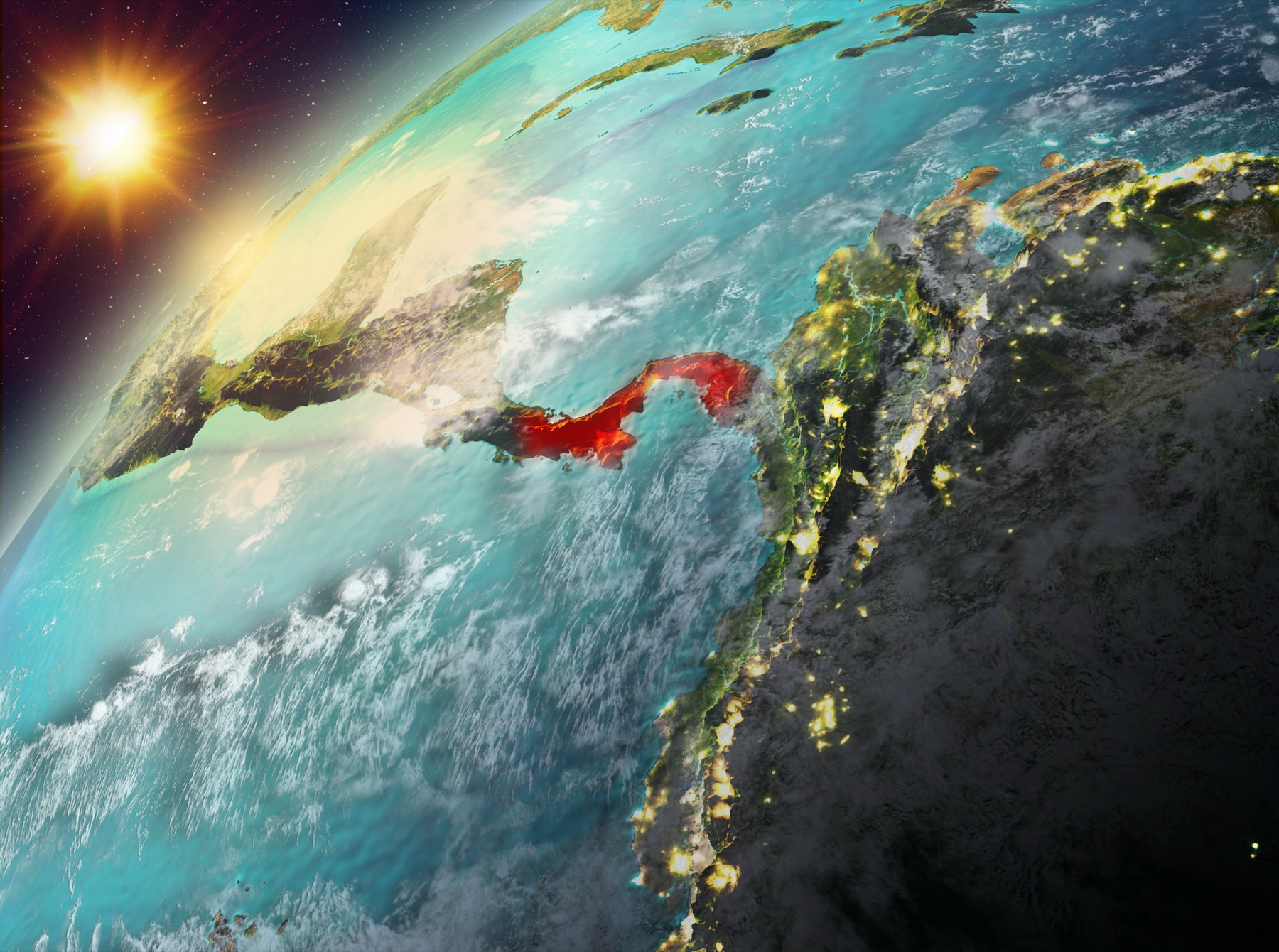
Hospitality in Panama is shaped by geography. Two oceans, two continents, and shipping lanes that move roughly six percent of global maritime trade meet here. Visitors typically arrive through Tocumen International Airport, the Copa Airlines hub connecting more than 80 cities across the Americas, before moving through Panama City, Casco Viejo, Boquete's highland coffee farms, or the archipelago of Bocas del Toro.
Underneath the welcome is a specific cultural humility. Panamanians tend to understate their own generosity, deflect compliments, and frame hospitality as ordinary rather than exceptional. "A la orden" — literally "at your service" — is offered constantly, from shopkeepers and neighbors to strangers, carrying genuine warmth rather than performance. Guests are rarely allowed to leave hungry, and declining food is interpreted as polite rather than final. "¿Ya comiste?" — have you eaten yet — functions as hello among family. "Mi casa es su casa" carries real weight, and visitors are handed coffee before they have fully sat down. Panamanians walk guests to the door when leaving rather than waving from across the room. "Dale pues" closes conversations warmly rather than abruptly.
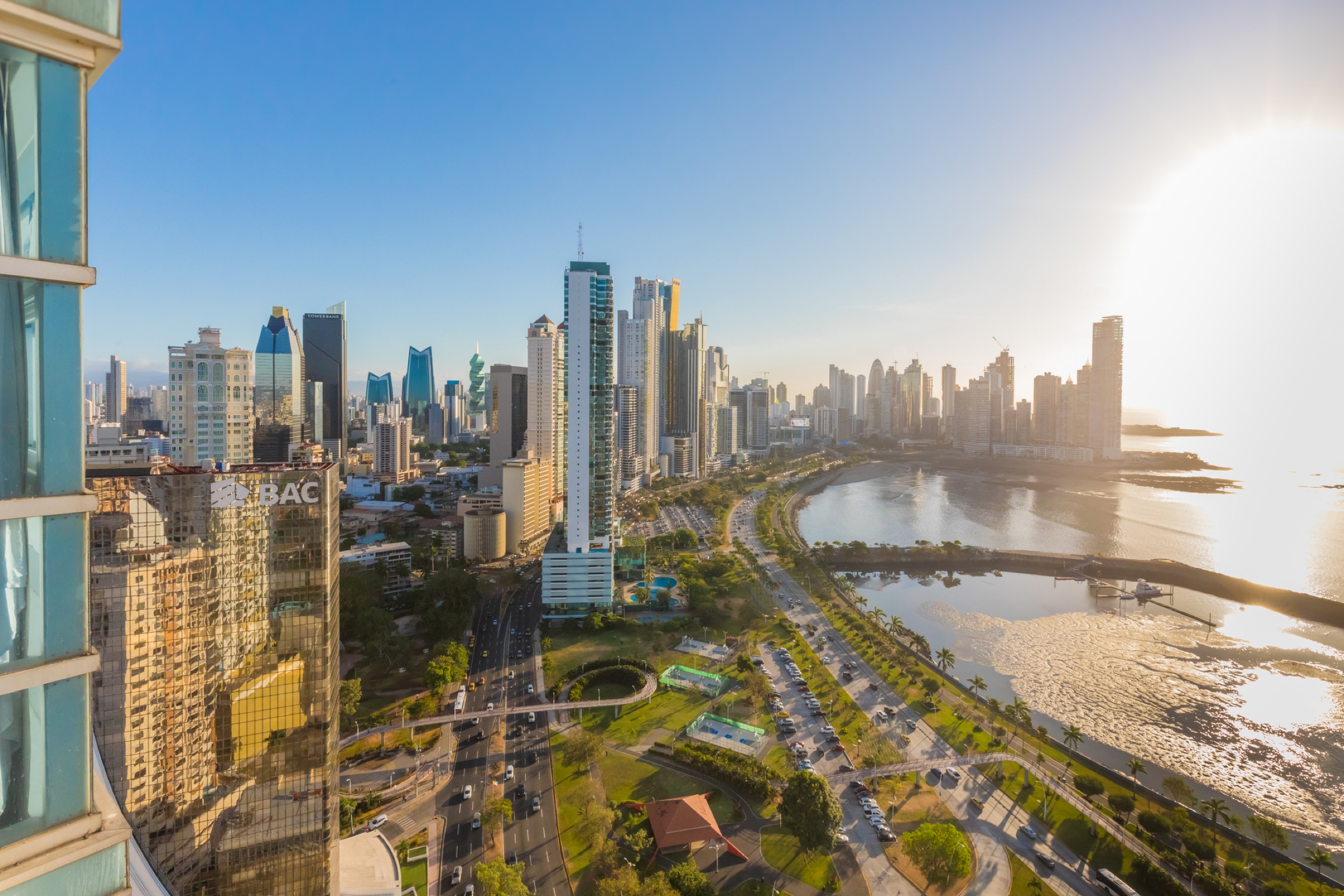
In Panama City, hospitality carries an international register because the capital has always handled comings and goings. Canal workers, shipping executives, regional bankers, and returning diaspora share the same restaurants and rooftops. Service reaches international standards, but the Panamanian register remains: greetings that extend rather than transact, recommendations offered without being asked, tables that absorb conversation rather than rushing turnover.
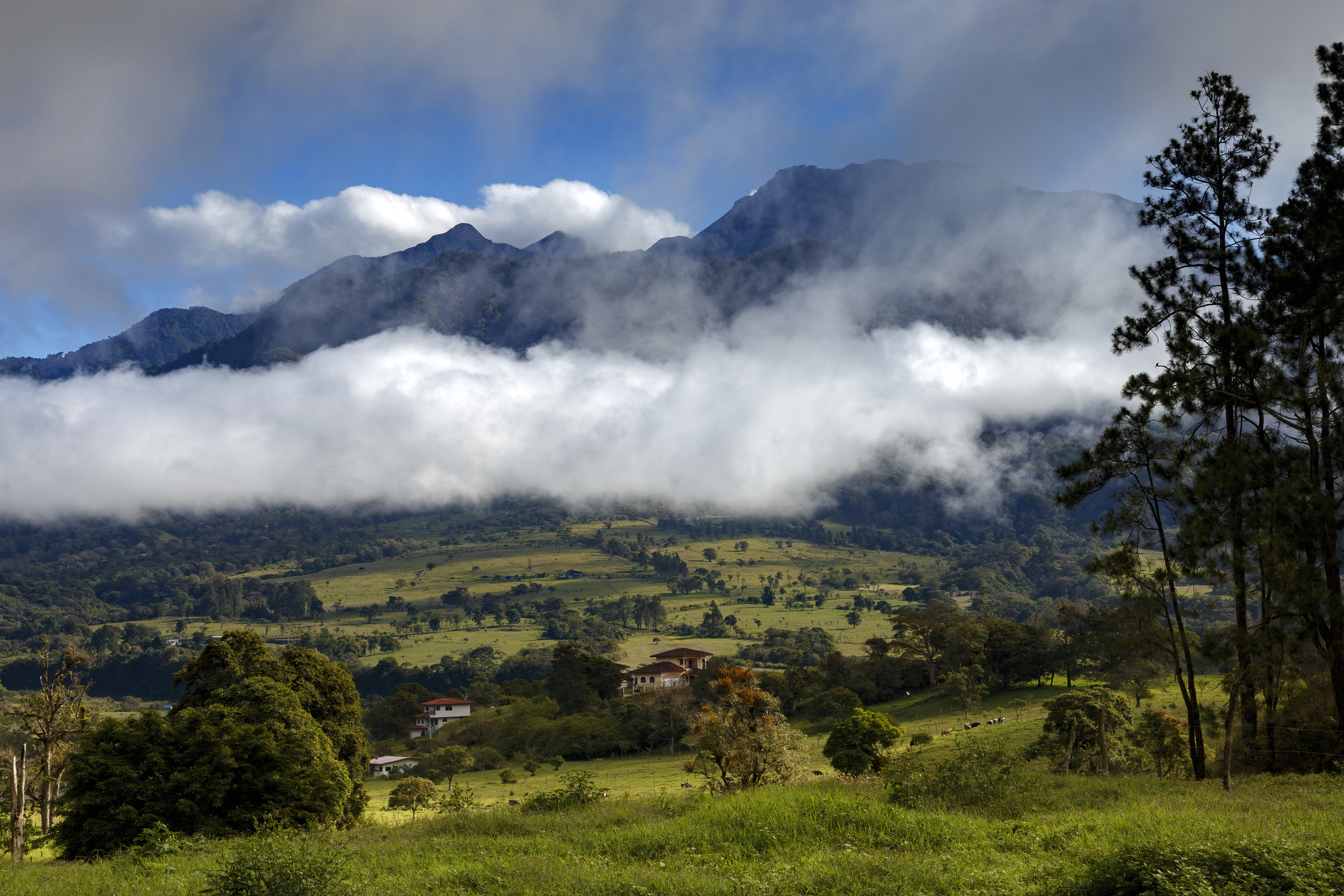
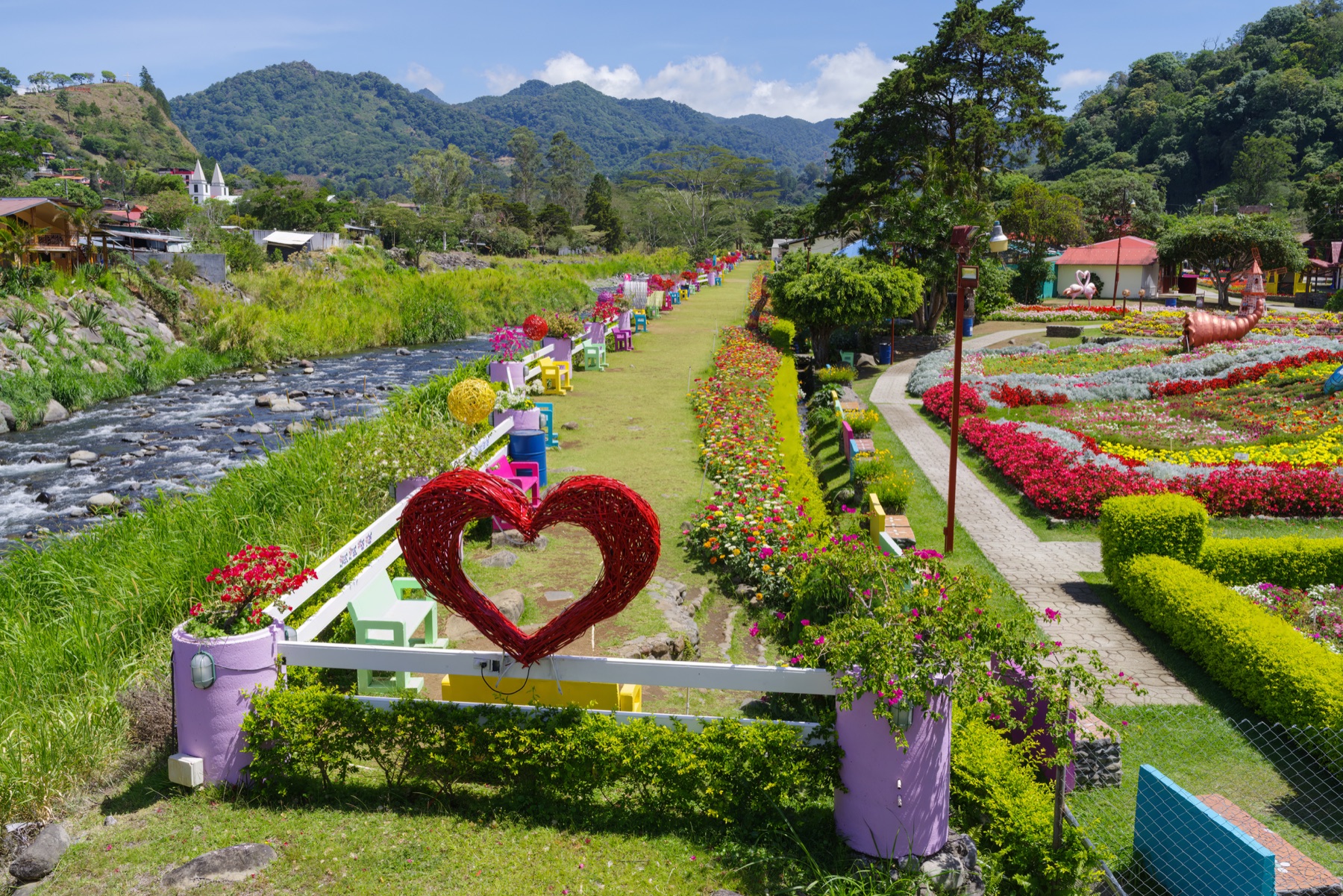
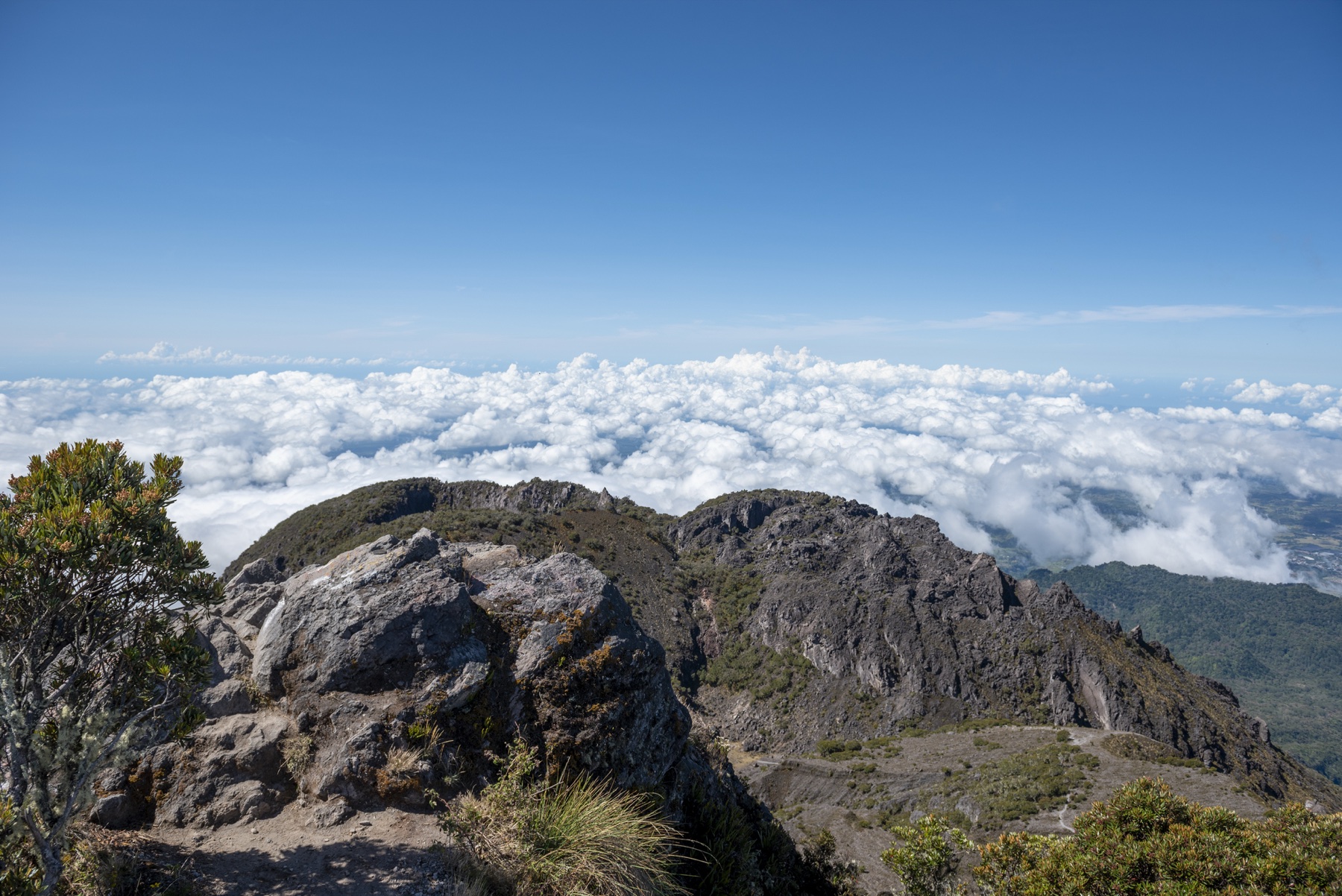
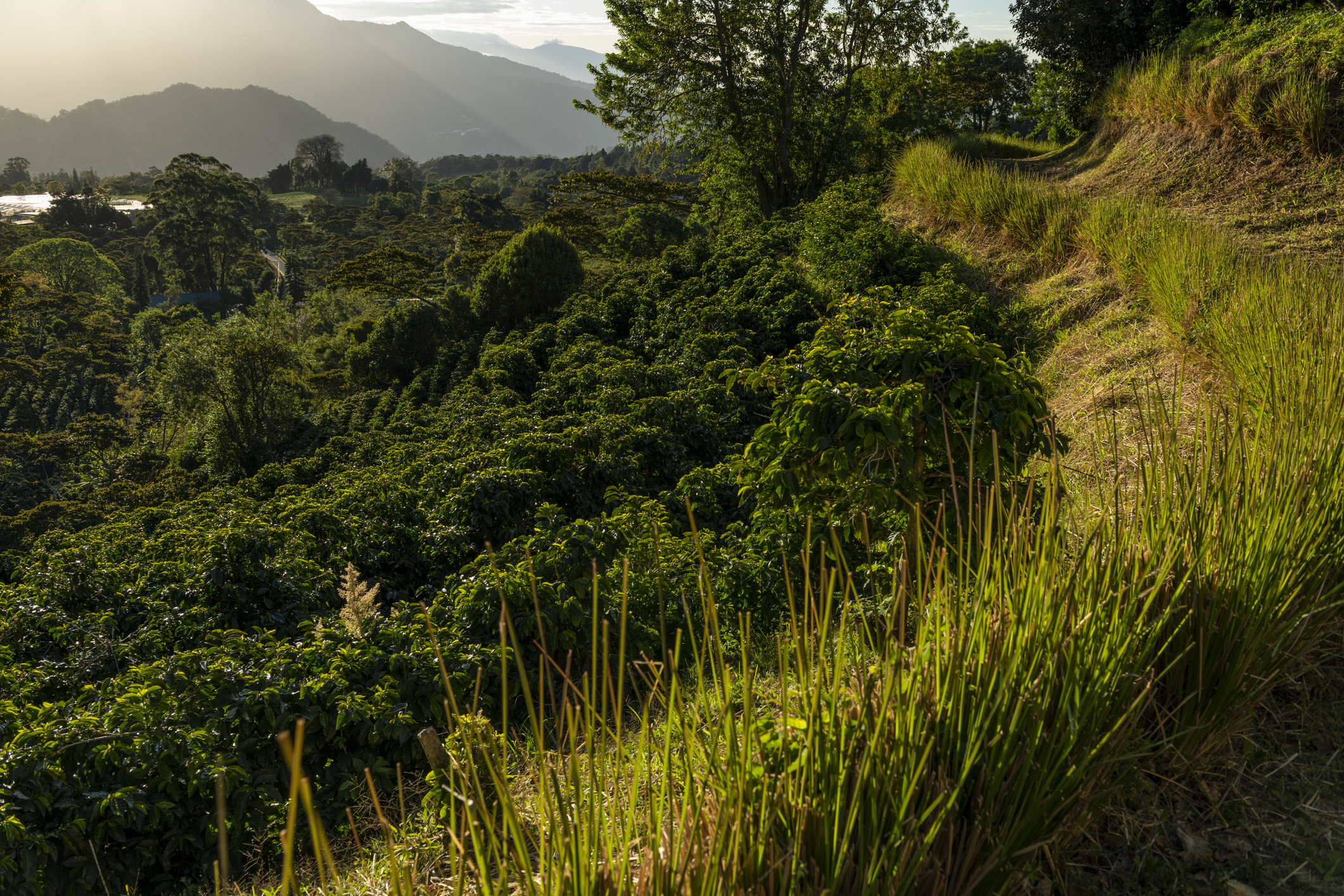
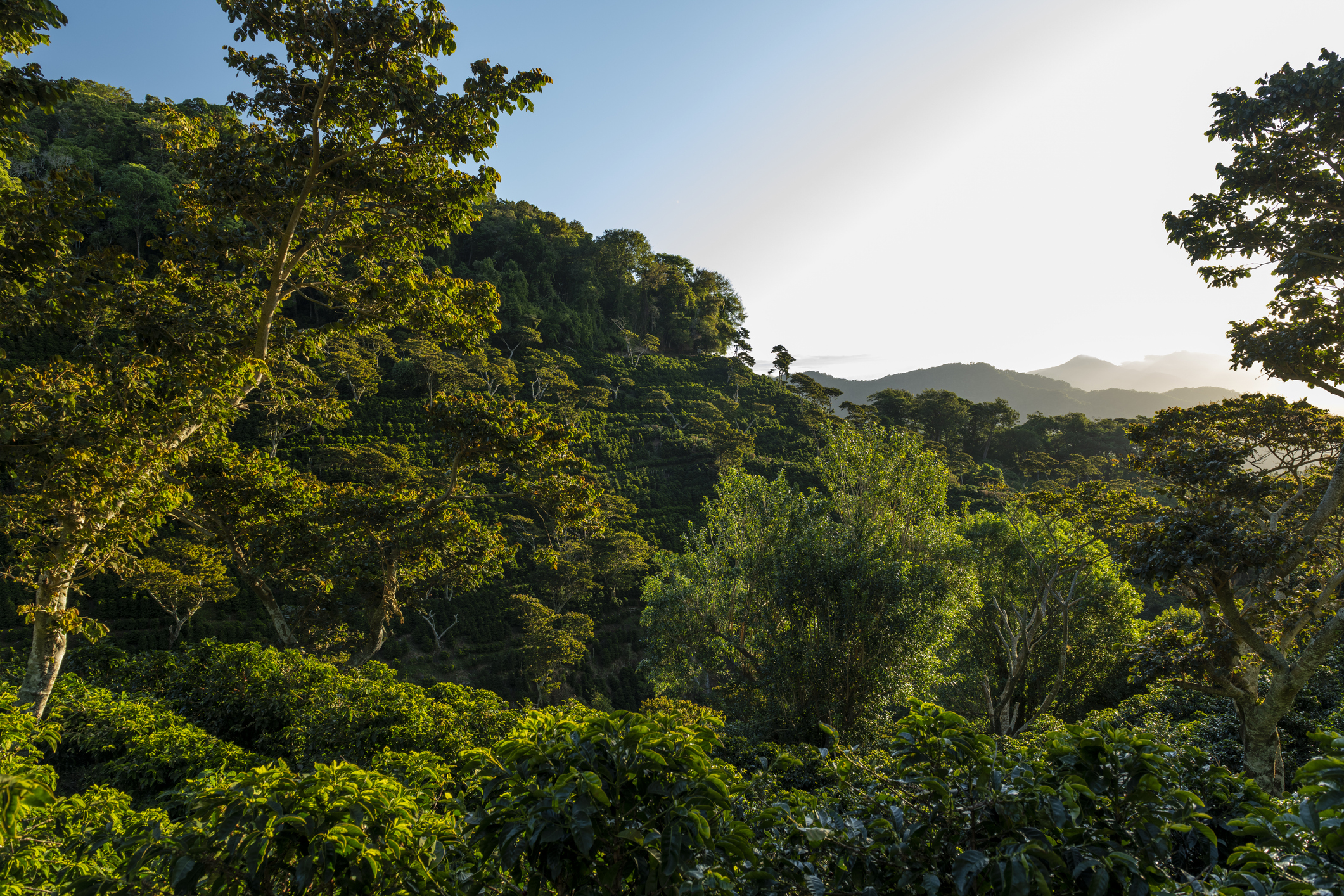
Casco Viejo, a UNESCO World Heritage site since 1997, holds boutique hotels inside buildings dating to the late 1600s. Boquete, at roughly 1,200 meters in the Chiriquí highlands, offers cooler air, working coffee estates, and a slower rhythm. Bocas del Toro becomes Caribbean and informal, organized around water taxis and the understanding that tide and weather determine schedules more reliably than clocks.