
Variety
Geisha Vs. Other Coffee Varieties
Geisha is one of the few coffee varieties that can make experienced drinkers stop mid-sip. Not because it is stronger or heavier, but because it often tastes less like what people usually taste with coffee.
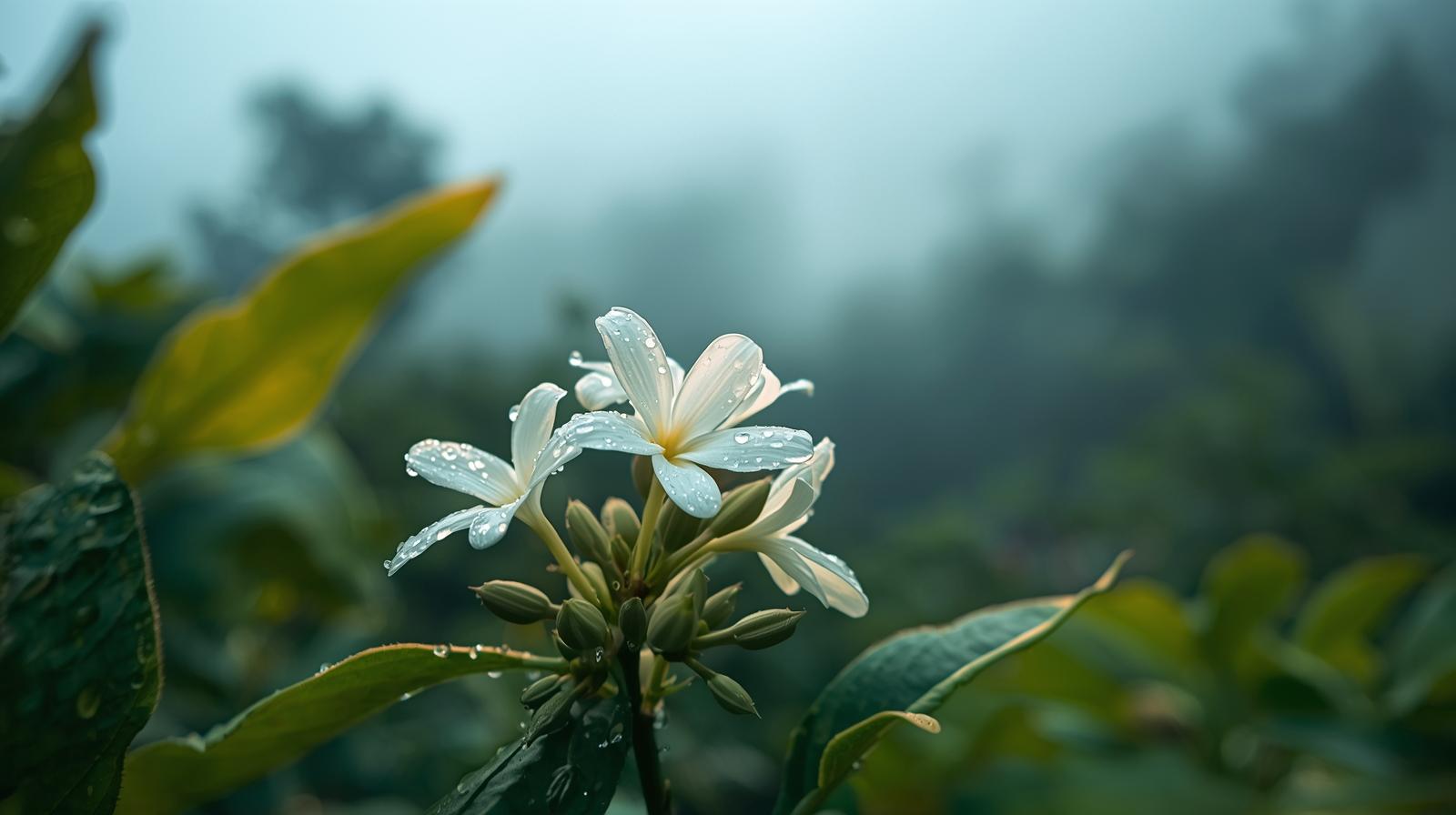
Compared with classic varieties like Caturra, Bourbon, Typica, Pacamara, or Catuai, Geisha is usually more aromatic, more delicate, and more tea-like. A good Geisha can carry jasmine, bergamot, orange blossom, peach, honey, lime, black tea, or tropical fruit. Other varieties can be beautiful too, but they often speak in a different register: chocolate, nuts, caramel, red fruit, spice, citrus, or round sweetness.
One of the most interesting things about Geisha is that its flavor is not just marketing. The variety has a real botanical identity. It traces back to coffee collected near the Gesha region of Ethiopia, later moved through research stations in East Africa and Central America. The spelling became confused over time: “Gesha” refers to the Ethiopian place name, while “Geisha” became the widely used commercial spelling in Panama and specialty coffee.
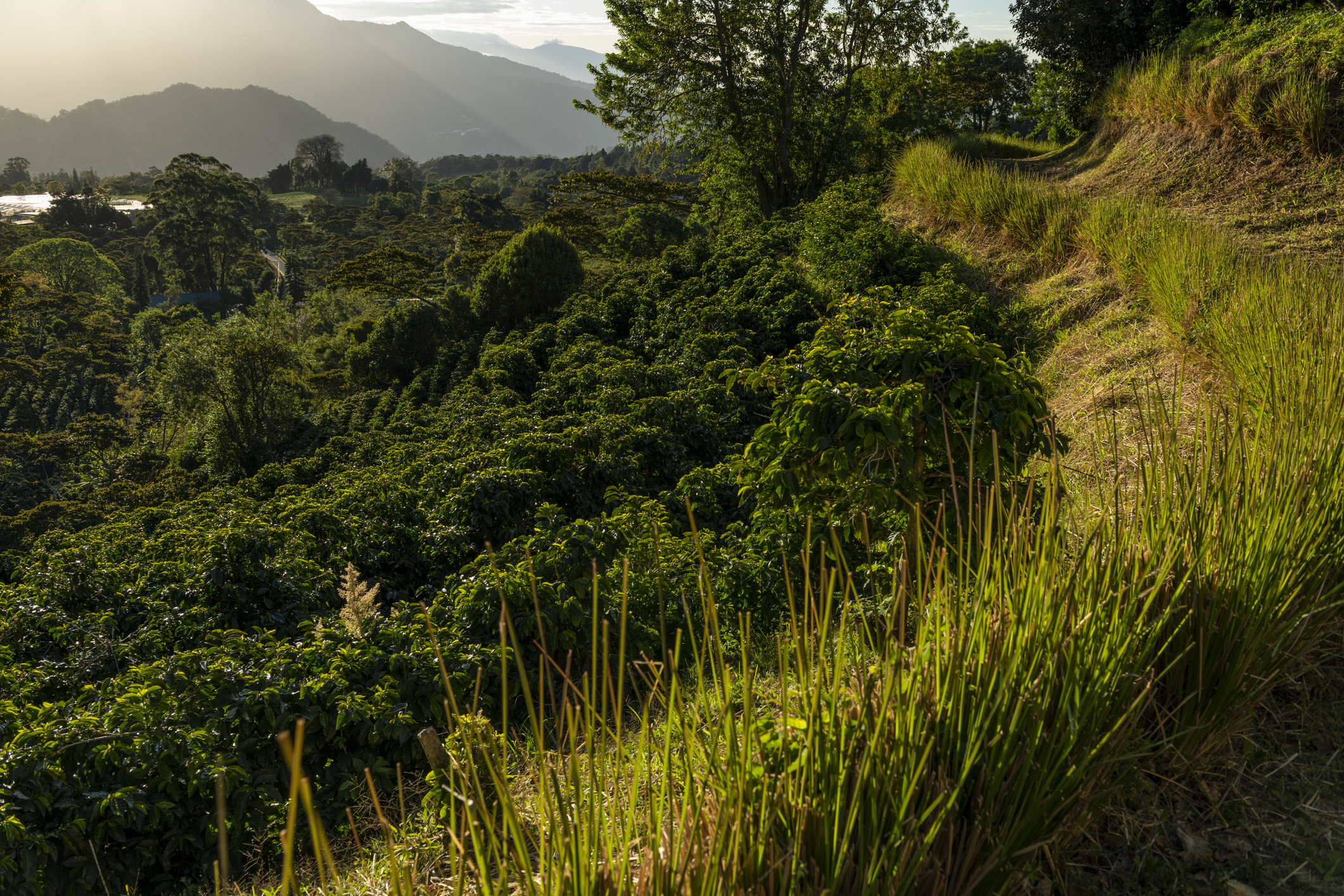
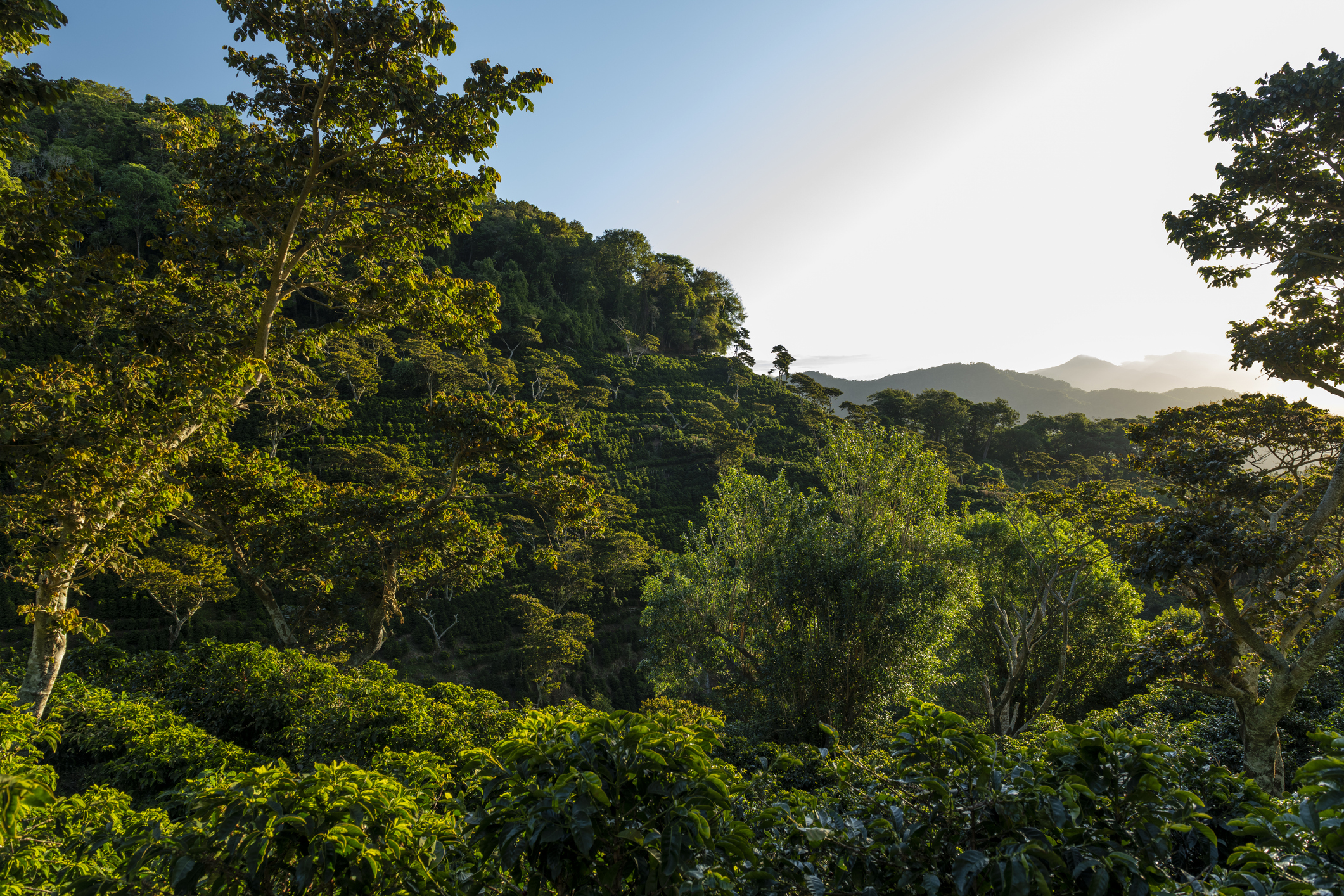
Geisha plants are not easy. They tend to be lower-yielding than more common commercial varieties, can be delicate in the field, and often require careful elevation, climate, nutrition, and picking to show their best character. That matters because rarity in coffee is not only about small supply. Sometimes it is about a plant that gives less, asks for more, and rewards precision.
A surprising detail is that Geisha can taste “lighter” even when it is not weak. Its aromatics can be so high-toned that the cup feels almost transparent. That impression comes from how aroma, acidity, sweetness, and body are arranged. Instead of weight, Geisha often gives lift. Instead of density, it gives perfume.
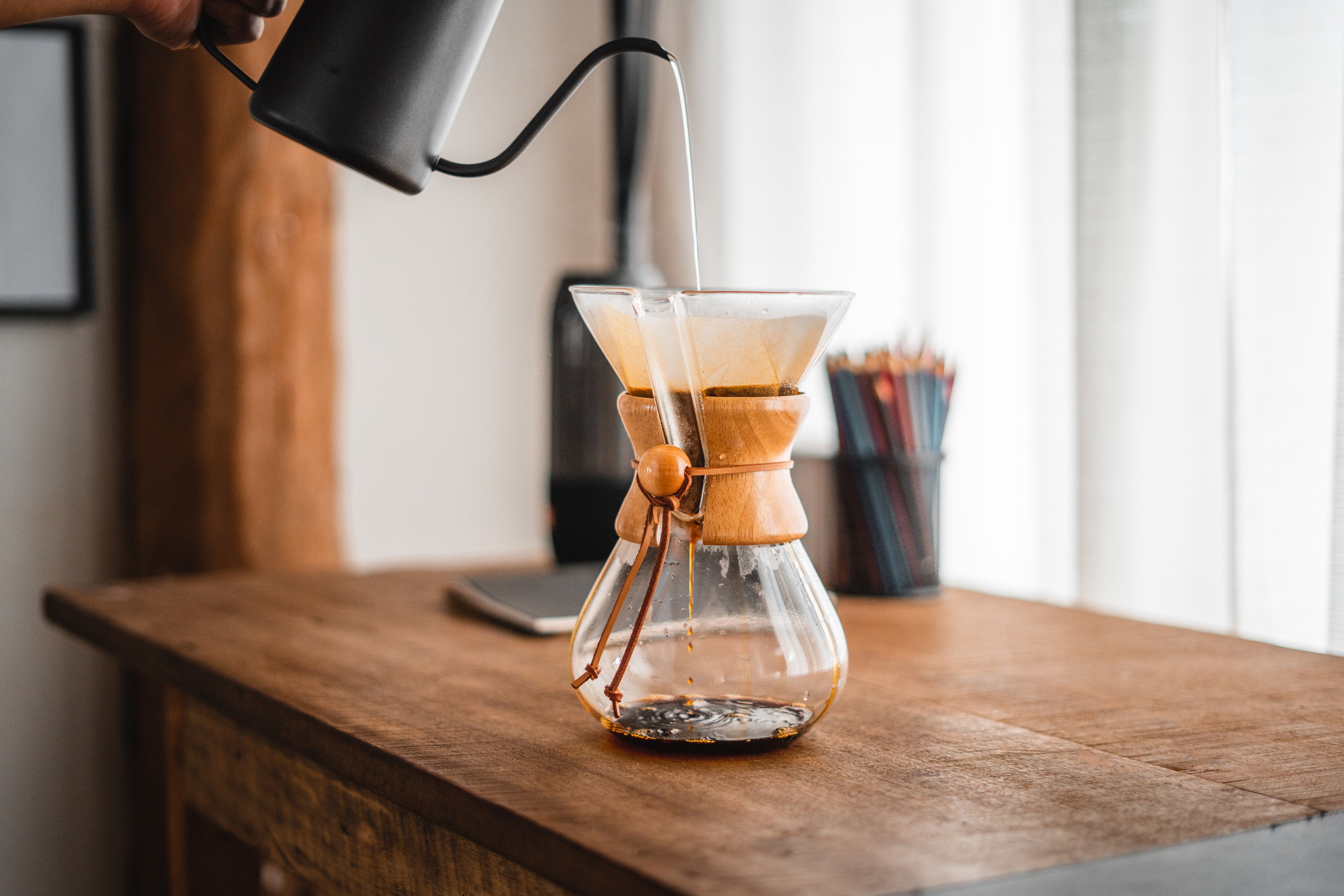
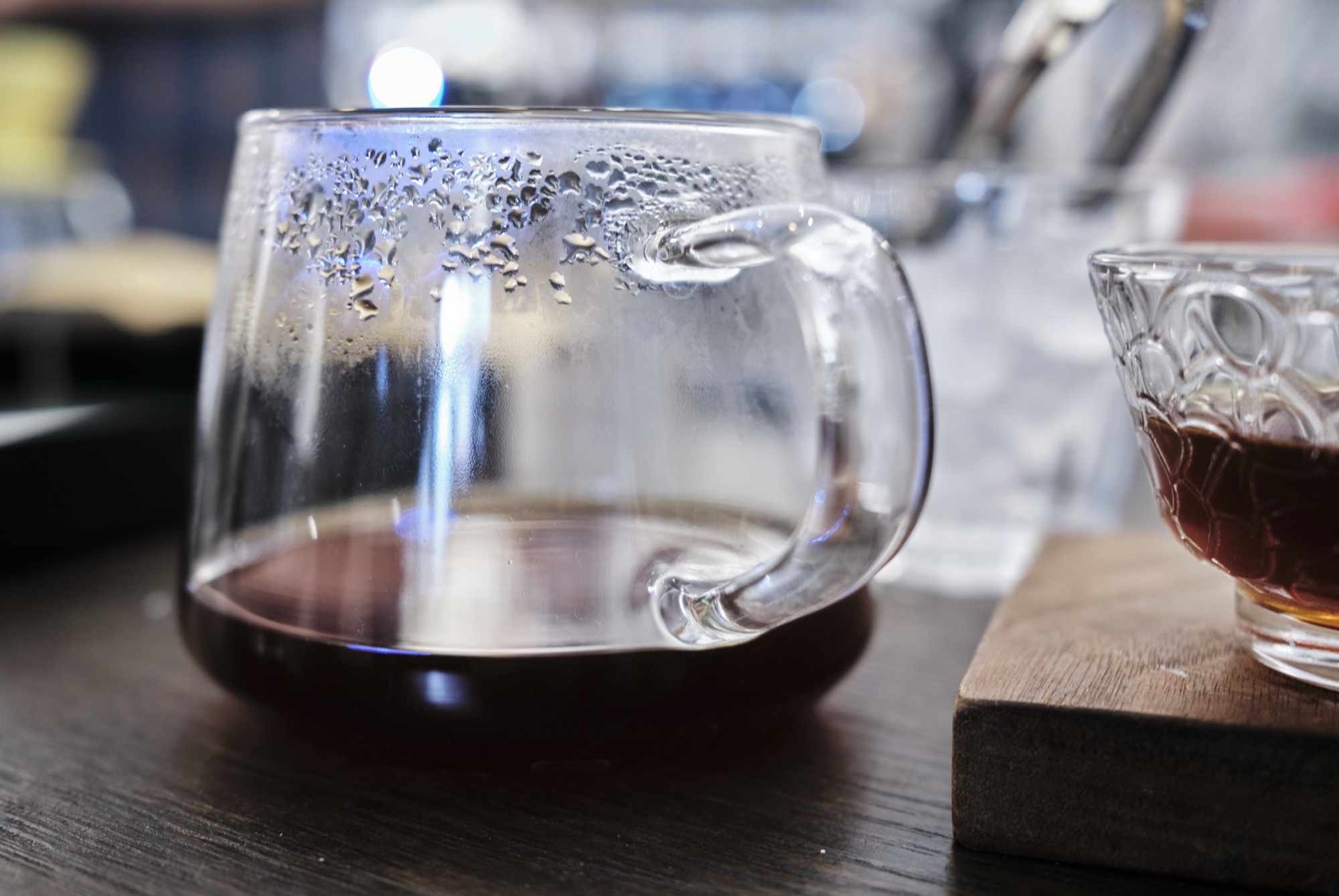
Another interesting difference is how Geisha changes as it cools. Many coffees lose definition as the temperature drops. Excellent Geisha can do the opposite. Floral notes become clearer, fruit becomes more detailed, and the cup can open like tea. That is one reason cuppers often evaluate it slowly, across several temperatures, instead of judging only the first hot sip.
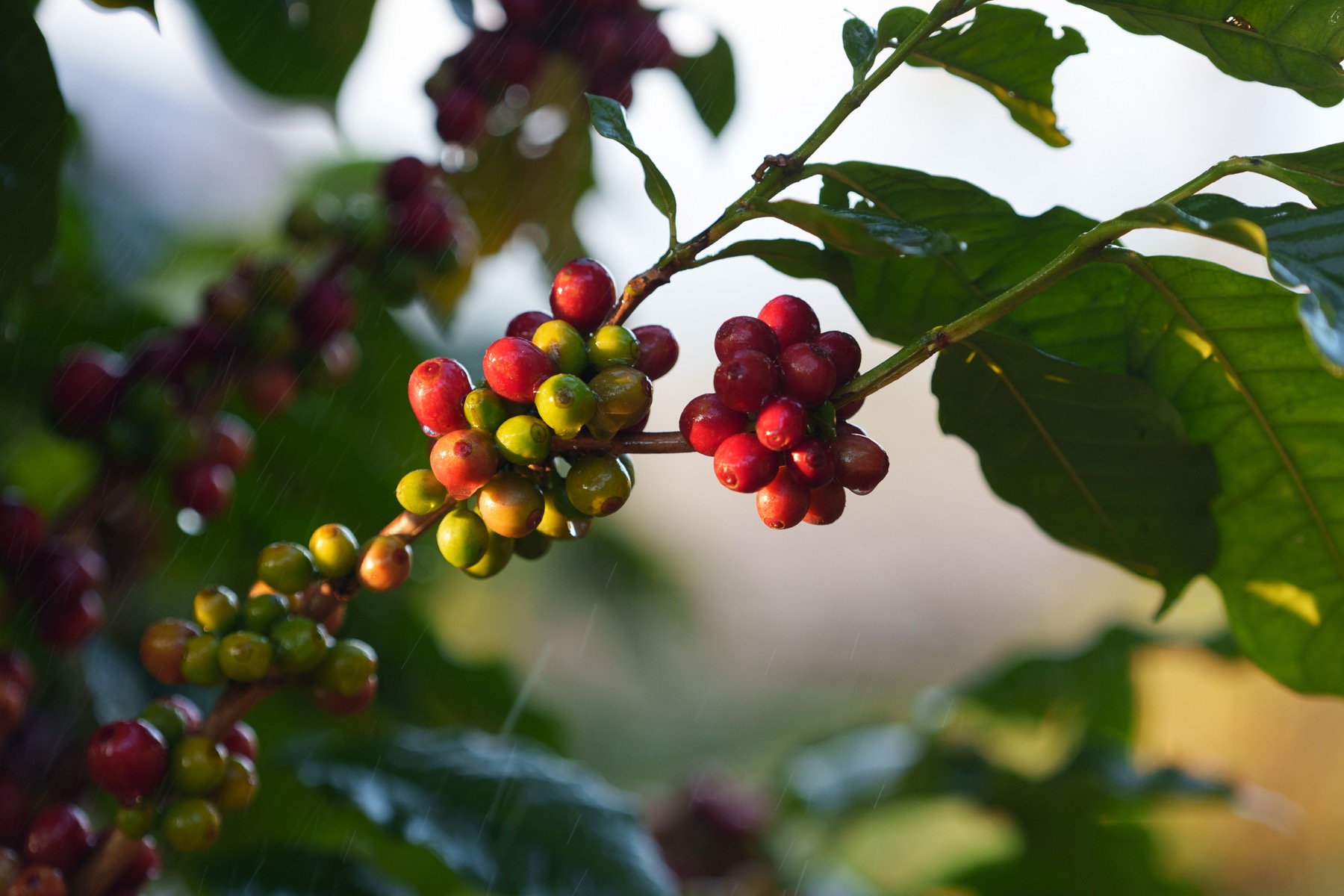
Geisha is special because it expands the idea of what coffee can be. It reminds us that coffee is not one flavor, one style, or one experience. It is an amazing and versatile fruit seed shaped by genetics, place, fermentation, roasting, water, and attention.